 Uncorked Conversations
Why Proper Wine Storage Matters for Beginners
Whether you're building your first wine collection or just dipping your toes into the world of vino, understanding how to store wine at home is crucial. Improper storage can turn that promising bottle of Cabernet Sauvignon into a vinegary disappointment. Wine is a living product—its flavors evolve over time, influenced by temperature fluctuations, light exposure, and more. For beginners in 2026, with more affordable gadgets available than ever, there's no excuse for subpar storage.
Proper storage preserves tannins, fruit notes, and acidity, preventing premature aging or spoilage. According to experts, poor conditions can cause cork taint, oxidation, or 'cooked' flavors. This guide breaks down the essentials: ideal conditions, budget-friendly setups, pitfalls, and pro tips to keep your wines cellar-worthy without a dedicated basement.
The Four Pillars of Ideal Wine Storage Conditions
To mimic a professional winery cellar at home, focus on these key factors:
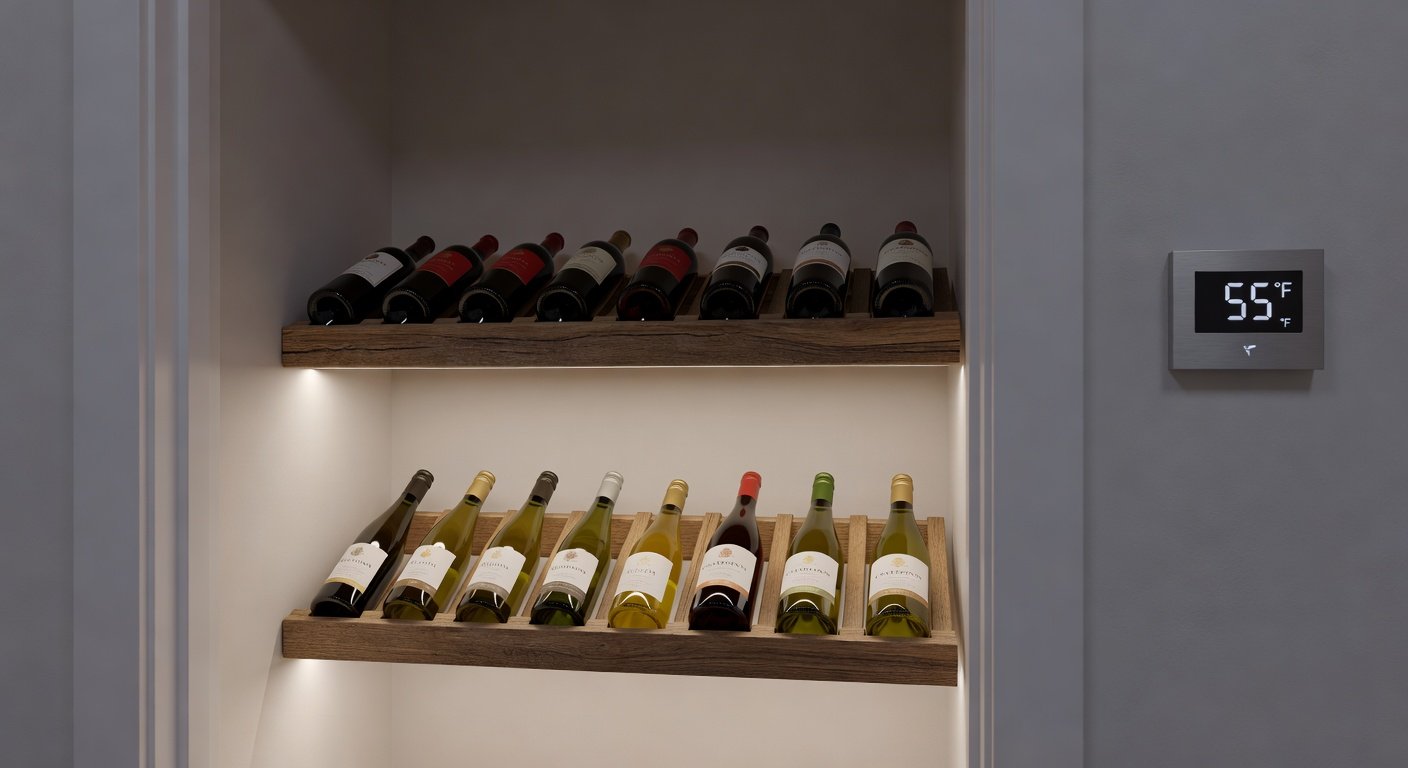
- Temperature: 55°F (13°C) – The gold standard. Wines age best at a consistent 55°F. Above 70°F accelerates aging; below 45°F risks freezing corks. Avoid swings greater than 5°F daily.
- Humidity: 60-70% – Keeps corks from drying out and shrinking, preventing air seepage. Too dry (under 50%) leads to oxidation; too humid (over 80%) risks mold.
- Darkness – UV light degrades tannins and turns whites brown. Use opaque storage or dark spaces.
- Vibration-Free – Constant shaking disturbs sediments and prematurely ages wine. Keep away from appliances or foot traffic.
Additionally, store bottles horizontally to keep corks moist. For more on wine science, check out Wine Spectator.
Affordable Home Wine Storage Solutions for Beginners
You don't need a fortune for great storage. Here are practical options scaled for small collections (6-50 bottles):
1. The Humble Closet or Cabinet
A cool, dark interior closet works wonders if temps stay around 55-60°F year-round. Line with foam for vibration dampening. Cost: Free-$50 for racks.
2. Wine Racks: Stackable and Stylish
Wooden or metal racks from Amazon or IKEA hold 12-36 bottles. Opt for modular ones for expansion. Place in a stable, shaded spot. Pro tip: Avoid stacking too high to prevent toppling.
3. Wine Fridges: The Game-Changer
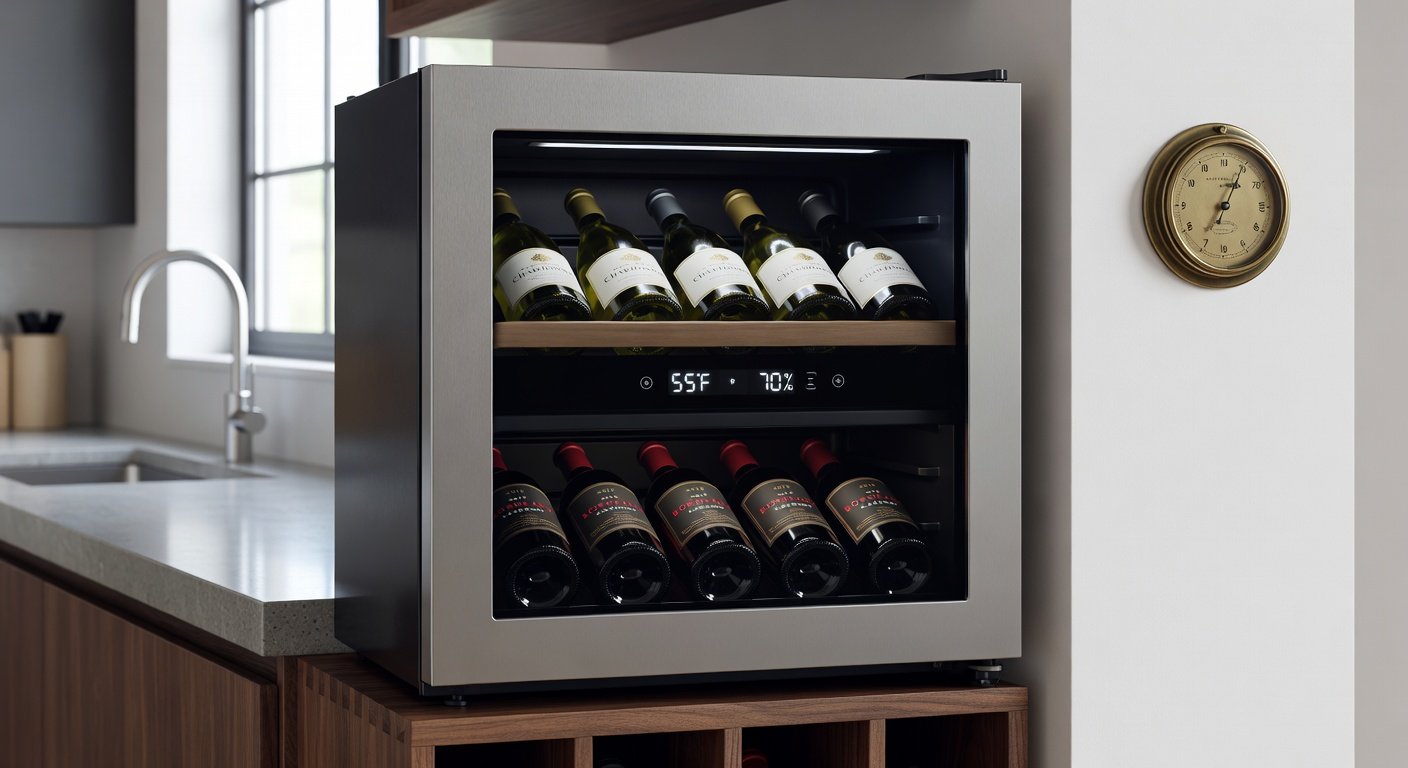
For under $200, thermoelectric mini-fridges (e.g., 12-bottle models) maintain precise temps without compressors' vibrations. Dual-zone units ($300+) store reds and whites separately (55°F reds, 45-50°F whites/champagne).
Compare options:
| Type | Capacity | Price Range | Best For |
|---|---|---|---|
| Single-Zone Mini Fridge | 6-18 bottles | $150-300 | Beginners |
| Dual-Zone | 24-46 bottles | $400-800 | Growing collections |
| Built-In Cellar | 50+ | $1,000+ | Enthusiasts |
Explore reviews at Wine Enthusiast.
4. DIY Hacks
Use an insulated cooler with a temperature controller ($50 add-on). Or convert an unused armoire with a small AC unit and hygrometer.
Common Wine Storage Mistakes Beginners Make (And How to Avoid Them)
Steer clear of these pitfalls:
- Kitchen Counter or Fridge: Heat from ovens/stoves and door openings ruin wine. Fridges are too cold (35°F) and dry.
- Direct Sunlight: Windowsills fade labels and flavors—'light strike' in whites.
- Standing Bottles Upright: Dries corks in months.
- Attic or Garage Extremes: Temperature swings of 30°F+ daily 'cook' wine.
- Overcrowding Racks: Pressure breaks bottles; leave space.
Invest in a digital hygrometer/thermometer ($15) to monitor. For storage myths debunked, see Wine Folly.
Step-by-Step Guide to Setting Up Your Home Wine Storage
Follow these steps for a foolproof setup:
- Assess Your Space: Measure temp/humidity for a week. Ideal: basement, closet away from HVAC.
- Choose Equipment: Start with rack + monitor. Upgrade to fridge if needed.
- Prep the Area: Clean, add insulation if humid, black-out cloth for light.
- Load Bottles: Heaviest at bottom, labels out, horizontal. FIFO (first in, first out).
- Monitor Weekly: Log conditions; adjust as seasons change.
Maintaining Your Wine Collection Long-Term
Inventory with apps like CellarTracker. Rotate bottles quarterly. For sparkling wines, use cages if recorking. If traveling, ship with insulated boxes. In 2026, smart fridges with apps notify of issues via phone.
Age charts: Drink young whites within 1-3 years; bold reds 5-10+. Sparkling: upright in fridge short-term.
FAQs: Wine Storage for Beginners
Q: Can I store open wine long-term?
A: No—re-cork and refrigerate (3-5 days max). Use Vacu Vin for extension.
Q: Is 55°F exact, or flexible?
A: Within 50-59°F is fine for most; consistency trumps perfection.
Q: What about screw-cap bottles?
A: More forgiving—upright okay, but still need cool/dark.
Q: Budget fridge recommendations?
A: NewAir or Ivation 12-bottle models under $200 excel for starters.
Conclusion: Start Storing Smart Today
Mastering home wine storage elevates your tasting game and protects investments. Begin with basics—cool, humid, dark, still—and scale up. Your future self (and palate) will thank you. Happy storing, and cheers to many great bottles ahead!

No comments yet. Be the first!