 Uncorked Conversations
Introduction to the Science of Wine Service
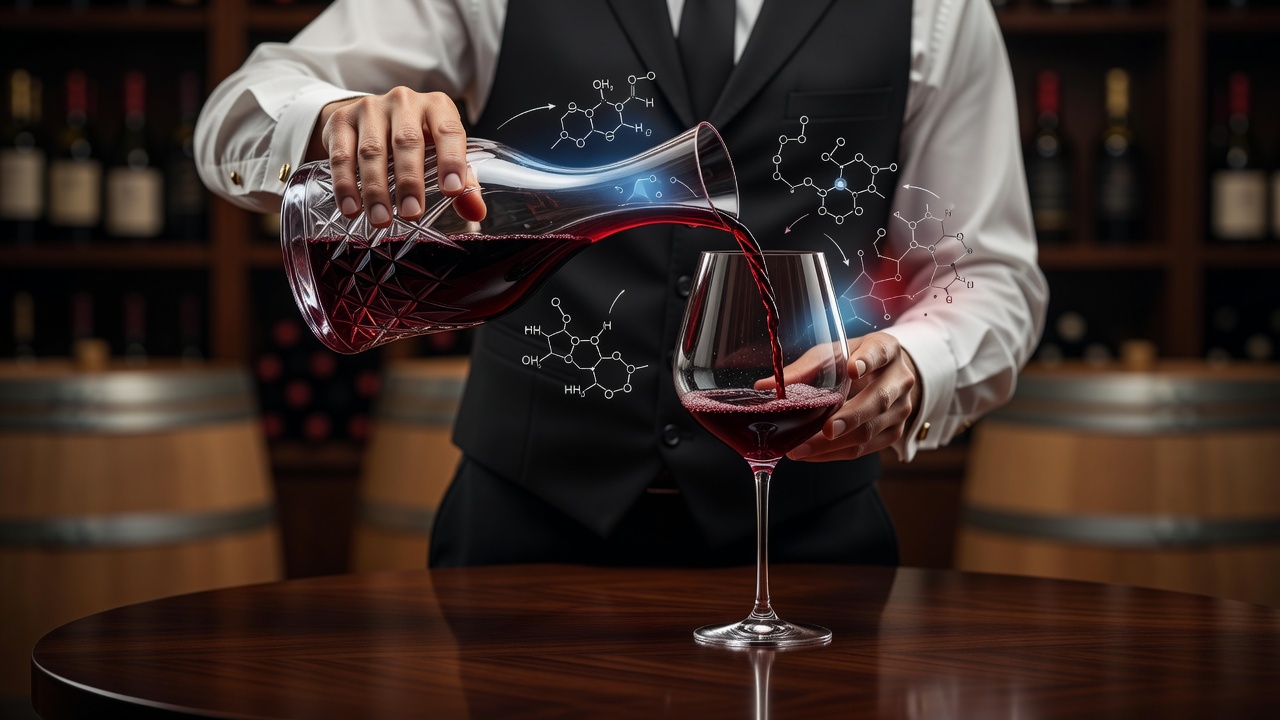
Wine enthusiasts and professionals alike understand that the vessel from which wine is served dramatically influences its sensory profile. In 2026, sommeliers are increasingly turning to evidence-based approaches that combine physics, chemistry, and sensory science to optimize every pour. This guide delves into the molecular interactions, thermal dynamics, and material science that underpin effective glassware selection and decanting techniques for both home enthusiasts and restaurant professionals.
The core principle is simple yet profound: wine is a complex mixture of volatile compounds, tannins, acids, and alcohols. How these interact with air, temperature, and the glass surface determines the final tasting experience. Sustainable materials are also rising in prominence this year, with eco-conscious crystal alternatives gaining traction in restaurants worldwide. Understanding these elements allows you to unlock hidden layers in even everyday bottles, transforming casual drinking into an elevated ritual supported by measurable scientific outcomes.
Molecular Aeration Effects Explained
When wine is decanted or swirled in a glass, oxygen interacts with its molecular structure. Aeration oxidizes certain compounds, softening tannins in reds and releasing esters and thiols responsible for aroma. Research from leading institutions shows that the rate of oxygen diffusion depends on the surface area exposed and the vessel's geometry. For instance, phenolic compounds in red wines undergo polymerization during controlled exposure, reducing astringency while preserving fruit-forward notes.
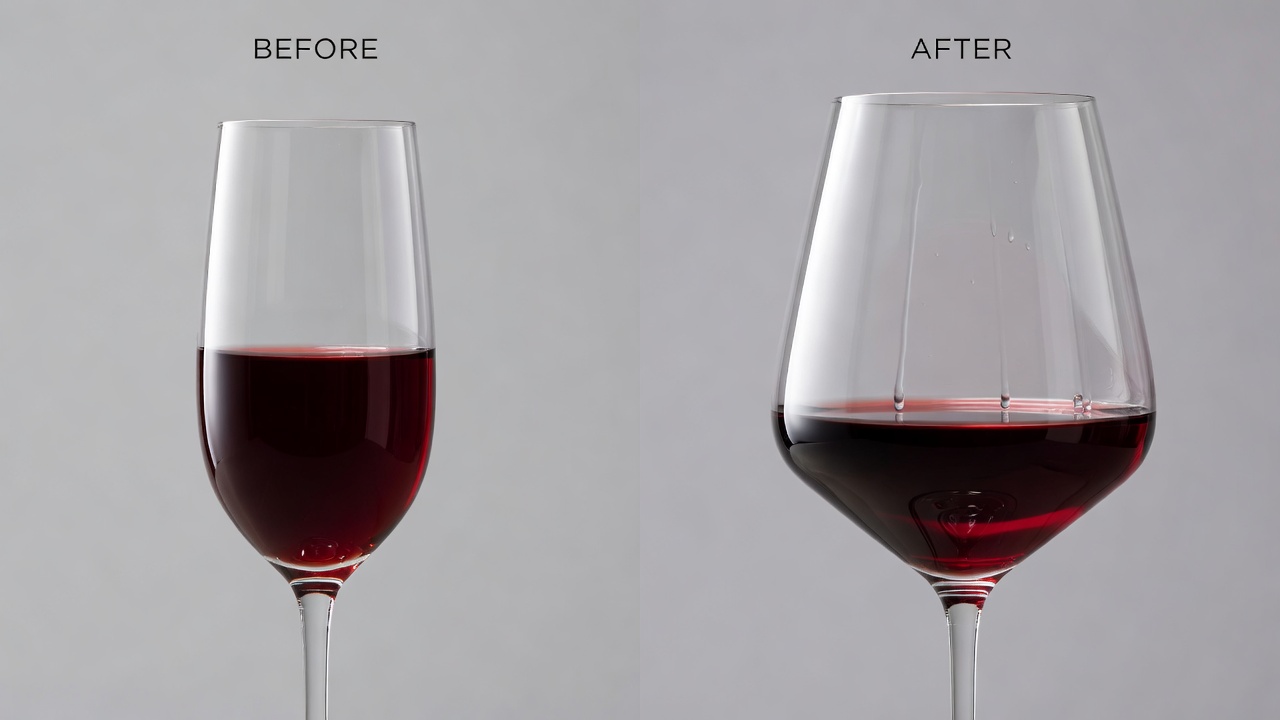
Wide-bowled glasses increase the air-wine interface, accelerating the release of desirable volatiles while minimizing harsh notes. Narrow glasses, by contrast, preserve delicate aromas in whites and sparkling wines by limiting evaporation. In practice, this means a Burgundy glass with its generous bowl can enhance the earthy notes of Pinot Noir within minutes, whereas a flute keeps the bubbles and citrus zest of Champagne intact far longer. Sommeliers often demonstrate this by conducting side-by-side tastings where the same wine expresses vastly different bouquets based solely on glass shape.
Temperature Retention Across Glass Types
Thermal conductivity varies significantly between materials. Thicker glass retains heat longer, which can warm wine too quickly in a restaurant setting, while thinner walls allow for more precise temperature control. Stemmed glasses help by distancing the bowl from hand warmth, maintaining ideal serving temperatures of 55–65°F for reds and 45–55°F for whites. This stability is critical because even a few degrees of fluctuation can mute aromas or exaggerate alcohol burn.
Double-walled or insulated designs, popular in 2026 sustainable lines, further stabilize temperatures during extended service. Practical testing reveals that crystal variants often outperform standard soda-lime glass in maintaining consistent chill for chilled varieties. Consider a scenario in a busy restaurant where multiple tables are served simultaneously: the right glass prevents a chilled Sauvignon Blanc from reaching room temperature before the second sip, preserving its crisp acidity and vibrant aromatics throughout the meal.
Crystal Versus Standard Glass: A Detailed Comparison
Crystal glass contains lead oxide or alternative metal oxides that enhance brilliance and allow for thinner, more durable walls. This results in superior light refraction and smoother rims that improve mouthfeel. Standard glass, while more affordable and recyclable, can impart subtle off-notes if not properly annealed. Crystal's superior clarity also lets diners appreciate the wine's color and viscosity, adding a visual dimension to the tasting experience.
- Crystal: Higher refractive index, better aroma concentration, premium feel, ideal for complex varietals.
- Standard glass: Cost-effective, widely available, sufficient for casual use but less optimal for nuanced wines where subtle differences matter.
- Lead-free crystal hybrids: Emerging 2026 favorites that combine performance with safety and sustainability.
Many sommeliers now prefer lead-free crystal for its balance of performance and safety, especially when serving high-end bottles where every nuance counts.
Practical Steps for Testing Decanting Times
Follow these evidence-based steps to experiment with different wines and glasses. Begin by selecting a controlled environment with consistent room temperature around 68°F. Use a digital wine thermometer and a timer to track changes objectively.
- Start with a young tannic red like Cabernet Sauvignon or Syrah.
- Pour equal amounts into a decanter and directly into both wide and narrow glasses.
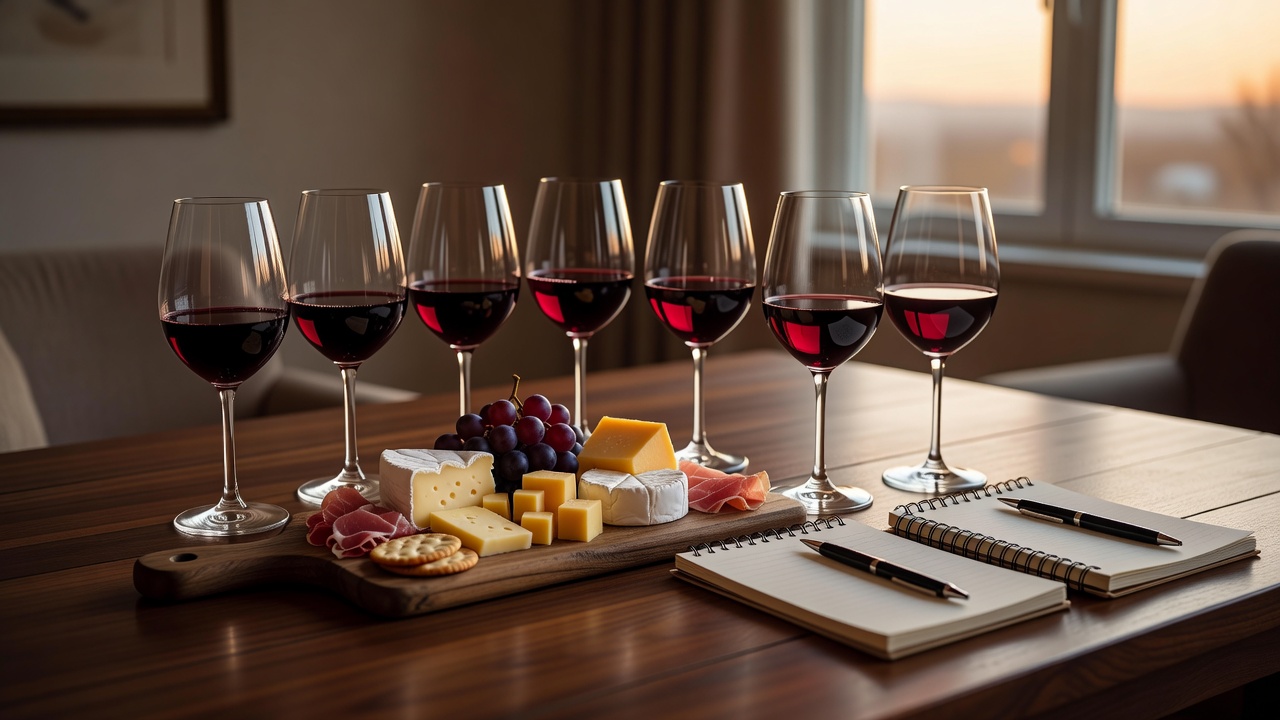
- Sample at 15-minute intervals, noting aroma intensity, tannin softness, and flavor evolution on a simple scorecard.
- Record temperature every 30 minutes using a digital thermometer to observe retention patterns.
- Repeat with whites, rosés, and sparkling wines to compare results across styles.
- Document mistakes such as over-decanting delicate wines or using the wrong glass shape.
Typical optimal decanting ranges from 30 minutes for lighter reds to 2 hours for robust vintages, adjusted by glass shape. Always taste before and after to avoid over-oxidation, a common pitfall that flattens fruit character.
Real-World Restaurant Service Examples
In high-end establishments, sommeliers decant aged Bordeaux in large crystal decanters 45–60 minutes before service to allow gentle oxidation without stripping complexity. For everyday whites, brief aeration in aromatic glasses suffices to release floral notes. These techniques have been refined through ongoing collaboration with researchers at institutions like UC Davis and the Wine Institute, where sensory panels validate glass and decanter pairings. In one notable case at a Michelin-starred venue, switching to wider bowls for a flight of Rhône wines increased guest satisfaction scores by highlighting peppery and herbal undertones that previously went unnoticed.
2026 Trends: Sustainable Materials and Innovation
Emerging options include recycled crystal blends and plant-based polymers that mimic traditional performance while reducing environmental impact. These materials often feature improved thermal properties suited to climate-conscious restaurants. Pairings with natural wines benefit particularly from these innovations, preserving delicate flavors without excessive aeration. Sommeliers are also adopting reusable, lightweight crystal sets that lower shipping emissions and align with global sustainability goals promoted by organizations such as Decanter.
Mistakes to Avoid When Decanting and Choosing Glasses
Common errors include using overly large decanters for light wines, which can cause rapid flavor loss, or selecting narrow glasses for bold reds that need oxygen. Another frequent oversight is ignoring stemware temperature: warm hands can raise the wine's temperature by several degrees within minutes. Always rinse glasses thoroughly to remove detergent residues that interfere with aroma perception, and avoid decanting older, fragile wines unless sediment is clearly present.
Beginner-Friendly FAQ
Does every wine need decanting?
No. Light whites and most sparkling wines improve little from decanting; focus on full-bodied reds with firm tannins.
How does glass shape affect taste?
Shape controls aroma delivery to the nose and oxygen exposure, directly altering perceived flavors and mouthfeel.
What is the best glass for beginners?
A versatile universal glass with a medium bowl works well across styles and reduces the need for multiple sets.
Can sustainable glasses match traditional crystal performance?
Yes, many 2026 options deliver comparable aeration and temperature control while meeting eco-certifications.
Conclusion
Mastering the science of wine glasses and decanting elevates both home and professional service. By applying these principles in 2026, you can consistently unlock the full potential of every bottle while embracing sustainable practices. Experiment methodically with the outlined steps, track your observations, and the results will speak for themselves in every glass.
No comments yet. Be the first!