 Uncorked Conversations
Introduction to Natural Wine Collecting on a Budget
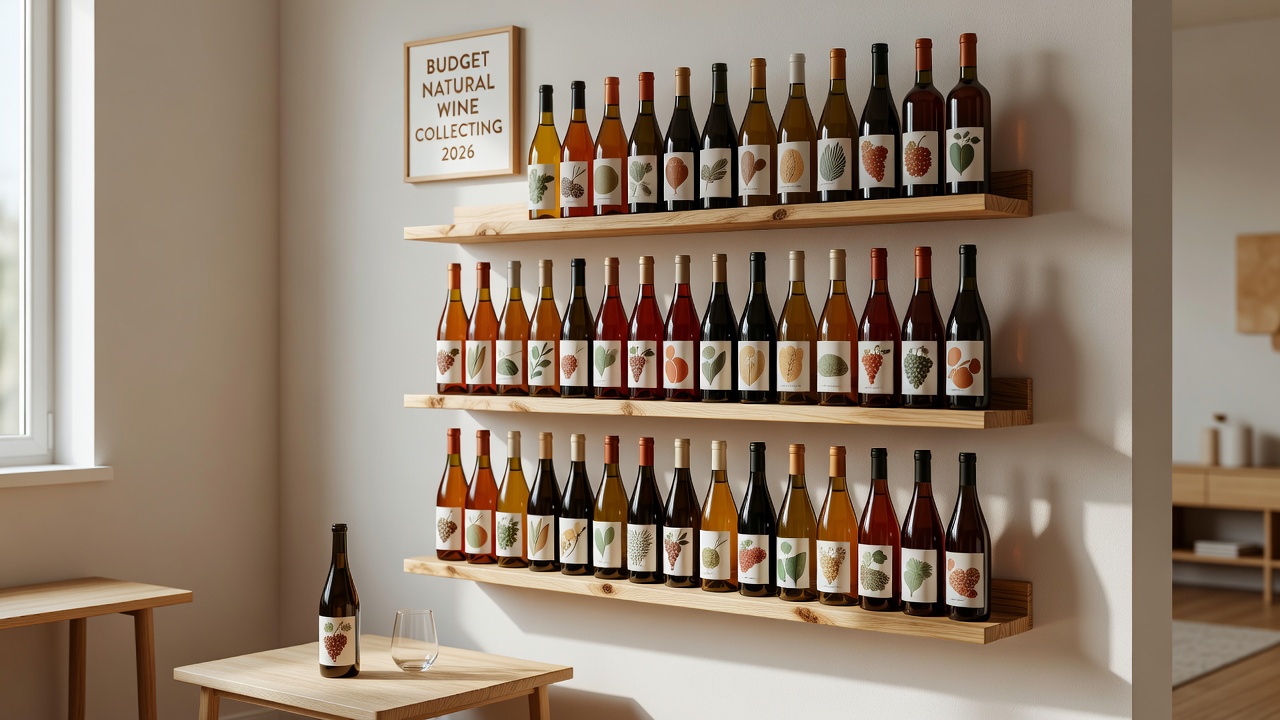
Building a natural wine collection in 2026 offers an exciting entry into wines made with minimal intervention. These include organic, biodynamic, and low-intervention varieties that emphasize sustainability and authenticity. Beginners can start without overspending by focusing on smart choices and practical habits that prioritize quality over quantity. Natural wines stand out because they often reflect the true character of the grape and terroir through hands-off winemaking approaches. This comprehensive guide explores every aspect of starting and growing such a collection successfully throughout the year.
Whether you are drawn to the earthy notes of biodynamic wines or the pure fruit expression in low-intervention bottles, the key lies in consistent learning and measured acquisition. Over time, your collection can become both a source of enjoyment and a reflection of evolving tastes. The process rewards patience and research rather than large initial investments.
Understanding Natural, Organic, Biodynamic, and Low-Intervention Wines
Natural wine typically means grapes grown without synthetic chemicals and fermented with native yeasts, resulting in distinctive flavors that vary from vintage to vintage. Organic wines follow certified farming practices that prohibit most synthetic pesticides and fertilizers, promoting healthier soil and ecosystems. Biodynamic wines take this further by incorporating holistic vineyard management aligned with lunar cycles and natural preparations. Low-intervention wines prioritize minimal additives in the cellar, allowing the raw materials to shine.
These categories frequently overlap, creating a spectrum of choices for collectors. Understanding the differences helps you select bottles that align with personal values around sustainability. Many producers blend elements from multiple approaches, so reading labels and producer stories becomes essential. This foundational knowledge prevents confusion when browsing and ensures your collection represents a thoughtful cross-section of styles.
Smart Sourcing Strategies for Affordable Wines
Direct purchases from wineries often yield the best prices and freshest bottles while supporting producers directly. Many small operations maintain online shops or offer local pickup that bypasses retail markups. Online marketplaces provide another avenue, allowing side-by-side comparisons across regions and producers. Farmers' markets and cooperative buying groups focused on natural wines also deliver value through reduced overhead.
Joining email lists from favored estates keeps you informed about limited releases at favorable terms. Exploring importer portfolios through specialty retailers can uncover hidden gems from lesser-known regions. Wine.com serves as a reliable platform for discovering vetted options with detailed producer information. Additionally, resources from Decanter offer guidance on emerging natural wine trends that can inform your buying decisions.
Budget Allocation Tips for Long-Term Success
Divide your overall wine budget into categories such as everyday drinking bottles, aging candidates, and occasional special acquisitions to maintain balance. Consistent monthly contributions rather than sporadic large purchases allow your collection to grow steadily without financial strain. Tracking every acquisition in a simple spreadsheet reveals patterns and prevents overspending on duplicates.
Reserve a smaller portion specifically for experimental bottles that broaden your palate. This disciplined allocation ensures room for both reliable favorites and new discoveries. Over months and years, the approach builds depth while keeping costs manageable and sustainable.
Step-by-Step Selection Criteria
Apply these detailed criteria when evaluating potential additions: verify farming certifications through trusted sources, examine producer transparency about winemaking practices, assess vintage conditions and regional suitability, and evaluate structural elements like acidity and tannin for aging potential. Begin with approachable grape varieties such as Gamay or Chenin Blanc that showcase natural methods effectively.
- Confirm organic or biodynamic certifications directly on labels or producer websites.
- Research winery reputation using established review platforms and importer notes.
- Prioritize wines from regions known for value-driven natural production.
- Taste for balance, complexity, and food-pairing versatility before committing to multiple bottles.
- Consider bottle size and closure type for practical storage considerations.
Comparisons of Value Options Across Wine Types
Red natural wines frequently deliver robust flavor profiles at accessible price points compared to more delicate whites that may command premiums in certain regions. Sparkling low-intervention options add celebratory variety without disproportionate expense when sourced from quality producers. Orange wines provide intriguing texture and color but benefit from careful research to identify strong value examples.
European regions like the Loire Valley and Sicily often present consistent entry points with strong natural credentials, whereas New World areas show greater variability depending on producer scale. Comparing styles side by side through small tastings highlights personal preferences and guides future allocations effectively.
Real-World Examples of Starter Bottles
Many quality starter options in the accessible price range introduce core natural wine principles effectively. Producers in the Loire Valley and Sicily regularly offer bottles that highlight native yeasts and minimal handling, providing clear examples of what to expect from organic and biodynamic methods. These selections allow beginners to explore flavor diversity before scaling up purchases.
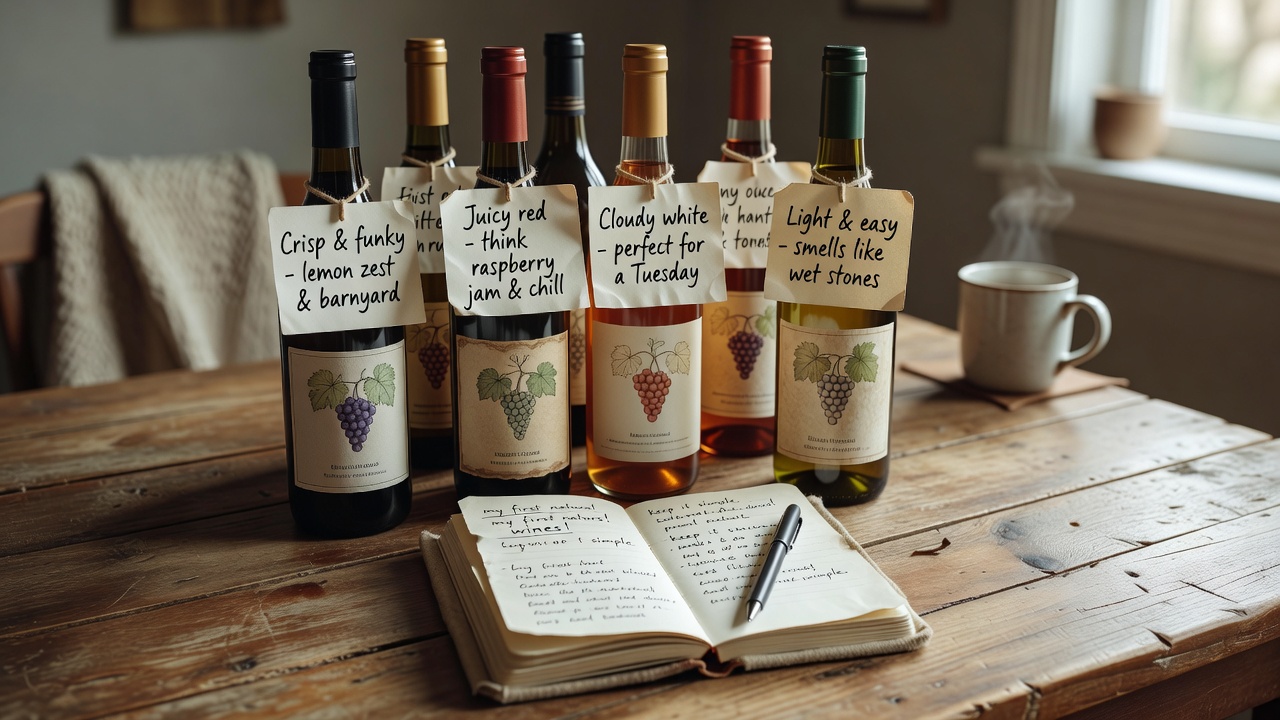
Pairing early acquisitions with simple meals demonstrates how natural wines complement food. Documenting tasting impressions creates a personal reference that improves selection accuracy over successive buys.
Storage Hacks for Small Spaces
Vertical wall-mounted racks or under-bed rolling units protect bottles from light exposure and temperature fluctuations in apartments. Aim for stable conditions near 55 degrees Fahrenheit with moderate humidity to preserve wine integrity. Insulated shipping boxes or closet organizers serve as temporary solutions when dedicated space is unavailable.
Avoid placing bottles near kitchens, windows, or heating elements that cause rapid changes. These practical adjustments maintain quality comparable to larger cellars while fitting urban living constraints.
Seasonal Buying Advice
Spring and fall align with harvest cycles, often bringing fresh releases ideal for natural wine enthusiasts seeking vibrant expressions. Summer favors lighter, chilled styles perfect for outdoor occasions, while winter calls for structured reds suited to hearty pairings. Monitoring seasonal importer arrivals and winery newsletters helps time purchases for optimal freshness and selection.
This rhythm prevents overbuying during off-peak periods and ensures your collection evolves with the calendar year.
Practical Checklists for Beginners
- Define collection goals including preferred styles, regions, and aging intentions.
- Identify and research three reliable sourcing channels within the first month.
- Sample and evaluate at least five bottles using established selection criteria.
- Implement basic storage solutions suited to your living space.
- Record details of your first ten acquisitions including impressions and purchase context.
- Review progress quarterly and adjust budget or focus areas accordingly.
Common Mistakes to Avoid
Many new collectors purchase too many bottles at once without tasting first, leading to storage issues and wasted funds. Ignoring proper storage conditions accelerates spoilage even in affordable wines. Overlooking producer transparency can result in bottles that do not meet natural wine expectations. Failing to diversify across styles limits the educational value of the collection.
By recognizing these pitfalls early, you can maintain momentum and enjoyment throughout the collecting process.
Frequently Asked Questions
How do I know if a wine is truly natural?
Examine labels for certifications and seek producer statements detailing farming and cellar practices. Direct conversations with retailers or importers often provide the clearest confirmation.
What if my budget is very limited?
Acquire one carefully chosen bottle per month and participate in shared tastings or clubs to expand exposure economically.
Can natural wines age well?
Many examples with balanced structure develop beautifully over several years when stored correctly. Monitoring and occasional opening help gauge progress.
Should I focus on one region initially?
Starting narrow builds expertise quickly before branching out to other areas for broader perspective.
How important are certifications?
They offer helpful guidance but do not replace personal research into actual production methods used by each winery.
Conclusion
Starting a natural wine collection on a budget in 2026 is fully achievable through deliberate sourcing, measured budgeting, and ongoing education. Applying the strategies outlined here supports both immediate enjoyment and long-term growth. Continue refining your approach based on experience to create a collection that remains rewarding for years ahead.
No comments yet. Be the first!