 Uncorked Conversations
Introduction to Regenerative Viticulture in Natural Winemaking
In 2026, wine enthusiasts seeking sustainable options are turning to regenerative viticulture as a transformative approach. This method goes beyond basic organic practices by actively restoring ecosystems in vineyards. For natural wines, which emphasize minimal intervention, regenerative techniques enhance grape quality while aligning with eco-conscious values. Consumers interested in organic wine, biodynamic wine, and low-intervention wine production will find this guide essential for understanding how soil restoration and biodiversity create superior results.
Unlike conventional farming that depletes resources, regenerative viticulture focuses on long-term resilience. It supports the production of wines that reflect their terroir authentically, appealing to those who prioritize ethics and flavor.
What Is Regenerative Viticulture?
Regenerative viticulture applies principles of regenerative agriculture specifically to grape growing. It aims to improve soil structure, increase organic matter, and foster living ecosystems rather than merely sustaining them. Core practices include cover cropping, reduced tillage, rotational grazing, and composting. These methods restore degraded land and build carbon-rich soils that support healthier vines.
This approach differs from standard organic farming by emphasizing measurable ecological gains. For natural wine producers, it means grapes grown without synthetic inputs, leading to more vibrant and complex expressions in the bottle.
Comparing Regenerative Methods to Conventional Viticulture
Conventional viticulture often relies on synthetic fertilizers, pesticides, and intensive irrigation, which can degrade soil over time and reduce biodiversity. In contrast, regenerative practices minimize or eliminate these inputs. Studies from agricultural authorities show regenerative vineyards can sequester more carbon and retain water better during droughts.
Key differences include:
- Soil health: Regenerative methods build humus layers, while conventional approaches may lead to erosion.
- Biodiversity: Diverse plantings and wildlife habitats thrive under regenerative systems.
- Chemical use: Drastic reductions in herbicides and fungicides protect both vines and surrounding environments.
These contrasts make regenerative viticulture particularly suited for natural wines, where purity is paramount.
Core Benefits: Soil Health Restoration
Healthy soil forms the foundation of regenerative success. Practices like planting cover crops and applying compost increase microbial activity and nutrient cycling. This results in grapes with improved resilience to climate stresses such as heatwaves or irregular rainfall common in 2026 growing seasons.
Enhanced soil biology also contributes to better water infiltration and retention, reducing the need for supplemental irrigation. Wineries adopting these methods report stronger vine root systems that access deeper nutrients, yielding fruit with balanced acidity and concentrated flavors ideal for low-intervention winemaking.
Biodiversity Enhancement in Vineyards
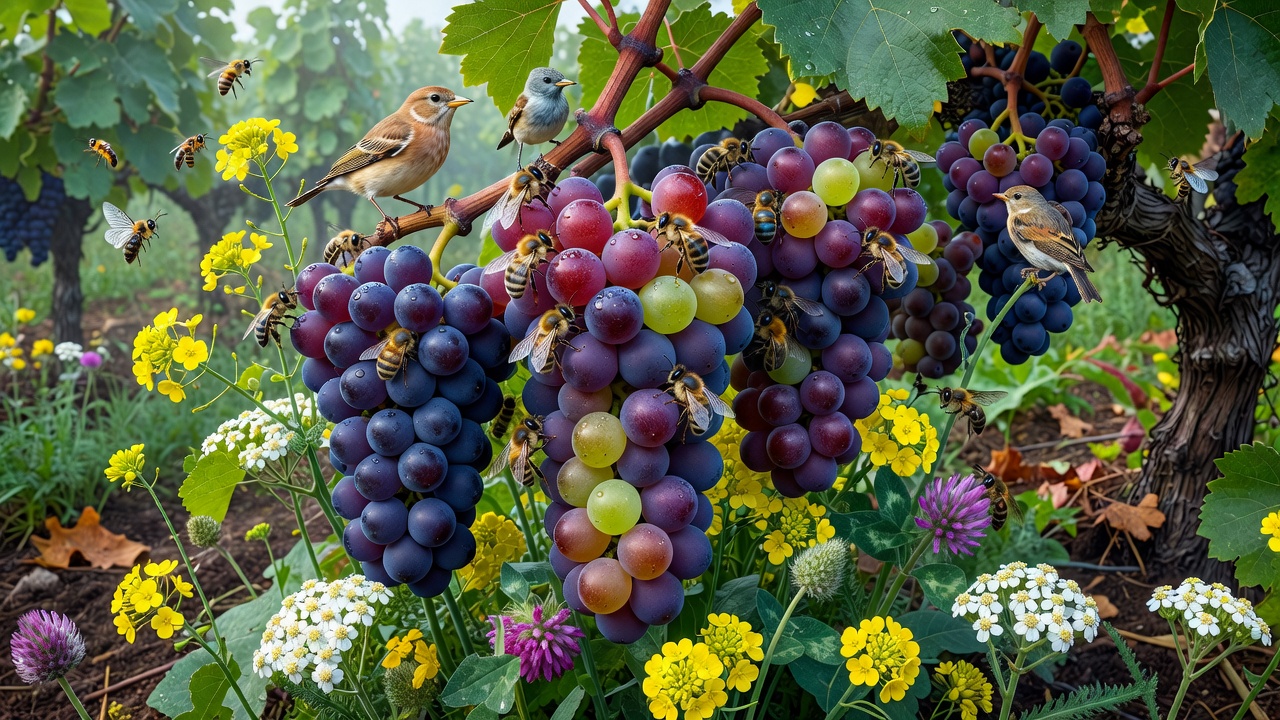
Regenerative viticulture promotes on-farm biodiversity through hedgerows, insectaries, and polycultures. This creates habitats for beneficial insects, birds, and pollinators that naturally control pests. For natural wine production, this ecological balance minimizes disease pressure without chemical interventions.
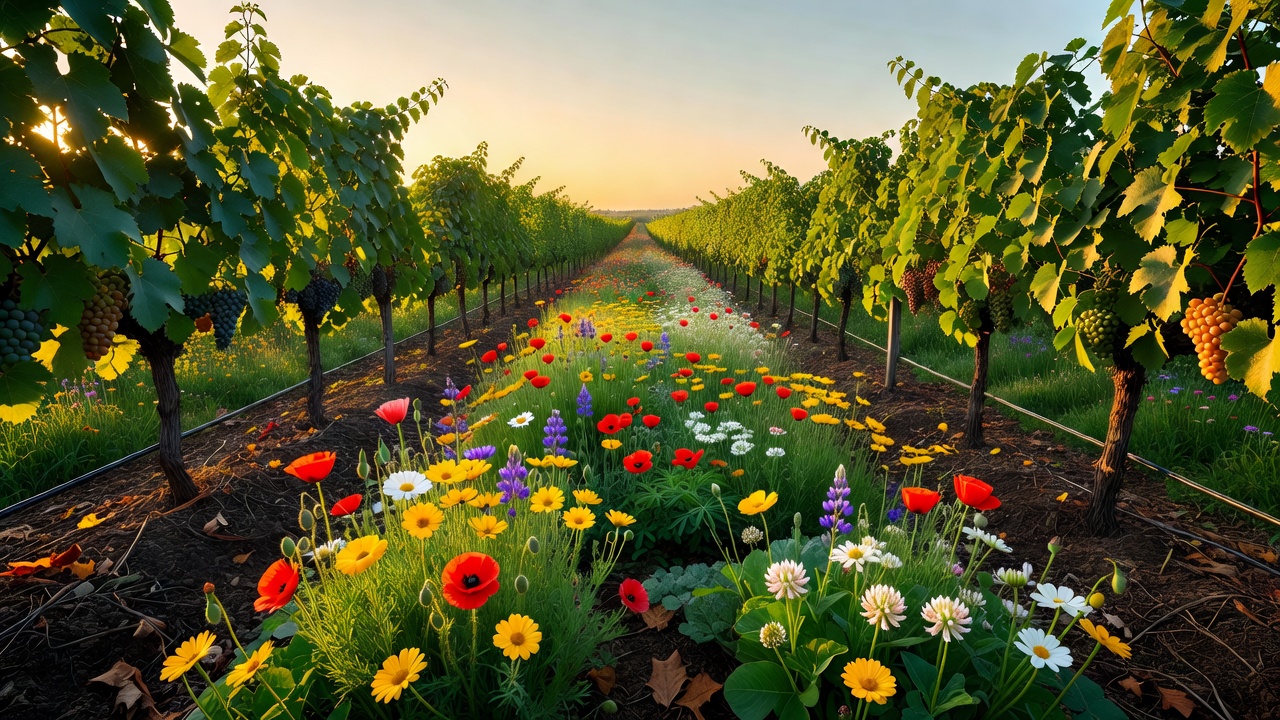
Examples include interplanting native grasses and flowers between vine rows. Such diversity not only supports wildlife but also improves overall vineyard microclimates, leading to more consistent grape ripening and unique flavor profiles in the resulting wines.
FAO resources highlight how biodiversity in agricultural systems contributes to long-term sustainability worldwide.
Reduced Chemical Use and Its Impact
By prioritizing biological controls and soil amendments, regenerative viticulture significantly cuts synthetic chemical applications. This aligns perfectly with natural wine philosophies that avoid additives and processing aids. Reduced chemical loads also protect groundwater and worker health while preserving beneficial soil organisms.
Over time, vineyards transition to self-regulating systems where vines exhibit natural resistance. This leads to cleaner fruit and wines that express their origins more transparently.
Real-World Examples from Leading 2026 Wineries
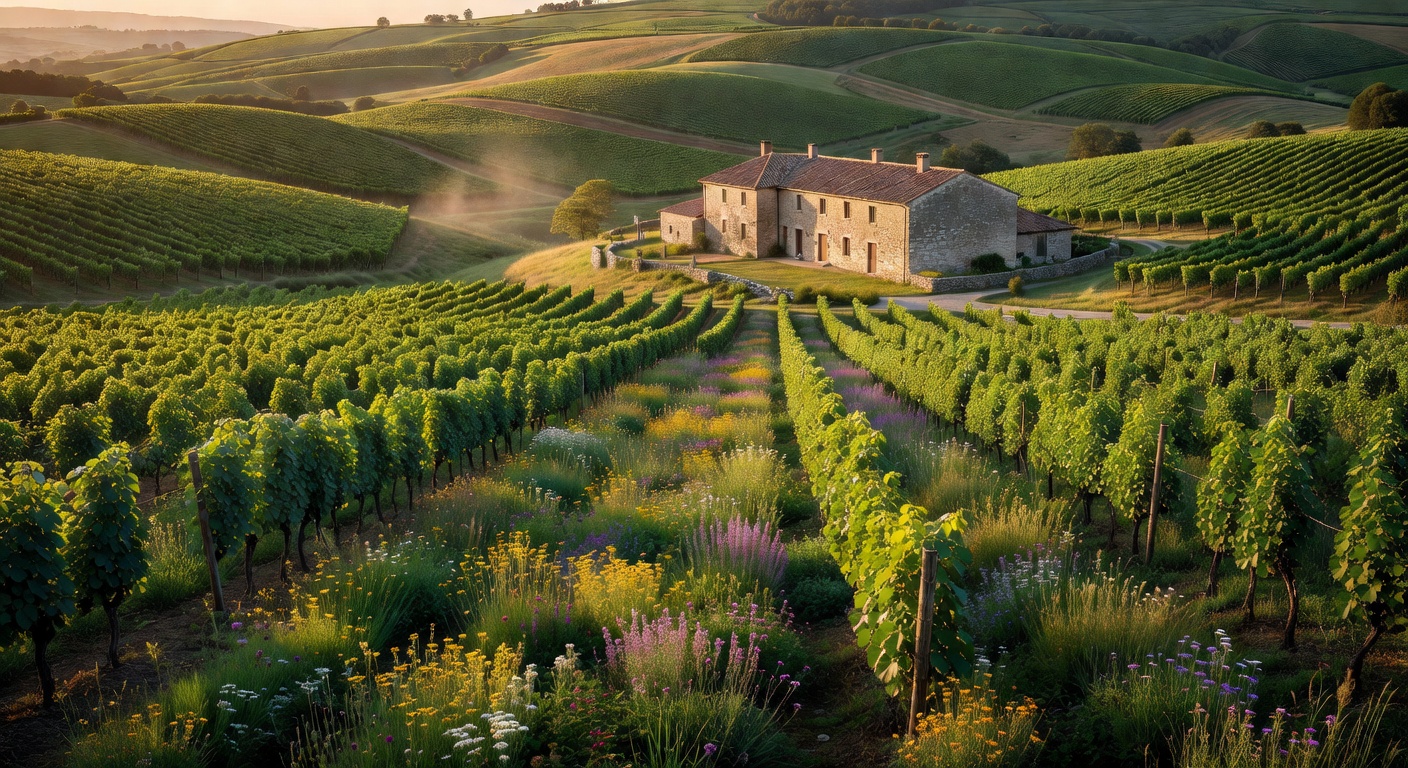
Several pioneering estates demonstrate these benefits in practice. In California’s Sonoma County, a regenerative-certified winery has documented improved grape resilience through soil monitoring programs initiated in prior years. Similarly, estates in France’s Loire Valley integrate sheep grazing between vines to manage cover crops, enhancing both biodiversity and soil fertility for their natural wine cuvées.
These cases illustrate measurable outcomes like higher yields during challenging weather and wines with greater aromatic complexity, attracting eco-minded consumers.
Step-by-Step Guide to Implementing Regenerative Techniques
Beginners can start small with these actionable steps:
- Assess current soil conditions through testing for organic matter and microbial life.
- Introduce cover crops suited to local climate, such as clover or rye, to prevent erosion.
- Reduce tillage to preserve soil structure and carbon stores.
- Incorporate compost or manure teas to boost fertility naturally.
- Plant hedgerows and flowering borders to attract beneficial insects.
- Monitor progress annually and adjust based on biodiversity indicators.
Many wineries begin with pilot blocks before scaling across entire properties.
Addressing Common Questions: Taste, Ethics, and FAQs
Does regenerative viticulture change wine taste? Yes, often for the better—resulting in fresher, more vibrant profiles due to healthier grapes and living soils.
Ethical considerations include supporting farms that prioritize planetary health alongside quality. Consumers appreciate knowing their choices contribute to carbon sequestration and habitat restoration.
Frequently Asked Questions
- How does it compare to biodynamic wine? Regenerative practices complement biodynamic principles but focus more on measurable soil outcomes.
- Are these wines more expensive? Pricing varies by producer, but the emphasis remains on quality and sustainability rather than cost.
- Can small vineyards adopt these methods? Absolutely, many start with simple cover cropping and expand gradually.
USDA NRCS provides further guidance on soil health practices applicable to vineyards.
Conclusion
Regenerative viticulture offers compelling advantages for natural wines in 2026 by rebuilding ecosystems from the ground up. From enhanced soil vitality to richer biodiversity and cleaner production, these methods deliver wines that taste exceptional while supporting environmental goals. Whether you are new to sustainable viticulture or deepening your knowledge, adopting these insights helps you choose bottles that align with both palate and principles.
No comments yet. Be the first!