 Uncorked Conversations
Introduction to Low-Intervention Winemaking in 2026
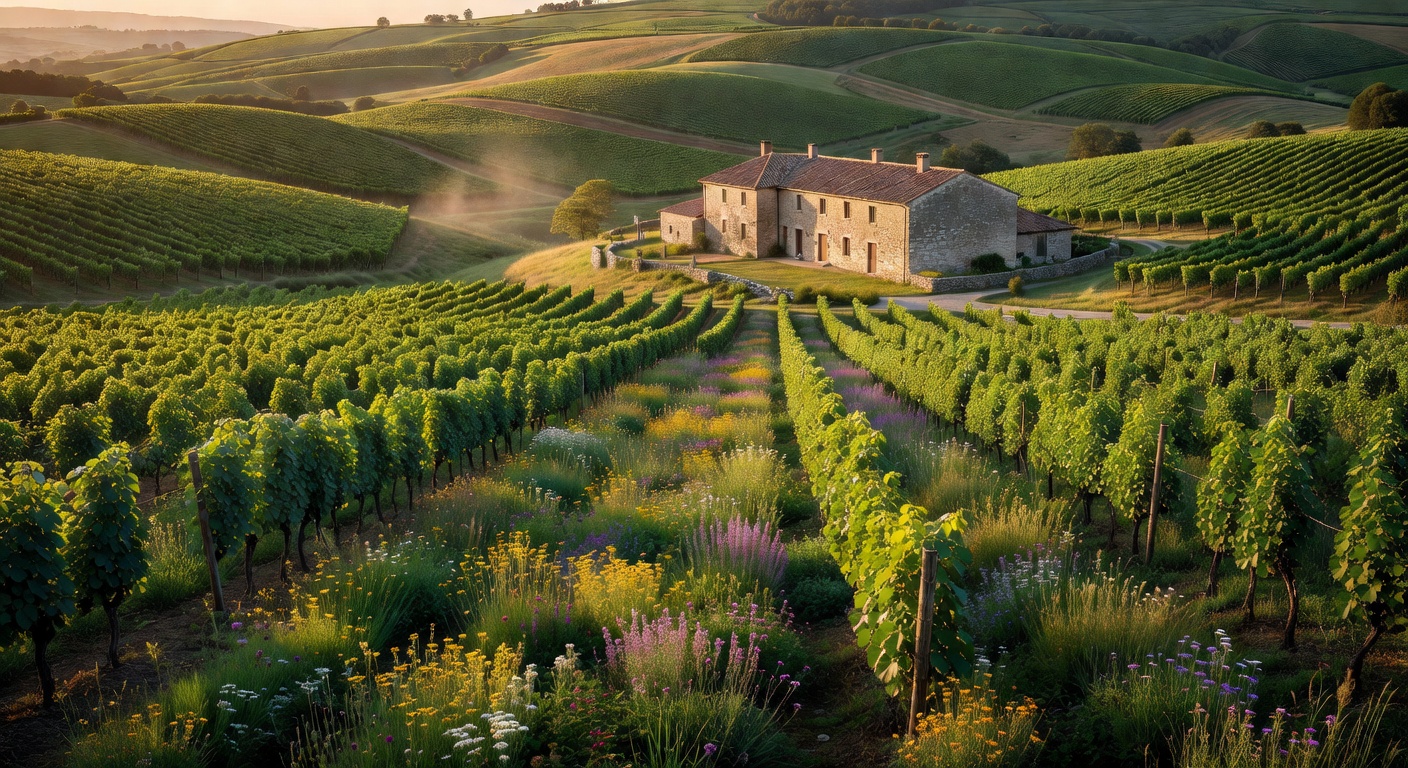
Low-intervention winemaking represents a philosophy of minimal interference, where the focus shifts from technological manipulation to allowing the vineyard's natural ecosystem to guide the final product. This encompasses organic certification, biodynamic preparations, spontaneous fermentations with native yeasts, and restrained use of sulfur dioxide. In 2026, the approach has gained urgency as climate patterns shift and consumers prioritize transparency and environmental stewardship in their wine choices.
Wineries adopting these methods often experience enhanced biodiversity, reduced input costs over time, and wines that better reflect their specific terroir. The techniques demand patience and observation rather than quick fixes, leading to measurable improvements in soil vitality and distinctive aromatic profiles that stand out in blind tastings.
Understanding the Core Principles Behind Low-Intervention Methods
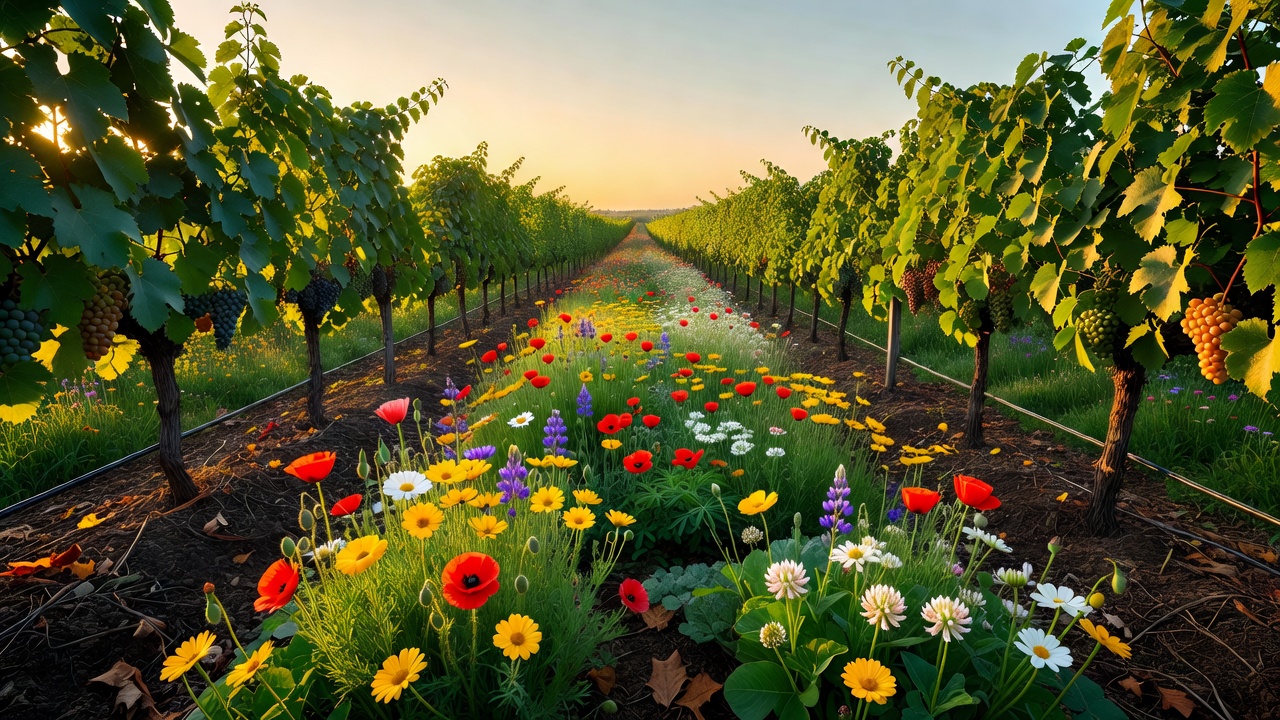
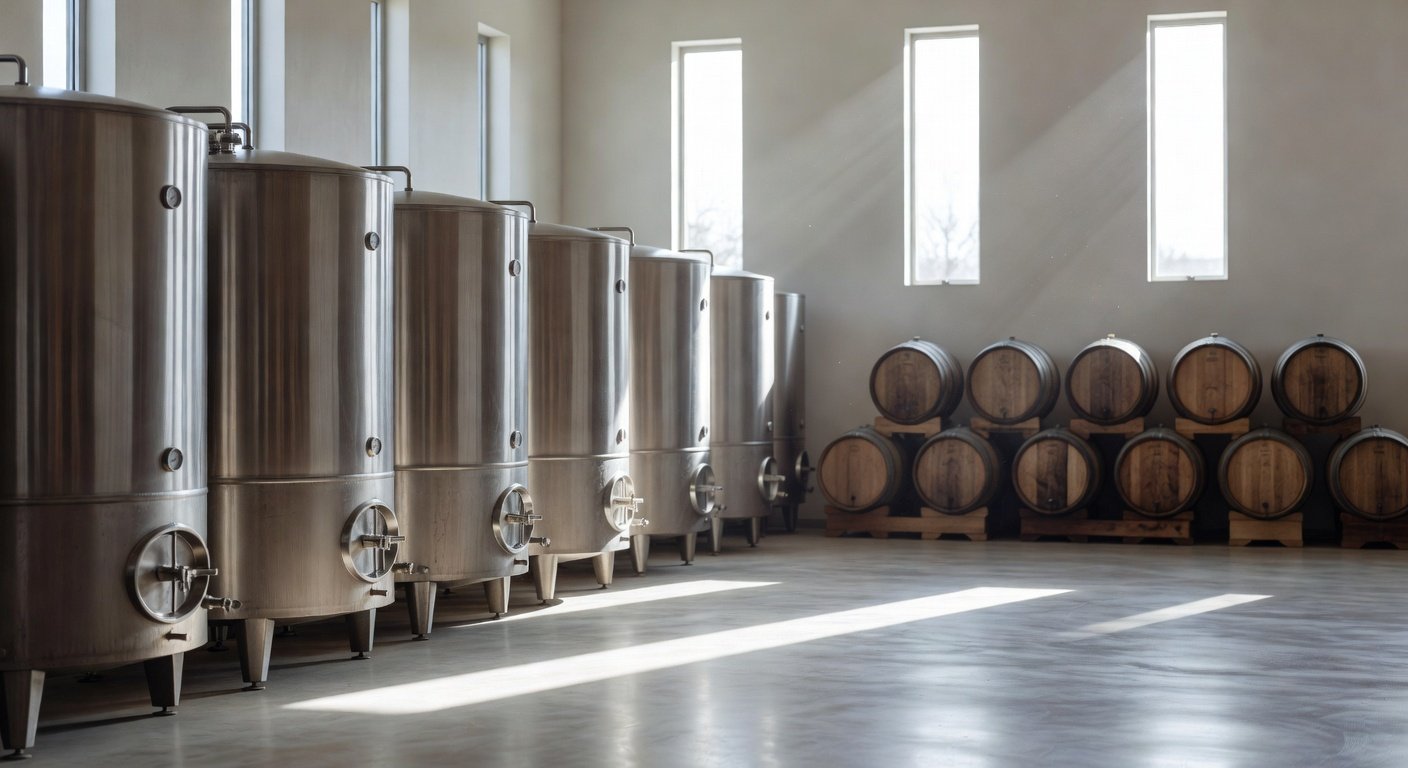
At its foundation, low-intervention winemaking rejects synthetic pesticides, herbicides, and fertilizers. Instead, practitioners rely on compost teas, cover crops, and beneficial insects for vineyard health. Fermentation occurs without commercial yeast strains, and aging often takes place in neutral vessels like concrete eggs or old oak to avoid overpowering flavors. These choices preserve the grape's inherent characteristics while fostering resilience against weather extremes common in 2026.
Case Study 1: Domaine de la Côte in Burgundy, France
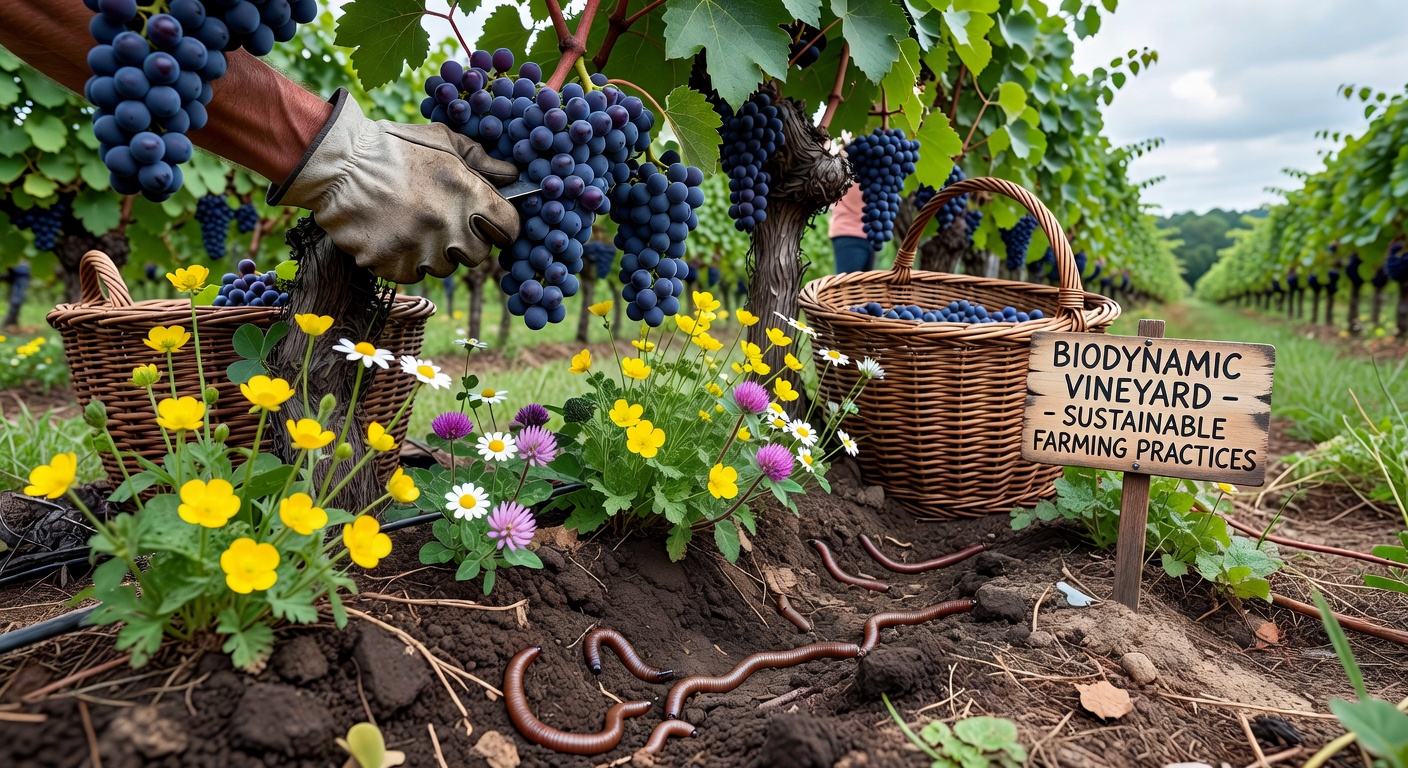
Domaine de la Côte began its biodynamic conversion in 2020 and reached full certification by 2025. The team introduced horn manure preparations and lunar cycle timing for key tasks. By 2026, soil tests revealed a 35 percent rise in earthworm populations and improved water retention during dry spells. Their Pinot Noir wines now display layered notes of forest floor and red fruit, attributed to the living soil microbiome. Challenges included initial yield drops during transition, addressed through meticulous pruning and companion planting of herbs. Winemaker Claire Moreau states, "Biodynamics taught us to listen to the land rather than control it."
Case Study 2: Ridge Vineyards in California, USA
Ridge Vineyards has long championed natural techniques across its Monte Bello estate. In 2026 they emphasize spontaneous fermentation and whole-cluster pressing for select lots. Outcomes include wines with firmer structure and reduced oxidation risk due to careful oxygen management. They overcame 2025 drought pressures by installing subsurface drip systems fed by rainwater collection. Expert Paul Draper emphasizes the value of site-specific decisions, noting how native yeast populations contribute unique complexity absent in inoculated ferments.
Case Study 3: Azienda Agricola COS in Sicily, Italy
COS continues its pioneering use of amphorae for aging, allowing micro-oxygenation without additives. Since expanding their organic acreage in 2023, they documented a 30 percent increase in soil organic matter through regular composting and minimal tillage. Their wines exhibit pronounced mineral and herbal notes that evolve gracefully in bottle. Regional heatwaves posed challenges, solved by strategic canopy management and late-harvest selections for balance.
Case Study 4: Emiliana Vineyards in Chile
Emiliana scaled biodynamic practices across thousands of hectares by 2026, using satellite monitoring to track vine stress without chemical interventions. They report stronger root systems and improved resistance to pests. Practical outcomes include wines with brighter acidity and cleaner fruit expression. The transition involved training hundreds of workers in holistic farming, resulting in community-wide adoption of similar methods on neighboring farms.
Case Study 5: Burnt Hill Winery in New Zealand
Burnt Hill focused on regenerative grazing with sheep between rows to build soil fertility. By 2026, biodiversity surveys showed a doubling of beneficial insect species. Their Sauvignon Blanc displays enhanced tropical and grassy nuances from the living soil. They navigated heavy rainfall events through improved drainage using natural swales rather than synthetic solutions.
Regional Comparisons of Low-Intervention Techniques
European producers in Burgundy and Sicily tend to emphasize hand labor and traditional vessels, yielding elegant, age-worthy wines. California and Chilean operations integrate data-driven monitoring tools while maintaining chemical-free protocols, enabling larger-scale consistency. New Zealand estates like Burnt Hill blend pastoral elements with viticulture for holistic ecosystem benefits. Climate differences dictate adaptations: Mediterranean sites prioritize water conservation, while cooler regions focus on ripeness management through canopy tweaks.
Across regions, common threads include reliance on biodiversity for pest control and a shared goal of expressing vintage variation rather than masking it.
Practical Steps for Implementing Low-Intervention Techniques
Transitioning requires a structured approach. Begin with a comprehensive soil analysis from a certified lab to establish baselines. Next, eliminate synthetic inputs over two to three seasons while introducing compost and cover crops suited to local conditions. Implement biodynamic preparations if pursuing full certification, timing applications according to lunar calendars. Experiment with small-batch spontaneous fermentations to observe native yeast behavior before scaling. Track key metrics such as pH, brix, and malic acid levels weekly during harvest. Finally, document all practices meticulously for certification audits.
- Year one: Map vineyard zones and plant diverse cover crops.
- Year two: Introduce beneficial insects and reduce tillage.
- Year three: Apply for organic status and refine fermentation protocols.
Measuring Outcomes and Sustainability Impacts
Quantifiable benefits emerge over time. Data from FAO indicates biodynamic vineyards can increase soil carbon sequestration by 15-25 percent within five years. USDA reports highlight reduced water consumption of up to 20 percent in transitioned operations. Additional insights from EPA underscore biodiversity gains that support long-term vineyard health amid 2026 climate pressures.
Tips for a Successful Transition and Mistakes to Avoid
Network with regional natural wine associations for mentorship. Avoid rushing certification; focus first on soil health. Common pitfalls include over-pruning early or ignoring vintage-specific adjustments. Consistent record-keeping prevents compliance issues later.
FAQ
What defines low-intervention winemaking exactly?
It prioritizes native processes, avoiding synthetic chemicals, added yeasts, and heavy filtration to let the wine reflect its origin.
How long does the full transition typically require?
Most estates need three years for organic certification and another two for biodynamic integration.
Do these methods work on large estates?
Yes, as demonstrated by Emiliana's scaled success through systematic training and monitoring.
What flavor differences can drinkers expect?
Greater purity, vibrant acidity, and terroir-driven nuances often emerge compared to conventional wines.
Are there risks during extreme weather years?
Yes, but healthy soils from these practices improve resilience against drought and heavy rain.
Where can beginners find reliable resources?
Start with local agricultural extensions and organizations focused on sustainable viticulture.
Conclusion
The 2026 case studies illustrate that low-intervention winemaking delivers both environmental and sensory rewards. By studying these examples and following practical steps, aspiring producers can navigate challenges while creating wines of distinction and integrity. The path rewards observation, adaptability, and respect for natural systems.
No comments yet. Be the first!