 Uncorked Conversations
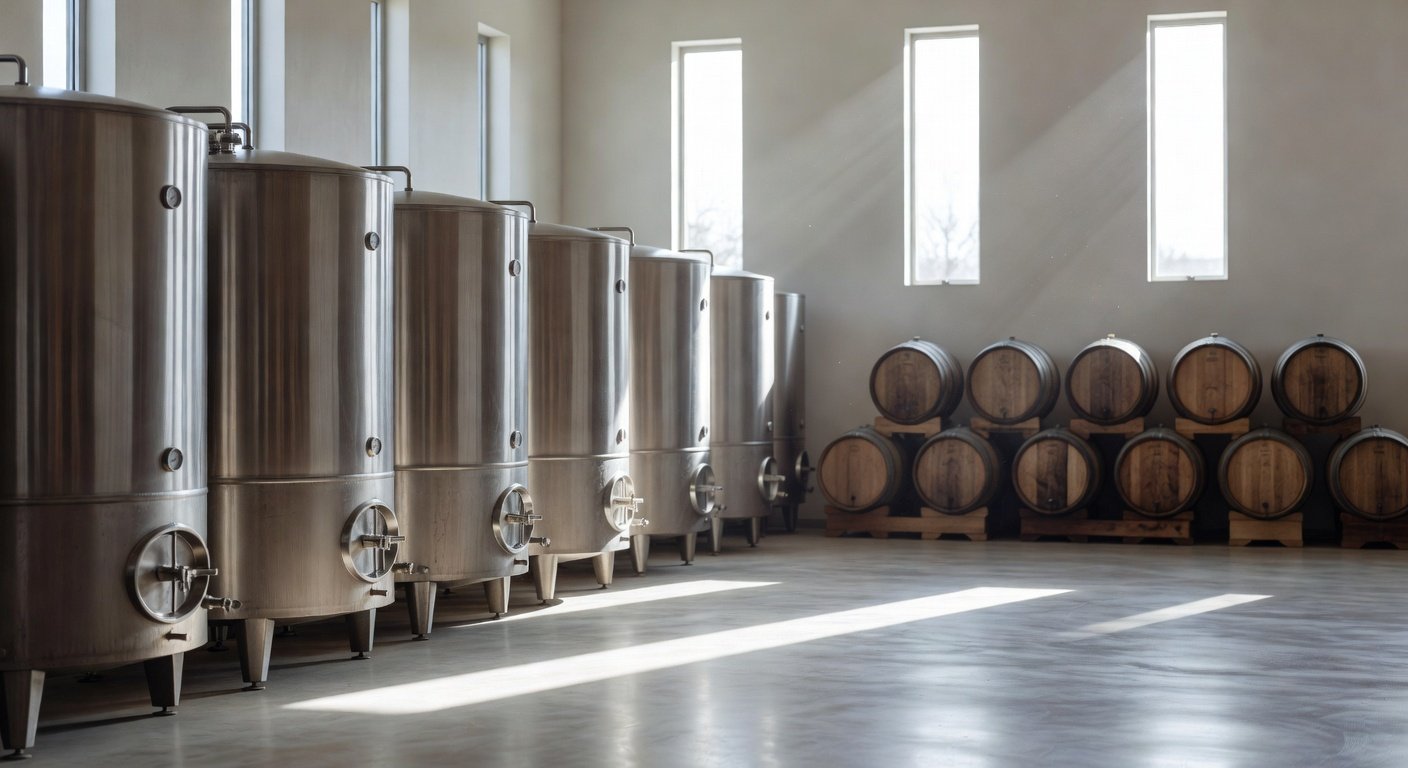
Introduction to Advanced Low-Intervention Fermentation
Low-intervention winemaking prioritizes minimal human interference to let the vineyard's natural elements shine through in the final bottle. As we move into 2026, wine enthusiasts and aspiring small-scale producers are increasingly drawn to advanced fermentation techniques that build on foundational natural methods. These approaches focus on harnessing wild yeasts, mastering precise environmental controls, and limiting sulfur additions to create wines with heightened authenticity and complexity. Unlike basic guides that stop at spontaneous fermentation, this deep dive explores the underlying science, practical implementation, and real-world applications tailored for organic, biodynamic, and low-intervention producers. By understanding these methods, you can elevate quality while reducing reliance on commercial additives, resulting in wines that truly express their origin.
The Science of Wild Yeast Selection
Wild yeasts present in the vineyard and winery environment form the backbone of low-intervention fermentation. These native microorganisms, including species like Saccharomyces cerevisiae alongside non-Saccharomyces strains, contribute unique flavor compounds such as esters and phenols that commercial yeasts often cannot replicate. Selection begins with monitoring spontaneous fermentations from specific vineyard parcels, noting parameters like fermentation speed, alcohol tolerance, and sensory profiles. Producers isolate promising strains through repeated culturing and testing in small-scale trials. This process enhances varietal expression but demands vigilance against inconsistent performance or off-aroma development. Research from institutions like the International Organisation of Vine and Wine highlights how microbial biodiversity supports resilient ecosystems in the winery. In practice, pairing wild yeasts with biodynamic vineyard practices amplifies their effectiveness, leading to wines with greater depth and nuance compared to inoculated ferments.
Temperature Control Strategies
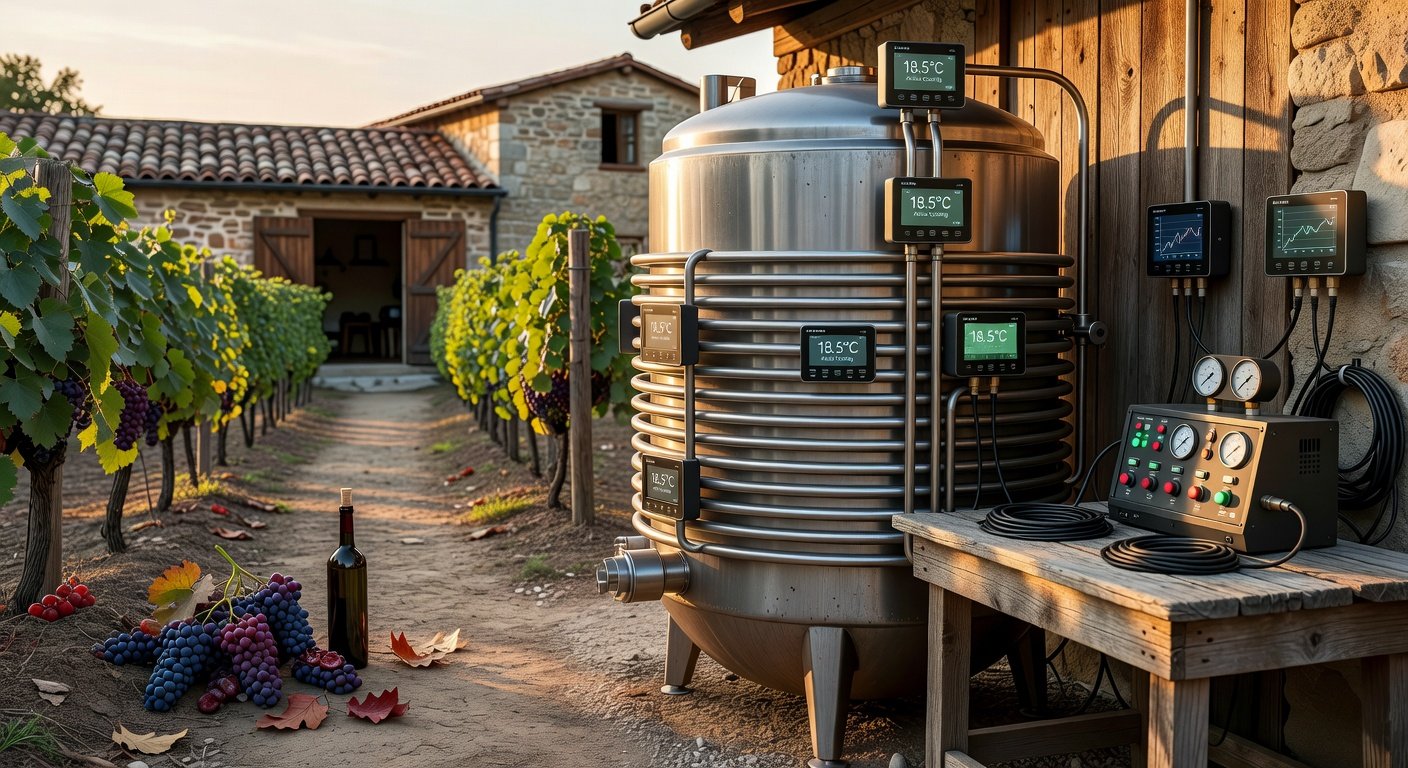
Effective temperature management is critical in low-intervention settings because it directly influences yeast activity, extraction rates, and aromatic preservation. For red wines, target ranges of 24 to 28 degrees Celsius during active fermentation promote balanced tannin and color extraction without overheating that could produce volatile acidity. White and rosé wines require cooler conditions between 12 and 16 degrees Celsius to retain fresh fruit notes and prevent premature yeast stress. Advanced techniques incorporate variable temperature profiles, starting cooler for a slow start and gradually increasing to complete fermentation. Equipment such as glycol-jacketed tanks paired with automated sensors allows precise adjustments based on real-time data. Small producers often use insulated bins with ice packs or ambient cellar cooling as cost-effective alternatives. Consistent monitoring prevents temperature spikes that stress yeasts and lead to stuck fermentations, ensuring the process remains truly low-intervention while achieving reliable results.
Minimal Sulfur Use in Practice
Minimizing sulfur dioxide while protecting wine integrity requires strategic timing and complementary techniques. Additions are often delayed until after malolactic fermentation completes, allowing natural microbial competition to stabilize the wine first. Producers measure free and total sulfur levels frequently, aiming for totals below 50 parts per million where possible. Antioxidants like tannin extracts or ascorbic acid can supplement protection during aging. The International Organisation of Vine and Wine outlines standards that support reduced-sulfur approaches for certified organic wines. In 2026, many estates combine these methods with rigorous sanitation protocols and inert gas flushing during racking to further lower sulfur needs without compromising shelf life or quality.
Step-by-Step Low-Intervention Fermentation Process
Implementing these techniques follows a structured yet flexible sequence. Begin with selective harvesting at peak physiological ripeness, followed by gentle sorting to remove any compromised fruit. Destem and crush into fermenters, allowing native yeasts on grape skins to initiate activity within hours. Track temperature hourly in the first days, adjusting cooling systems as needed. Perform manual punch-downs or gentle pump-overs two to three times daily during peak activity to manage the cap and promote even extraction. Conduct daily laboratory checks for sugar depletion, pH, and volatile acidity. Once primary fermentation slows, transfer to barrels or tanks for malolactic conversion if desired, then assess sulfur requirements through precise analysis. Finally, age on lees for texture development before bottling under minimal intervention conditions. This methodical approach ensures control without over-manipulation.
Comparisons to Conventional Fermentation
Conventional fermentation relies on selected commercial yeast strains and higher sulfur doses to guarantee consistency across large volumes. In contrast, low-intervention methods embrace variability for superior aromatic complexity and terroir reflection. While conventional wines may ferment faster and more predictably, they often lack the layered mouthfeel and microbial-derived nuances found in wild fermentations. Low-intervention wines typically show higher acidity retention and lower alcohol potential due to slower kinetics. However, they carry elevated risks of spoilage that require proactive solutions like enhanced hygiene and environmental monitoring. Many 2026 producers blend elements of both worlds, using wild yeasts for primary fermentation followed by minimal conventional safeguards only when necessary.
Real-World Examples from 2026 Producers
Leading estates demonstrate these techniques successfully at scale. In Oregon's Willamette Valley, a small biodynamic winery has refined wild yeast isolation from its own Pinot Noir blocks, resulting in wines with pronounced earth and red fruit notes that earned acclaim in recent tastings. Burgundy producers integrate temperature zoning within their cellars to mimic historical practices while incorporating modern sensors for precision. In South Africa, estates focus on minimal sulfur regimens supported by extensive lees aging, producing stable natural wines exported globally. These examples illustrate how adapting techniques to local climates and grape varieties yields distinctive outcomes that resonate with discerning consumers seeking authenticity.
Potential Pitfalls and Solutions
Common challenges include stuck fermentations caused by nutrient deficiencies or temperature extremes; solutions involve gentle aeration or organic nutrient additions like yeast hulls. Oxidation risks during transfers are mitigated by CO2 blanketing and rapid processing. Off-flavors from Brettanomyces can be prevented through strict barrel sanitation and pH management below 3.6. Scaling issues in small vineyards often stem from inconsistent monitoring—addressed by maintaining detailed digital logs and investing in affordable portable lab equipment. Proactive education and trial batches help avoid these pitfalls while building confidence in advanced methods.
Scaling Techniques for Small Vineyards
Small operations can successfully scale by starting with micro-ferments of 100 to 300 liters to test variables before committing larger volumes. Modular cooling systems and wireless sensors provide professional-grade control without massive infrastructure costs. Collaboration with regional enology labs supports yeast propagation, and participation in natural wine networks offers shared knowledge on best practices. The Food and Agriculture Organization resources on sustainable viticulture further guide vineyard-level decisions that enhance fermentation outcomes. Consistent record-keeping across vintages allows refinement and helps identify patterns unique to each site.
FAQs on Common Challenges
How do I select reliable wild yeasts?
Start by observing spontaneous ferments from healthy, unsprayed grapes and conduct sequential small-batch trials to identify strains with strong fermentation kinetics and desirable sensory attributes.
What temperature fluctuations are acceptable?
Keep daily variations under 2 degrees Celsius during active phases to maintain yeast health and prevent metabolic stress that leads to off-compounds.
Is zero sulfur possible?
Many producers achieve totals under 30 parts per million through impeccable sanitation, anaerobic handling, and strategic use of natural antioxidants, though complete elimination depends on wine style and storage conditions.
How can I monitor fermentation progress without advanced labs?
Use basic hydrometers for sugar tracking, pH strips for acidity, and sensory evaluation daily, supplemented by occasional professional lab analysis for key parameters.
Conclusion
Advanced low-intervention fermentation techniques offer a pathway to exceptional natural wines that capture the essence of place and vintage. Through dedicated practice of wild yeast management, temperature precision, and restrained sulfur use, producers of all scales can achieve higher quality and authenticity. These methods not only meet growing consumer demand for transparent winemaking but also foster sustainable practices that benefit the broader wine community in 2026 and beyond.
No comments yet. Be the first!