 Uncorked Conversations
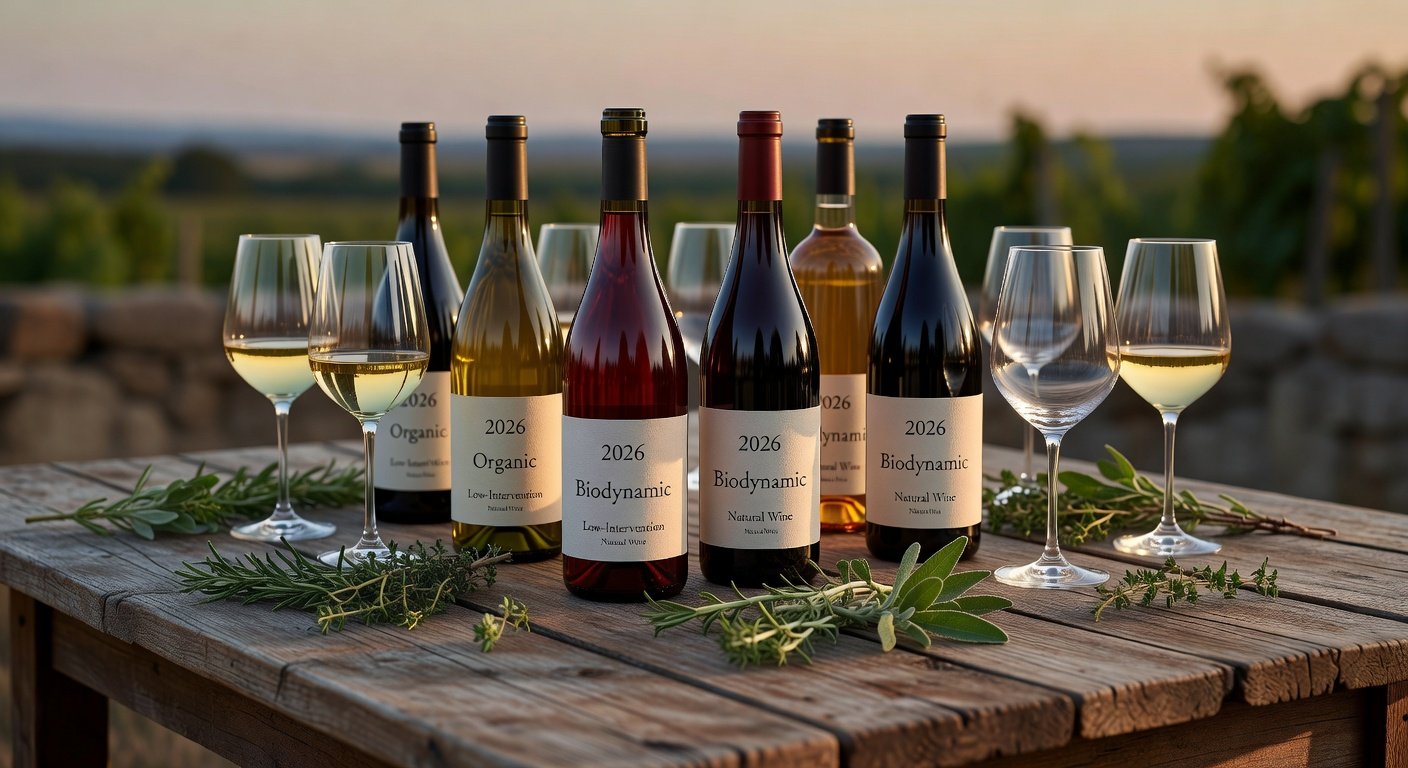
Hosting a natural wine tasting event in 2026 offers a unique opportunity to celebrate low-intervention, organic, and biodynamic wines while educating guests about sustainable practices. This comprehensive guide walks you through every stage of planning an unforgettable experience for home hosts or small businesses, ensuring your event stands out in a growing market of conscious consumers seeking authentic flavors and eco-friendly approaches. Natural wine continues to gain popularity due to its emphasis on minimal additives and transparent production methods that support soil health and biodiversity.
Step-by-Step Planning Timeline
Begin preparations at least four weeks in advance to allow time for sourcing and testing. First, define your guest list and theme. Second, secure the venue and confirm capacity. Third, research and order wines from verified natural producers. Fourth, develop pairings and print tasting materials. Fifth, arrange decor with sustainable elements like recycled paper for notes. Sixth, rehearse your opening remarks on winemaking principles. Seventh, prepare backup options for dietary needs. Eighth, send reminders and collect RSVPs to finalize quantities.
Choosing the Perfect Venue
Selecting the right venue sets the tone for your natural wine tasting. Consider intimate spaces like home dining rooms, garden patios, or small event rooms that allow for focused conversation. Aim for venues with good natural light and minimal distractions to highlight the wines' unique qualities. For a 2026 event, incorporate eco-friendly elements such as reusable glassware and locally sourced table linens to align with the sustainable theme. Compare indoor versus outdoor options based on weather forecasts and guest comfort, ensuring the space accommodates four to eight people comfortably without feeling cramped. Practical steps include measuring the table area for proper glass spacing and testing acoustics for easy discussion flow. Factor in accessibility features like seating arrangements for all mobility levels and adequate ventilation to prevent overwhelming aromas.
Curating Your Wine Flight
Curate a flight of four to six bottles showcasing varied production methods. Include examples of skin-contact orange wines, pét-nat sparkling wines, and classic reds from biodynamic vineyards. Source from trusted importers who specialize in natural selections to ensure authenticity. Vary regions slightly while keeping the focus on minimal-intervention techniques to create an educational arc throughout the evening. Start with a light pét-nat as an aperitif, move to an orange wine for contrast, and finish with structured reds. Provide background on each producer's farming methods, such as cover cropping or hand harvesting, to deepen appreciation. This structured progression helps guests understand differences in flavor profiles influenced by soil health and fermentation choices. Consider including one sparkling and one still option from the same region for direct comparison.
Budget Planning for Your Event
Focus on value-driven choices rather than specific dollar amounts when planning. Allocate resources toward quality glassware, educational printed materials, and light catering. Prioritize wines from smaller producers to keep costs reasonable while supporting ethical farming. Track expenses for venue setup, transportation, and any printed tasting guides to maintain a balanced approach. Break down categories into wines, food pairings, decor, and educational handouts. Consider bulk purchases for non-perishables like corkscrews or note cards to optimize spending. Review past events to identify areas where savings were possible without sacrificing quality, such as using seasonal produce for pairings instead of imported items. Allocate a contingency portion for unexpected needs like additional glasses or last-minute substitutions.
Food Pairings and Tasting Notes
Develop thoughtful food pairings that complement natural wines without overpowering their delicate profiles. Opt for seasonal vegetables, artisanal cheeses, and simple charcuterie boards. Create tasting note templates that prompt guests to record aromas, flavors, and observations on sustainable aspects like vineyard biodiversity. This encourages deeper engagement and memorable discussions. For instance, pair a crisp natural white with fresh herbs and goat cheese, or match a tannic red with roasted root vegetables. Expand notes sections to include columns for appearance, nose, palate, and finish, plus a sustainability reflection prompt. Offer printed or digital templates so guests can compare impressions in real time. Experiment with pairings in advance to refine combinations that best highlight each wine's terroir-driven characteristics.
Engaging Your Guests
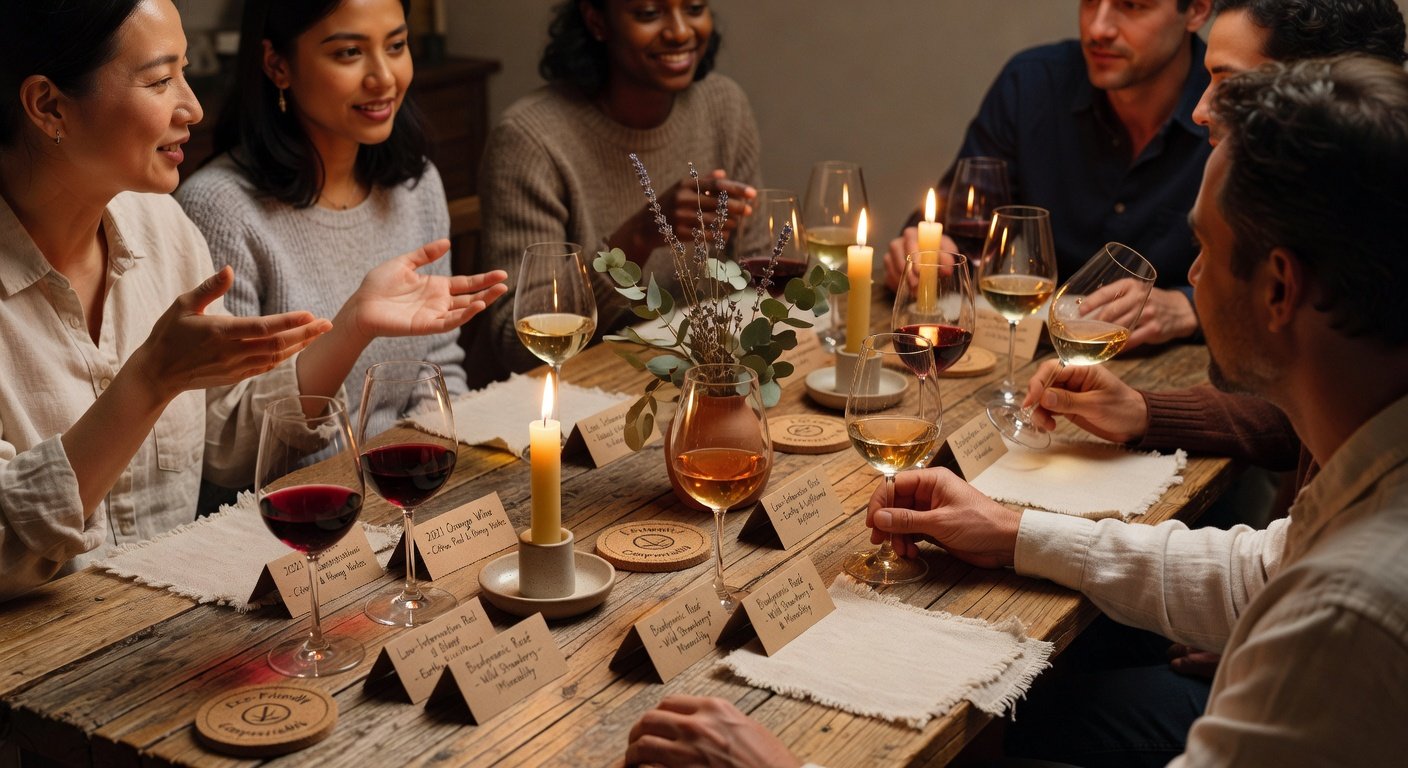
Use interactive techniques to keep attendees involved. Begin with a brief overview of natural winemaking principles, then invite guests to share their impressions. Incorporate short breaks for questions and provide visual aids like vineyard maps. For advanced groups, discuss specific techniques such as native yeast fermentation and minimal sulfur use. Techniques include blind tasting rounds, flavor association games, and group voting on favorite bottles. Share stories from real producers to humanize the wines. Encourage note-taking and facilitate round-robin sharing to build connections among participants. Rotate discussion leaders every twenty minutes to maintain energy and ensure quieter guests contribute ideas.
Real-World Event Examples
Consider a beginner-friendly themed evening focused on orange wines paired with Mediterranean-inspired bites. For enthusiasts, host a comparative tasting of biodynamic whites from different continents. Both formats build community while highlighting the diversity within natural wine categories. One successful example involved a backyard gathering where guests explored pét-nats alongside live music, leading to repeat attendance. Another advanced session featured a vertical tasting of the same producer's wines across vintages, sparking debates on climate impacts. Adapt these models by incorporating local seasonal elements to make the event feel personalized and relevant to your specific audience.
Common Mistakes to Avoid
Many hosts overlook proper serving temperatures or fail to prepare backup bottles for unexpected preferences. Avoid overcrowding the table with too many glasses at once and ensure all wines are opened in advance for breathing. Do not neglect accessibility considerations, such as non-alcoholic alternatives for designated drivers. Always verify producer credentials beforehand to maintain credibility on sustainability claims. Double-check lighting and seating before guests arrive to prevent any last-minute adjustments that could disrupt the flow.
FAQ
- Where can I source natural wines reliably? Look for specialized retailers and importers who verify low-intervention practices from producers.
- How should I serve the wines during the tasting? Serve at appropriate temperatures and use proper glass shapes to showcase aromas effectively.
- What if guests have dietary restrictions? Prepare flexible pairings with plant-based options and clearly label all items.
- How do I educate guests on sustainable practices? Integrate short facts about soil regeneration and biodiversity into your introductions and tasting notes.
- What storage conditions are best before the event? Keep bottles in a cool, dark place away from direct sunlight and temperature fluctuations.
Conclusion
With careful planning around venue, curation, pairings, and engagement, your 2026 natural wine tasting can become a standout event that educates and delights. Focus on authenticity and sustainability to create lasting impressions. For more on global agricultural practices supporting organic methods, explore resources from FAO and UNEP.
No comments yet. Be the first!