 Uncorked Conversations
Introduction: Why Document Local Winemaker Stories in 2026?
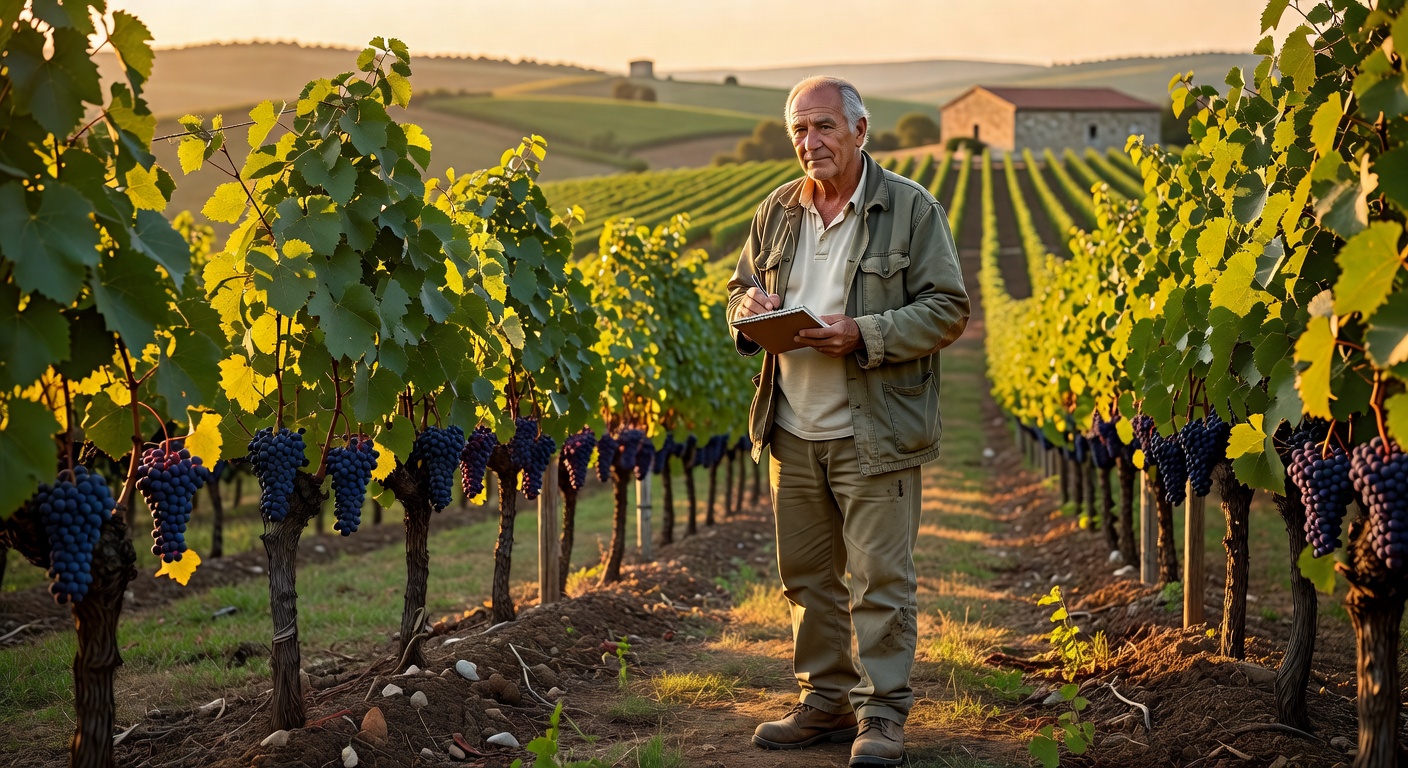
Local winemakers hold rich narratives that reflect community heritage, climate shifts, and generational traditions. In 2026, enthusiasts are increasingly turning to personal storytelling to preserve these accounts rather than focusing solely on global celebrities. This beginner’s guide provides actionable methods to record authentic voices from small vineyards, ensuring wine history remains vibrant and accessible. Many small-scale producers operate in regions where industrial wineries dominate the market, yet their tales of soil, weather, and family legacy offer unique perspectives that larger operations cannot replicate. By capturing these stories now, you contribute to a living archive that future researchers, tourists, and fellow enthusiasts can draw upon for inspiration and education.
Documenting these stories helps safeguard cultural knowledge while building connections within local communities. Whether you are a hobbyist or aspiring archivist, the process combines thoughtful preparation with modern technology. The rise of accessible recording devices and online sharing platforms has lowered barriers, allowing anyone with basic equipment to create professional-grade content that resonates widely.
Preparing Effective Interview Questions
Strong questions unlock deeper insights. Start with open-ended prompts that encourage storytelling, such as “How did your family first become involved in winemaking?” or “What challenges has the local climate presented over the decades?” Develop a core set of ten to fifteen questions but remain flexible to follow unexpected tangents that reveal personal anecdotes. Layer in follow-ups about specific vintages, community events, and personal milestones. Avoid yes/no questions to keep conversations flowing naturally. Test your list with a friend beforehand to refine timing and tone, ensuring each question builds logically on the previous one.
Consider cultural sensitivities when crafting questions, especially in regions with long-standing family rivalries or economic hardships tied to agriculture. Incorporate visual aids like old photographs or vineyard maps to jog memories and spark detailed responses. This preparation phase often takes several days but dramatically improves the quality and depth of the final recordings.
Sample Question Framework
- Background and heritage: Explore family origins and early influences, including how ancestors adapted to changing regulations or market demands.
- Daily practices: Inquire about seasonal routines and decision-making processes that affect grape quality and yield.
- Community ties: Ask about relationships with neighbors and local festivals that celebrate the harvest season.
- Future outlook: Discuss hopes for the next generation of winemakers and potential threats from climate change or urbanization.
Using Digital Tools for Recording
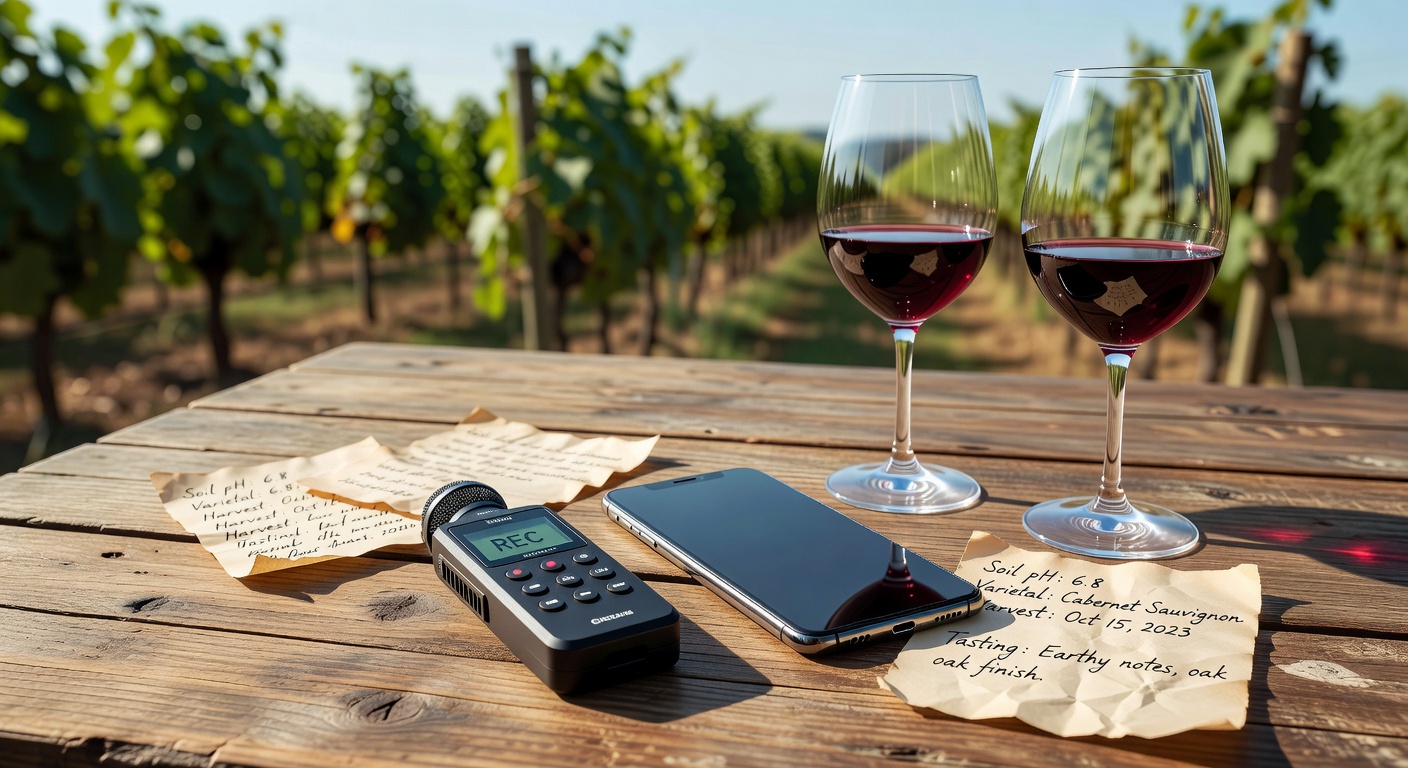
Modern devices make high-quality capture simple. Smartphones with built-in voice memo apps often suffice for beginners, while dedicated recorders offer better audio fidelity in outdoor settings. Consider wireless lavalier microphones for clear dialogue during vineyard walks, where wind and background noise can interfere. Popular free or low-cost options include open-source software for editing and transcription that converts spoken words into searchable text files. Always back up files immediately to cloud storage and label them with dates and names for easy retrieval.
Compare methods by testing in similar conditions beforehand. Audio-only setups minimize equipment bulk, whereas video adds visual context such as the winemaker gesturing toward specific vines. Hybrid approaches combining high-resolution audio with still photography provide flexibility for different output formats like podcasts or illustrated articles. Practice with each tool to master settings like gain levels and file formats before the actual interview day.
Integrating Historical Context
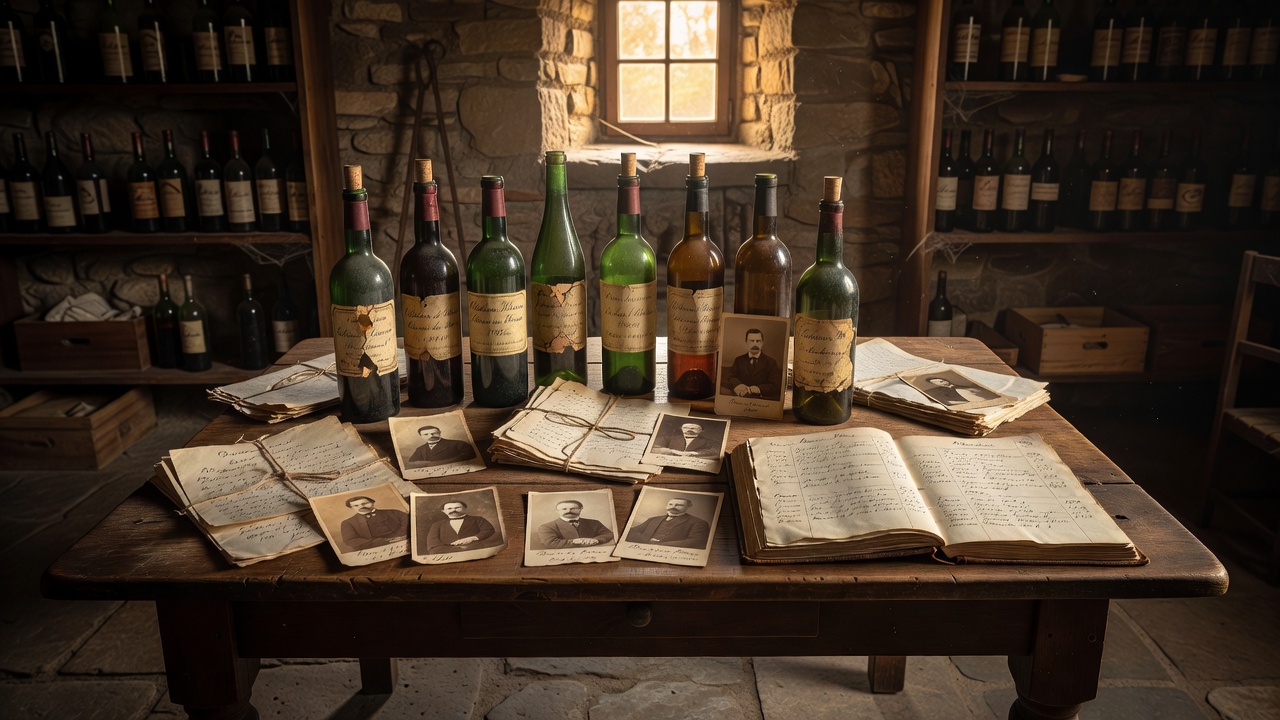
Enrich narratives by cross-referencing personal accounts with broader timelines. Visit resources such as the Library of Congress digital collections or consult local historical societies for maps and records of past harvests. Additional context can come from authoritative references like Britannica, which details the evolution of viticulture across continents. This context transforms individual stories into living history. For instance, pairing a winemaker’s memory of a 1980s frost with regional weather data creates a compelling, multi-layered account that educates listeners about resilience.
Historical integration also involves verifying dates and events mentioned during interviews. Cross-check with public records or regional agricultural reports to add accuracy without altering the storyteller’s voice. This step elevates your project from simple recordings to valuable contributions to wine heritage documentation.
Step-by-Step Process with Real-World Examples
Follow this structured workflow used successfully by community archivists:
- Research the vineyard and winemaker online and through public records to identify key themes before meeting.
- Schedule relaxed sessions, preferably at the vineyard during off-peak hours when natural light and ambient sounds enhance the atmosphere.
- Record in multiple short segments to manage file size and allow breaks for reflection or equipment checks.
- Transcribe key quotes and obtain written permission for public sharing, including any restrictions on sensitive details.
- Edit lightly to preserve authenticity while improving clarity through basic noise reduction and volume balancing.
- Share drafts with the winemaker for feedback and approval before wider distribution.
One small California vineyard documented a family’s 70-year journey using only a smartphone and free editing apps, resulting in a 12-minute video shared at local wine festivals that attracted new visitors. Another project in Italy combined audio interviews with archival photos to produce a printed booklet distributed to schools, demonstrating how versatile these methods can be.
Comparing Recording Methods
Audio-only recordings excel for intimate podcasts that listeners can enjoy while driving or working. Video captures body language and setting, making stories more engaging for social media or educational presentations. Hybrid approaches—audio primary with occasional photos—balance detail and ease while reducing post-production time. Choose based on your intended audience and distribution platform, weighing factors such as file storage needs and editing complexity. Testing multiple methods on a short practice interview reveals which combination best suits your style and resources.
Conclusion
Preserving local winemaker stories enriches the global wine community. With careful preparation and ethical practices, beginners can create lasting records that honor tradition and inspire future generations. The skills developed through this process also open doors to collaborative projects with regional tourism boards or cultural organizations.
Frequently Asked Questions
How do I handle sensitive family stories?
Obtain explicit consent before recording and offer the option to pause or omit details. Review transcripts together to build trust and ensure all parties feel comfortable with the final version.
What equipment is essential for outdoor interviews?
A windscreen for microphones and a portable power bank ensure uninterrupted sessions in vineyard settings where weather can change quickly.
Where should I store and share final stories?
Use password-protected archives initially, then share via community websites or local libraries with proper attribution and permissions. Consider creating both digital and physical copies for accessibility.
How long should each interview session last?
Limit sessions to 45-60 minutes to maintain focus and energy, scheduling follow-ups if more ground needs covering. This approach respects the winemaker’s time while yielding focused, high-quality material.
No comments yet. Be the first!