 Uncorked Conversations
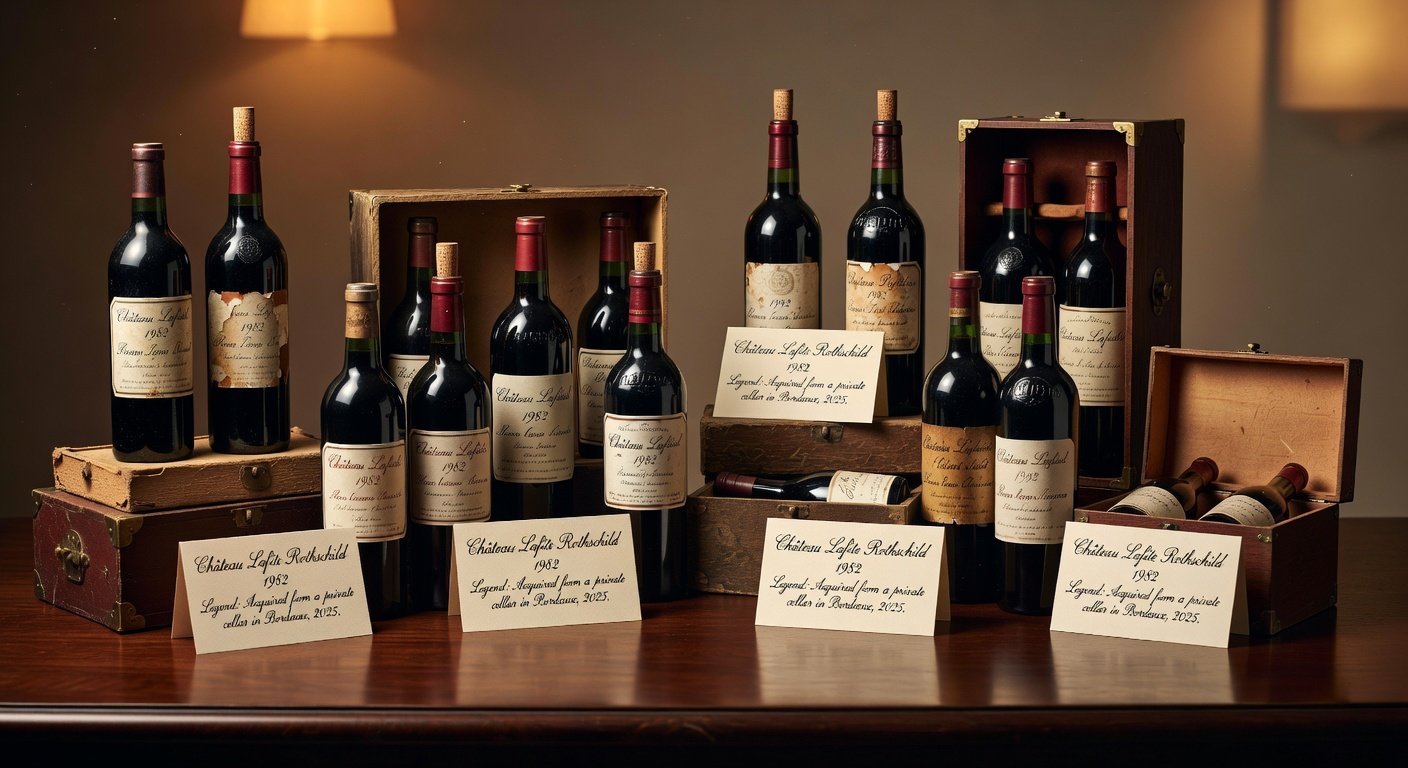
Introduction to Building Your Wine Legends Collection
Creating a 2026 wine story collection involves more than collecting bottles—it’s about preserving the narratives of winemakers, vineyards, and cultural heritage. This beginner guide focuses on discovering and safeguarding these legends in today’s digital landscape. Readers seeking authentic sources, regional diversity, and modern storytelling trends will find clear, step-by-step guidance here. The process combines traditional research methods with emerging digital tools, allowing collectors to build meaningful archives that educate future generations while capturing the human elements behind each bottle.
Researching Authentic Wine History Sources
Start with reliable references to ensure accuracy. Visit established wine publications and archives for verified accounts. Cross-reference multiple outlets to confirm details like vintage years and family lineages. Use digital libraries and official winery records whenever possible. Begin by identifying primary sources such as estate ledgers, court documents, and personal correspondence from winemaking families. Supplement these with secondary materials from respected historians who specialize in viticulture. Evaluate credibility by checking author credentials, publication dates, and whether sources cite original records. Practical steps include searching academic databases for peer-reviewed articles on viticulture history, consulting regional wine councils for documented timelines, and interviewing living winemakers through verified channels to capture oral histories. Maintain a research log noting each source’s reliability rating and any conflicting information discovered during verification.
Selecting Standout Examples from Diverse Regions
Build depth by choosing legends from varied terroirs. Consider Bordeaux for classic château tales of inheritance and innovation, Tuscany for multi-generational family estates preserving Sangiovese traditions, and emerging areas like New Zealand’s Marlborough for stories of pioneering sustainable practices. Expand further into South Africa’s Stellenbosch region highlighting post-apartheid vineyard revivals, Chile’s Maipo Valley for tales of Spanish colonial influences blended with modern techniques, and Oregon’s Willamette Valley for narratives around cool-climate Pinot Noir pioneers. Compare stories across continents to highlight unique cultural influences. Examples might include the pioneering techniques of a South African winemaker restoring heritage vines or the revival of ancient Greek varietals in Santorini. Aim for balance: three to five regions initially, expanding as your archive grows. Document each selection with notes on why the story resonates and its connection to broader wine history themes.
Traditional Versus Emerging Narratives
Traditional stories often emphasize multi-generational estates and time-honored methods passed through families. Emerging narratives spotlight sustainability initiatives, technology integration such as precision viticulture, and diverse voices entering the industry. Blend both for a dynamic collection that reflects 2026 realities. Evaluate each story by its emotional resonance and factual integrity. Traditional accounts provide historical context through lineage and legacy, while newer ones add contemporary relevance and inclusivity by addressing climate adaptation and social equity. Consider how emerging stories can reinterpret traditional elements, such as modern winemakers reviving forgotten varietals using updated methods.
Curating Personal Archives
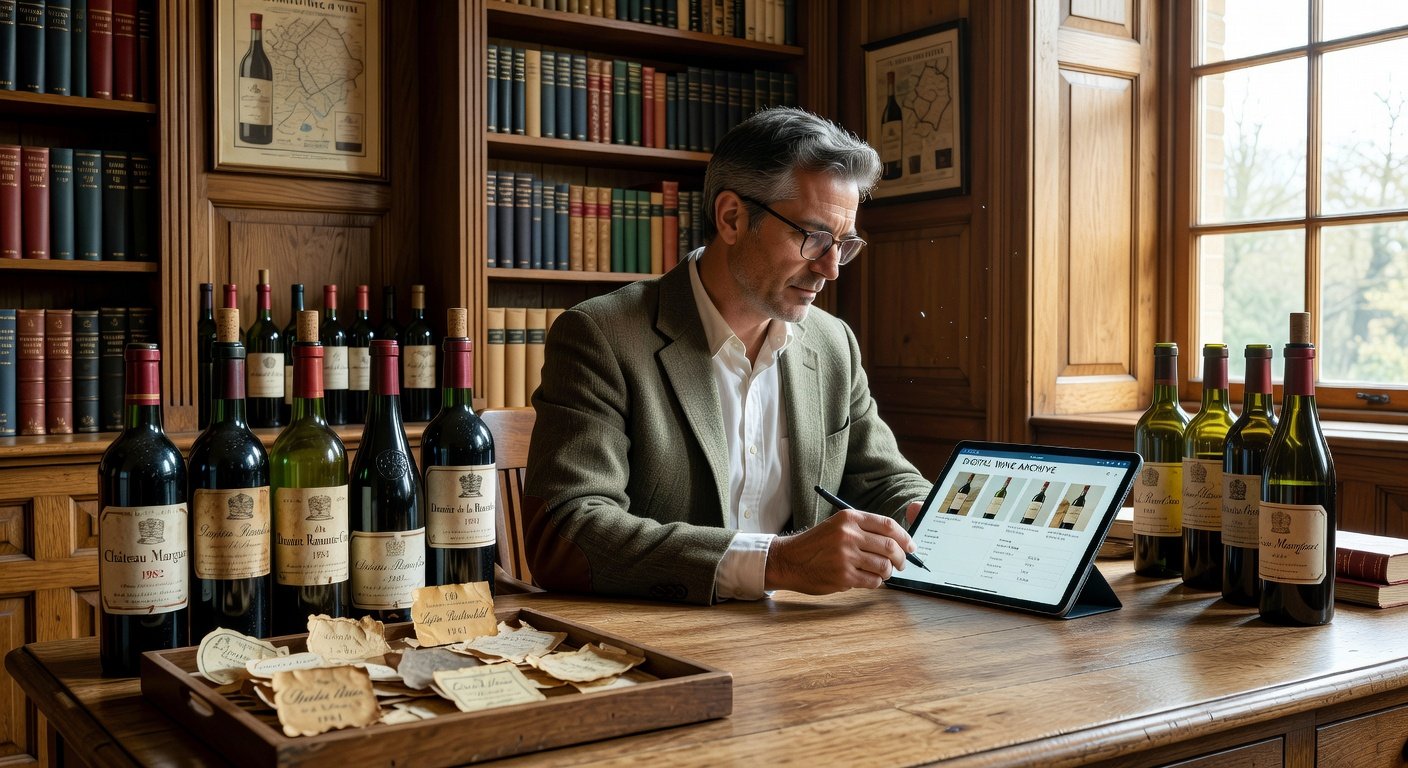
Organize your collection systematically. Create digital folders for each legend, including photos, notes, and source citations. Physical binders can complement digital files for tactile reference. Key practices include tagging entries by region, era, and theme; backing up files using multiple secure platforms with encryption; and updating records annually to incorporate new discoveries. Develop a standardized metadata template covering winemaker biography, key dates, vineyard details, and narrative themes. Use spreadsheet software for cross-referencing and consider cloud-based note-taking apps that support multimedia attachments. Regularly audit the archive for completeness and accuracy, removing outdated information while preserving original sources.
Integrating 2026 Trends in Storytelling
Incorporate modern tools such as interactive timelines, augmented-reality labels, and data visualization software. Podcasts and short-form video clips enhance engagement while preserving core facts. Focus on ethical sourcing of information and transparent attribution. Stay current by following industry shifts toward climate-resilient practices and community-driven heritage projects. Additional 2026 trends include AI-assisted transcription of oral histories and blockchain verification of provenance documents. These enrich collections without diluting historical value. Experiment with collaborative platforms where multiple collectors contribute verified entries, fostering a shared global wine legends database.
Real-World Case Studies of Collectors
One collector in California built a digital archive of Napa Valley pioneers using scanned letters and recorded interviews, resulting in a publicly accessible online exhibit. Another enthusiast in France focused on Loire Valley legends, combining traditional books with emerging climate-impact stories to create educational workshops. A third collector in Australia documented Barossa Valley Shiraz heritage through family tree mappings and soil analysis reports tied to specific legends. Both approaches demonstrate scalable methods for beginners, showing how persistence in sourcing and organization leads to comprehensive, shareable resources.
Learn more from leading publications at Decanter and explore foundational wine education at Wine Folly. Additional insights are available from Wine Enthusiast.
Common Mistakes to Avoid When Building Your Collection
Over-reliance on unverified online forums can introduce inaccuracies. Neglecting to diversify regions leads to narrow perspectives. Failing to back up digital files risks permanent loss of valuable research. Always prioritize quality over quantity when adding new legends.
FAQ: Common Questions on Authenticity and Digital Tools
How do I verify a winemaker’s story?
Cross-check claims against multiple primary sources and contact wineries directly for confirmation. Request supporting documentation such as vintage reports or family records when possible.
What digital tools are best for archiving?
Secure cloud services with version control and metadata tagging work well for long-term preservation. Combine these with dedicated genealogy software adapted for wine histories.
Can I include recent vintages in historical collections?
Yes, when they connect meaningfully to established legends or illustrate evolving practices such as new sustainability methods.
How should I handle conflicting historical accounts?
Present both perspectives with citations and note the most credible source based on evidence strength.
Are there legal considerations for sharing collected stories?
Obtain permission for personal interviews and respect copyright on published materials before public distribution.
Conclusion
Building a 2026 wine story collection rewards patience and methodical research. By focusing on authentic sources, regional variety, and balanced narratives, you create a lasting resource that educates and inspires. Begin today with one region and expand steadily—your personal legends archive awaits.
No comments yet. Be the first!