 Uncorked Conversations
Wine History Lessons: Stories Every Enthusiast Should Know
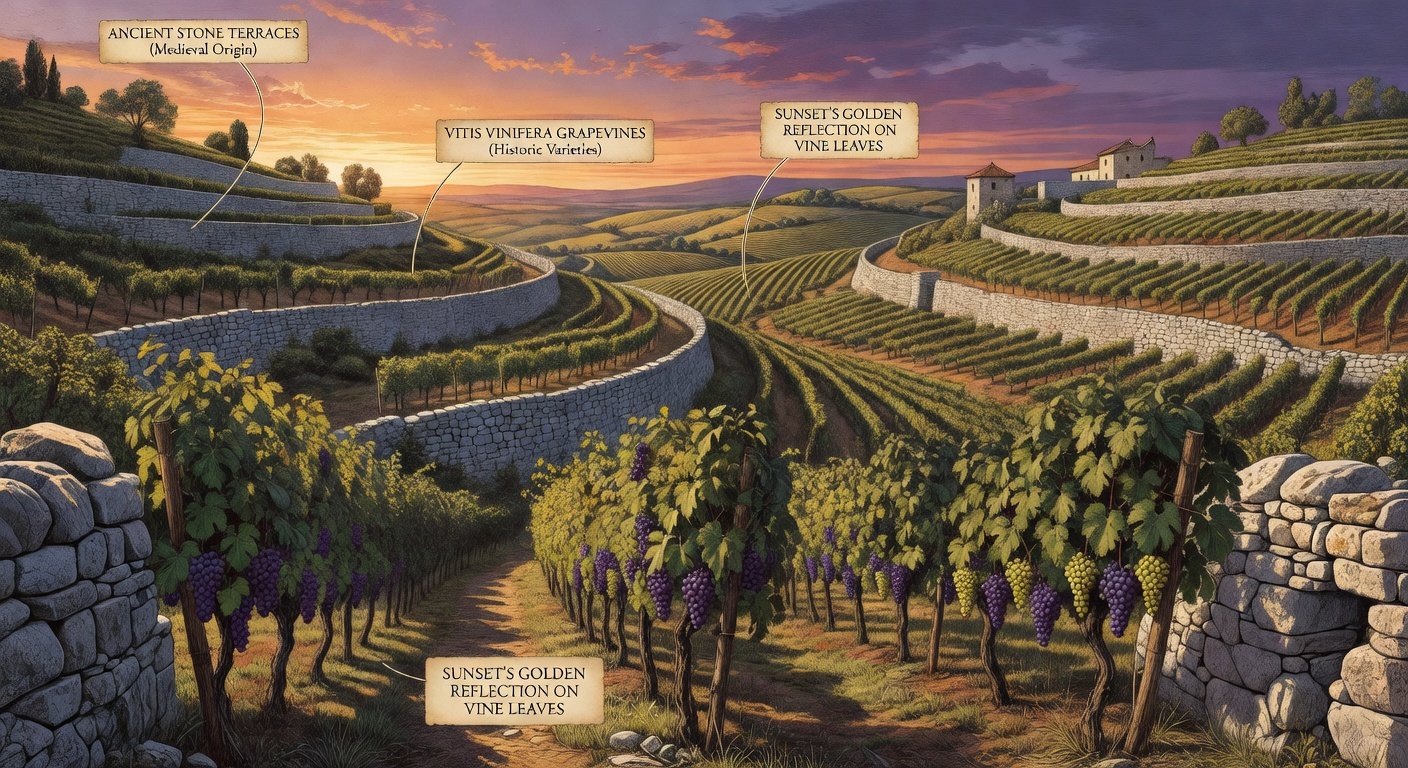
Wine enthusiasts often enjoy a glass without realizing how centuries of events, innovations, and human stories have shaped what ends up in the bottle. Understanding these historical threads helps explain why certain regions dominate specific styles today and how unexpected challenges led to resilient practices still in use. This guide uncovers core historical narratives that directly influence modern trends, from unexpected vineyard finds to cross-continental developments. By understanding these lessons, you can appreciate current vintages with greater depth and make informed choices during tastings in 2026 and beyond. History is not just background; it is the foundation that determines flavor profiles, production methods, and even the economic viability of vineyards worldwide.
Pivotal Vineyard Discoveries That Changed Everything
One of the most transformative moments in wine history occurred in the late 19th century when European vineyards faced devastation from phylloxera. This tiny aphid-like insect, native to North America, destroyed millions of vines across France and beyond after being accidentally introduced through imported plants. The crisis wiped out up to 70 percent of French vineyards in some areas, threatening the entire industry. Yet it led to a groundbreaking solution: grafting European vines onto American rootstock that was naturally resistant to the pest. This discovery preserved classic varieties like Cabernet Sauvignon, Merlot, and Pinot Noir while creating resilient hybrids still used today in nearly every major wine-producing country.
Similar discoveries emerged in the Americas during the 20th century. In California's Napa Valley, researchers in the 1960s identified unique microclimates and soil compositions that allowed for premium grape cultivation previously thought impossible outside traditional European zones. These findings spurred the rise of New World winemaking and encouraged experimentation with varietals such as Zinfandel and Chardonnay suited to local conditions. Further south, in Argentina's Mendoza region, early explorers noted the benefits of high-altitude planting in the Andes foothills, leading to the development of Malbec wines with concentrated flavors due to intense sunlight and cooler nights. These American discoveries not only diversified global wine offerings but also influenced European producers to adapt their own techniques for climate resilience.
Influential Figures and Their Lasting Anecdotes
Countless individuals left indelible marks through personal stories rather than grand empires or family dynasties. Consider the tale of a determined winemaker in Bordeaux who, in the 1920s, experimented with late-harvest techniques during an unusually rainy season. His persistence produced one of the first widely celebrated sweet wines from Sauternes, inspiring today's dessert wine styles and showing how adversity can yield innovation. In Italy's Piedmont region, a local farmer in the early 1900s documented the effects of varying harvest times on Nebbiolo grapes, leading to refined Barolo production methods that emphasize balance over power.
In South America, a pioneering agronomist in Chile's Maipo Valley documented how altitude affects tannin development in the mid-20th century. His field notes helped establish high-elevation vineyards that now define many Chilean reds with bright acidity and herbal notes. Across the border in California, an immigrant winemaker in the 1970s championed sustainable irrigation practices during drought years, creating models for water-efficient viticulture that modern estates still follow. These anecdotes highlight how individual curiosity often drives broader industry shifts and remind enthusiasts that behind every bottle lies a human story of trial and adaptation.
Regional Evolution: Europe Versus the Americas
Comparing Europe and the Americas reveals striking contrasts in how history unfolded and continues to shape trends. European regions like Burgundy evolved through centuries of monastic traditions and strict appellation laws that prioritize terroir and limit yields for quality control. These regulations, rooted in medieval practices, ensure that wines reflect specific plots of land and have created a benchmark for elegance and aging potential. In contrast, American wine regions benefited from post-Prohibition innovation and less rigid regulations, allowing rapid adoption of new technologies such as stainless steel fermentation and mechanical harvesting.
Today, these paths converge in exciting ways. European producers increasingly experiment with sustainable practices pioneered in California, such as cover cropping to improve soil health. Meanwhile, American wineries draw inspiration from Old World aging methods using large oak foudres instead of small barriques. Practical examples include how Bordeaux blends have inspired similar Merlot-Cabernet combinations in Washington State, while Italian Sangiovese traditions influence Argentine producers seeking lighter, food-friendly styles. This cross-pollination creates exciting options for enthusiasts exploring both hemispheres and demonstrates that historical lessons from one continent can revitalize another.
Step-by-Step Method to Research Your Favorite Wines
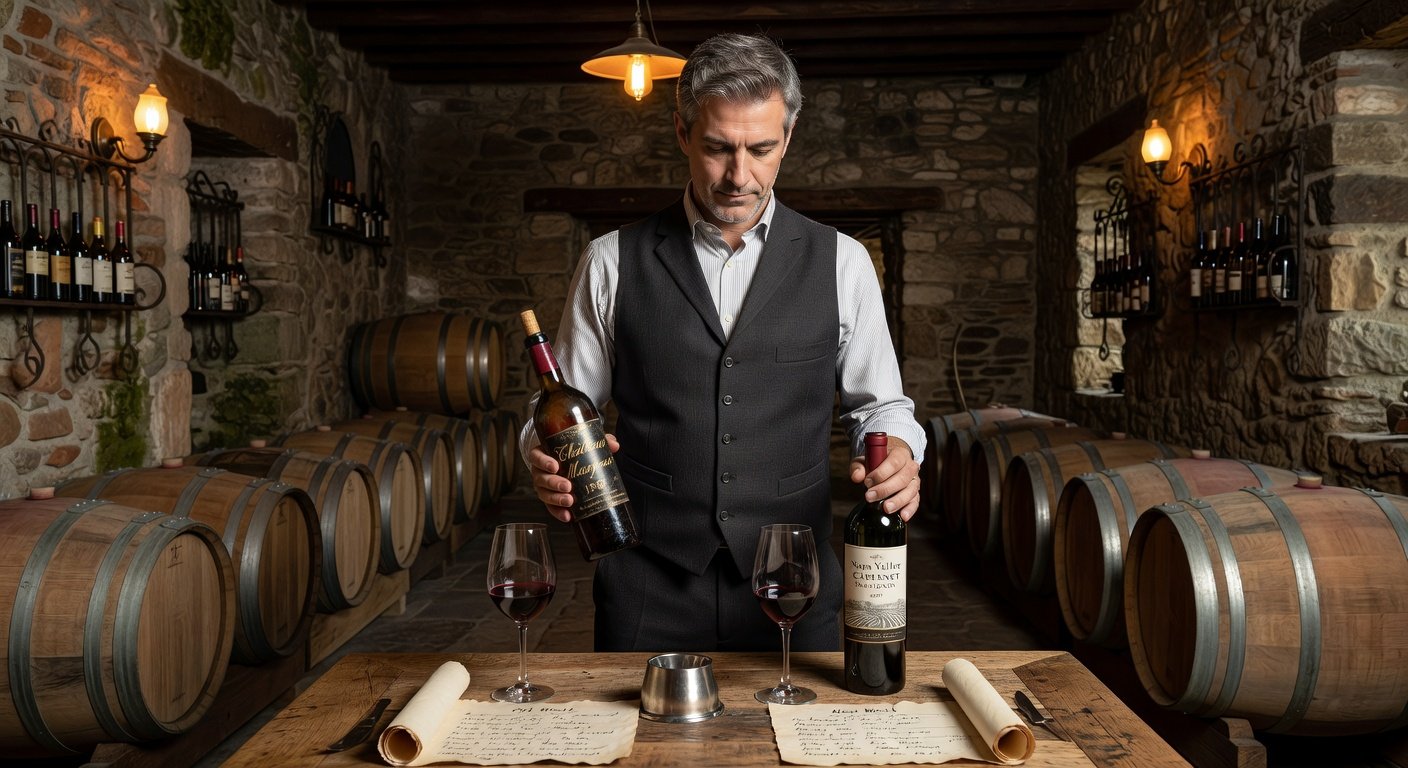
Applying historical lessons starts with personal research. Follow this practical process to deepen your connection to any bottle and avoid common pitfalls like overlooking vintage variations or ignoring soil influences:
- Identify the producer and region using the label or winery website, then note any mentions of historical events such as phylloxera recovery or post-war reconstructions.
- Consult official regional resources to learn about historical events that shaped local viticulture, including climate data from past decades that explain current flavor profiles.
- Cross-reference vintage charts and soil studies for context on how past weather patterns influence current styles, paying special attention to years of significant change like droughts or floods.
- Taste alongside similar historical benchmarks, noting flavor evolutions such as how modern California Cabernet differs from its 1970s predecessors in structure and ripeness.
- Document findings in a tasting journal to track patterns over time, incorporating notes on how regional histories affect pairings with food from the same cultural background.
This method transforms casual sipping into an educational experience that reveals how history lives in every pour. It also helps enthusiasts avoid mistakes such as assuming all wines from a region taste identical regardless of producer history or vintage conditions.
Conclusion
Wine history offers more than trivia—it provides a framework for understanding why certain bottles taste the way they do in 2026. By exploring discoveries, figures, and regional stories, enthusiasts gain tools to select and savor wines with intention. Start applying these insights at your next tasting to experience the past in the present and build a more rewarding relationship with each glass.
FAQ
How can I verify if a wine legend is accurate?
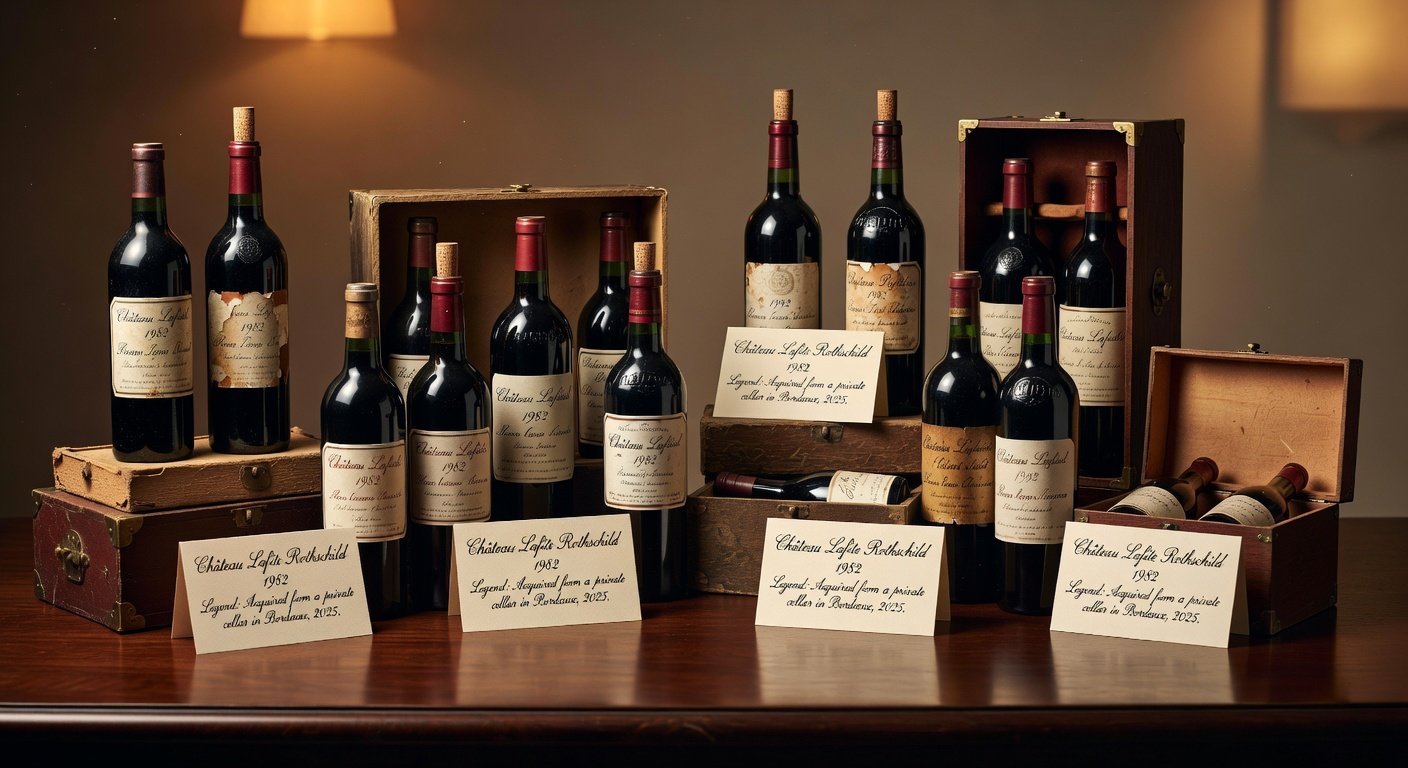
Cross-check claims against records from organizations like the International Organisation of Vine and Wine and academic sources. Reliable labels and producer archives often include verifiable details that separate fact from folklore.
What lessons from wine history apply directly to 2026 tastings?
Focus on resilience stories, such as grafting techniques, to appreciate modern disease-resistant vines. Regional comparisons help predict how climate trends might affect upcoming vintages and guide selections toward more sustainable options.
Are there simple ways to incorporate history into everyday wine selection?
Choose bottles from regions with documented innovations and read back labels for historical context. Pairing with food from the same cultural heritage enhances the storytelling element and makes tastings more memorable.
What common mistakes should beginners avoid when exploring wine history?
Do not rely solely on popular myths without checking primary sources, and avoid ignoring how economic events like trade embargoes shaped availability of certain styles in the Americas versus Europe.
No comments yet. Be the first!