 Uncorked Conversations
Introduction to Women Shaping Wine History
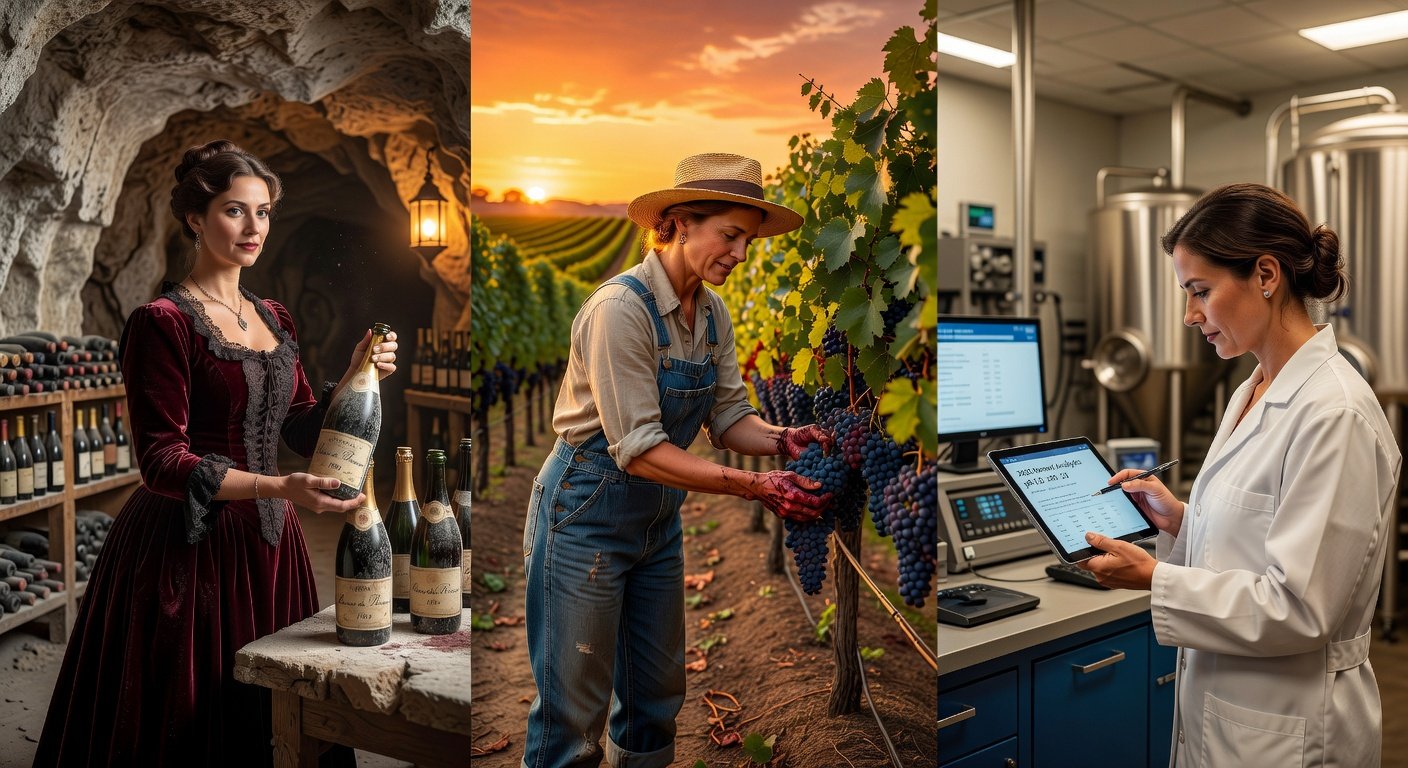
The world of wine has long been dominated by men, but a select group of pioneering women winemakers has rewritten the narrative. From medieval times to the vineyards of tomorrow, these trailblazers faced immense barriers—societal norms, legal restrictions, and industry skepticism—yet produced legendary wines that endure today. This article dives into their riveting journeys, highlighting key challenges, breakthroughs, and how their legacies connect to emerging trends like sustainability and diversity in the modern wine world.
These stories aren't just historical footnotes; they inspire the next generation, including innovators eyeing 2026 and beyond, where women are leading in regenerative viticulture and tech-driven winemaking.
Historical Pioneers: Breaking Ground in Male-Dominated Vineyards
Women have been involved in winemaking since ancient times, but formal recognition came late. One of the earliest documented figures is Geltrude, a 14th-century Italian nun who managed vineyards in the Veneto region, producing wines that were traded across Europe. However, the true legends emerged during the Enlightenment and Industrial Revolution.
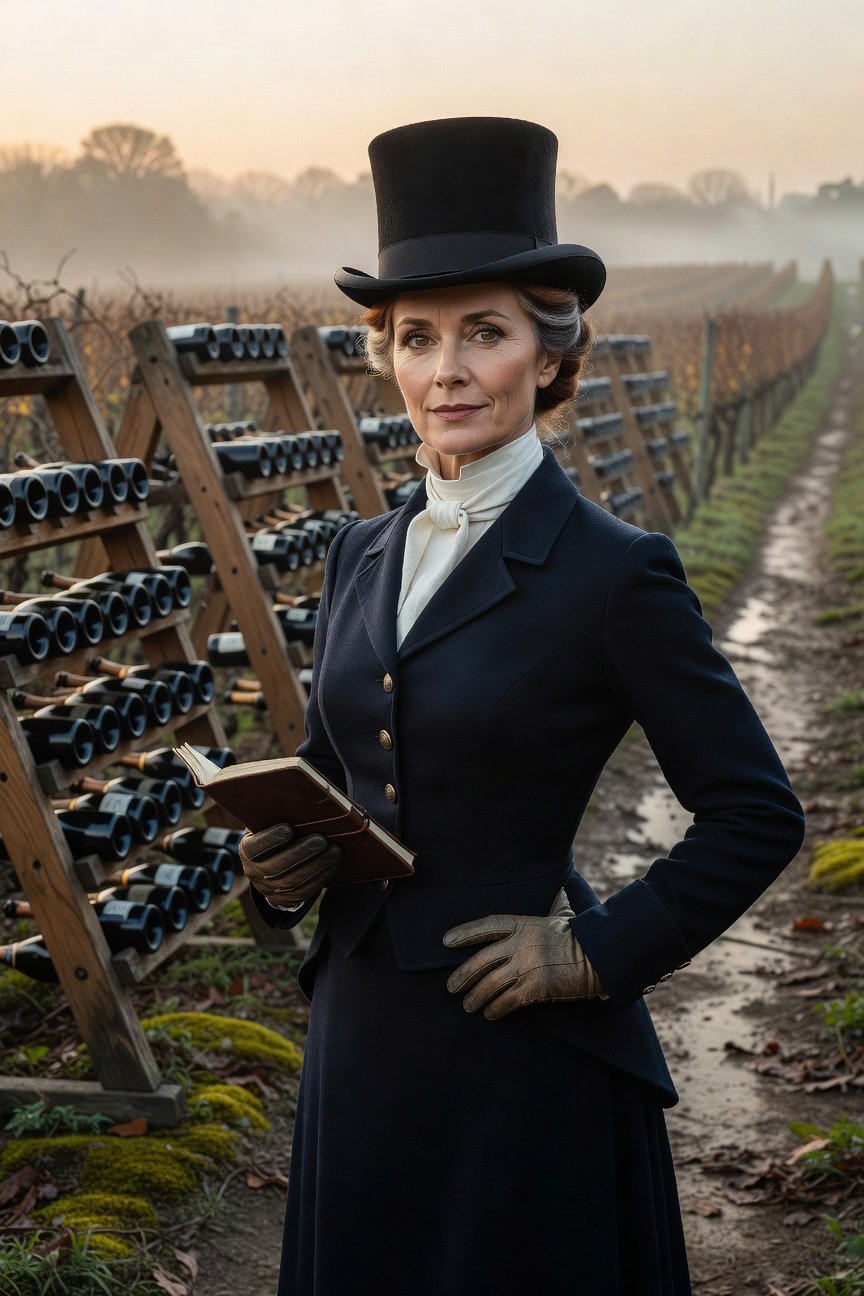
- Barbe-Nicole Ponsardin (Veuve Clicquot): Widowed at 27 in 1805, she took over her husband's champagne house. Defying Napoleonic laws barring women from business, she invented the riddling table for clearer bubbly, revolutionizing Champagne production. Her Veuve Clicquot "Yellow Label" remains iconic. Learn more on the official Veuve Clicquot site.
- Marie André and the Champagne Widows: Alongside Clicquot, widows like Marie André of Perrier-Jouët and Louise Pommery elevated Champagne from sweet still wine to the sparkling luxury we know. Pommery built vast cellars and championed brut styles, exporting globally by 1874.
- Marquise de La Tour d'Auvergne in Bordeaux: In the 18th century, this noblewoman managed Château de Giscours, maintaining quality during turbulent times and setting standards for Bordeaux classification.
These women inherited operations due to widowhood—a double-edged sword that thrust them into leadership amid grief.
Challenges Faced by Early Female Winemakers
The path was fraught with obstacles:
- Legal Barriers: Until the 20th century, women in many regions couldn't own property or sign contracts without male approval.
- Social Stigma: Winemaking was physically demanding "men's work," with women relegated to domestic roles.
- Access to Education: Viticulture training was male-only; pioneers self-taught or apprenticed covertly.
- Market Resistance: Buyers doubted women's expertise, forcing them to use male proxies.
Despite this, their resilience paid off. Veuve Clicquot smuggled her wines to Russia during blockades, turning adversity into triumph.
20th-Century Trailblazers: From California to Rioja
The post-WWII era saw more women enter the fray, fueled by Prohibition's end and New World opportunities.
In California, Merry Edwards fought for 25 years to plant Pinot Noir at her namesake winery, pioneering cool-climate techniques in the 1990s. Zelma Long at Simi Winery became one of America's first female head winemakers in 1973, blending science with intuition.
Europe followed: In Rioja, María José López de Heredia upholds her family's 150-year tradition at Bodegas López de Heredia, resisting modernization for authentic style. Australia's Sarah Jane Smith at Brokenwood crafts benchmark Semillon, blending tradition with innovation.
These women challenged the "old boys' club," proving expertise through results. For deeper insights into global wine trends, visit the Wine Institute.
Breakthroughs and Lasting Impact
Key innovations include:
- Clicquot's riddling for efficient production.
- Pommery's dry Champagne styles, influencing luxury markets.
- Edwards' clonal selection for Pinot Noir quality.
Their impact? Women now helm 10-15% of wineries worldwide, per industry reports. They elevated wine quality, expanded markets, and diversified styles—from bold reds to elegant whites.
2026 Innovators and Emerging Trends
Looking to 2026, women lead cutting-edge shifts:
Aby Ovadia in Israel pioneers regenerative farming at Recanati, combating climate change with cover crops and biodiversity. Stephanie Putman in Oregon's Willamette Valley uses AI for precision viticulture at Putman Vineyard.
Trends they're driving:
- Sustainability: Women champion organic and biodynamic practices, with 30% of new organic certifications by female-led estates.
- Diversity and Inclusion: Initiatives like Women of the Vine & Spirits mentor rising stars.
- Tech Integration: Drones, data analytics, and blockchain for traceability.
- Natural and Low-Intervention Wines: Figures like Alice de Moor in Burgundy redefine minimalism.
By 2026, expect women to dominate low-alcohol, climate-resilient hybrids, connecting historical grit to futuristic solutions. Check Wine Spectator for ongoing coverage of these shifts.
Conclusion: Toasting the Future
From Veuve Clicquot's champagne riddles to 2026's AI vineyards, pioneering women winemakers have transformed an industry. Their stories remind us that barriers are surmountable, fueling a more inclusive, innovative wine world. Raise a glass to these legends—past, present, and future.
No comments yet. Be the first!