 Uncorked Conversations
Introduction to Wine's Mythical Past
Wine has woven itself into the fabric of human civilization for millennia, inspiring myths that blend legend with reality. From gods gifting nectar to mortals planting the first vines post-flood, these tales have shaped cultural attitudes toward winemaking. But what's fact and what's folklore? In this article, we dive into five iconic wine myths from ancient history, reveal the real events and winemakers behind them, and explore their lasting influence on today's practices. We'll also connect these stories to emerging 2026 trends in sustainable and innovative wine production, where tradition meets cutting-edge tech.
These myths aren't just entertaining—they've influenced everything from vineyard rituals to modern sustainability efforts. Let's uncork the truth.
Myth 1: Dionysus Invented Wine
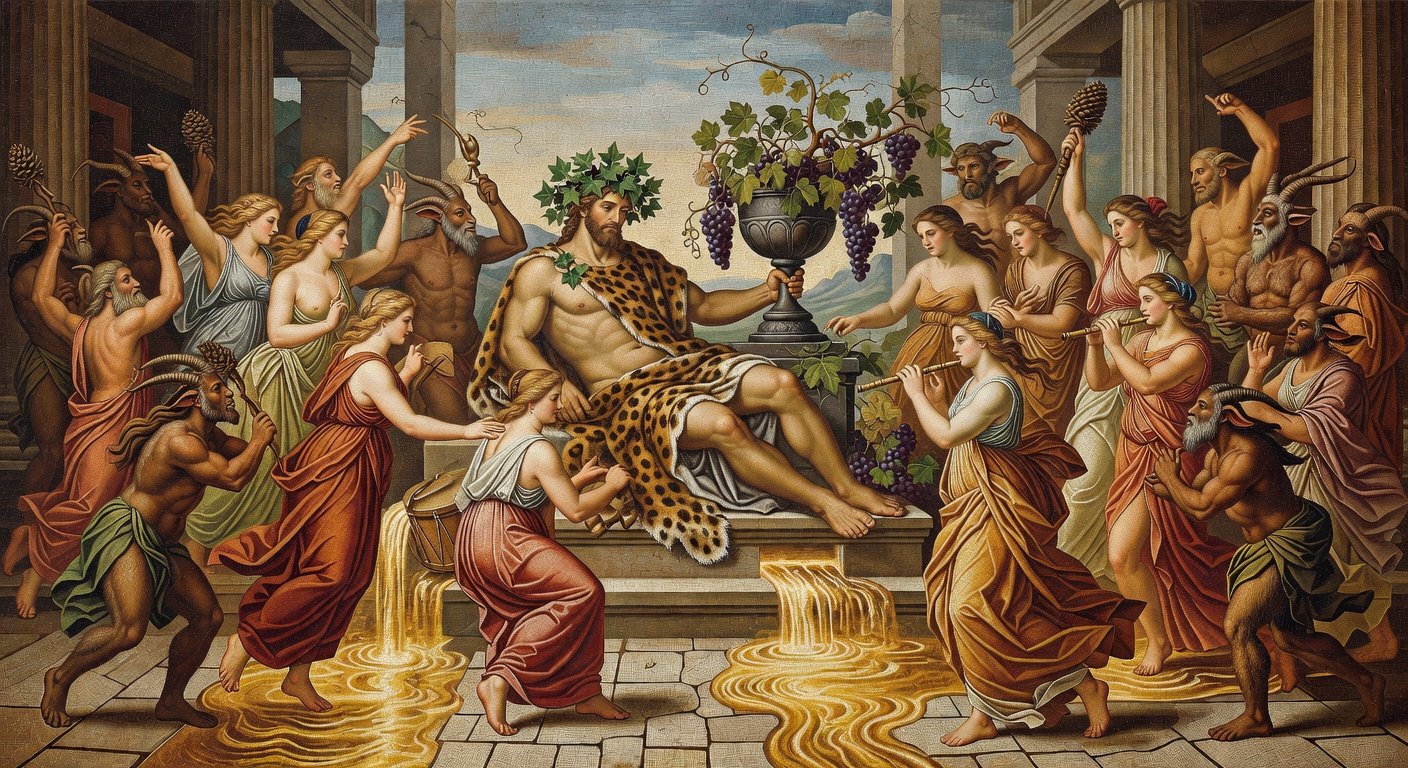
In Greek mythology, Dionysus (Bacchus to the Romans) is the god who discovered wine by chance. The story goes that tiger-drawn chariots crushed grapes, fermenting into divine elixir. Revelers worshipped him through ecstatic bacchanals, believing wine flowed from his benevolence.
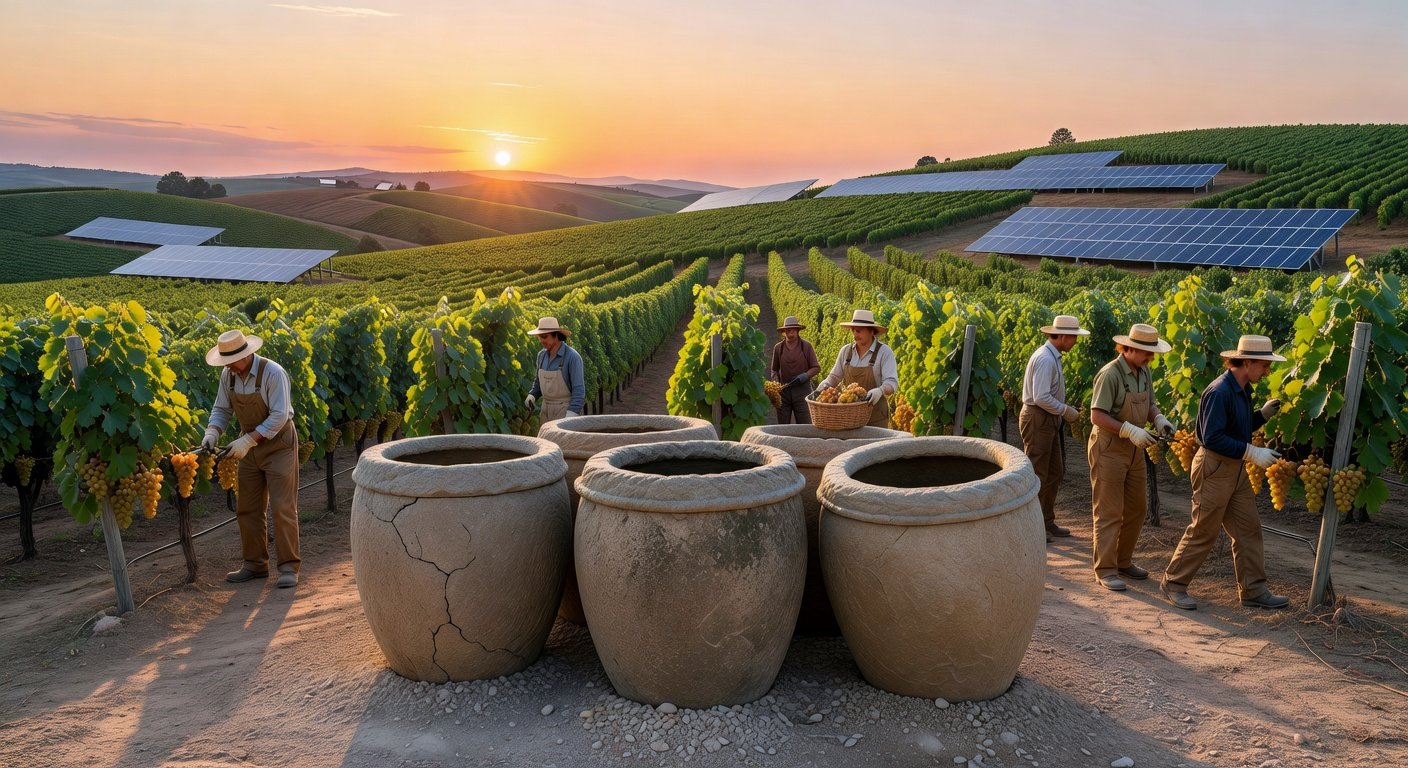
The Real Story: While Dionysus embodies wine's wild spirit, viticulture predates him. Archaeological evidence from Georgia (the Caucasus region) shows wine production dating back 8,000 years, with qvevri clay jars holding residues of fermented grapes. In ancient Greece, around 2000 BCE, Minoans on Crete were already cultivating vines systematically. Real innovators were practical farmers like those in Phoenicia, who traded wine across the Mediterranean by 1500 BCE, spreading techniques.
Modern Influence: Dionysus's legacy lives in harvest festivals worldwide, like Italy's vendemmia celebrations, fostering community in winemaking.
Myth 2: Noah Planted the First Vineyard
The Bible (Genesis 9:20) claims Noah, humanity's survivor of the flood, planted the first vineyard and made wine, leading to his infamous drunken episode. This positioned wine as a post-apocalyptic gift from God.
The Real Story: Wine existed long before Noah (dated around 2500 BCE in lore). Neolithic sites in China (Jiahu, 7000 BCE) and Iran (Hajji Firuz, 5400 BCE) reveal early fermentation. Noah's tale likely reflects Mesopotamian flood myths, where wine symbolized renewal. Biblical-era Canaanites were master winemakers, terracing hillsides for vines by 3000 BCE.
Modern Influence: This myth underscores wine's role in resilience, inspiring regenerative farming today—replanting vines in climate-stressed areas.
Myth 3: Icarius and the Drunken Dog
Greek legend tells of Icarius, taught winemaking by Dionysus. He shared wine with shepherds, who, mistaking drunkenness for poisoning, killed him. His dog howled at the spilled wine, revealing the truth—a myth warning of wine's potent effects.
The Real Story: This echoes early encounters with alcohol's power. In reality, it mirrors the spread of viticulture from Anatolia to Greece around 3000 BCE. Icarius may symbolize early adopters like Thracian tribes, who refined pressing techniques. Excavations at Mycenaean sites show organized wineries with stone presses by 1600 BCE.
Modern Influence: It highlights responsible consumption, influencing low-alcohol and mindful drinking trends.
Myth 4: Osiris, Egyptian God of Wine
In Egyptian lore, Osiris taught mortals agriculture, including grape cultivation and winemaking, linking wine to resurrection and the afterlife. Pharaohs offered wine in tombs.
The Real Story: Egyptians imported vines from Canaan around 3000 BCE, producing shedeh—a sweet wine—for elites. Tomb art depicts workers stomping grapes in vats. Innovators were state-organized laborers in the Nile Delta, pioneering irrigation for vineyards.
Modern Influence: Egyptian techniques inspired basin irrigation in arid regions, vital for sustainable water use today.
Myth 5: The Roman Bacchanalia Orgy
Roman tales exaggerated Bacchanalia as debauched orgies suppressed by the state in 186 BCE. Myths painted wine as a gateway to chaos.
The Real Story: Bacchanalia were fertility rites with wine libations. The Senate crackdown stemmed from political fears, not pure hedonism. Romans advanced winemaking with barrique barrels and amphorae sealing. Figures like Pliny the Elder documented varieties in his Natural History, influencing viticultural science.
Modern Influence: Roman empiricism birthed enology studies, seen in university programs today.
How These Myths Shape Modern Winemaking
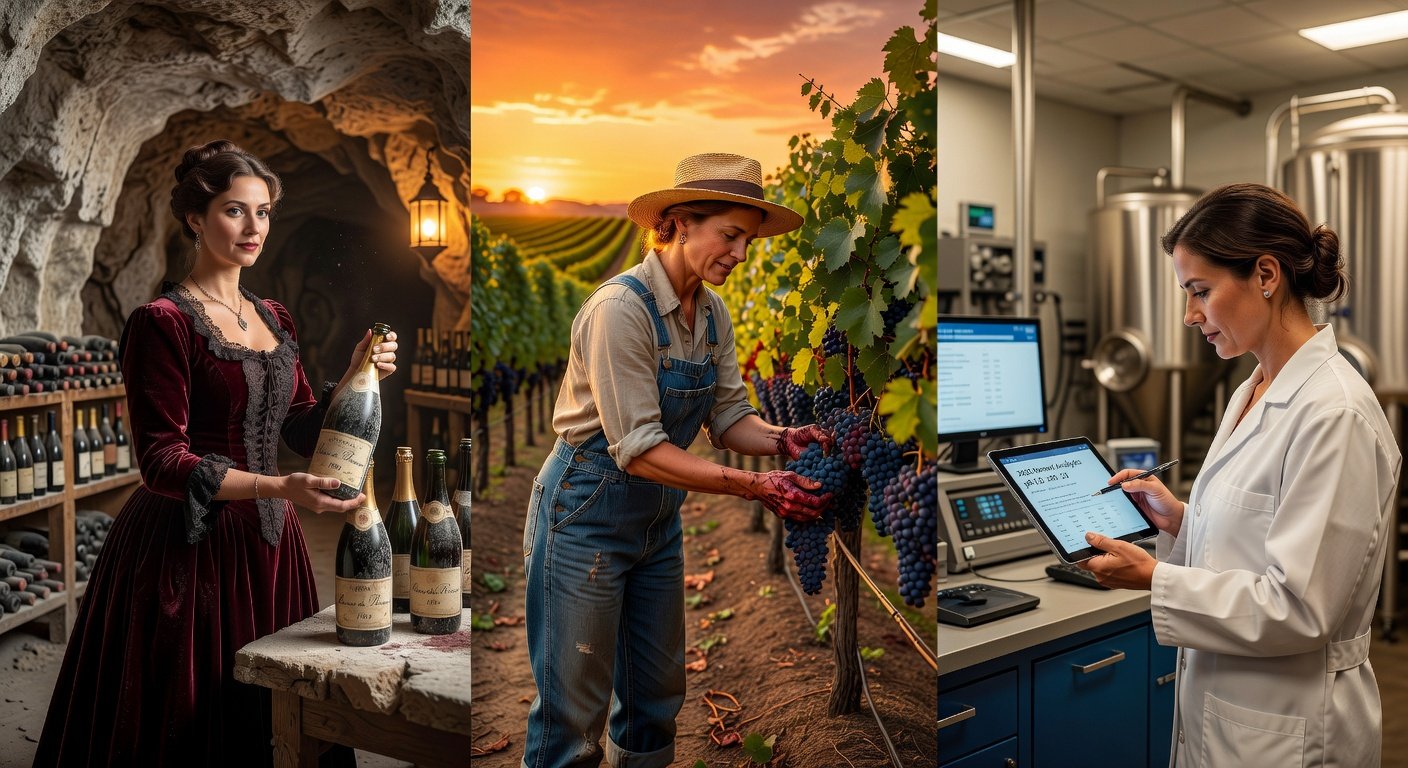
Ancient myths romanticize wine, but real innovators—farmers, traders, scribes—drove progress. They inspire rituals like blessing vines (echoing Dionysus) and ethical farming (Noah's renewal). For deeper history, check the International Organisation of Vine and Wine (OIV).
2026 Trends: Sustainability and Innovation
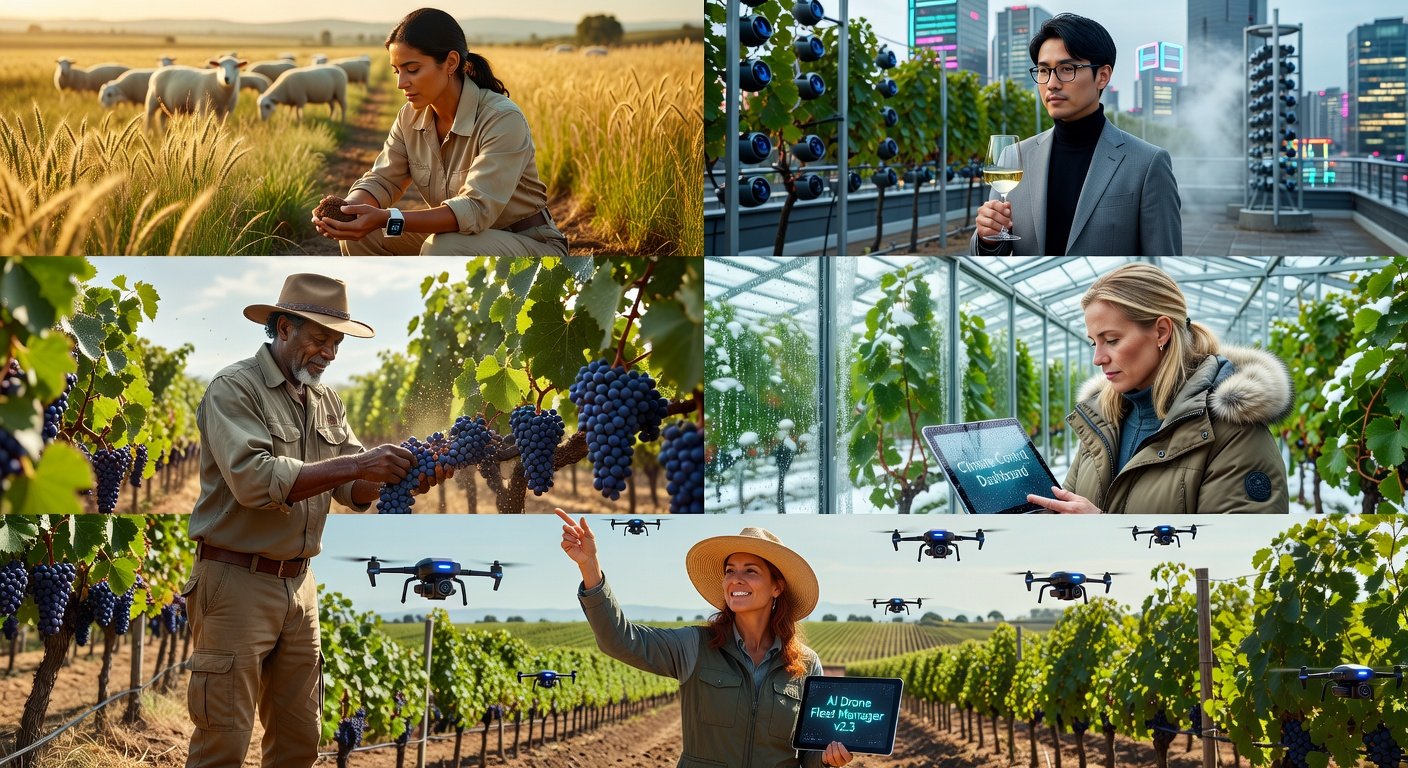
Looking to 2026, these legends fuel eco-conscious shifts. Sustainable practices draw from ancient resilience: regenerative agriculture mimics Noah's replanting, with cover crops restoring soil. Dionysus's wild vines inspire minimal-intervention natural wines, projected to grow 15% annually per OIV data.
Innovation blends myth with tech: AI monitors vineyards like Roman overseers, drones mimic Egyptian irrigation precision. Low-intervention fermentation nods to Icarius's purity. Expect blockchain-traced wines for transparency and lab-grown yeasts for climate adaptation. UNESCO-recognized terraces (like in UNESCO World Heritage sites) promote biodiversity.
By 2026, 40% of global wine may be organic/sustainable, per industry forecasts. Myths remind us: wine thrives on harmony with nature.
Conclusion
From Dionysus to Osiris, these myths veil true tales of human ingenuity. They propel winemaking toward a sustainable, innovative future. Raise a glass to history's real heroes—and the 2026 vintages they'll inspire.
No comments yet. Be the first!