 Uncorked Conversations
In the ever-evolving world of wine, 2026 heralds a new era where sustainability meets audacious innovation. Five rising winemakers are at the forefront, blending personal grit with eco-conscious practices and experimental flavors. Their stories aren't just about bottles; they're rewriting wine history for enthusiasts seeking inspiration and the next great sip.
Elena Vasquez: Regenerative Pioneer from Rioja, Spain
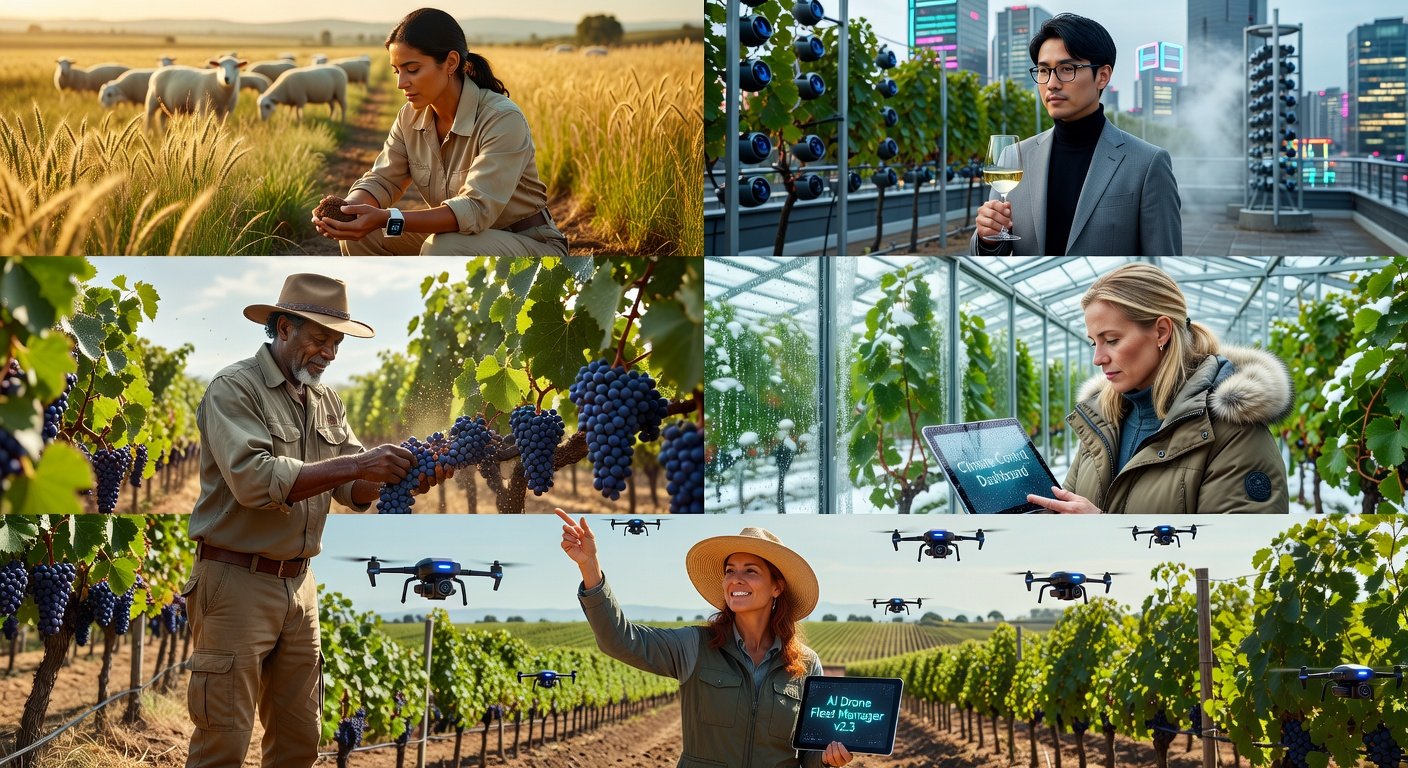
Elena Vasquez, a 35-year-old former environmental engineer, traded lab coats for vineyard soil in Rioja. Growing up amid Spain's arid landscapes, she witnessed climate change's toll on family vines. In 2020, she launched Vasquez Vinos, committing to regenerative agriculture—no tilling, cover crops, and sheep grazing to restore soil health.
Her pivotal challenge? A 2022 drought that withered 40% of her crop. "We adapted by installing solar-powered drip irrigation and harvesting fog water," Elena shares in an exclusive insight. Her bold experiments include co-fermenting Tempranillo with native herbs, yielding a vibrant red with earthy, herbal twists. Critics hail her 2025 vintage as "Rioja redefined." Vasquez's approach reduces carbon footprints by 30%, proving sustainability boosts flavor depth.
Kai Nakamura: Urban Innovator in Tokyo, Japan
Kai Nakamura, 32, defied tradition by starting Japan's first rooftop winery atop a Tokyo skyscraper. A sommelier turned winemaker, his backstory involves urban foraging during the pandemic, sparking a vision for city-grown wine. Using hybrid grapes resilient to heat, he employs vertical farming and aquaponics for zero-waste production.
Facing skepticism from purists, Kai overcame supply chain hurdles by partnering with local breweries for shared tech. "Wine shouldn't be rural-exclusive," he says. His experiments blend Koshu grapes with yuzu and wasabi hints, creating crisp, spicy whites perfect for sushi. In 2026, Nakamura's wines symbolize urban sustainability, exported to 20 countries.
Aisha Mbatha: Indigenous Guardian in South Africa
Aisha Mbatha, 38, from Stellenbosch, champions forgotten South African grapes like Pinotage and Chenin Blanc hybrids. Orphaned young, she apprenticed under legends before founding Mbatha Roots in 2021, focusing on biodiversity through polyculture vineyards—interplanting with fynbos flora.
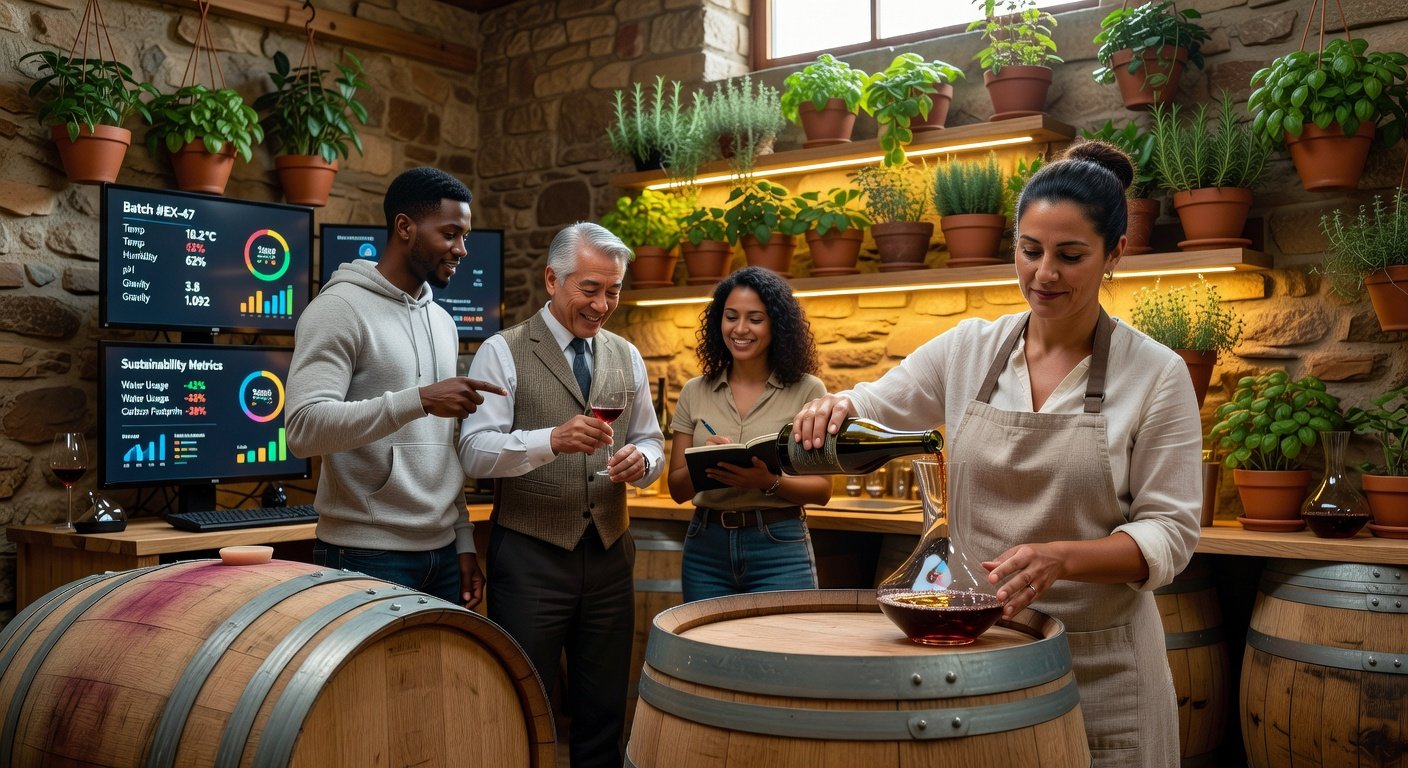
Her trial by fire: 2024 floods destroying half her estate. Rebuilding with elevated rootstocks and AI-monitored drainage, Aisha triumphed. "Our wines taste like Africa's soul," she reveals. Bold flavors from skin-contact ferments deliver smoky, floral bombs. Her practices enhance wildlife corridors, aligning with global biodiversity goals. For more on sustainable viticulture, check Wine Institute.
Lars Eriksson: Nordic Climate Warrior, Sweden
Lars Eriksson, 29, is pushing winemaking into Scandinavia's chilly frontiers near Gothenburg. A climate scientist's son, he planted solar-powered greenhouses in 2023, using hybrid Solaris grapes bred for cold snaps. His journey overcame permafrost-like winters with geothermal heating and wind turbines.
"We turned adversity into advantage," Lars notes. Experiments include ice wine with lingonberry infusions, offering tart, crystalline profiles. His 2026 releases are buzzing at festivals, proving northern Europe can rival classics. Lars's zero-emission model inspires cold-climate pioneers worldwide.
Mia Chen: Tech-Fusion Trailblazer in Australia
Mia Chen, 34, of Barossa Valley, fuses AI with ancestral methods. Descended from Chinese immigrants who planted vines in the 1800s, she revived old Shiraz blocks using drone analytics for precise biodynamic sprays. Her 2022 launch faced bushfire scars, but blockchain-tracked carbon offsets rebuilt trust.
Insights from Mia: "Data dreams, soil speaks." Bold moves like AI-optimized wild yeast ferments produce plush, savory reds with umami edges. Her sustainable metrics—50% less water use—set benchmarks. Learn about biodynamics at Demeter International.
Reshaping Wine History
These winemakers aren't just producing wine; they're crafting legacies. Vasquez restores soils, Nakamura urbanizes the craft, Mbatha preserves heritage, Eriksson conquers climates, and Chen tech-enables futures. Their challenges—droughts, floods, skepticism—fueled innovations that cut emissions, amplify flavors, and engage communities.
For enthusiasts, 2026 offers a call to action: seek these labels, visit their estates, and toast to progress. As Elena sums up, "Wine's future is sustainable, or not at all." Their stories inspire a greener, bolder glass. Explore top wine insights via Wine Spectator.
No comments yet. Be the first!