 Uncorked Conversations
Understanding Terroir in Australia's Premier Wine Regions
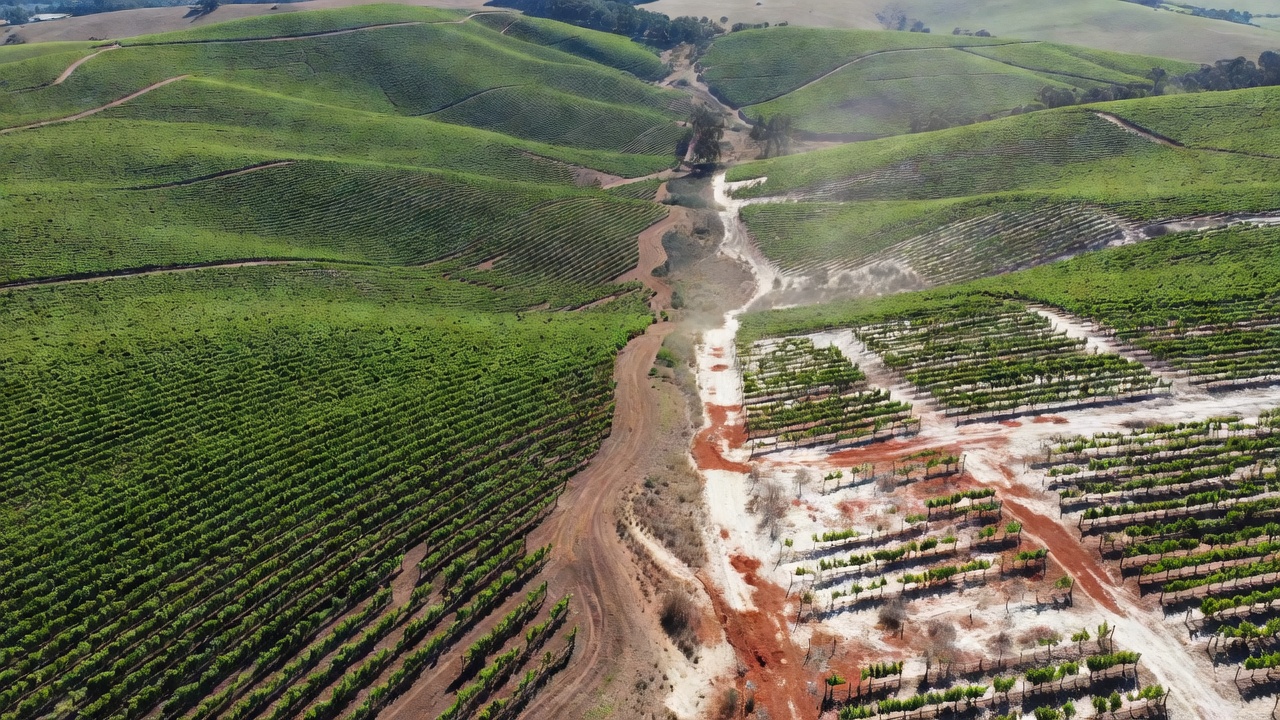
Australia's wine landscape offers remarkable diversity, and few comparisons capture traveler interest like Yarra Valley versus Hunter Valley. For 2026 wine tours, understanding terroir—the unique combination of soil, climate, and topography—reveals why each region produces distinctive wines. This guide delivers an in-depth side-by-side analysis to help you choose the perfect immersive experience. Terroir influences everything from grape ripening speed to final flavor nuances, making it essential knowledge for enthusiasts planning regional escapes beyond typical tourist paths.
Yarra Valley Terroir: Cool-Climate Elegance
The Yarra Valley, located just outside Melbourne, features ancient soils and a cool maritime climate. Predominantly clay-loam and sandy soils over granite bedrock create excellent drainage that stresses vines just enough to concentrate flavors. Cool nights and moderate daytime temperatures preserve acidity in grapes, resulting in elegant, age-worthy wines. Pinot Noir and Chardonnay thrive here, often showing bright red fruit, floral notes, and mineral complexity shaped by the region's misty mornings and consistent breezes from the nearby coast. These conditions slow ripening, allowing development of complex secondary aromas like earth and spice that distinguish Yarra wines from warmer-climate counterparts.
Key Estates and Flavor Profiles
Estates such as De Bortoli and Yarra Yering demonstrate how terroir influences outcomes. Their Pinot Noirs frequently display earthy undertones and silky textures due to the cool ripening period. Additional producers like Oakridge and Giant Steps highlight how specific vineyard sites within the valley yield wines with pronounced cherry and violet notes alongside a signature stony finish. Wine Australia highlights the valley's suitability for sparkling wines as well, where high acidity from the cool climate creates vibrant bubbles ideal for extended aging.
Hunter Valley Terroir: Warm-Climate Intensity
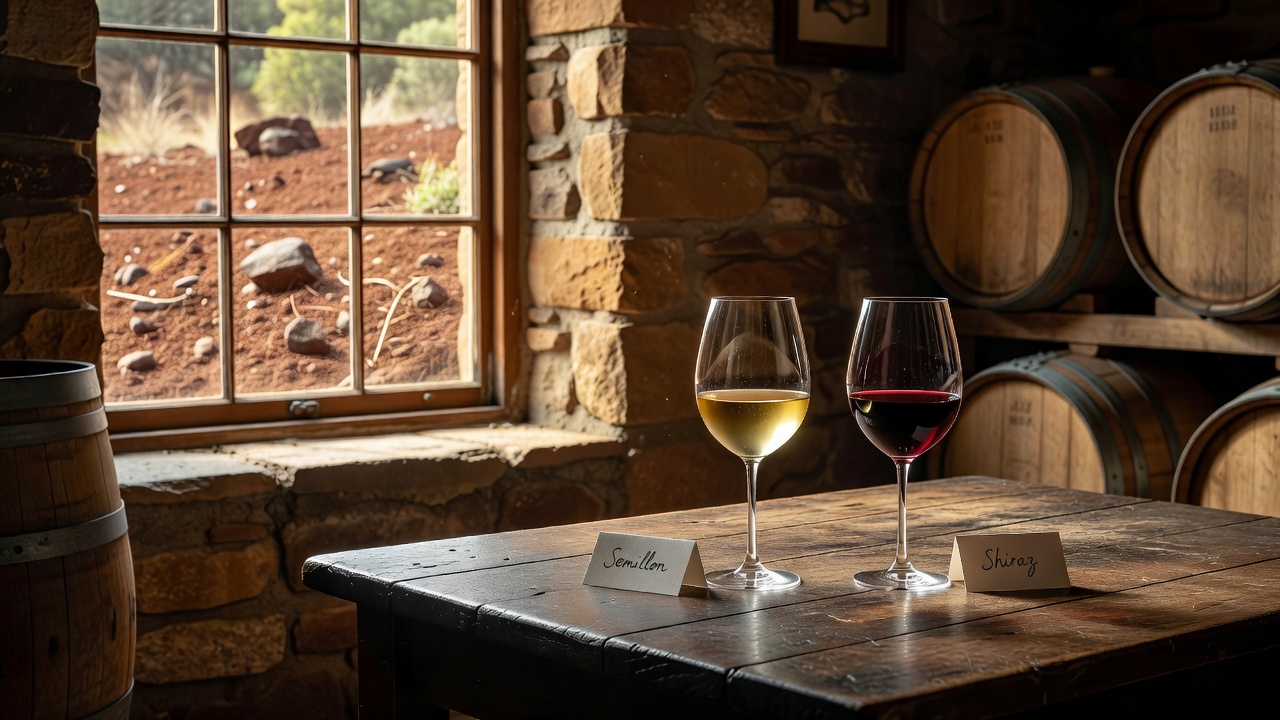
Further north in New South Wales, the Hunter Valley benefits from volcanic basalt soils and a warmer, humid subtropical climate. Higher temperatures and afternoon sea breezes accelerate ripening, producing fuller-bodied wines with concentrated fruit. Semillon and Shiraz dominate, with Semillon developing distinctive honeyed and citrus profiles after bottle aging thanks to the region's unique ability to retain freshness despite warmth. The volcanic soils contribute minerality and structure, while humidity encourages thicker skins that protect against disease yet add phenolic depth to the finished wines.
Key Estates and Flavor Profiles
Wineries like Tyrrell's and Brokenwood showcase how volcanic soils impart structure and depth. Their Shiraz often features dark fruit, spice, and a signature earthy minerality unique to the region. Other notable estates include Mount Pleasant and Audrey Wilkinson, where Semillon wines evolve from crisp lemon-lime youthfulness into rich, nutty maturity over five to ten years. This aging potential stems directly from the interplay of warmth and soil minerals that build resilient acidity.
Side-by-Side Terroir Comparison
Examining both regions reveals clear contrasts that shape tour choices. Yarra's ancient sedimentary clays contrast with Hunter's volcanic basalt, affecting water retention and nutrient availability. Climate differences mean Yarra experiences cooler averages with greater diurnal swings, while Hunter enjoys consistent warmth moderated by coastal breezes. Grape suitability follows accordingly: cool-climate varieties excel in Yarra, whereas heat-tolerant grapes define Hunter expressions. Wine styles range from elegant and acidic in the south to rich and age-worthy in the north, influencing everything from tasting room presentations to food pairings during tours.
- Soil: Yarra's ancient sedimentary clays versus Hunter's volcanic basalt
- Climate: Cool maritime (Yarra) versus warm humid (Hunter)
- Grapes: Pinot Noir/Chardonnay (Yarra) versus Semillon/Shiraz (Hunter)
- Wine Style: Elegant and acidic versus rich and age-worthy
- Topography: Gentle rolling hills in Yarra versus broader valley floors in Hunter
2026 Wine Tour Experiences and Immersive Options
Immersive tours in both regions include vineyard walks, barrel tastings, and behind-the-scenes access to winemaking processes. Yarra tours often emphasize cool-climate viticulture workshops, soil pit demonstrations, and vertical tastings spanning multiple vintages. Hunter experiences highlight Semillon cellaring potential with library tastings and visits to historic vineyards planted in the 1800s. Seasonal highlights include harvest festivals in March, where visitors participate in grape picking, and spring pruning demonstrations that reveal how growers adapt to each terroir. Multi-day itineraries allow seamless transitions between regions or focused deep dives into one valley's micro-sites.
Pairing Suggestions with Local Cuisine
Yarra Pinot Noir pairs beautifully with duck confit, wild mushroom risottos, or aged cheeses from nearby dairies, where the wine's acidity cuts through richness. Hunter Semillon complements seafood such as grilled barramundi or spicy Thai-inspired dishes common in regional restaurants, its citrus notes balancing heat and enhancing freshness. Shiraz from Hunter suits grilled lamb or barbecued meats, mirroring the robust flavors of the area's volcanic soils. Many tours incorporate chef-prepared lunches showcasing these matches, often using produce from valley farms to illustrate farm-to-glass connections.
Recommended Tour Operators and Booking Tips
Choose operators with small groups for personalized insights into terroir specifics. Look for those offering private vineyard access and educational components like soil sampling explanations. Book 2026 experiences early, especially for private tastings during peak seasons. Consider shoulder seasons like April or September for milder weather and fewer crowds, allowing more time to explore at leisure. Always confirm inclusions such as transport, meals, and educational materials. Practical steps include checking operator credentials through regional tourism boards, reading recent guest reviews for authenticity, and preparing questions about vintage variations ahead of your visit.
FAQs on Tour Durations and Practicalities
Typical full-day tours last 6–8 hours, covering two to four estates with time for lunch and discussion. Multi-day packages allow deeper exploration of both regions, often including overnight stays near vineyards. Travelers seeking unique insights beyond mainstream spots will find both valleys rewarding, with Yarra offering proximity to Melbourne and Hunter providing a more rural escape. Common questions cover transportation options, dietary accommodations during pairings, and suitability for beginners versus experienced tasters. Most operators provide flexible options tailored to group size and interest level.
Conclusion: Choosing Your 2026 Adventure
Whether you prefer the refined elegance of Yarra Valley or the bold intensity of Hunter Valley, terroir shapes unforgettable wine journeys. Plan your tour around specific grape varieties and seasonal events for the richest experience. Both regions reward curious travelers with stories told through soil, climate, and dedicated winemakers.
No comments yet. Be the first!