 Uncorked Conversations
Understanding Terroir in Bordeaux and Napa Valley
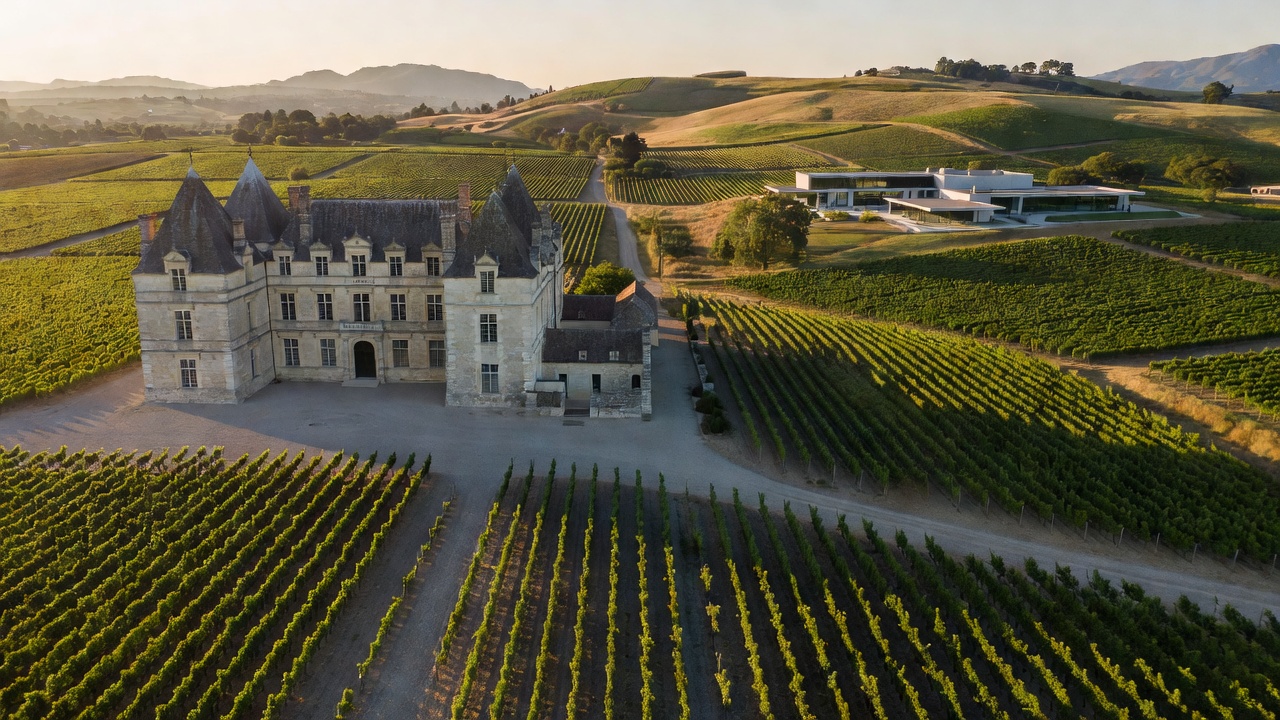
Terroir encompasses the unique combination of soil, climate, topography, and human practices that shape a wine's character. For travelers planning 2026 wine tours, understanding these differences between Bordeaux and Napa Valley helps select the right destination based on personal taste preferences and travel style. Bordeaux represents the classic Old World style with centuries of tradition, while Napa embodies New World innovation and modern winemaking techniques. This comparison dives deep into the factors that make each region distinct, offering concrete examples and planning advice to ensure your trip delivers memorable experiences.
Soil Types and Their Vineyard Impact
Bordeaux's soils vary significantly by appellation and river bank. Left Bank areas feature gravelly soils that drain well and retain heat, ideal for Cabernet Sauvignon, as seen in the Médoc where deep gravel layers support structured, long-lived wines. Right Bank regions offer clay and limestone, favoring Merlot with softer textures and earlier ripening, such as in Pomerol and Saint-Émilion. These mineral-rich compositions contribute to elegant, age-worthy wines that reflect the earth beneath the vines.
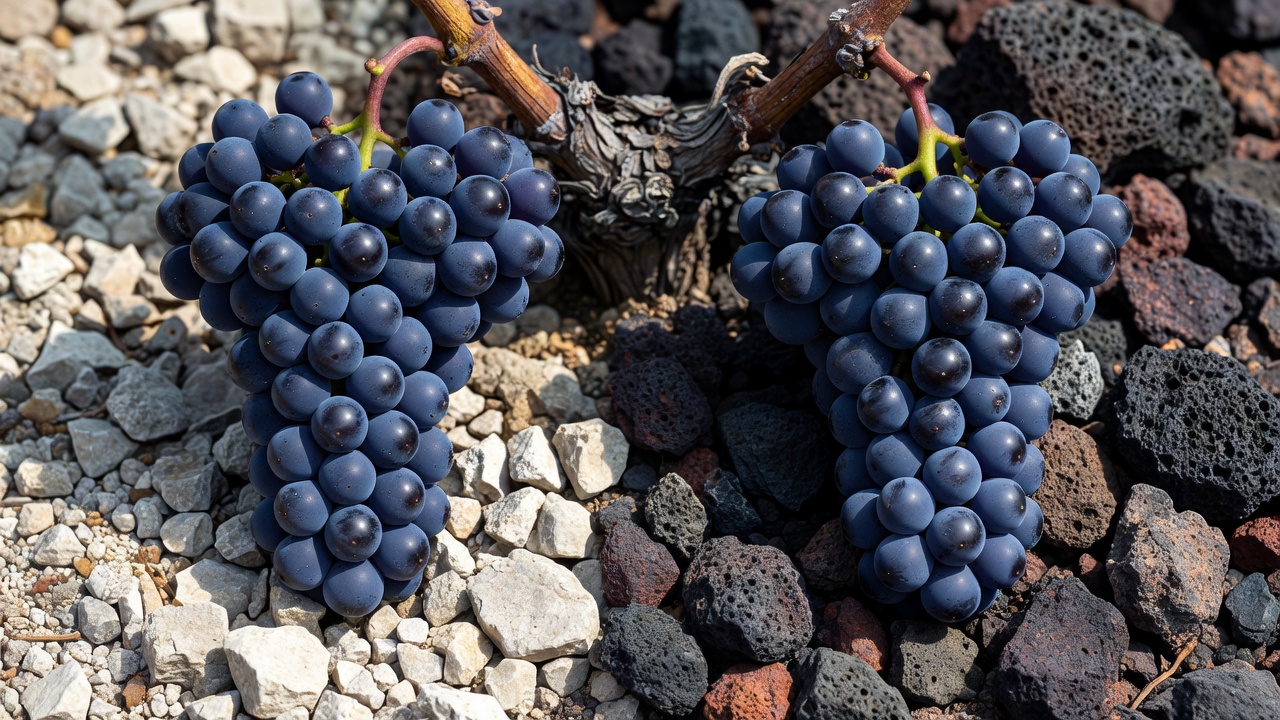
Napa Valley features volcanic, alluvial, and sedimentary soils across its sub-appellations. Volcanic soils in areas like Howell Mountain and Diamond Mountain provide excellent drainage and minerality, producing wines with vibrant acidity and firm structure. Valley floor alluvial soils offer fertility for richer fruit profiles, while sedimentary deposits in Rutherford create the famous "dusty" tannins associated with benchmark Cabernets. This diversity allows for expressive, fruit-forward styles that highlight the valley's varied geology.
Climate Influences on Vineyards
Bordeaux enjoys a maritime climate moderated by the Gironde estuary, with mild winters and warm summers. Rainfall is consistent but can challenge harvests with humidity, leading to elegant wines with balanced acidity and moderate alcohol levels. Historical weather patterns show how vintage variation plays a key role, with cooler years producing lighter styles and warmer ones yielding more approachable reds.
Napa's Mediterranean climate brings warm, dry summers and cool nights influenced by Pacific breezes. Fog from San Pablo Bay cools vineyards, preserving acidity and extending the growing season. Diurnal swings enhance flavor concentration, resulting in bolder, riper expressions with higher alcohol potential. Both regions face ongoing climate challenges, including shifting rainfall and temperature trends that winemakers adapt to through canopy management and irrigation strategies, preparing vineyards for successful 2026 harvests and tours.
Signature Regional Wines
Bordeaux produces blends dominated by Cabernet Sauvignon, Merlot, and Cabernet Franc, often with smaller amounts of Petit Verdot or Malbec. These deliver notes of blackcurrant, tobacco, leather, and graphite with firm tannins and bright acidity. White Bordeaux from Sauvignon Blanc and Sémillon offers citrus and herbal profiles in regions like Graves.
Napa excels with varietal Cabernet Sauvignon showcasing black cherry, cassis, vanilla, and chocolate from oak influence. Zinfandel provides spicy, jammy fruit, while Chardonnay delivers rich, buttery textures from cool-climate sites. The region's focus on single-varietal bottlings contrasts with Bordeaux's traditional blending philosophy, giving visitors clear tasting comparisons during tours.
Side-by-Side Cabernet Sauvignon Expressions
A Left Bank Bordeaux Cabernet offers graphite, cedar, tobacco leaf, and restrained dark fruit with high acidity and tannin structure that rewards cellaring. In contrast, a Napa Valley Cabernet delivers plush black fruit, mocha, baking spices, and softer tannins due to riper grapes and generous new oak aging. Side-by-side flights during a tour might pair a Saint-Julien example with one from Oakville, highlighting how terroir shapes body, finish, and food-pairing potential.
These contrasts become even more apparent when tasting alongside regional cuisine, helping travelers decide which style aligns with their palate for future purchases or cellar additions.
Tour Logistics: Tastings and Itineraries
Bordeaux tours often center around historic châteaux with seated tastings, guided vineyard walks, and barrel cellar visits. Multi-day itineraries might include the Médoc for Left Bank reds, Saint-Émilion for Right Bank blends, and Graves for whites, with options for bicycle tours along the river or riverboat excursions.
Napa emphasizes estate hopping with advance appointments, picnic lunches amid vines, and experiences like hot-air balloon rides or cooking classes. A typical week covers Napa Valley proper plus a day in Sonoma for additional variety. Transportation between sites relies on hired drivers or shuttles due to winding roads and tasting room rules.
Step-by-Step Planning for First-Time Visitors
- Research entry requirements and book international flights at least six months ahead to secure optimal routes and schedules.
- Secure tasting reservations early, as both regions require appointments; use official tourism platforms to compare availability across multiple estates.
- Choose shoulder seasons like spring or fall for milder weather, lower crowds, and better access to smaller producers.
- Arrange private drivers, e-bikes, or organized group tours to ensure safe travel between properties while allowing time for each visit.
- Pack layers for variable weather conditions, comfortable walking shoes for vineyard terrain, and a journal to record tasting impressions.
- Consider sustainability certifications when selecting estates to support eco-friendly practices common in both regions.
Practical Comparisons for 2026 Travelers
European charm, historic architecture, and walkable villages define Bordeaux experiences, while Napa offers modern luxury tasting rooms, diverse lodging options, and easier accessibility from major California airports. Language considerations favor English in Napa, whereas Bordeaux benefits from basic French phrases or translation apps. Group size and pace preferences should guide the choice, with Bordeaux suiting those seeking cultural immersion and Napa appealing to visitors prioritizing convenience and variety.
Resources like Bordeaux official tourism and Napa Valley tourism provide updated maps, event calendars, and booking tools. Additional guidance appears on official French travel portals for cross-border planning.
Common Mistakes to Avoid on Wine Tours
- Overbooking too many tastings in one day, which leads to palate fatigue and rushed experiences.
- Ignoring appointment requirements, resulting in turned-away visitors at popular estates.
- Skipping research on sub-regions, missing signature styles unique to specific AVAs or appellations.
- Underestimating travel time between sites, especially in hilly Napa terrain or spread-out Bordeaux countryside.
Short FAQ on Booking, Seasonality, and Pairings
When is the best time to visit? April to June or September to October avoid peak summer heat and harvest crowds while offering pleasant vineyard conditions and festival opportunities.
How far in advance should tours be booked? Reserve tastings and accommodations at least two months ahead for popular estates, with earlier planning recommended for peak periods or private group experiences.
What foods pair well? Bordeaux blends match roasted lamb, duck, or aged cheeses; Napa Cabernets complement grilled steak, mushroom dishes, or dark chocolate desserts.
Are there options for non-drinkers or mixed groups? Many estates offer non-alcoholic tastings, vineyard tours, and picnic areas suitable for all ages and preferences.
Conclusion
Both Bordeaux and Napa Valley deliver unforgettable 2026 wine tours when matched to individual preferences for history, style, and logistics. By examining terroir details, comparing expressions, and following structured planning steps, travelers can create customized itineraries that maximize enjoyment and insight. Whether drawn to Old World elegance or New World vibrancy, these regions promise enriching journeys through the world of wine.
No comments yet. Be the first!