 Uncorked Conversations
Tuscany Terroir: 2026 Vineyard Tours & Regional Wines Guide
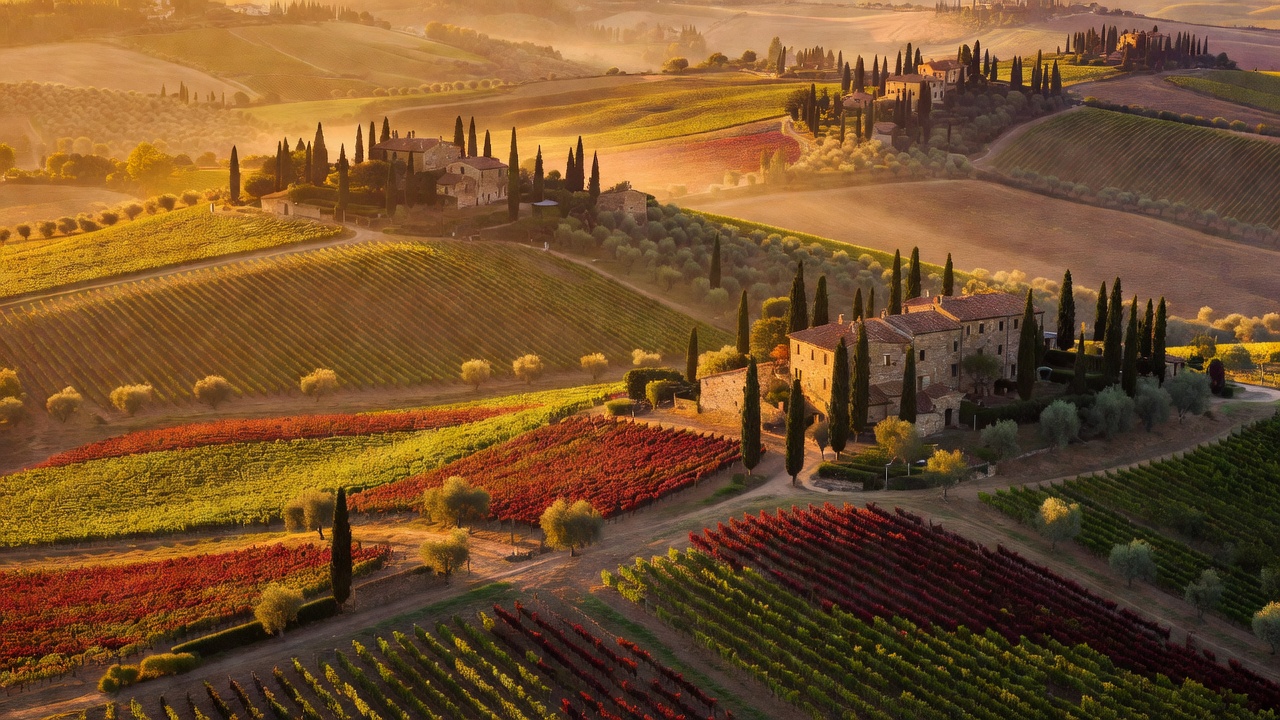
Tuscany stands as one of the world's most celebrated wine destinations, where ancient traditions meet dramatic landscapes shaped by centuries of viticulture. For first-time visitors, understanding terroir—the unique combination of soil, climate, topography, and human influence—unlocks the magic behind iconic regional wines like Chianti Classico and Brunello di Montalcino. This comprehensive guide dives deep into Tuscany's key zones, explains how microclimates shape Sangiovese grapes, and provides actionable 2026 vineyard tour itineraries focused on sustainable practices that protect the land for future generations.
Understanding Terroir in Tuscany
Terroir defines why wines from neighboring vineyards can taste remarkably different even when using the same grape variety. In Tuscany, rolling hills of varying elevations, diverse geological formations, and Mediterranean influences create distinct expressions of Sangiovese, the dominant red grape. The region's limestone-rich galestro and alberese soils contribute minerality and elegant structure, while clay-heavy areas add body, richness, and darker fruit profiles. Sustainable viticulture, including organic and biodynamic methods, helps preserve these natural characteristics amid changing weather patterns influenced by climate shifts. Visitors who grasp these elements gain a deeper appreciation for why a wine from one hillside tastes vibrant and floral while another from the valley floor feels powerful and structured.
Chianti Classico: Soils and Sangiovese Expression
Chianti Classico occupies the heart of Tuscany between Florence and Siena, spanning roughly 70,000 hectares of protected hills. Here, galestro soils dominate the higher elevations, producing elegant, age-worthy Sangiovese with bright cherry notes, violet aromas, and herbal undertones that evolve beautifully over time. Lower slopes feature more compact clay mixed with alberese limestone, yielding fuller-bodied wines with softer tannins and red plum characteristics. The Black Rooster seal on bottles guarantees authentic Chianti Classico DOCG status, distinguishing it from the broader Chianti DOCG zones. Many estates now emphasize biodiversity through cover crops, reduced chemical interventions, and regenerative farming to maintain soil health. First-time visitors often compare Chianti Classico directly to everyday Chianti, noting the former's superior complexity, aging potential, and consistent quality that reflects its specific terroir.
Montalcino and Brunello di Montalcino
South of Siena, the Brunello di Montalcino zone benefits from warmer, drier conditions on the slopes of Monte Amiata. Sandy and stony soils promote excellent drainage, resulting in powerful, long-lived wines capable of aging for decades. Brunello must age at least five years before release, showcasing dark fruit, leather, tobacco, and spice aromas that develop layers of complexity. Compared to Chianti, Brunello offers greater intensity, firmer structure, and higher tannin levels, making it ideal for special occasions or cellaring. Sustainable estates here focus on low yields, native yeast fermentation, and minimal intervention to highlight pure terroir expression without additives. The smaller production area creates exclusivity that appeals to collectors seeking authentic regional wines.
Additional Key Regions: Montepulciano and Maremma
Beyond the headline zones, Vino Nobile di Montepulciano offers an elegant middle ground with floral and cherry notes from mixed clay and sandy soils. The coastal Maremma area introduces maritime influences that keep acidity vibrant in Sangiovese blends, often producing more approachable wines suited to casual pairings. These regions demonstrate how slight terroir shifts create a spectrum of styles within Tuscany's wine landscape.
How Microclimates Influence Sangiovese
Tuscany's varied elevations and proximity to the sea create microclimates that dramatically affect ripening cycles and flavor development. Coastal Maremma experiences maritime breezes that moderate temperatures and preserve acidity, while inland valleys endure extreme diurnal shifts that concentrate sugars and phenolics for richer wines. Higher altitudes delay harvest by weeks, preserving freshness and floral aromatics in Sangiovese. These variations explain why wines from the same producer's different vineyards can show distinct personalities year after year, and why 2026 vintages will reflect specific weather events in each pocket of the region.
Sustainable Practices Across Tuscany
Many producers adopt organic farming, solar power installations, and advanced water conservation techniques to minimize environmental impact. Certifications like Equalitas and VIVA promote transparency in environmental and social responsibility. Choosing tours at sustainable estates supports biodiversity corridors, pollinator habitats, and soil regeneration programs that combat climate challenges affecting future harvests. 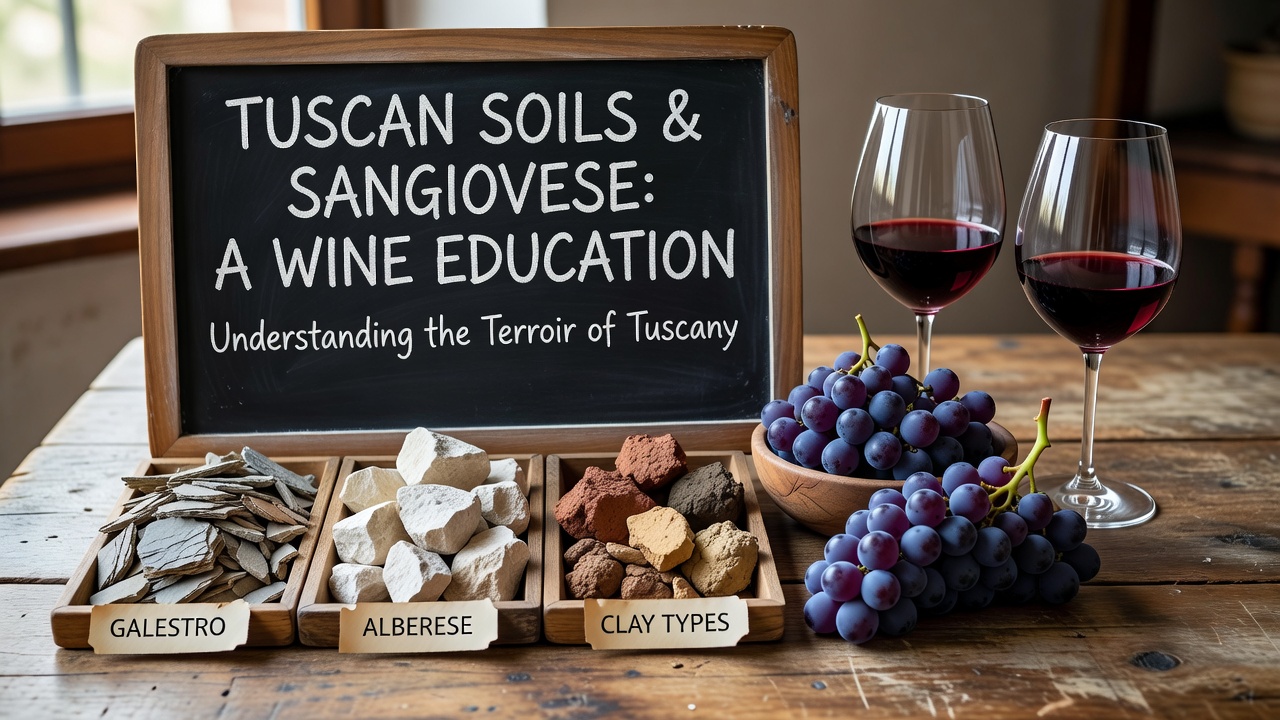
Practical 2026 Vineyard Tour Itineraries
Plan a 3-5 day journey starting in Florence for easy access. Day 1 focuses on Chianti Classico with stops at two or three estates for guided terroir walks and tastings. Day 2 travels south to Montalcino for Brunello-focused visits including barrel cellars. Day 3 explores Maremma's coastal wines with lunch pairings. Include rest days for olive oil tastings, medieval village exploration, and local market visits. Extend to a full week by adding Montepulciano and relaxation time in thermal spas.
Booking Tips for First-Time Visitors
- Reserve tastings 4-6 weeks ahead, especially for small family-run producers during peak seasons.
- Choose morning visits to avoid crowds, afternoon heat, and to experience cooler cellar conditions.
- Opt for e-bike tours, private drivers, or organized shuttles to enjoy responsibly without driving concerns.
- Look for English-speaking guides, educational terroir presentations, and estates offering vineyard walks.
- Check cancellation policies and confirm dietary accommodations for food pairings in advance.
Standout estates include Castello di Ama in Chianti for its modern art installations alongside exceptional wines, and Biondi-Santi in Montalcino for its historic Brunello heritage and pioneering sustainable methods that have influenced the entire region.
Regional Wines Comparison
- Chianti Classico: Medium body, red fruit and herbal notes, versatile with a wide range of foods from pasta to roasted poultry.
- Brunello di Montalcino: Full body, structured tannins, dark fruit and earth, excellent with aged cheeses, wild game, or rich stews.
- Vino Nobile di Montepulciano: Elegant and floral with softer tannins, often more approachable and budget-friendly for everyday enjoyment.
- Maremma Sangiovese blends: Fresh acidity, bright berry flavors, ideal for seafood or lighter summer meals.
These differences stem directly from terroir variations across zones, allowing visitors to sample a full spectrum during a single trip.
FAQ: Pairing and Seasonal Visits
What foods pair best with Sangiovese-based wines?
Traditional pairings include pasta with ragù, grilled meats, pecorino cheese, and mushroom dishes. Lighter Chianti suits tomato-based sauces, while structured Brunello complements wild game and truffles.
When is the best time to visit Tuscany vineyards in 2026?
April through June and September through October offer pleasant weather, blooming landscapes, and fewer crowds than July and August. Harvest season in September and early October provides unique hands-on vineyard experiences, though reservations become essential early.
Are wine tours suitable for complete beginners?
Yes. Many estates offer introductory sessions explaining terroir basics, grape varieties, and tasting techniques without overwhelming technical jargon, making them perfect entry points for new enthusiasts.
How should I prepare for a 2026 wine tour?
Pack comfortable walking shoes, sun protection, and a notebook for tasting notes. Research estate websites beforehand and consider joining small-group tours for more personalized attention.
Exploring Tuscany's wine regions through the lens of terroir creates unforgettable memories and a genuine connection to the land. Whether sampling Chianti or Brunello, focus on sustainable producers to ensure these landscapes thrive for future visitors. Learn more about global wine standards and plan your Italian journey.
No comments yet. Be the first!