 Uncorked Conversations
Introduction to Willamette Valley Terroir
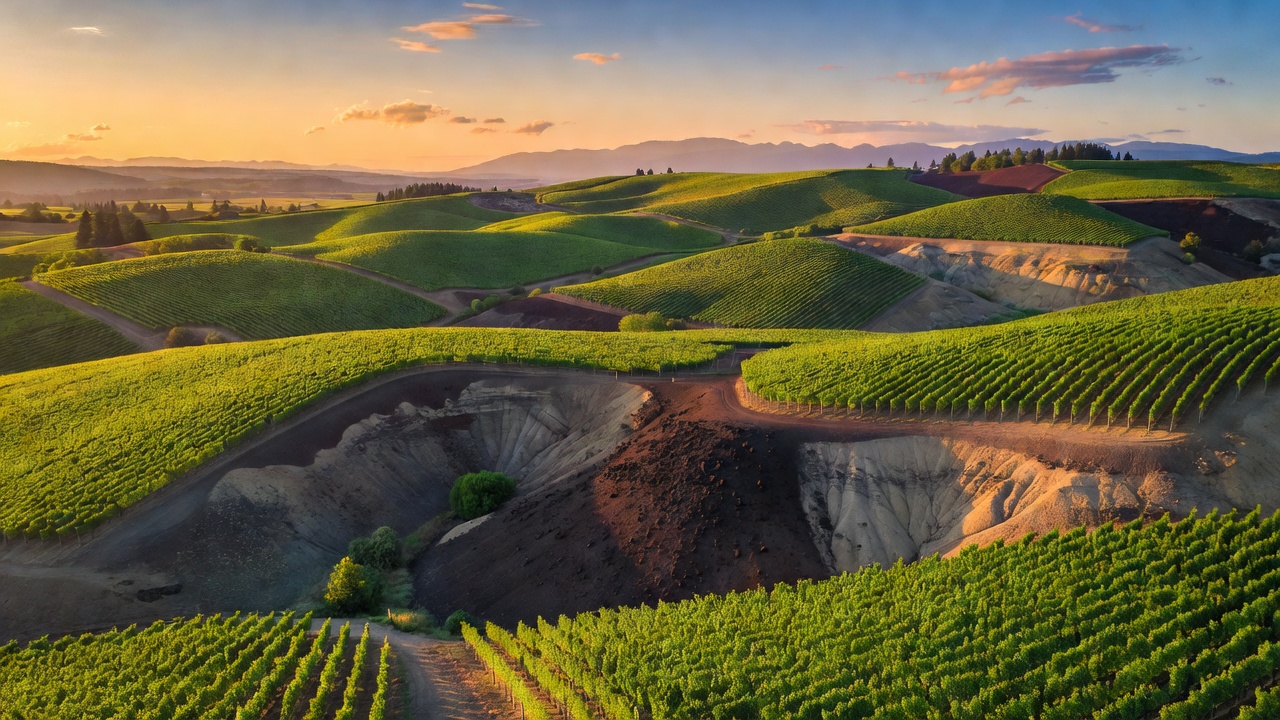
Willamette Valley stands as one of the world's premier wine regions, celebrated for its distinctive terroir that shapes exceptional Pinot Noir. For beginners planning 2026 vineyard visits, understanding terroir—the unique combination of soil, climate, and topography—unlocks the story behind each glass. This guide provides an educational foundation, covering soils, sub-regions, tasting comparisons, tour recommendations, and practical tips to make your first trips rewarding and memorable. The valley's cool maritime climate, moderated by the Coast Range, creates long growing seasons that allow grapes to develop nuanced flavors while retaining vibrant acidity. Beginners often find the region's welcoming atmosphere and focus on sustainable farming especially inviting as they learn how place influences every sip.
Understanding Terroir in Willamette Valley
Terroir refers to the environmental factors that influence grape growth and wine character. In the Willamette Valley, a cool-climate region in Oregon, the interplay of marine air from the Pacific and protective coastal mountains creates ideal conditions for Pinot Noir. The valley's diverse geology produces wines with remarkable complexity, from earthy minerality to bright fruit notes. Beginners will appreciate how these elements translate into approachable yet sophisticated wines. Elevation changes across the valley floor and hillsides further modulate temperatures, leading to slower ripening that preserves delicate aromatics. Many producers emphasize minimal intervention to let the terroir speak clearly in the final bottle.
Volcanic and Sedimentary Soils Explained
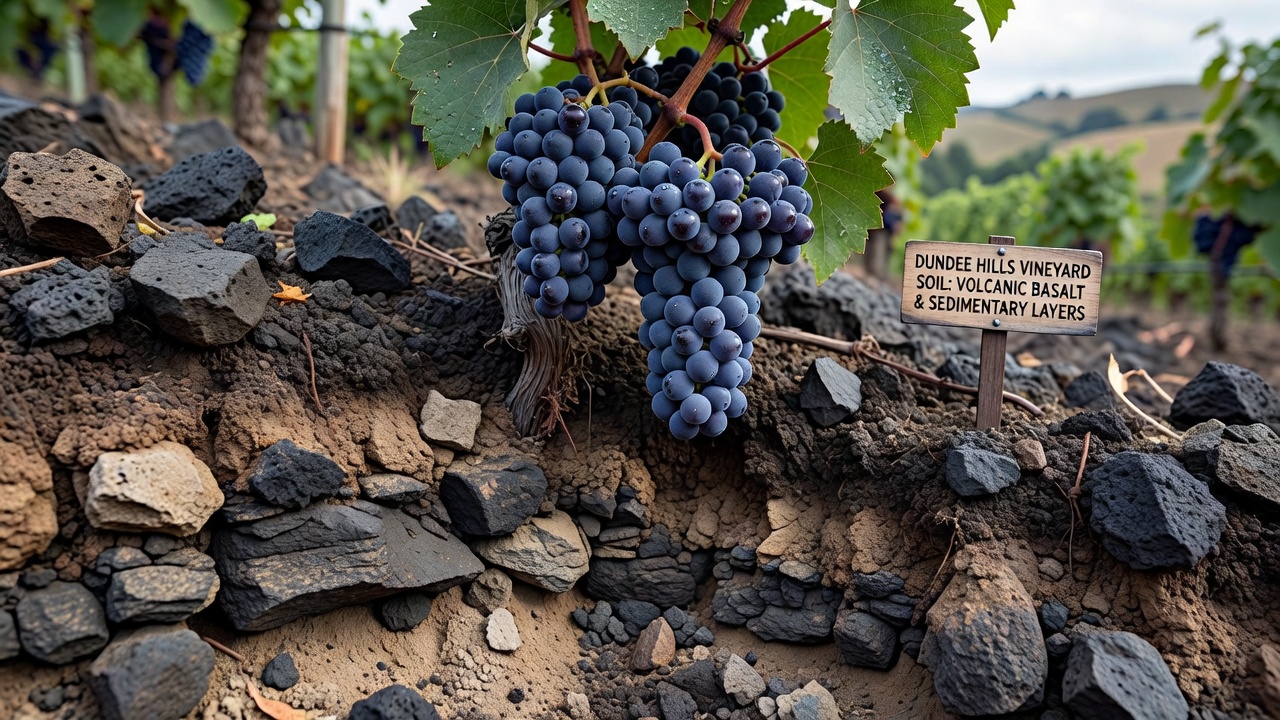
The valley features two primary soil types that define its terroir. Volcanic soils, rich in basalt and andesite from ancient eruptions, offer excellent drainage and retain warmth, promoting concentrated flavors in grapes. Sedimentary soils, formed from ancient seabeds, provide a mix of silt, clay, and marine deposits that contribute to elegant, aromatic profiles. These variations allow winemakers to craft wines with distinct personalities depending on the vineyard site. For instance, a volcanic plot might yield grapes with thicker skins and deeper color, while sedimentary areas produce lighter, more perfumed fruit. Many vineyards blend both soil types across their slopes, resulting in layered wines that evolve beautifully in the glass. As you tour, ask about soil composition—it directly impacts the tasting experience. Walking through rows where basalt pebbles mix with finer silt helps visualize these differences firsthand.
Key Sub-Regions: Dundee Hills, Eola-Amity Hills and Beyond
The Willamette Valley encompasses several American Viticultural Areas (AVAs). Dundee Hills, known for its iron-rich volcanic soils, produces structured Pinot Noirs with dark fruit and spice notes. Eola-Amity Hills benefits from sedimentary influences and cooling winds, yielding wines with vibrant acidity and red berry aromas. Additional standout AVAs include the Chehalem Mountains with its varied elevations, Ribbon Ridge's well-drained marine sediments, and Yamhill-Carlton’s mix of ancient seabeds and volcanic influences. Each offers unique expressions worth exploring on guided tours. Comparing these sub-regions helps beginners appreciate how location shapes flavor. A Dundee Hills Pinot might feel bolder and more tannic, while one from Eola-Amity Hills leans more delicate and high-toned. Touring multiple AVAs in a single day reveals these contrasts vividly.
Pinot Noir Styles Influenced by Terroir
Terroir dramatically affects Pinot Noir styles here. Volcanic sites often deliver wines with firm tannins, black cherry depth, and earthy undertones that develop into savory notes with age. Sedimentary vineyards produce lighter-bodied examples featuring strawberry, rose petal, and silky textures that shine when young. Tasting side-by-side reveals these differences clearly, making tours an ideal way to learn. For example, a volcanic Pinot might pair its dark fruit with a hint of forest floor, whereas a sedimentary version emphasizes bright red currant and floral lift. Beginners should start with flights that highlight these contrasts to build palate awareness and recognize how even neighboring vineyards can produce strikingly different wines.
Practical Steps for Planning 2026 Vineyard Visits
Start by researching AVA maps and booking appointments early, as many estates limit daily visitors. Consider travel seasons, transportation options like shuttles or self-driving routes, and packing essentials such as comfortable shoes for vineyard walks. Review tasting room policies in advance and prepare questions about winemaking practices to deepen your understanding. Creating an itinerary that spaces visits allows time to savor each experience without rushing. Here are key steps to follow:
- Map your route focusing on 2-3 AVAs per day to avoid fatigue.
- Check weather forecasts, as spring rains or fall harvest activity can affect outdoor tastings.
- Reserve spots at least two weeks ahead, especially for popular estates.
- Prepare a notebook or phone app for recording tasting impressions and soil details.
- Arrange designated drivers or use local tour services for safety and convenience.
These preparations ensure a smooth, educational journey through the valley's diverse landscapes.
Recommended Wine Tours and Tasting Examples
Popular beginner-friendly tours include stops at estates in Dundee Hills offering guided walks through volcanic soils followed by tastings of estate-grown Pinot Noir. In Eola-Amity Hills, tours often feature comparative flights showcasing how sedimentary soils influence acidity and aroma. Examples include pours of cherry-forward wines from volcanic plots alongside more floral selections from mixed soils. Some tours incorporate educational elements like soil sample displays or short hikes to illustrate terroir concepts in real time. Visitors frequently enjoy multi-estate packages that include lunch pairings, allowing direct comparison of how different sites express themselves in the glass. These experiences build confidence for future independent explorations.
Tips for Pairing Regional Wines
Pair Willamette Valley Pinot Noir with foods that complement its terroir-driven profiles. Earthy volcanic wines match well with mushroom dishes, roasted duck, or aged cheeses, while brighter sedimentary styles suit grilled salmon, berry salads, or herb-roasted chicken. Experiment with local Oregon ingredients such as hazelnuts, wild mushrooms, and fresh berries to enhance the connection between place and plate. Consider acidity levels when matching—higher-acid wines cut through rich dishes, and earthier examples balance lighter fare beautifully. Many restaurants near the vineyards offer seasonal menus designed specifically around these wines.
Common Mistakes to Avoid on Wine Tours
Beginners sometimes overlook appointment requirements or arrive without comfortable footwear for vineyard walks. Another frequent error is tasting too quickly without noting differences between sub-regions. Always pace yourself with water between samples and ask questions freely—the staff welcomes curious visitors. Avoid scheduling too many stops in one day, which can dull your palate and reduce enjoyment.
FAQ: Best Visit Times and Sustainable Practices
- When is the best time to visit? Spring and fall offer mild weather ideal for outdoor tastings, with harvest season in September providing unique insights into winemaking.
- What sustainable practices should visitors know? Many wineries follow organic or biodynamic methods, emphasizing soil health and water conservation to preserve terroir for future generations. Learn more through resources from the Oregon Wine Board.
- Are tastings suitable for complete beginners? Yes, most estates offer educational flights tailored to new enthusiasts with clear explanations of terroir influences.
- How does weather affect visits? Rain can make paths slippery, so check forecasts and consider indoor tasting options during wet periods.
Conclusion
Willamette Valley terroir offers endless discovery for wine enthusiasts. By focusing on soils, sub-regions, and thoughtful planning, your 2026 tours will become immersive learning adventures. Embrace the educational journey and enjoy the wines that tell the valley's unique story. Further reading on regional viticulture is available at Wine Magazine.
No comments yet. Be the first!