 Uncorked Conversations
Discovering Piedmont: Italy's Hidden Wine Gem
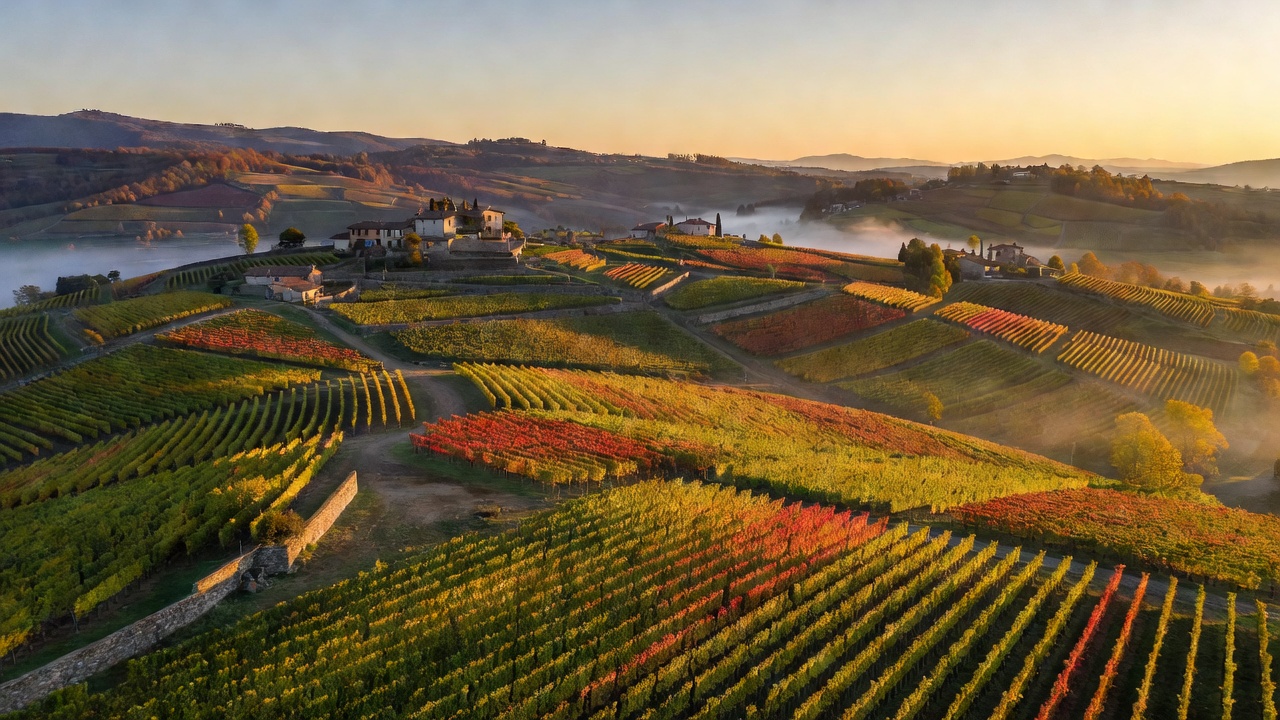
Piedmont stands out as one of Italy's most captivating yet underexplored wine regions. Nestled in the northwest near the Alps, its rolling hills and varied landscapes create ideal conditions for world-class wines like Barolo and Barbaresco. The region's terroir—encompassing soil, climate, and topography—shapes the distinctive character of these Nebbiolo-based wines. This guide dives deep into the key elements that make Piedmont special, offering practical insights for enthusiasts planning visits in 2026. Unlike more commercialized areas such as Tuscany, Piedmont maintains a quieter charm that rewards travelers seeking genuine connections with the land and its producers.
The Langhe area, a UNESCO World Heritage site, forms the backbone of this wine culture. Here, centuries of viticulture have refined how local conditions translate into bottle. Visitors often remark on the dramatic contrast between steep vineyard slopes and the flat plains below, a geography that directly influences grape ripening and flavor concentration.
Understanding Terroir's Role in Barolo and Barbaresco
Terroir refers to the unique combination of natural factors that influence grape growth and wine flavor. In Piedmont, the hilly terrain and continental climate produce elegant, age-worthy wines. Barolo, often called the "King of Wines," and Barbaresco, its elegant counterpart, both stem from the Nebbiolo grape but express different nuances based on their specific environments. Soil composition plays a pivotal role, with variations from sandy marl to clay-rich layers contributing to differences in tannin structure and aroma profiles. Elevation ranges from 200 to 500 meters create cooler nights that preserve acidity while allowing full phenolic ripeness during the day.
Microclimates further differentiate the wines. Fog from the Tanaro River moderates temperatures in lower areas, while higher slopes receive more direct sunlight. This interplay results in wines that range from powerful and structured to floral and approachable, depending on the exact plot. Understanding these factors helps explain why two neighboring vineyards can produce strikingly different expressions despite using the same grape variety.
Key Vineyard Zones and Soil Variations
The Langhe hills form the heart of Barolo production, divided into zones like Serralunga d'Alba, La Morra, and Monforte d'Alba. Serralunga features compact soils that yield powerful, structured wines with notes of tar and roses. In contrast, La Morra's more fertile, calcareous soils produce softer, aromatic expressions. Barbaresco's zones, including Treiso and Neive, benefit from slightly warmer microclimates, resulting in earlier ripening and more approachable tannins. Top estates such as Gaja and Bruno Giacosa exemplify these differences through their single-vineyard bottlings, highlighting how microclimates—ranging from fog-prone valleys to sun-exposed slopes—enhance complexity.
Practical examples include visiting estates where visitors can compare wines from adjacent plots. Ceretto's Bricco Rocche vineyard in Barolo demonstrates how limestone-rich soils create mineral-driven wines, while nearby Pio Cesare plots show more fruit-forward qualities due to varied clay content. These variations underscore why Piedmont wines command attention among collectors seeking authenticity over mass production. A useful list of considerations when touring zones includes:
- Soil type: Check for marl versus sandstone to predict tannin levels.
- Elevation: Higher sites often deliver brighter acidity.
- Aspect: South-facing slopes maximize sun exposure in cooler years.
- Proximity to rivers: Influences humidity and disease pressure.
Exploring these zones on foot or by bike reveals subtle shifts in landscape that shape each bottle.
2026 Wine Tours Itinerary: Tastings, Harvest, and Pairings
Planning a 2026 wine tour to Piedmont offers immersive experiences amid the vineyards. A typical seven-day itinerary starts in Alba, the truffle capital, before venturing into the hills. Day one includes arrival and a welcome tasting at a historic cantina. Midweek focuses on harvest insights during October, when visitors observe Nebbiolo picking and fermentation processes. Food pairings feature local specialties like tajarin pasta with Barolo ragù or hazelnut desserts matched to Barbaresco. Evenings often involve dinners at agriturismi showcasing regional cuisine. This structure balances education with relaxation, allowing participants to appreciate how terroir translates to the glass.
Extended details for 2026 include dedicated sessions on sustainable farming practices at estates like those affiliated with the local consortium. Guests might join early morning vineyard walks to discuss canopy management or attend workshops on barrel selection. Harvest season adds excitement as pickers move through rows, providing real-time context for how grapes from different soils are handled separately. Pairings extend beyond classics to include aged cheeses from nearby valleys and seasonal mushrooms that complement the wines' earthiness.
Traditional vs Modern Winemaking Approaches
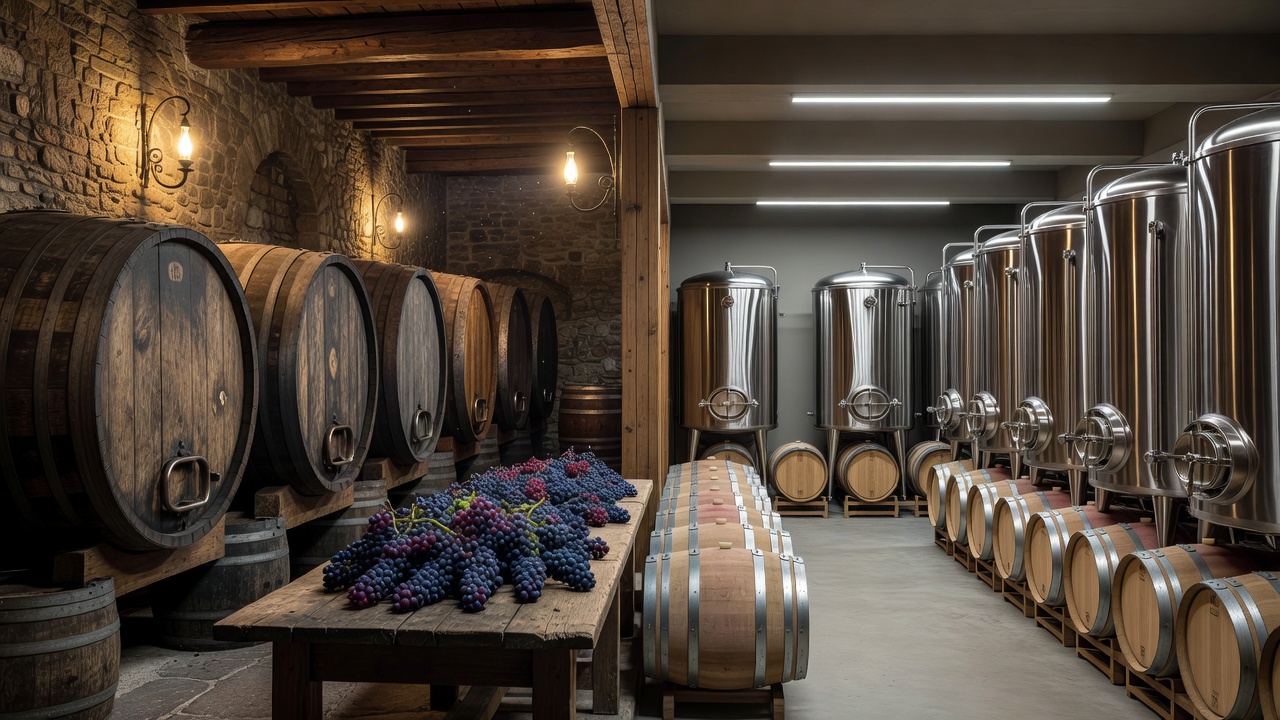
Winemaking in Piedmont spans a spectrum from traditional to modern methods. Traditionalists favor long macerations in large Slavonian oak casks, preserving earthy, floral notes and firm tannins suited for decades of aging. Modern approaches incorporate shorter fermentations in smaller French barriques, yielding fruit-forward profiles with softer textures and earlier drinkability. Estates like Vietti blend both philosophies, producing wines that appeal to diverse palates while respecting regional heritage. These choices directly impact flavor—traditional wines often show more restraint and complexity, while modern ones emphasize immediate appeal.
Comparisons reveal trade-offs. Traditional methods can enhance aging potential but require patience, whereas modern techniques offer consistency across vintages yet may reduce some unique terroir expression. Many producers now experiment with hybrid approaches, using large oak for aging after initial barrique fermentation to achieve balance. Tasting flights at estates allow direct side-by-side evaluation, helping visitors decide personal preferences.
Practical Tips for First-Time Visitors
Authentic experiences require thoughtful planning. Book tastings in advance, especially during peak harvest season. Renting a car provides flexibility to explore remote vineyards, though guided tours offer valuable context from local experts. Focus on smaller producers for intimate insights rather than large commercial operations. Additional advice includes learning basic Italian phrases for warmer welcomes, packing layers for variable hill weather, and budgeting time for non-wine activities like visiting medieval castles in the area.
Frequently Asked Questions
When is the best season to visit Piedmont vineyards?
September through October offers the most dynamic experience, coinciding with harvest activities and optimal weather for outdoor tastings.
How should first-time visitors plan authentic experiences?
Prioritize appointments at family-run estates, combine wine with food pairings, and allow time for leisurely exploration of the UNESCO-listed Langhe landscape.
What makes Piedmont terroir unique for Barolo production?
The interplay of varied soils, elevation changes, and protective Alpine influences creates microclimates that foster Nebbiolo's signature elegance and aging potential.
For further reading on Italian wine regions, consult UNESCO World Heritage resources, Slow Food's preservation initiatives, and official Italian tourism information.
No comments yet. Be the first!