 Uncorked Conversations
Discovering the Wachau Valley's Distinctive Terroir
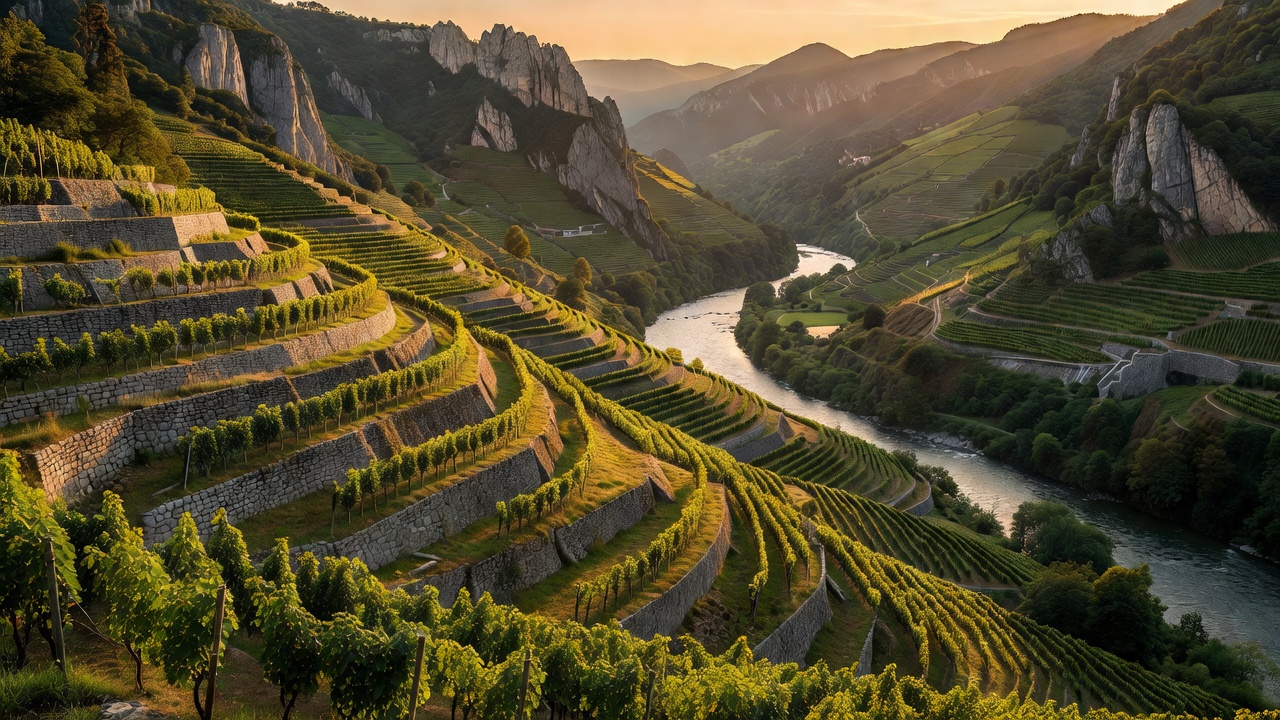
The Wachau Valley in Austria stands as one of Europe's most captivating wine regions, where steep terraces meet the Danube River's gentle flow. This UNESCO-protected area creates microclimates that shape exceptional wines, particularly Grüner Veltliner and Riesling. Visitors in 2026 will find an undiscovered gem ideal for immersive vineyard tours that reveal centuries of viticultural tradition intertwined with dramatic landscapes. The valley stretches approximately 30 kilometers along the Danube between Melk and Krems, offering a blend of history, nature, and world-class winemaking that appeals to both novices and seasoned enthusiasts.
The valley's terroir results from ancient geological forces. Primary rock soils, loess, and gneiss dominate the slopes, providing excellent drainage and mineral complexity. The Danube moderates temperatures, protecting vines from extreme frosts while fostering slow ripening for balanced acidity and aromatics. These elements combine to produce wines with distinctive character that reflect their specific plot of land, known as terroir in winemaking terms.
Soil Variations and Their Impact on Vineyard Profiles
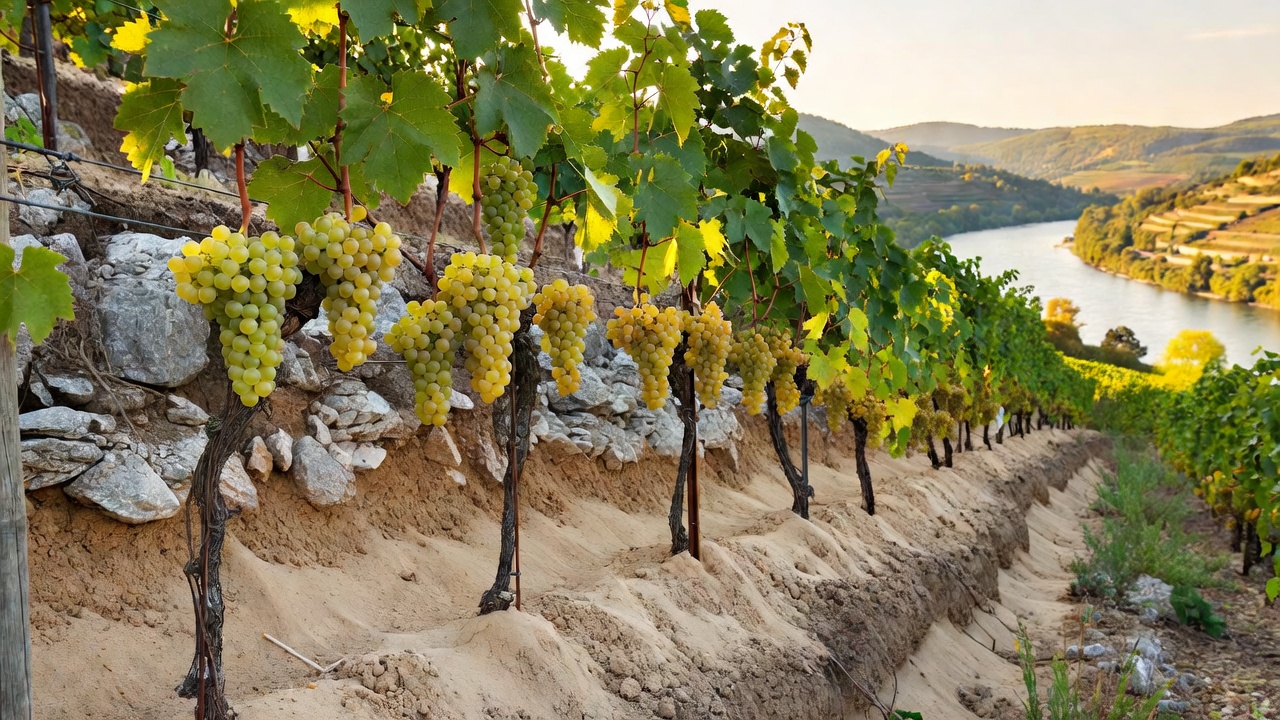
Soil diversity defines Wachau wines in profound ways. Gneiss and granite deliver pronounced minerality to Riesling, resulting in wines that showcase flinty, almost saline qualities on the palate. Loess deposits, being more fertile and water-retentive, support fuller-bodied Grüner Veltliner with richer textures and spice elements. Terraced vineyards, some dating back centuries and maintained by hand, maximize sun exposure on south-facing slopes while preventing erosion on the steep inclines. Specific sites like the Achleiten vineyard near Weissenkirchen feature a mix of gneiss and amphibolite that imparts unique herbal and citrus notes to both varieties.
These soil variations lead to highly site-specific expressions. For instance, vineyards closer to the river benefit from alluvial influences, adding subtle fruit-forward elements, while higher elevations emphasize structure and longevity. This complexity sets Wachau apart and rewards careful exploration during tastings.
Grüner Veltliner and Riesling in Focus
Grüner Veltliner from Wachau shows signature white pepper, lentil, and green apple characteristics alongside vibrant acidity. Riesling ranges from bone-dry to off-dry styles with peach, apricot, and floral elegance that can develop petrol and honey notes with age. Both varieties benefit from the valley's cool nights preserving acidity and the long growing season that builds phenolic ripeness without excessive sugar. Winemakers often employ gentle pressing and stainless steel or neutral oak fermentation to highlight these pure fruit and mineral profiles.
Examples include single-vineyard bottlings that illustrate how a few hundred meters can alter a wine's personality dramatically. Tasting flights at local estates allow visitors to compare these nuances side by side, building a deeper appreciation for the region's diversity.
Comparing Wachau to Other River-Valley Regions
Beginners often compare Wachau to Germany's Mosel or France's Loire Valley. Like the Mosel, steep slopes and river influence create dramatic temperature shifts that preserve freshness. However, Wachau's primary rock soils yield more pronounced minerality than Mosel's slate-driven wines, which tend toward lighter, more floral expressions. The Loire offers similar crisp whites from varied soils, yet Wachau's continental climate adds riper fruit intensity and greater aging potential in top examples.
Additional comparisons include the Rhine Valley in Germany, where similar river moderation occurs but with different soil compositions leading to more earthy tones, or Portugal's Douro Valley, known for terraced vineyards but focused on robust reds rather than aromatic whites. These distinctions help newcomers understand why Wachau produces such distinctive whites suited to a range of cuisines.
- Mosel: Slate soils, lighter Rieslings with floral aromatics
- Loire: Diverse soils, Sauvignon Blanc focus with herbal notes
- Rhine: Mixed soils, balanced Rieslings with earthier undertones
- Wachau: Gneiss and loess, aromatic Grüner Veltliner and Riesling with mineral depth
2026 Wine Tour Recommendations and Seasonal Experiences
Plan visits around seasonal tastings that showcase the valley at its best. Spring offers blossom views and fresh vintages from the previous harvest. Summer brings outdoor terraces perfect for relaxed sipping with river views, while autumn highlights harvest festivals and the chance to participate in grape picking. Key wineries include Domäne Wachau for insights into cooperative winemaking across multiple terraces, Weingut Prager for expressive single-vineyard Rieslings, Nikolaihof for biodynamic practices that emphasize natural rhythms, and Weingut Knoll for elegant Grüner Veltliner that pair beautifully with local cuisine.
Detailed Sample Itinerary Steps for 2026 Visitors
- Day 1: Arrive in Krems, explore historic terraces and introductory tasting at a riverside estate to acclimate to the region's styles
- Day 2: Visit three wineries with guided tours focusing on soil differences, followed by lunch pairings featuring regional specialties like apricot dumplings
- Day 3: Scenic boat cruise on the Danube with onboard tastings and stops at lesser-known producers for intimate experiences
- Day 4: Hike to elevated viewpoints overlooking the terraces, then conclude with cellar tours and vertical tastings of older vintages
- Day 5: Optional extension to nearby monasteries or Vienna for cultural context before departure
Book experiences ahead for 2026 as the region gains recognition among travelers seeking authentic European wine destinations. Many estates offer English-language options and customizable packages that include transportation between sites.
Travel Logistics, Practical Tips, and Mistakes to Avoid
Reach Wachau via efficient train connections from Vienna in under an hour, making day trips feasible or serving as a base for longer stays. Rent bikes for scenic routes along the river that pass through vineyards and small villages. English-speaking guides enhance experiences at most estates, and public ferries provide relaxing alternatives to driving on winding roads. Pack comfortable walking shoes for terrace visits, a light jacket for variable microclimates, and a notebook for tasting notes. Common mistakes include underestimating the steepness of hikes or skipping reservations during peak harvest periods.
Combine visits with nearby attractions like Melk Abbey for a balanced itinerary that blends wine with history.
FAQ on Wachau Terroir and Tours
What makes Wachau terroir unique?
Steep terraces, diverse soils such as gneiss and loess, and Danube microclimates create wines with intense minerality and vibrant acidity unmatched in flatter regions, resulting in highly age-worthy expressions.
Best time for 2026 tastings?
May to October for optimal weather and events, with peak harvest in September offering opportunities to taste fresh grape must and participate in festivals.
How does Wachau compare for beginners?
Its approachable whites and scenic setting make it ideal, similar yet distinct from Mosel or Loire visits due to the emphasis on Grüner Veltliner alongside Riesling.
What should visitors know about pairing these wines?
Grüner Veltliner pairs excellently with spicy Asian dishes or creamy cheeses, while Riesling complements seafood and pork, showcasing the valley's food-friendly reputation.
Learn more about the region at UNESCO World Heritage and plan Austrian travel via official tourism resources. Additional details on Austrian wines are available through Austrian Wine.
Conclusion: Planning Your Wachau Adventure
The Wachau Valley offers a perfect blend of natural beauty, historical depth, and exceptional wines that reward thoughtful exploration. With careful planning around 2026 seasonal opportunities and attention to the terroir details outlined here, visitors can create memorable experiences that highlight why this region continues to captivate wine lovers worldwide.
No comments yet. Be the first!