 Uncorked Conversations
Discovering Tokaj's Unique Volcanic Terroir
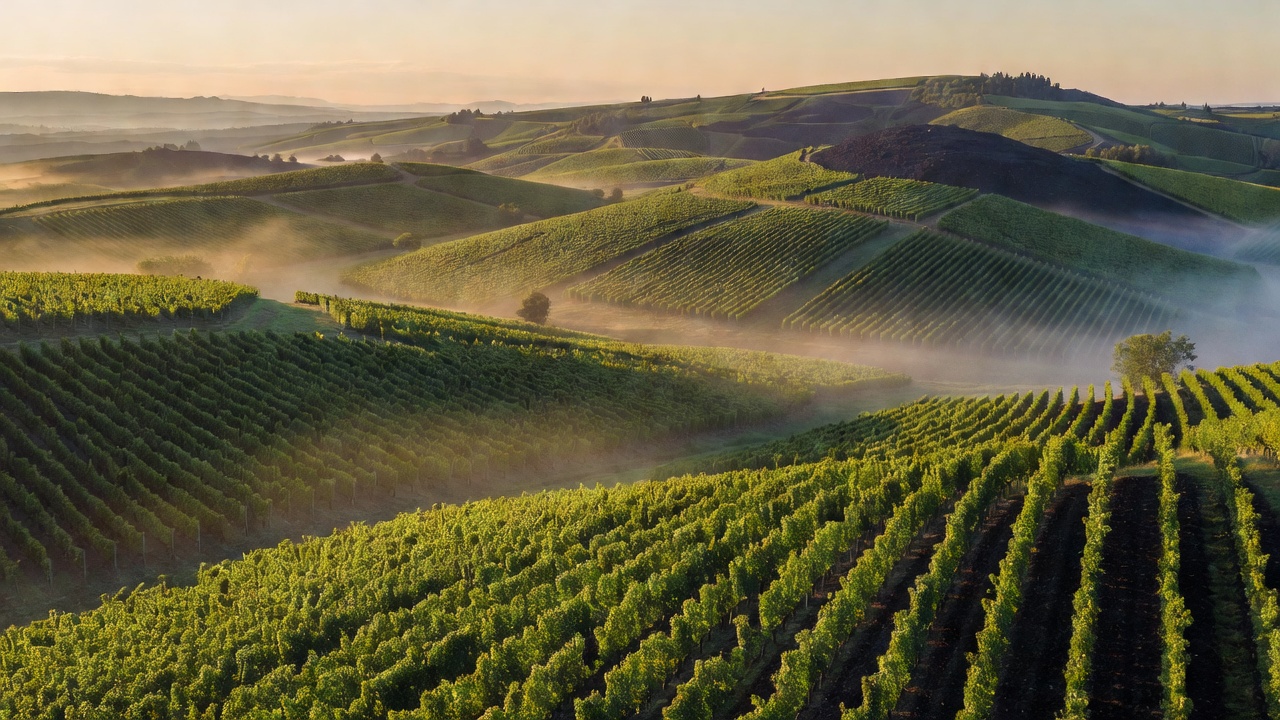
The Tokaj wine region in northeastern Hungary stands as one of the world's most distinctive wine landscapes, shaped by ancient volcanic activity millions of years ago. Its terroir combines mineral-rich soils, varied elevations ranging from 100 to 500 meters, and a microclimate with warm days and cool nights ideal for producing complex, age-worthy wines. This case study examines how these elements converge to influence regional wines, offering visitors a deeper appreciation through 2026 wine tours. The interplay of geology, climate, and human tradition creates wines with unmistakable smoky minerality and vibrant acidity that set Tokaj apart from global competitors.
Tokaj's volcanic origins create a mosaic of soils including rhyolite, andesite, and loess deposits. These variations affect acidity, minerality, and flavor profiles in the wines. The region's UNESCO World Heritage status underscores its global significance, as recognized by UNESCO. Understanding this foundation helps enthusiasts appreciate why Tokaj wines exhibit such precise expressions of place.
Key Vineyards and Soil Variations
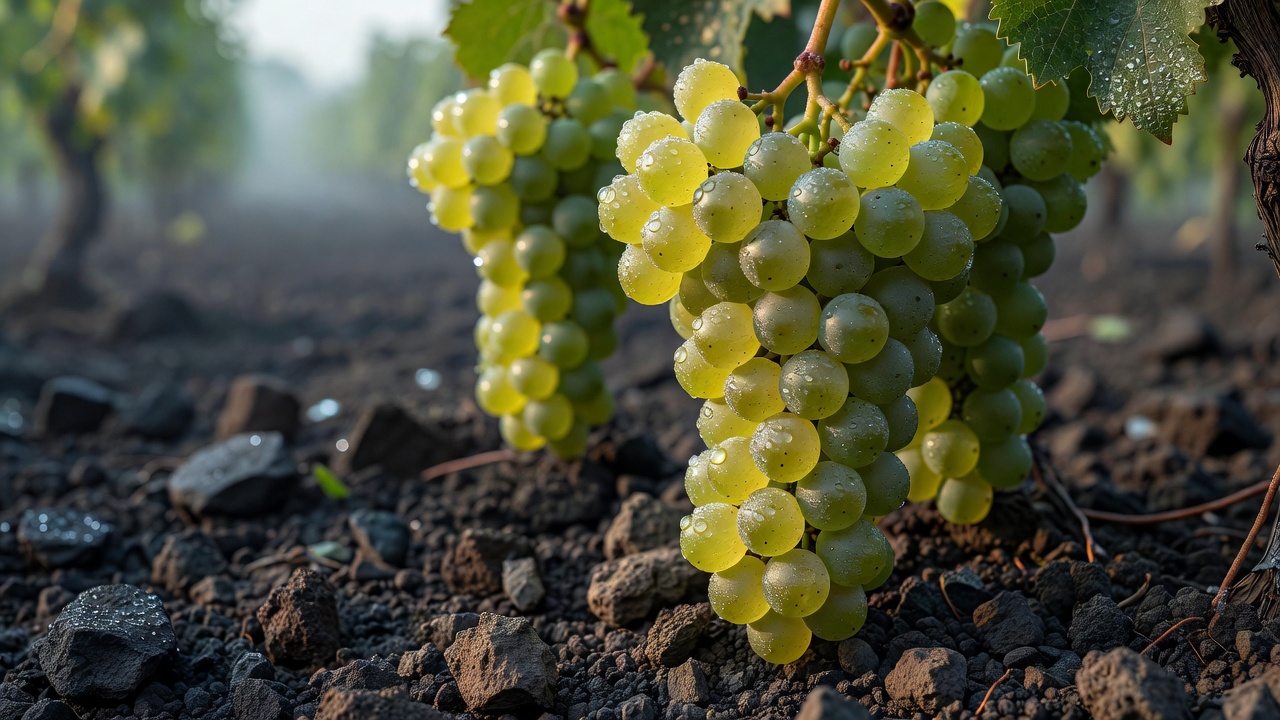
Several flagship vineyards exemplify Tokaj's diversity. The historic first-growth sites like Szarvas and Mézes Mály feature steep slopes with shallow volcanic soils that promote intense concentration in grapes. In contrast, lower-lying areas with deeper loess provide more fertile ground for balanced acidity. Soil pH levels range from acidic in volcanic pockets to neutral in sedimentary zones, directly impacting vine stress and phenolic development. Winemakers often blend parcels to achieve harmony, resulting in wines with signature smoky, flinty notes that evolve beautifully over decades.
Further exploration reveals micro-variations even within single estates. For instance, the higher elevation plots at Disznókő deliver wines with pronounced citrus zest, while valley floor vineyards yield rounder textures. This soil diversity encourages sustainable practices such as cover cropping to maintain biodiversity and prevent erosion on steep volcanic hillsides.
Spotlight on Furmint and Other Varieties
Furmint dominates Tokaj plantings, prized for its thick skins and high acidity. This variety thrives in the region's cool nights and sunny days, yielding wines from dry table wines to luscious sweet styles. Its versatility allows expressions of terroir through citrus, stone fruit, and herbal aromas. Companion grapes like Hárslevelű add floral elegance, while smaller plantings of Muscat and Zéta contribute aromatic lift in blends. Together they form the backbone of both everyday drinking wines and rare aszú selections.
2026 Wine Tours for Immersive Experiences
Guided tours in 2026 emphasize hands-on terroir education, with visits to volcanic cellars and tastings across soil types. Operators offer small-group experiences focusing on sustainability and biodiversity in the vineyards. Participants often walk through different soil exposures, tasting wines side-by-side to identify mineral signatures. Many tours incorporate educational sessions led by local viticulturists who explain how volcanic rock influences root systems and grape chemistry.
These tours also highlight conservation efforts, including organic conversion and wildlife corridors that protect the delicate ecosystem. Visitors gain practical knowledge they can apply when exploring other volcanic wine regions worldwide.
Sample Tour Itinerary
A well-structured five-day itinerary provides comprehensive exposure:
- Day 1: Arrival in Tokaj town, orientation walk through historic cellars, and evening dry Furmint tasting with local charcuterie.
- Day 2: Full-day volcanic hill hike visiting Szarvas vineyard, soil sampling demonstration, and comparative tastings of single-parcel wines.
- Day 3: Travel to Mézes Mály for aszú berry selection workshop followed by barrel sampling in ancient volcanic tunnels.
- Day 4: Seasonal harvest or pruning activity depending on timing, paired with lunch featuring regional ingredients and wine pairings.
- Day 5: Morning market visit, final blending seminar, and departure with personalized tasting notes.
Seasonal Vineyard Activities
Spring brings pruning and bud break observations where visitors learn about frost protection techniques unique to volcanic slopes. Summer features canopy management tours that demonstrate how leaf positioning affects sunlight exposure and flavor development. Autumn harvest experiences allow participation in selective picking for noble rot berries, revealing the labor-intensive nature of premium sweet wine production. Winter offers quiet cellar tastings amid aging barrels, with opportunities to study how extended lees contact shapes texture and complexity.
Comparisons to Famous Wine Regions
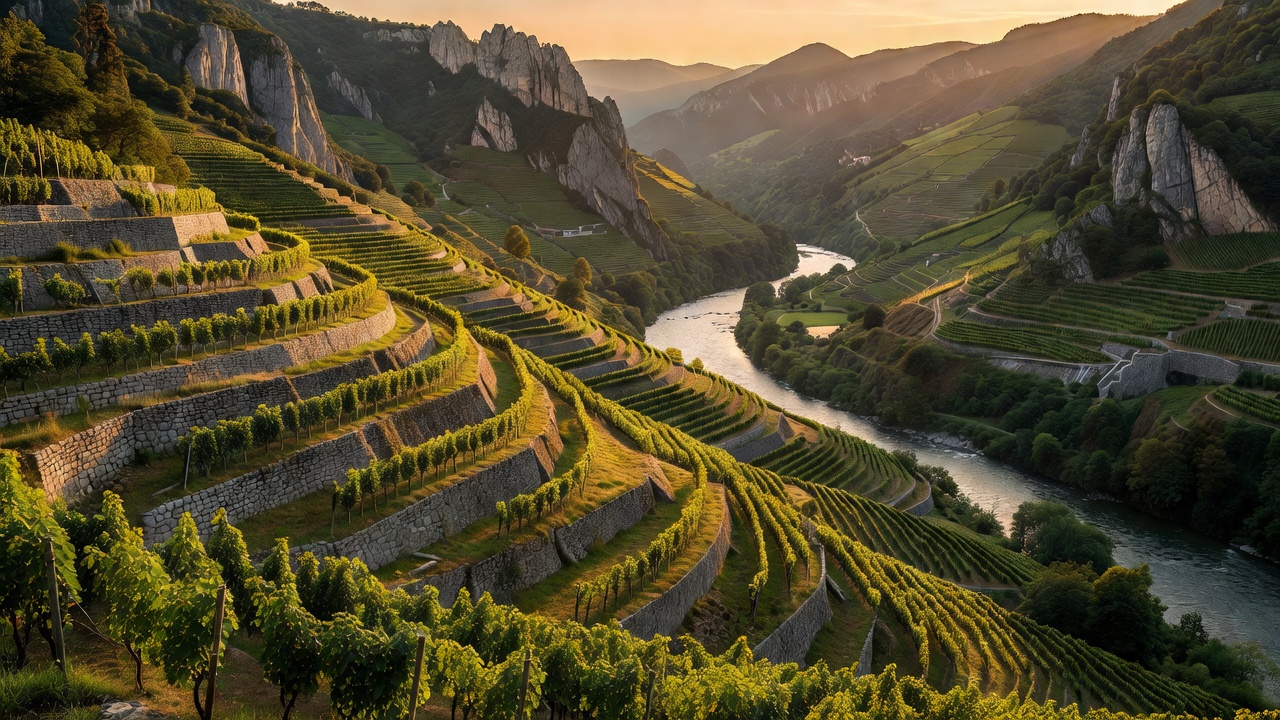
Unlike Bordeaux's gravelly soils or Burgundy's limestone, Tokaj's volcanic base delivers distinctive minerality akin to parts of the Loire but with greater sweetness potential. This sets it apart for enthusiasts seeking alternatives to mainstream regions. Compared to Germany's Mosel, Tokaj offers similar steep-slope drama yet produces fuller-bodied wines due to the unique volcanic heat retention. Enthusiasts often note parallels with Washington State's volcanic areas, but Tokaj's long history of botrytis management adds layers of complexity rarely matched elsewhere.
Expert winemaker Dr. László Kovács notes, "The volcanic energy in Tokaj soils creates a tension in our wines unmatched elsewhere, giving Furmint an electric acidity that ages gracefully for decades."
Practical Planning Tips for Visitors
Base yourself in Tokaj town for easy access to multiple estates. Book tours in advance, especially during peak seasons. Pack layers for variable weather and consider e-bike rentals for vineyard exploration. Pair visits with nearby thermal baths for relaxation. Public transport options include trains from Budapest, while rental cars offer flexibility for remote vineyard access. Always confirm tour inclusions such as transportation between sites and whether meals are provided.
FAQ: Pairing Tokaji Wines with Local Cuisine
- How does dry Furmint pair with Hungarian dishes? Its acidity cuts through rich stews and paprika-spiced meats while complementing freshwater fish from the Tisza River.
- What about sweet Tokaji aszú? Match it with foie gras or blue cheese for classic balance, or experiment with dark chocolate desserts to highlight its honeyed notes.
- Any non-traditional pairings? Try late-harvest styles with spicy Asian cuisine to highlight minerality, or pair dry versions with roasted vegetables for vegetarian-friendly options.
- Which styles suit cheese boards? Medium-sweet wines bridge the gap between creamy and aged cheeses beautifully.
Learn more about global wine standards from the International Organisation of Vine and Wine.
Conclusion
Tokaj's terroir offers a compelling narrative of volcanic influence on wine. Whether exploring in 2026 or planning future visits, the region rewards those seeking authentic, lesser-known wine experiences with depth, education, and unforgettable flavors.
No comments yet. Be the first!