 Uncorked Conversations
Discovering Alentejo: Portugal's Emerging Terroir Star
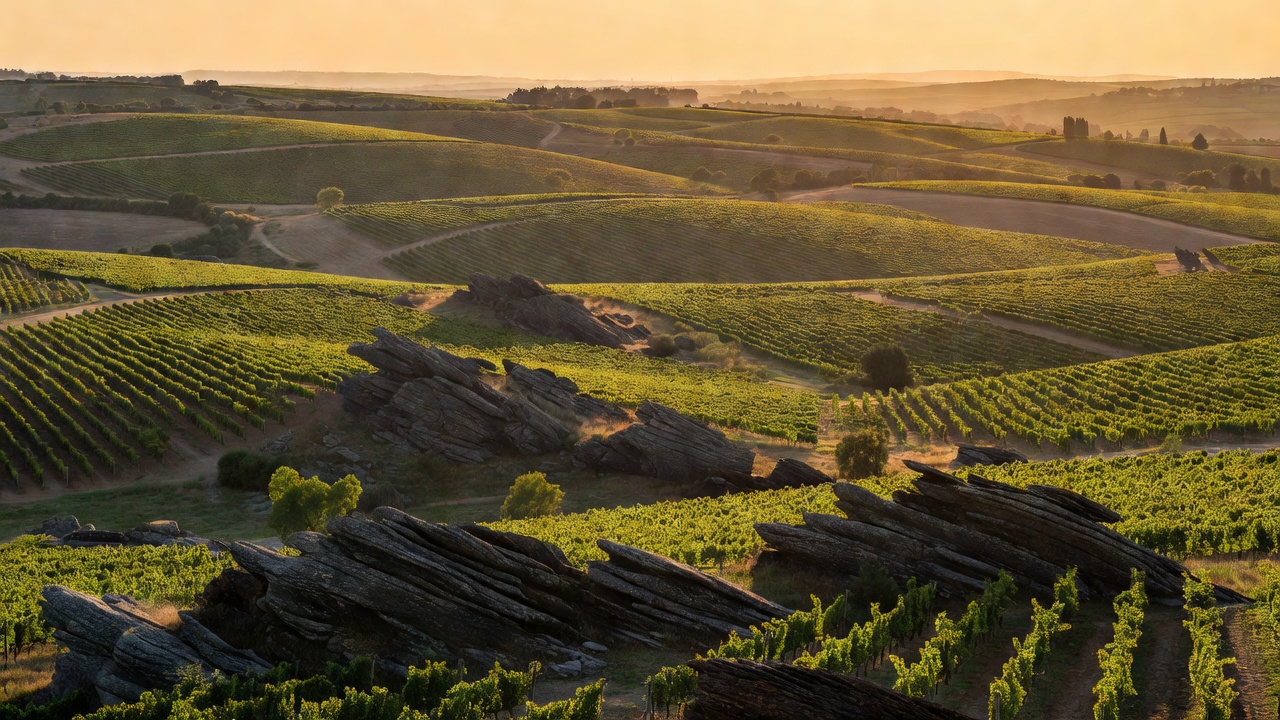
Portugal's Alentejo region stands out as a rising force in the global wine scene, drawing terroir enthusiasts with its unique combination of ancient schist soils and a warm Mediterranean climate. This expansive area south of Lisbon produces bold, full-bodied wines that reflect the rugged landscape and centuries-old viticultural traditions. Unlike more established regions, Alentejo offers an intimate, less crowded experience for travelers seeking authentic encounters with the land. The vast plains and rolling hills create microclimates that allow grapes to develop exceptional depth and character, making every bottle a true expression of place.
The terroir here is defined by poor, rocky schist that forces vines to dig deep for nutrients, resulting in concentrated flavors. Hot days and cool nights create ideal conditions for ripening without excessive acidity loss. These factors combine to yield wines with rich dark fruit notes, herbal undertones, and firm tannins. Schist, a metamorphic rock rich in minerals, imparts a distinctive slate-like minerality that distinguishes Alentejo wines from those grown in limestone or alluvial soils elsewhere in Europe.
Signature Grapes and Their Expression
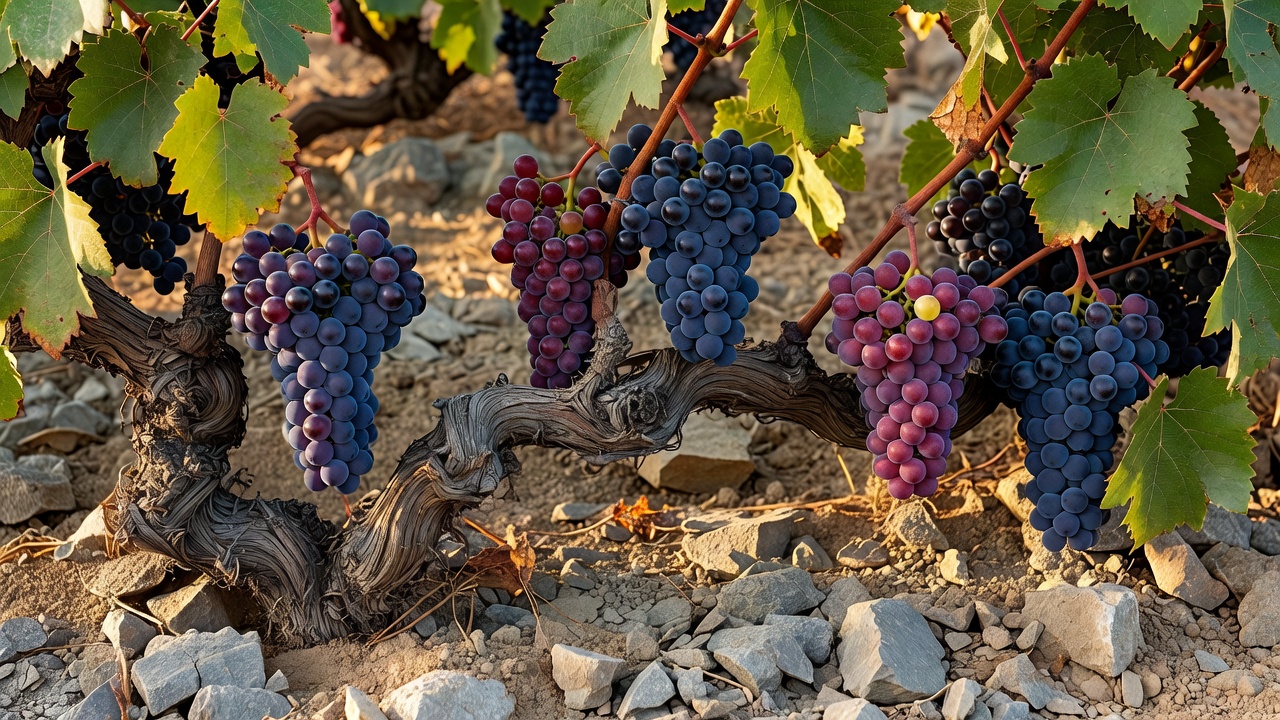
Native varieties thrive in Alentejo's conditions. Aragonez (also known as Tempranillo) delivers structured reds with cherry and spice profiles, while Trincadeira adds vibrant acidity and wild berry aromas. Other stars include Alicante Bouschet for deep color and Touriga Nacional for floral elegance. White wines from Antão Vaz offer citrus and mineral freshness that pairs beautifully with local seafood. These grapes have adapted over generations to the region's challenges, producing wines that showcase both power and finesse.
Why These Grapes Excel
- Deep root systems in schist retain moisture during dry summers, allowing consistent ripening even in drought years.
- Mediterranean heat promotes phenolic ripeness for complex flavors, including notes of blackberry, leather, and Mediterranean herbs like rosemary and thyme.
- Low yields concentrate aromas and structure, resulting in wines with aging potential of 10 years or more in the best vintages.
- Examples include single-varietal Aragonez bottlings that reveal layers of plum and tobacco after cellaring, or blends featuring Trincadeira that balance boldness with refreshing acidity.
Standout Vineyards to Visit in 2026
Curated estates include Herdade do Esporão, known for sustainable practices and diverse cuvées spanning reds, whites, and rosés that highlight both traditional and experimental winemaking. Quinta do Quetzal blends historic buildings with modern winemaking, offering tastings in restored 19th-century cellars alongside contemporary architecture. Smaller producers like Adega de Borba highlight cooperative traditions and award-winning reds made from local grapes. Visitors can often join harvest activities or barrel tastings during peak season, gaining firsthand insight into the winemaking process from vine to bottle.
Additional estates worth prioritizing are Herdade da Malhadinha Nova, famous for its family-run approach and elegant Alicante Bouschet expressions, and Cortes de Cima, where international influences meet Portuguese roots in small-production wines. Each property provides unique perspectives on how Alentejo's terroir translates into the glass, from large-scale operations to boutique wineries.
2026 Wine Tour Recommendations and Seasonal Itineraries
Spring tours (March-May) focus on blooming vineyards and lighter whites, with opportunities to witness pruning and early growth stages. Autumn offers harvest participation where guests can help pick grapes and taste fresh must. Summer itineraries emphasize cooling cellar visits and evening tastings under the stars, while winter provides intimate barrel room experiences away from crowds. Practical advice includes booking ahead for small-group experiences, renting a car for flexibility across the region's spread-out estates, and considering stays at wine estates for immersive overnight options with vineyard walks at dawn.
Beginners should start with half-day tastings that introduce basic grape varieties and tasting techniques, while advanced travelers can join multi-day terroir deep-dives that include soil analysis sessions and pairings with regional cheeses and cured meats. A sample three-day itinerary might begin in Évora with two estate visits, move to the Beja area for harvest-focused activities, and conclude with a sunset tasting overlooking the plains.
Alentejo Compared to Other Iconic Regions
Alentejo's schist-driven intensity sets it apart from Bordeaux's gravelly elegance or Tuscany's limestone minerality. Its wines often show riper fruit than cooler-climate peers yet maintain balance through natural acidity. For terroir-focused travelers, this region delivers value and discovery without the crowds of more famous destinations. The combination of heat and mineral soils produces wines that are approachable young but reward cellaring, offering a middle ground between New World fruit-forward styles and Old World restraint. Learn more at Visit Portugal.
Sustainability Practices in Alentejo
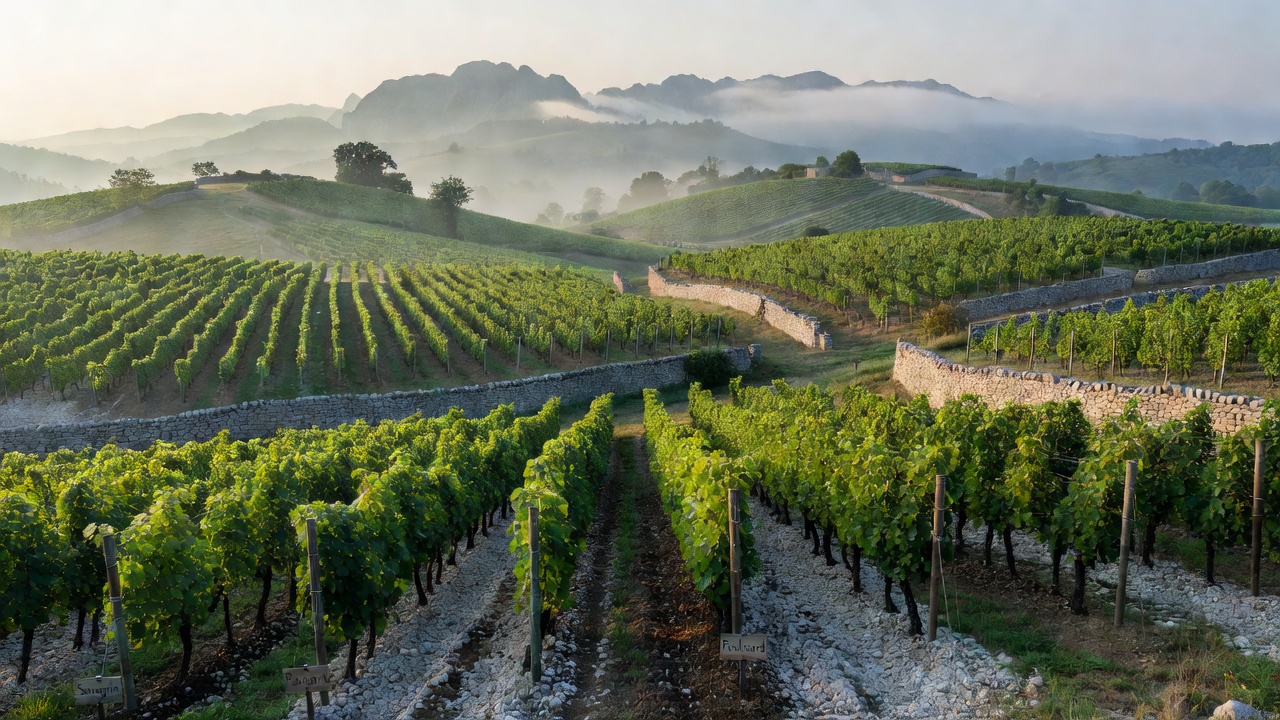
Many estates embrace organic and biodynamic methods, preserving biodiversity in the cork oak landscapes that surround the vineyards. Water conservation through drip irrigation and solar-powered facilities reduce environmental impact, while cover crops between rows improve soil health and prevent erosion. These efforts ensure the terroir remains vibrant for future generations, with several properties achieving certification that verifies low-intervention approaches. Travelers interested in eco-friendly travel can seek out estates that integrate wildlife corridors and native plant restoration into their operations.
Practical Visitor Advice, Mistakes to Avoid, and FAQ
Pack layers for temperature swings and comfortable shoes for vineyard walks across uneven terrain. Reservations are essential, especially during peak seasons, and advance planning allows access to private tastings or behind-the-scenes tours. Transportation options range from self-drive to organized shuttles, and pairing visits with local cuisine enhances the experience. Common mistakes include underestimating travel times between estates or skipping water during tastings in hot weather.
Common Questions
How do I plan a first trip? Start with a base in Évora and visit 3-4 estates over 3 days, mixing large and small producers for variety.
Are English tours available? Yes at most major properties, with multilingual staff often on hand during tourist seasons.
What wines should I ship home? Focus on limited-production reds from native grapes that showcase the schist influence, checking local regulations for international transport.
Which season suits different experience levels? Spring for beginners seeking milder weather, autumn for enthusiasts wanting harvest immersion.
Further insights on Portuguese wine culture are available via Wines of Portugal.
Conclusion: Embracing Alentejo's Timeless Appeal
Alentejo invites wine lovers to connect deeply with its land through thoughtful tours and tastings. Its distinctive terroir, native grapes, and growing commitment to sustainability position it as a must-visit destination for 2026 and beyond. Whether seeking casual tastings or in-depth explorations, visitors will find experiences that highlight the region's bold yet balanced wines.
No comments yet. Be the first!