 Uncorked Conversations
Discovering Jura's Unique Terroir in 2026
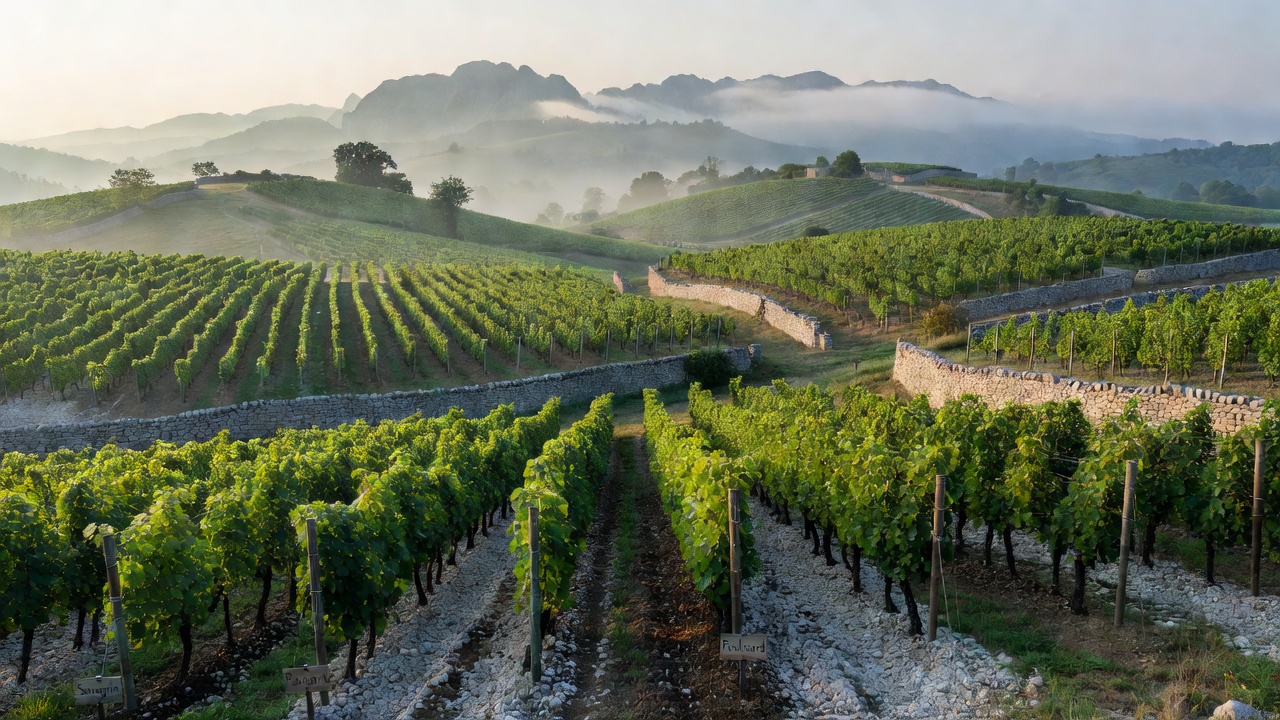
France's Jura region stands out as an emerging destination for wine enthusiasts seeking authentic terroir experiences. Its distinctive limestone and marl soils, combined with varied microclimates, produce wines that differ markedly from more famous neighbors. Indigenous varieties such as Savagnin and Poulsard define the character of Jura wines, offering oxidative styles, fresh acidity, and earthy notes that reward careful exploration. In 2026, the region continues to attract visitors drawn to its commitment to preserving traditional methods while embracing sustainable practices that protect the fragile environment. Travelers often find that the small scale of production allows for deeper connections with winemakers who share stories of generational knowledge passed down through families.
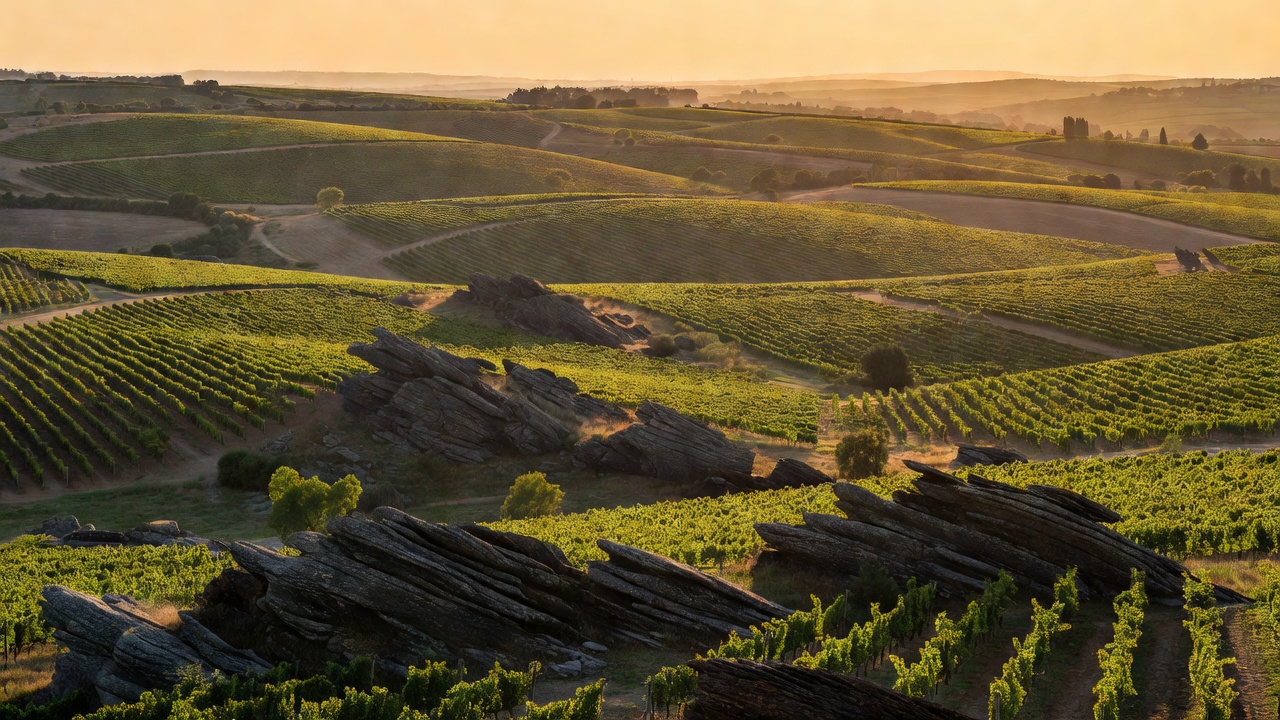
The region's geology creates ideal conditions for these grapes. Limestone provides drainage and minerality, while marl adds structure and complexity. Microclimates influenced by the Jura Mountains result in cooler temperatures that preserve acidity, making the wines excellent for aging and food pairing. This combination results in wines with a distinctive identity that reflects the land's history and geology in every glass. Visitors can observe these differences during soil tours where guides point out how ancient seabeds contribute to the unique flavors found in local bottles.
Indigenous Grapes That Define Jura Wines
Savagnin forms the backbone of many Jura whites, especially in the production of Vin Jaune, a sherry-like wine aged under a veil of yeast. Poulsard, a light-skinned red, yields delicate, pale wines with strawberry and spice aromas. Other varieties like Trousseau and Chardonnay (locally called Melon à Queue Rouge) add diversity. These grapes thrive in the specific soils and climate, creating expressions that highlight place over intervention. Growers often harvest by hand to maintain quality, allowing the natural characteristics of each variety to shine through without heavy manipulation. For example, a single vineyard plot may yield Savagnin with pronounced nutty notes when aged oxidatively, while the same grape produces crisp, apple-forward wines in shorter aging periods.
Understanding these grapes helps visitors appreciate the region's uniqueness. Savagnin can produce both fresh and highly oxidative wines depending on aging techniques, while Poulsard offers bright, low-tannin reds ideal for summer drinking. Many estates explain these differences during tastings, providing context on how soil and climate shape flavor profiles. Beginners benefit from side-by-side comparisons that illustrate why these varieties have adapted so well to Jura's challenging terrain over centuries.
Top Vineyards and Must-Visit Estates
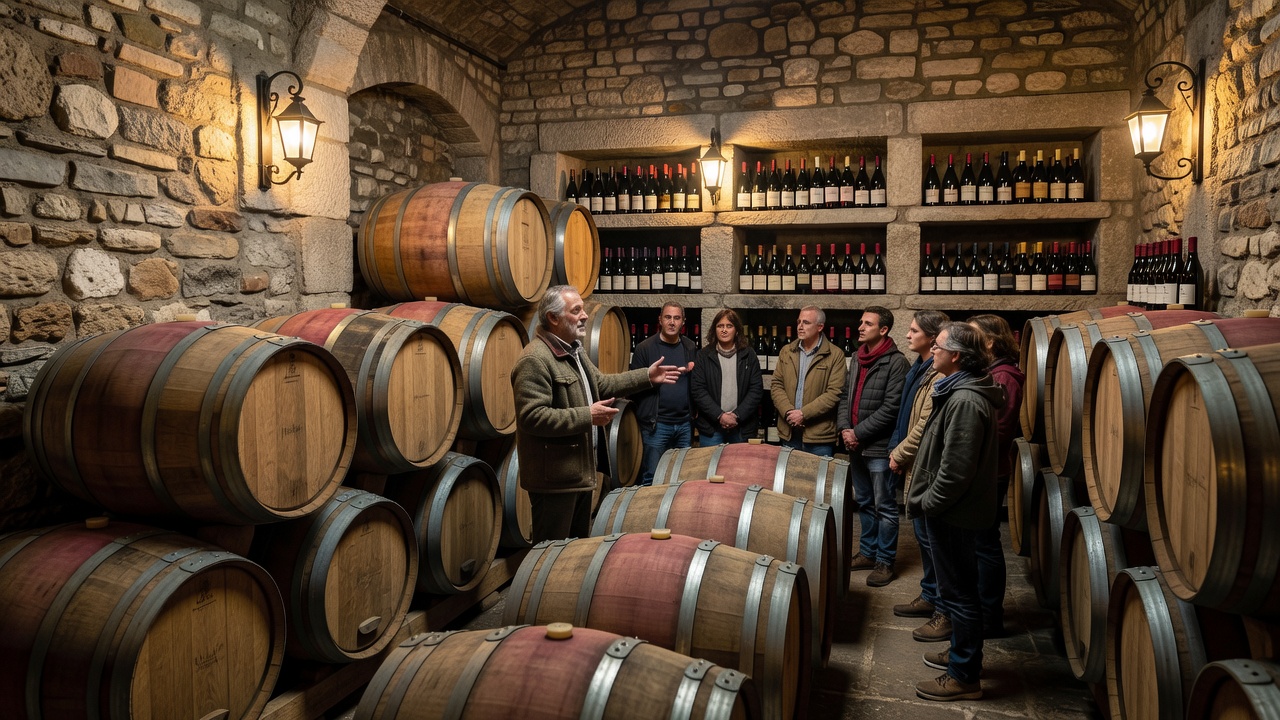
Several estates stand out for visitors. Domaine du Montbourgeau in L'Étoile offers guided tastings focused on Savagnin-driven whites. Château-Chalon, a UNESCO-recognized area, features producers emphasizing traditional methods. Many estates practice sustainable viticulture, including organic and biodynamic approaches that protect the fragile limestone soils. Additional notable stops include Domaine de la Pinte near Arbois, known for its historic cellars, and Domaine André et Mireille Tissot, where visitors can see firsthand how low-intervention farming enhances grape purity. These properties often host small groups to ensure personalized attention during cellar tours and vineyard walks.
Practical tours often include vineyard walks, cellar visits, and comparative tastings. Sustainable practices such as cover cropping and minimal intervention are common, aligning with growing demand for responsible tourism. France's official tourism site highlights Jura as a destination for immersive wine experiences that combine education with enjoyment. UNESCO documentation further underscores the cultural significance of areas like Château-Chalon, where centuries-old traditions continue to influence modern winemaking.
Planning Your 2026 Vineyard Tour
Begin by researching estates that offer English-speaking guides or self-guided options. Book in advance, especially for peak seasons. Consider basing yourself in Arbois or Poligny for easy access to multiple properties. Public transport is limited, so renting a car or joining organized tours is advisable. Many visitors combine Jura with nearby Burgundy for a comprehensive French wine journey, though Jura's smaller scale allows for more personalized interactions. It is helpful to review estate websites for current availability and to prepare a list of questions about specific vintages or production methods before arriving.
Seasonal Recommendations
- Spring: Blooming vines and fewer crowds for intimate tastings that allow extended conversations with winemakers.
- Summer: Full vineyard tours and outdoor pairings under warm skies with opportunities to picnic among the vines.
- Autumn: Harvest experiences and new vintage previews with lively energy in the cellars as grapes are brought in daily.
- Winter: Cellar-focused visits with aged wines and cozy indoor sessions that highlight older expressions and vertical tastings.
Comparing Jura to Burgundy Styles
While both regions use Chardonnay, Jura versions often show more oxidative notes due to different aging techniques. Reds from Poulsard contrast with Burgundy's Pinot Noir by being lighter and more aromatic. The shared limestone soils create parallels, yet Jura's mountain influence brings distinct freshness and minerality. France's national appellation authority oversees both regions, ensuring quality standards while allowing each to maintain its unique character through protected designations. This comparison helps beginners understand why Jura appeals to those seeking alternatives to mainstream regions without sacrificing depth or complexity. Many travelers note that Jura wines develop distinctive secondary aromas like hazelnut and dried fruit that set them apart even when produced from similar base grapes.
Sustainable Practices in Jura Vineyards
Jura estates increasingly adopt methods that prioritize environmental health. Cover crops between rows prevent erosion on steep limestone slopes, while reduced chemical use preserves soil biodiversity. Biodynamic preparations, such as herbal teas applied to vines, support natural resilience against pests. These approaches not only produce higher-quality grapes but also attract eco-conscious visitors who appreciate transparent explanations during tours. Examples include estates that maintain on-site composting systems and wildlife corridors to encourage beneficial insects and birds.
Practical Steps for Booking and Visiting
Start your planning by contacting estates directly via their websites or regional tourism offices. Prepare questions about grape varieties and aging processes to maximize learning. Pack comfortable shoes for vineyard walks and a notebook for tasting notes. Accessibility options exist at many properties, with some offering wheelchair-friendly paths and translated materials for international guests. Consider travel insurance that covers last-minute changes, especially when coordinating multiple estate visits in one day.
Visitor FAQs
What food pairings work best with Jura wines?
Savagnin pairs excellently with Comté cheese and poultry. Poulsard complements charcuterie and light fish dishes. Many estates provide suggested pairings during tastings, enhancing the overall experience with local cuisine such as regional sausages or mushroom-based dishes that echo the earthy tones in the wines.
How accessible are the vineyards for beginners?
Most estates welcome novices with introductory tours. Focus on properties advertising educational experiences to build knowledge gradually. Guides often start with basic soil explanations before moving to tasting techniques, making the process approachable even for those new to wine appreciation.
What should I know about costs and booking?
Tasting fees vary by estate but remain reasonable for the region. Advance reservations are essential in 2026 to secure spots during popular periods, and many offer packages that include transport from nearby towns. Always confirm cancellation policies when booking to avoid unexpected issues during travel disruptions.
Conclusion
Jura offers a rewarding alternative to more crowded wine regions. Its focus on terroir, indigenous grapes, and sustainable practices creates memorable experiences for visitors in 2026. With careful planning, enthusiasts can immerse themselves in this distinctive corner of France and gain a deeper appreciation for its wines.
No comments yet. Be the first!