 Uncorked Conversations
Understanding Champagne's Distinctive Terroir
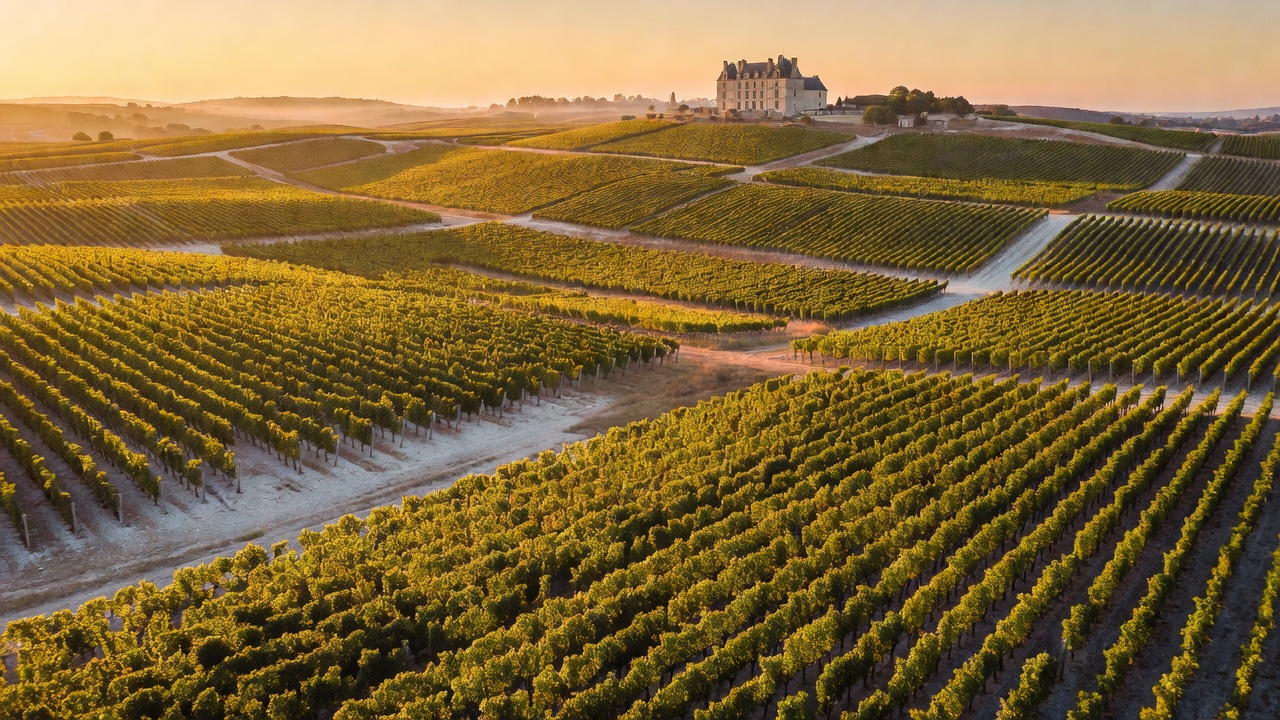
The Champagne region in northeastern France produces the world's most celebrated sparkling wines, thanks to its singular terroir shaped by ancient geological formations, cool climate, and meticulous vineyard practices. Terroir encompasses soil composition, topography, and microclimates that impart unique characteristics to grapes like Chardonnay, Pinot Noir, and Pinot Meunier. This foundation directly influences the acidity, minerality, and complexity found in every bottle of Champagne. Visitors planning 2026 tours will benefit from understanding how these elements create the region's signature style, from the delicate bubbles to the layered flavors that emerge after years of aging on lees.
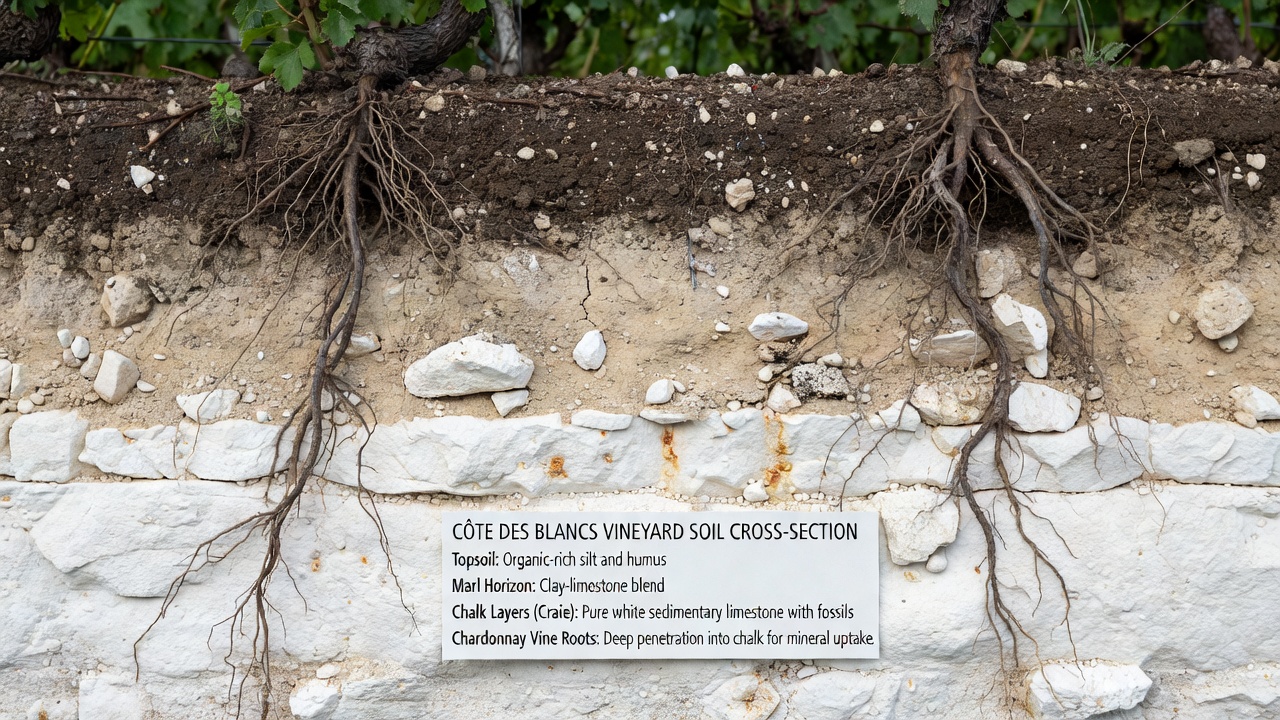
Geologically, much of the region sits atop Cretaceous chalk beds formed 70 million years ago. These porous soils provide excellent drainage while retaining moisture and minerals, giving wines their signature crispness and finesse. The cool continental climate with maritime influences ensures slow ripening, preserving high acidity essential for sparkling wine production. Additional soil variations include marl, clay, and sand deposits that further differentiate sub-regions, allowing producers to craft wines with distinct personalities based on exact vineyard locations.
Soil Types and Their Influence
Chalk dominates the Côte des Blancs, delivering wines with bright citrus, green apple, and saline notes that age gracefully. In Montagne de Reims, clay-limestone mixes support robust Pinot Noir with black cherry and spice undertones. The Vallée de la Marne features more varied alluvial soils mixed with chalk, yielding softer, fruit-forward expressions from Pinot Meunier. Understanding these differences helps tour planners select estates that showcase specific soil-driven profiles during tastings.
Key Sub-Regions and Premier Vineyards
Champagne divides into several sub-regions, each contributing distinct profiles. Montagne de Reims features north-facing slopes with heavier clay and limestone soils, ideal for Pinot Noir that delivers structure and red fruit notes. Premier vineyards here include those around Verzenay and Verzy, known for powerful, age-worthy wines. Many estates in this area offer 2026 tours that include walks through these historic plots, explaining how aspect and soil depth affect vine stress and grape concentration.
The Côte des Blancs stands out for its pure chalk soils that excel with Chardonnay. Villages like Avize and Le Mesnil-sur-Oger produce elegant, mineral-driven blanc de blancs. These sites offer some of the most expressive examples of how terroir translates into citrus, white flower, and saline qualities. Travelers often combine visits here with nearby producers to compare single-vineyard cuvées side by side.
Other notable areas include the Vallée de la Marne for fruity Pinot Meunier expressions and the Côte des Bar in the south, where Kimmeridgian marls add depth to both Chardonnay and Pinot Noir. Each sub-region hosts seasonal events ideal for 2026 scheduling, such as open cellar days in spring and harvest celebrations in autumn.
Planning 2026 Vineyard Tours and Tastings
Visitors planning 2026 trips can combine estate visits with seasonal events such as harvest festivals in September or spring pruning demonstrations. Many houses offer guided tours focusing on terroir, including soil pit visits and tastings that highlight single-vineyard cuvées. To maximize the experience, consider booking directly through producer websites or regional tourism boards for personalized itineraries that match interests in specific grape varieties or sustainable methods.
A beginner-friendly itinerary might start in Reims with a visit to a major house, then move to Épernay for Côte des Blancs exploration. Allocate three to four days to cover two sub-regions, including a half-day vineyard walk and paired tasting sessions. Practical steps include checking train schedules from Paris, reserving transport between villages, and preparing questions about vintage variations for each estate. Always confirm accessibility options if traveling with groups of varying experience levels.
Comparing Champagne to Other Sparkling Wine Regions
While Prosecco from Italy offers approachable, fruity styles from glera grapes grown in alluvial soils, Champagne's chalk-driven minerality sets it apart. Cava from Spain shares similar traditional method production but often features warmer-climate ripeness from Catalonia's varied soils. English sparkling wines, produced on similar chalk formations, provide a close stylistic cousin with vibrant acidity and orchard fruit. These comparisons help enthusiasts appreciate why Champagne commands premium positioning globally. For deeper insights into international sparkling wine standards, consult resources from the International Organisation of Vine and Wine.
Sustainable Vineyard Practices and Trends
Many Champagne producers now emphasize sustainability through organic and biodynamic farming, reduced herbicide use, and biodiversity corridors. Initiatives focus on preserving the delicate chalk aquifer and adapting to climate shifts with later-ripening clones. These practices not only protect terroir but also enhance wine quality and resilience. In 2026, expect more estates to highlight regenerative agriculture during tours, including demonstrations of cover cropping and natural pest management that maintain soil health across generations.
Leading houses are also investing in low-intervention winemaking to let terroir shine without heavy manipulation. This trend aligns with broader consumer demand for transparent, environmentally responsible production. Tour participants can often taste experimental cuvées that showcase these evolving methods alongside traditional benchmarks.
FAQs on Booking Tours and Food Pairings
- How far in advance should I book 2026 tours? Reserve estate visits at least three months ahead, especially for harvest season.
- What foods pair best with Champagne? Oysters, fried chicken, and aged cheeses highlight acidity and bubbles; try regional pairings like jambon de Reims.
- Are there family-friendly options? Several houses offer non-alcoholic tastings and vineyard picnics suitable for all ages.
- Which sub-region suits first-time visitors best? Start with the Côte des Blancs for its straightforward Chardonnay focus and accessible estates near Épernay.
- How do I incorporate sustainable tastings? Look for certified organic producers when booking, many of which detail their practices on the official Champagne site at Champagne.fr.
Conclusion
Champagne's terroir remains the cornerstone of its global reputation. By exploring its sub-regions, planning thoughtful 2026 tours, and embracing sustainable trends, wine lovers gain deeper appreciation for these exceptional sparkling wines. Whether comparing regions or discovering new pairings, the journey through Champagne terroir delivers lasting insight and enjoyment.
No comments yet. Be the first!