 Uncorked Conversations
Discovering Salta: Argentina's High-Altitude Wine Frontier
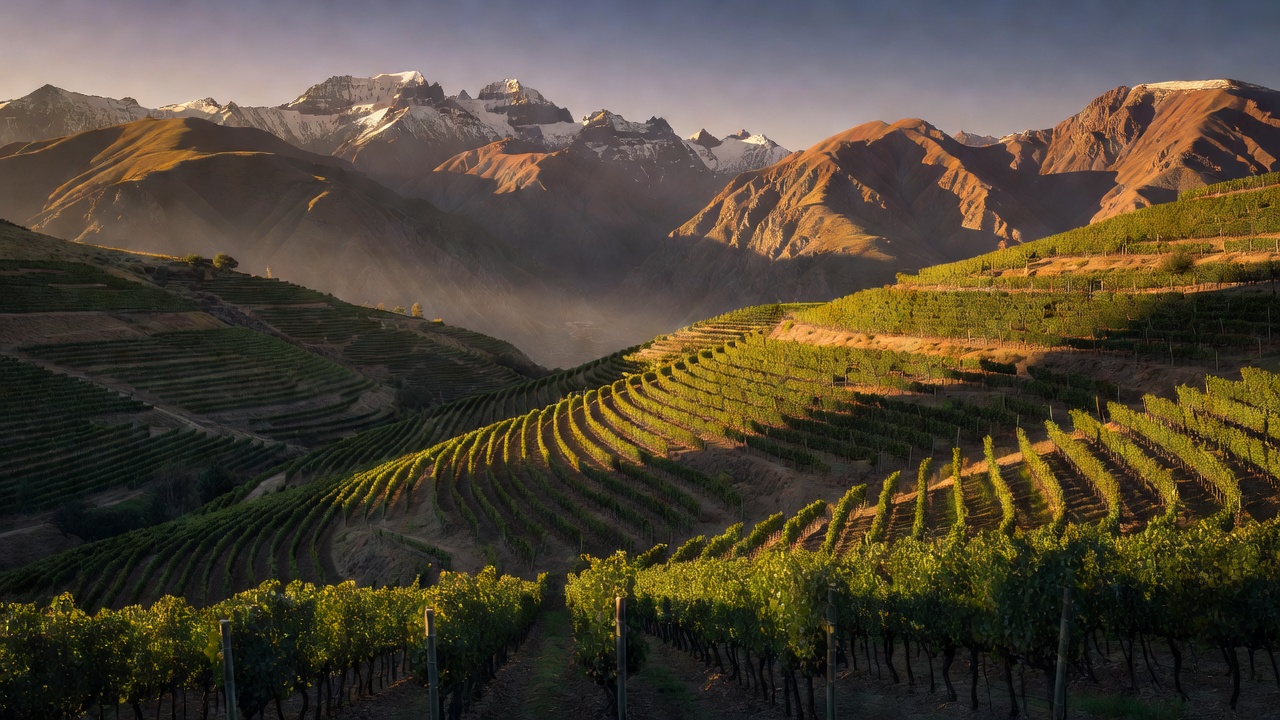
Argentina's Salta region stands out as an emerging destination for wine enthusiasts seeking terroir-driven experiences. Vineyards here thrive at elevations exceeding 3,000 meters, creating distinctive conditions that shape wines like Torrontés and Malbec in ways impossible at lower altitudes. This guide dives deep into the terroir, microclimates, and practical planning for immersive 2026 tours. Travelers interested in off-the-beaten-path regions will find Salta offers authentic vineyard visits focused on education rather than crowds, with opportunities to learn directly from viticulturists about how extreme conditions influence every sip.
The extreme altitude intensifies sunlight and creates dramatic temperature swings, resulting in grapes with concentrated flavors and vibrant acidity. This beginner-friendly exploration covers everything from soil science to step-by-step itineraries, helping visitors appreciate why Salta is gaining recognition among those who value unique expressions over mass-produced bottles.
The Science of High-Altitude Terroir in Salta
Terroir in Salta combines elevation, soil, and climate in a unique formula. At over 3,000 meters, UV radiation is stronger, prompting grapes to develop thicker skins rich in polyphenols. Diurnal temperature variations can exceed 20°C, preserving natural acidity while allowing full ripeness. These factors work together to produce wines that display both power and finesse, with aromatics that leap from the glass due to the intense solar exposure.
Soil Variations Across Salta Vineyards
Soils range from sandy alluvial deposits near the Calchaquí Valleys to rocky, mineral-rich profiles in higher plots. These variations influence mineral notes in wines. Sandy soils often yield lighter, aromatic Torrontés, while clay-limestone mixes add structure to Malbec. In some areas, volcanic ash layers contribute subtle smokiness, and visitors on guided tours can examine soil pits to see how root systems adapt to nutrient-poor conditions. This diversity means that even neighboring vineyards can produce noticeably different flavor profiles from the same grape variety.
Climate Impacts on Flavor Profiles
The arid climate with low rainfall forces vines to dig deep for water, concentrating sugars and acids. This produces Torrontés with intense floral aromas and Malbec displaying dark fruit layered with herbal undertones. Compared to Mendoza's lower elevations, Salta wines show brighter acidity and more pronounced spice. Microclimates created by surrounding mountains further refine these traits, with cooler pockets preserving freshness in white varieties while warmer slopes enhance tannin development in reds. Practical observation during tours reveals how wind patterns protect against disease, reducing the need for interventions and supporting more natural winemaking approaches.
Argentina's official tourism site highlights how these conditions create wines suited for aging and food pairing.
Comparing Salta to Lower-Altitude Regions
Lower-altitude areas like Mendoza produce robust, fruit-forward wines due to warmer, more consistent temperatures. Salta's altitude adds tension and elegance. For example, Malbec from Salta often shows violet and eucalyptus notes absent in valley-floor versions. Torrontés here exhibits higher natural acidity than counterparts grown closer to sea level, making it more versatile with a wider range of cuisines. This contrast makes Salta ideal for visitors wanting to understand how elevation transforms varietals, and many tours include comparative tastings that highlight these differences side by side.
Recommended Wineries and Tasting Notes
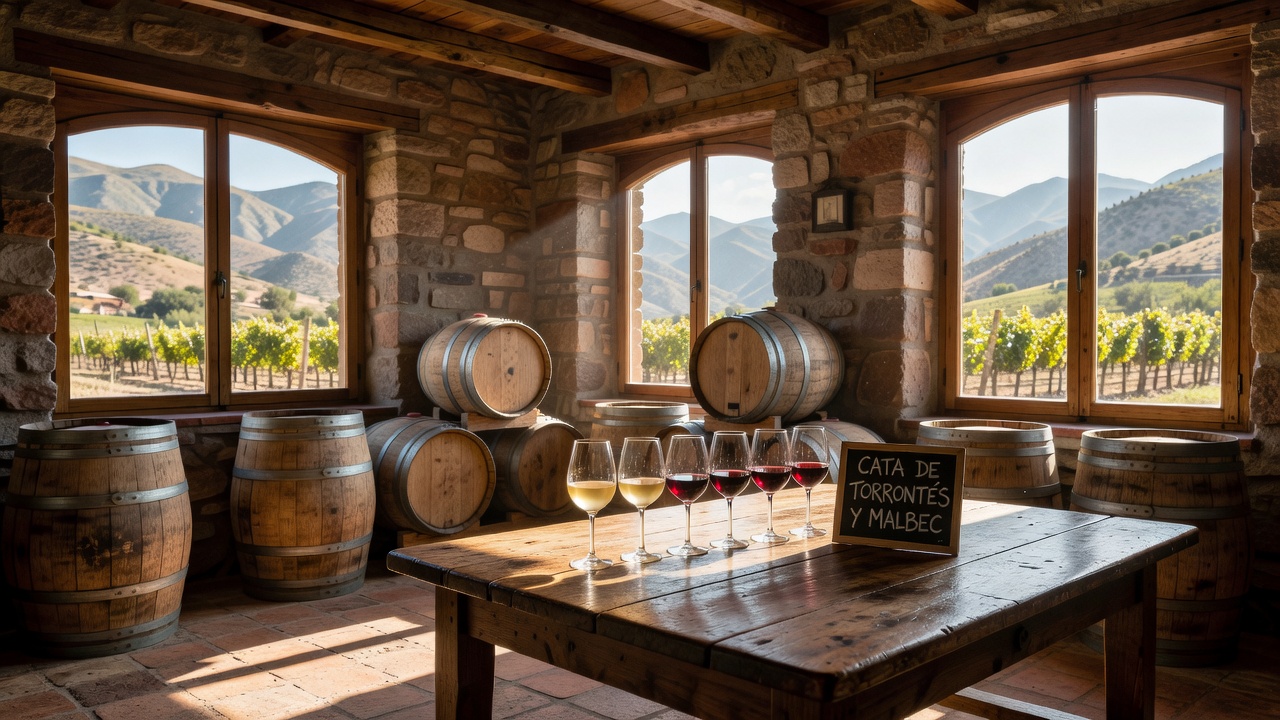
Key producers include Bodega Colomé, known for its historic vines producing complex Malbec with notes of blackberry and graphite. Bodega Tacuil offers Torrontés showcasing jasmine and citrus zest. Additional estates such as Bodega San Pedro de Yacochuya provide structured Malbec with layers of plum and dried herbs, while smaller operations like Finca Las Nubes focus on experimental plots that demonstrate micro-terroir effects. Visitors can expect structured tastings that explain vineyard practices, often including barrel samples and vertical tastings spanning multiple vintages to illustrate how altitude influences aging potential.
Step-by-Step 2026 Wine Tour Itinerary
- Day 1: Arrive in Salta City and acclimate while visiting a local museum on regional viticulture. Spend the afternoon strolling the historic center to adjust to the altitude gradually before heading into the valleys.
- Day 2: Travel to Cafayate for morning vineyard walks at 2,000+ meters, followed by afternoon tastings focusing on soil impacts. Engage in hands-on sessions examining different soil types and their effect on grape chemistry.
- Day 3: Explore higher plots above 3,000 meters with guided microclimate tours and paired lunches. Learn about wind protection strategies and how they preserve grape integrity in extreme conditions.
- Day 4: Return via scenic routes with stops at boutique estates for immersive experiences. Participate in blending workshops that demonstrate how winemakers balance components from varied altitudes.
Practical Tips for Booking Immersive Experiences
Book directly with wineries for small-group tours emphasizing terroir education. Aim for shoulder seasons to avoid peak crowds. Combine visits with local cuisine for complete immersion. Prepare for altitude by staying hydrated and pacing activities, especially on the first two days. Many estates now offer customized packages that include transportation from Salta City, ensuring a seamless and educational journey focused on authentic interactions rather than rushed tastings.
Wines of Argentina provides additional resources on regional producers and upcoming events that can help refine your 2026 plans.
FAQs on Visiting Salta's Vineyards
When is the best season to visit?
Harvest runs from February to April, offering hands-on experiences. Cooler months from May to September provide comfortable touring weather with fewer visitors. Spring and fall shoulder periods often deliver the best balance of pleasant temperatures and availability for private tours.
What wines pair best with local cuisine?
Torrontés complements empanadas and fresh seafood, while Malbec pairs excellently with grilled meats and regional stews. The high acidity in Salta whites cuts through rich dishes, and the structured reds stand up to spicy preparations common in northern Argentine cooking.
How do I book authentic tours?
Reserve through winery websites or certified operators at least two months ahead. Look for tours including vineyard hikes and soil sampling demonstrations. Consider joining multi-day programs that incorporate cultural elements like visits to local farms for a fuller understanding of the region's agricultural heritage.
Conclusion: Embracing Salta's Terroir Journey
Salta's high-altitude vineyards deliver a singular expression of Argentine wine. By understanding the terroir elements and planning a thoughtful 2026 itinerary, travelers gain profound insights into how elevation crafts exceptional bottles. This region rewards those who venture beyond mainstream destinations for authentic, educational encounters that deepen appreciation for the intricate relationship between place and flavor.
No comments yet. Be the first!