 Uncorked Conversations
Discovering Tasmania's Cool-Climate Terroir in 2026
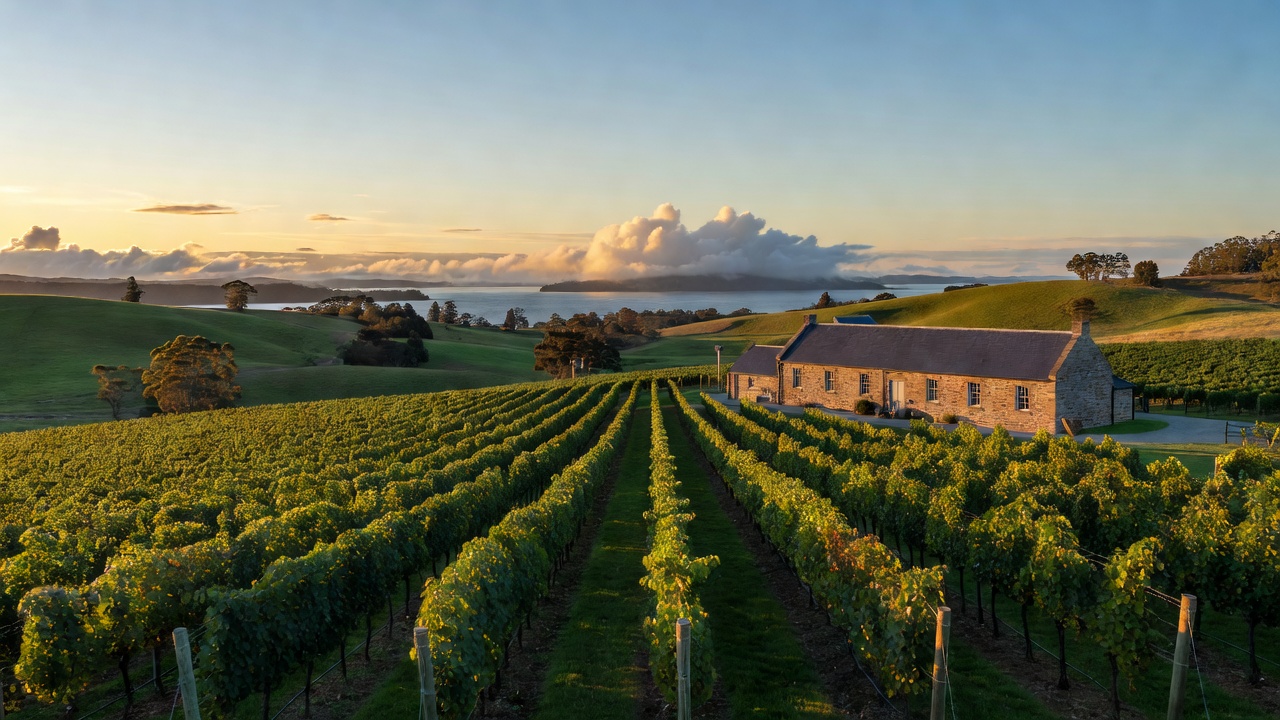
Tasmania has emerged as one of Australia's most exciting wine destinations, where ancient soils and maritime influences create distinctive cool-climate expressions of Pinot Noir and sparkling wines. For 2026 travelers seeking authentic vineyard experiences, this guide provides a comprehensive roadmap through the Tamar Valley and Coal River Valley, highlighting how these elements shape premium wines. The island state's unique position at the southern edge of Australia delivers a growing season that is longer and cooler than most mainland regions, resulting in grapes that retain natural acidity and develop nuanced flavors rather than high alcohol levels. This terroir-driven approach has attracted international attention, with many visitors planning dedicated wine tours to experience the difference firsthand.
Whether you are a beginner wine enthusiast or a seasoned traveler, understanding the fundamentals of Tasmania's climate and geology sets the stage for appreciating its wines. The cool maritime climate, influenced by the Roaring Forties winds and the Southern Ocean, keeps daytime temperatures moderate while nights remain crisp, slowing sugar accumulation and preserving delicate aromatics.
Understanding Maritime Influences and Ancient Soils
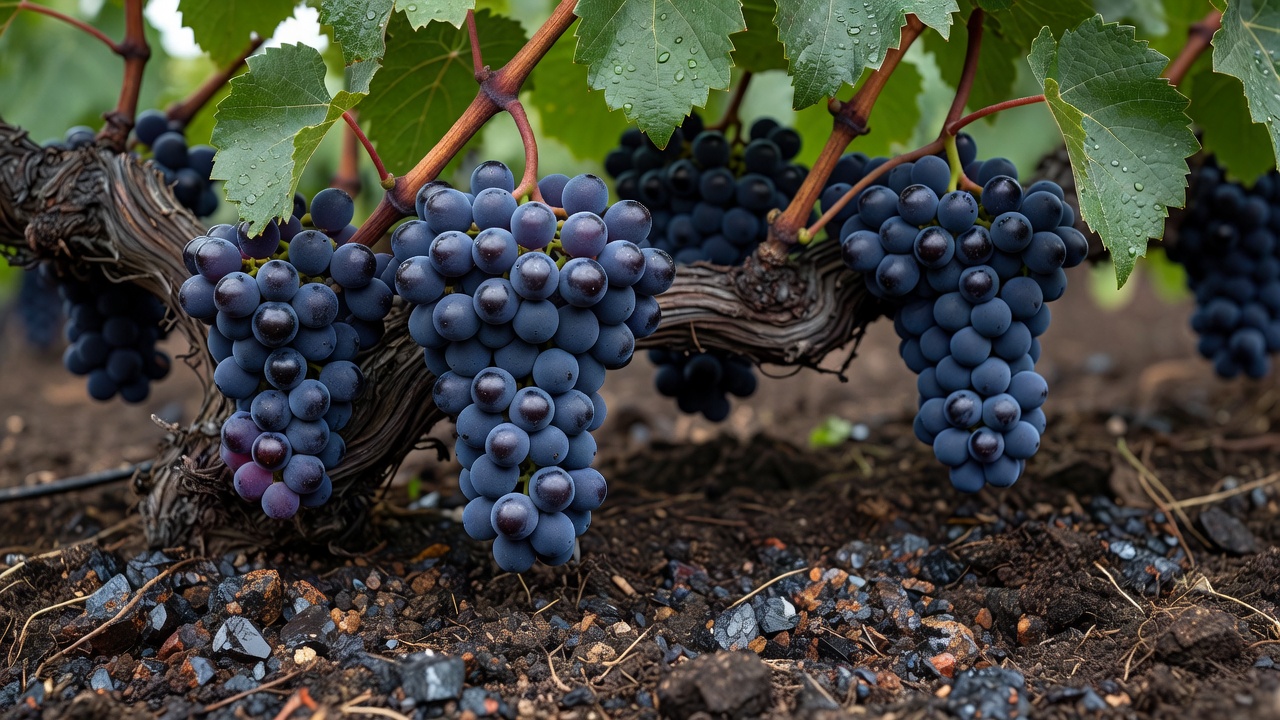
Maritime winds moderate temperatures, preventing excessive heat while allowing slow ripening that preserves delicate fruit flavors and vibrant acidity. Ancient soils, often rich in basalt and sandstone, impart mineral complexity to the grapes. This combination produces wines with bright red fruit notes in Pinot Noir and crisp citrus in sparkling cuvées. Geologists note that many Tasmanian vineyards sit on soils formed over 250 million years ago, with layers of Jurassic dolerite contributing to drainage and nutrient profiles that stress vines in beneficial ways. These conditions encourage deep root systems, leading to concentrated yet elegant fruit. Travelers can observe these soil differences during guided tours that include vineyard walks, where guides explain how specific plots yield distinct wine styles.
Spotlight on Tamar Valley
The Tamar Valley, stretching along the Tamar River near Launceston, benefits from sheltered valleys and gentle slopes. Boutique producers here focus on single-vineyard Pinot Noir that reflects the region's varied microclimates. Visitors often start tours at historic sites where vines were first planted in the 1970s. The northern location provides slightly longer daylight hours in summer, contributing to balanced ripeness. Key areas within the valley include the Upper Tamar, known for elegant sparkling base wines, and lower slopes that produce fuller-bodied still reds. Many estates offer educational sessions on how the river's influence creates fog that protects against frost while adding humidity for flavor development.
Spotlight on Coal River Valley
South of Hobart, the Coal River Valley offers a slightly warmer pocket within Tasmania's cool-climate umbrella. Limestone and clay soils contribute to structured sparkling wines and elegant Pinot Noir. Many estates here emphasize sustainable practices that protect the surrounding biodiversity. The valley's proximity to the coast allows afternoon sea breezes to cool the vines, maintaining acidity even during occasional warm spells. This region has become a hub for innovative producers experimenting with different clones of Pinot Noir to match the unique soil chemistry.
Top Boutique Producers to Visit
Examples include small family-run operations like those crafting limited-release sparkling wines from estate-grown fruit. These producers welcome guests for intimate tastings that showcase how terroir translates into the glass. Seasonal availability varies, so checking calendars ahead is essential. Notable stops often include estates in the Tamar Valley such as those specializing in méthode traditionnelle sparkling wines and Coal River Valley properties focused on single-block Pinot Noir. Visitors frequently report memorable experiences at places where winemakers personally lead tastings, discussing vintage variations and the impact of recent weather patterns on each harvest.
Seasonal Tour Recommendations for 2026
Spring brings blossom-filled vineyards ideal for photography tours, while summer offers peak harvest experiences. Autumn delivers vibrant foliage and optimal tasting conditions. Winter cellar visits focus on barrel tastings and education about winemaking. In spring, new growth and pruning demonstrations provide insight into vineyard management. Summer tours may include grape picking opportunities for adventurous travelers. Autumn is prime for outdoor lunches paired with new releases, and winter offers cozy indoor sessions around open fires where staff explain aging processes. Planning around these seasons helps maximize enjoyment and avoids peak crowds.
Pairing Regional Wines with Local Produce
Tasmanian Pinot Noir pairs beautifully with fresh seafood such as oysters and abalone, while sparkling wines complement cheeses and berries. Many vineyards collaborate with local farms to offer produce-driven platters that highlight regional flavors. Consider matching a bright Tamar Valley Pinot Noir with freshly shucked oysters from nearby waters or a Coal River sparkling with aged cheddar from small dairies. These pairings underscore the island's farm-to-table ethos and allow travelers to taste how local ingredients echo the wines' mineral and fruit profiles. Extended tours often include stops at producers of honey, cherries, and walnuts that further enhance the experience.
Comparing Tasmania to Established Regions
Unlike the bolder styles of South Australia's Barossa or Victoria's Yarra Valley, Tasmania emphasizes restraint and acidity. This mirrors aspects of Burgundy or Champagne but with unique Australian fruit purity. Travelers often note the refreshing minerality as a standout feature. The cool climate yields wines with lower alcohol and higher natural acidity than many warmer climate counterparts, creating food-friendly profiles that age gracefully. Comparisons to New Zealand's Marlborough or Oregon's Willamette Valley are common, yet Tasmania's ancient geology adds an extra layer of complexity not found elsewhere.
Practical Steps for Booking Tastings
- Research estate websites for 2026 opening hours and tour options.
- Book in advance, especially during peak summer months.
- Consider multi-estate itineraries via local operators for seamless transport.
- Verify sustainability certifications when selecting experiences.
- Prepare questions about specific vintages and soil types to deepen your understanding during visits.
- Allow buffer time between tastings to avoid palate fatigue and fully appreciate each wine.
Packing Tips for Vineyard Visits
Layered clothing handles variable weather, comfortable walking shoes suit vineyard paths, and a light jacket protects against sea breezes. Bring a reusable water bottle and notebook for tasting notes. Additional items include sunscreen for sunny days, a hat for shade, and a small backpack for carrying purchases. Those planning longer tours should pack snacks that won't interfere with tasting, along with a portable charger for phones used in navigation apps.
Sustainability Practices in Tasmanian Wine
Many producers adopt organic methods and water conservation to preserve the fragile ecosystem. Visitors can support these efforts by choosing certified estates and minimizing single-use plastics during tours. Learn more through Discover Tasmania and Wine Australia. Additional resources on responsible travel are available via official state tourism portals that detail carbon offset programs and biodiversity initiatives common across the regions.
Frequently Asked Questions
When is the best time to visit?
December to March offers the most reliable weather for outdoor tastings, though shoulder seasons provide fewer crowds.
How sustainable are the tours?
Many operators prioritize low-impact travel and support regenerative agriculture practices across the regions.
What should first-time visitors expect?
Expect welcoming staff, scenic drives between sites, and opportunities to learn about every stage from vine to bottle.
Conclusion
Tasmania's 2026 vineyard tours offer unparalleled insight into cool-climate winemaking. By exploring these terroir-driven regions, travelers gain appreciation for the island's distinctive wines and commitment to quality. Plan thoughtfully to maximize your experience amid these emerging gems.
No comments yet. Be the first!