 Uncorked Conversations
Introduction to Ningxia's Emerging Wine Scene
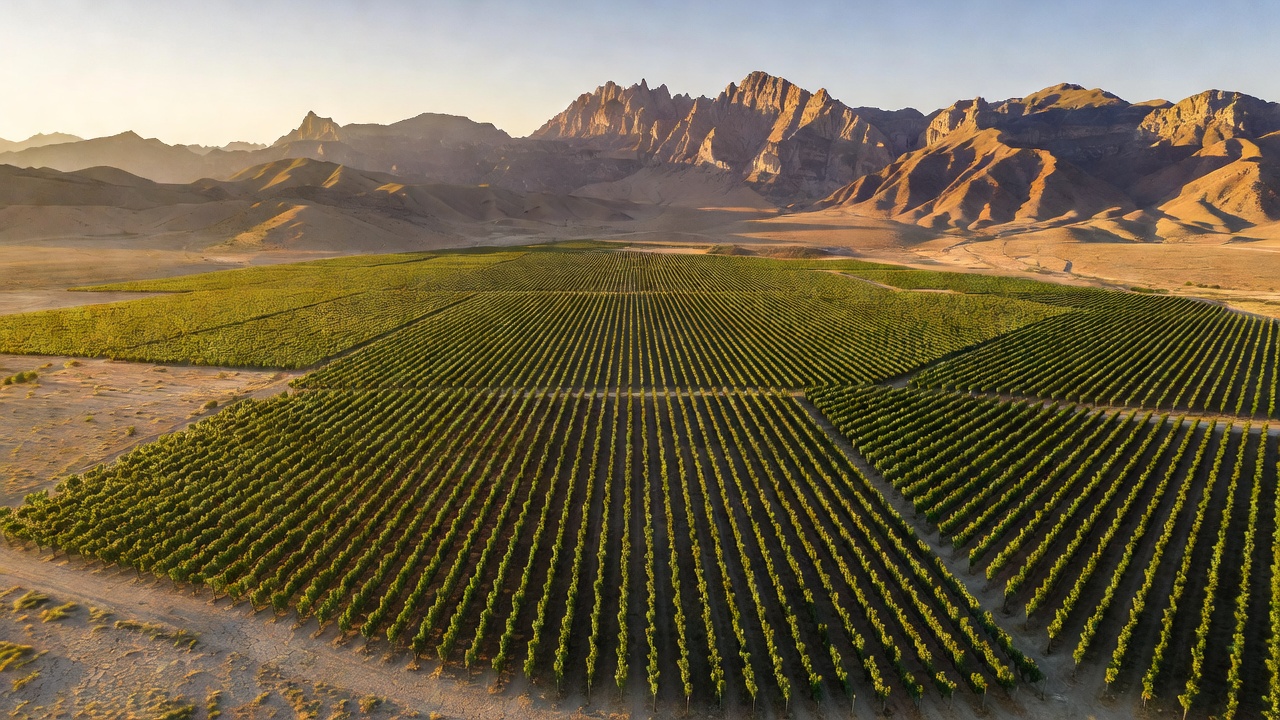
Ningxia, located in northwest China, is rapidly gaining recognition as a world-class wine region thanks to its distinctive terroir. High-altitude vineyards, arid desert soils, and dramatic temperature swings create wines with bold flavors and elegant structure that set them apart from traditional European styles. This comprehensive guide explores the region's unique characteristics, top vineyard sites, recommended 2026 tours, and practical planning advice for wine enthusiasts seeking fresh destinations outside saturated European hotspots. Whether you are a beginner curious about Asian viticulture or an experienced traveler planning an adventure, Ningxia offers an authentic and rewarding experience.
Unlike the maritime influences of Bordeaux or the limestone hills of Burgundy, Ningxia benefits from a continental climate with intense sunlight and cold nights. These conditions concentrate flavors in grapes like Cabernet Sauvignon and Chardonnay, producing wines that often feature ripe fruit notes balanced by bright acidity. The region's isolation has allowed it to develop a signature style that wine critics increasingly praise for its purity and power.
Understanding Ningxia's Terroir: Climate, Soils, and Altitude
The Helan Mountain range provides a natural barrier, creating a rain shadow effect that results in very low rainfall. Vineyards rely on irrigation from the Yellow River, which also moderates the extreme desert environment. Soils are predominantly sandy and gravelly, offering excellent drainage and mineral complexity that contribute to the distinctive minerality found in many local wines. Altitudes between 1,000 and 1,200 meters above sea level deliver intense UV exposure, thickening grape skins and boosting phenolic compounds responsible for color, tannin, and flavor depth.
Winters are harsh, with temperatures dropping below -20°C, requiring vines to be buried for protection—a labor-intensive practice unique to the region that adds to production costs but preserves vine health. These factors produce wines with darker color, higher tannins, and distinctive herbal or spice undertones compared to the softer profiles of many Old World regions. International Organisation of Vine and Wine resources highlight how such extreme conditions influence global viticulture trends and offer insights into adapting traditional techniques.
Additional environmental elements include strong diurnal temperature variations that preserve acidity while allowing full phenolic ripeness. This combination yields balanced wines capable of aging well, often showing evolution in bottle similar to premium Bordeaux but with a unique Chinese twist of dried fruit and earth notes.
Top Vineyard Sites in Ningxia and Surrounding Areas
Several estates stand out for their commitment to quality and terroir expression. Chateau Changyu Moser XV in the eastern foothills of Helan Mountain produces acclaimed Cabernet blends that have won international awards. Helan Qingxue Vineyard gained international attention with its Jia Bei Lan wine, showcasing the region's potential for elegant reds that rival top European cuvées. Further west, estates like Silver Heights and Kanaan Winery focus on sustainable practices and smaller-production wines, often experimenting with organic methods suited to the desert setting.
Surrounding areas such as the Inner Mongolia border zones offer similar high-altitude conditions with emerging plantings of Pinot Noir and Riesling. Visitors can explore these sites through guided tastings that emphasize soil profiles and microclimates. The contrast between sun-exposed slopes and cooler valley floors creates diverse flavor expressions within short distances, allowing tasters to compare expressions from different parcels on the same estate.
Recommended 2026 Vineyard Tours with Tastings
Specialized operators are expanding offerings for 2026, including multi-day itineraries combining vineyard walks, cellar tours, and paired dinners. A typical tour might start in Yinchuan, the regional capital, before heading to Helan Mountain estates for sunrise vineyard visits and hands-on pruning demonstrations. Options often include private tastings of vertical vintages and seminars on desert viticulture, where participants learn how irrigation and burial techniques shape each vintage.
Some packages incorporate nearby attractions like the Western Xia Tombs for a cultural pairing that deepens appreciation of the region's heritage. Travelers should book early as demand grows among international explorers avoiding crowded European routes. Sample three-day itineraries typically feature two estates per day, ending with sunset tastings overlooking the mountains.
" alt="Wine tasting experience in Ningxia vineyard">
Practical Planning: Travel Logistics and Seasonal Considerations
Reaching Ningxia is straightforward via Yinchuan Hedong International Airport, with direct flights from major Chinese hubs. High-speed rail connects to Beijing in under six hours, making weekend extensions feasible. Internal travel relies on private transfers or organized tours due to limited public options in rural vineyard areas. Accommodations range from boutique vineyard guesthouses to luxury hotels in Yinchuan, with many estates offering on-site stays for immersive experiences.
The best visiting window is September to October during harvest, when temperatures are mild and vineyards are active with picking and fermentation. Spring brings blooming vines but occasional sandstorms, while summer heat requires early-morning tastings to avoid midday sun. Winter visits focus on indoor barrel rooms and heated facilities, ideal for learning about aging processes.
Pack layers for temperature swings, and consider hiring local guides fluent in English for deeper terroir explanations. Visa requirements for short tourist stays are straightforward for most nationalities. Additional tips include checking current travel advisories and arranging transportation in advance to maximize time at each estate.
Local Producers and Wine Styles to Know
Leading producers emphasize both international varieties and experimental plantings. Expect full-bodied reds with notes of blackcurrant, tobacco, and mineral earthiness. Whites often show crisp citrus and floral aromas thanks to the cool nights. Examples include Chateau Rongjian's elegant Syrah and Domaine des Chutes' sparkling wines made in the traditional method. Many estates offer direct sales and export small quantities, making Ningxia bottles accessible through specialty importers worldwide.
Comparing Ningxia Wines to European Styles
Ningxia Cabernet Sauvignon tends to exhibit more concentrated fruit and firmer tannins than its Bordeaux counterparts due to the intense sunlight and poor soils. Chardonnay from the region often displays tropical fruit hints alongside the classic mineral backbone, differing from the leaner styles of Chablis. These differences make Ningxia an exciting addition for collectors seeking diversity in their cellars.
FAQ: Accessibility, Pairings, and Visitor Tips
- How accessible are the vineyards? Most major estates welcome visitors with advance reservations; English signage is increasing but translators help.
- What foods pair well? Local lamb dishes and spicy Sichuan cuisine complement the bold reds, while lighter whites suit steamed fish and dim sum.
- Are there English-language tours? Yes, several operators provide multilingual experiences tailored for international guests.
- What about sustainability? Many producers follow organic principles due to the natural isolation of the desert environment.
- Best time for photography? Golden hour during harvest season provides dramatic light over the vineyard rows.
- Can I ship wine home? Export regulations allow small quantities; check with your airline and customs for current rules.
Conclusion
Ningxia offers an exciting alternative for wine lovers ready to explore beyond saturated European destinations. Its unique terroir delivers distinctive regional wines worth discovering through thoughtful 2026 tours. With proper planning, visitors can immerse themselves in this rising star of Chinese viticulture and return home with new favorites and lasting memories of China's desert wine country.
No comments yet. Be the first!