 Uncorked Conversations
Discovering Galilee: Israel's Emerging Wine Frontier
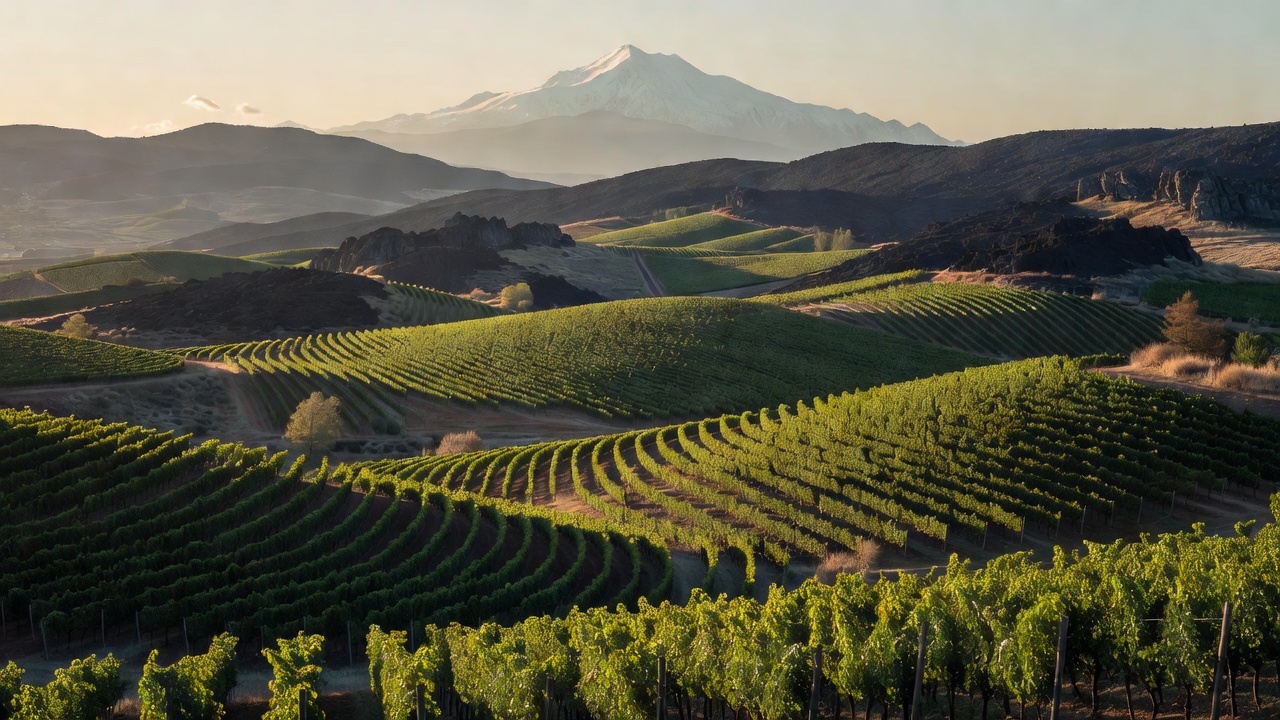
Israel's Galilee region is rapidly gaining recognition among wine enthusiasts seeking distinctive terroir-driven experiences. Shaped by ancient volcanic soils, high elevations, and a Mediterranean climate, the area produces wines that stand apart from those of more established global regions. This spotlight examines the unique environmental factors, standout vineyards, grape varieties, and actionable 2026 touring advice for travelers craving off-the-beaten-path adventures. The region's combination of geological history and modern viticultural techniques creates wines with remarkable depth and character that reward both casual sippers and serious collectors.
The Unique Terroir of Galilee
Galilee's terroir combines volcanic basalt soils rich in minerals, elevations ranging from 300 to 600 meters above sea level, and a climate featuring warm days cooled by evening breezes and winter rains. These elements create ideal conditions for grapes that develop intense flavors and balanced acidity. Volcanic soils retain heat and provide excellent drainage, while elevation moderates temperatures to preserve freshness in the wines. The basalt bedrock, formed from ancient eruptions, imparts a distinctive minerality often described as flinty or smoky, setting Galilee wines apart from those grown in limestone or alluvial soils elsewhere.
Compared to Israel's coastal plains or the Negev Desert, Galilee offers cooler nights that slow ripening, resulting in more complex aromatics. This mirrors aspects of volcanic regions like parts of Oregon or Sicily but with a distinctly Levantine twist influenced by local flora and sunlight intensity. Annual rainfall concentrated in winter months, combined with irrigation from nearby sources such as the Sea of Galilee, supports sustainable viticulture without excessive water stress on the vines.
History of Winemaking in the Galilee Region
Winemaking in Galilee dates back thousands of years, with archaeological evidence of ancient presses and storage jars found throughout the hills. Biblical references highlight the area's fertility for grape cultivation, and modern revival began in the late 19th century with pioneering settlers. Today, the focus has shifted toward quality over quantity, with small-batch producers emphasizing site-specific expressions that honor both tradition and innovation.
Key Vineyards and Wineries in Galilee
Several pioneering estates define the region's reputation. Wineries such as Golan Heights Winery and Barkan Wine Cellars leverage the highland plateaus for premium production. Smaller boutique operations like Dalton Winery and Amphorae focus on sustainable practices and single-vineyard expressions. Visitors often start at these sites for their visitor centers, scenic views, and guided explanations of soil composition. Many estates emphasize native and international varieties grown on terraced slopes. The volcanic bedrock contributes a signature minerality that winemakers highlight during tastings. Additional notable stops include the scenic terraces of Odem Mountain Winery and the experimental plots at Recanati, where winemakers test new clones suited to the local microclimates.
- Guided tours typically last 90 minutes and include barrel room walks.
- Most properties offer English-language explanations and accessible paths for all mobility levels.
- Advance reservations are essential during peak 2026 seasons to secure spots.
Signature Grape Varieties
Cabernet Sauvignon thrives here, producing full-bodied reds with notes of blackcurrant, herbs, and earth. Syrah expresses peppery spice alongside dark fruit, benefiting from the diurnal temperature swings. Other varieties gaining traction include Merlot, Chardonnay, and emerging plantings of Grenache and Mourvèdre. These grapes adapt well to the mineral-rich soils, yielding wines with vibrant acidity and aging potential. Winemakers often blend Cabernet with small amounts of Syrah to add complexity and structure, creating flagship bottles that age gracefully for a decade or more.
Planning 2026 Vineyard Tours and Itineraries
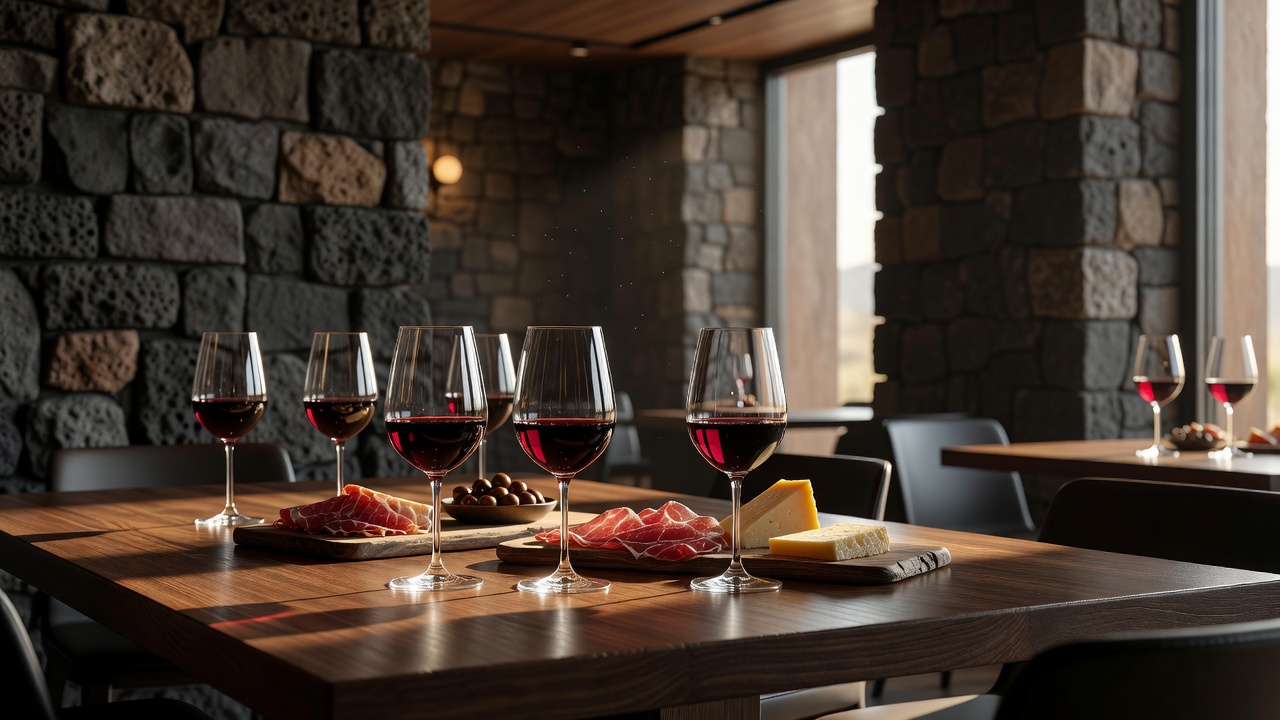
For 2026, travelers should book tours in spring or fall for optimal weather. A recommended three-day itinerary begins in the Upper Galilee with visits to two wineries daily, incorporating hikes through volcanic landscapes. Day two shifts to the Lower Galilee for tastings paired with local cheeses. Day three includes a drive along the Sea of Galilee with sunset tastings. Transportation options range from private drivers to organized bus tours departing from Tel Aviv or Haifa. Practical tips include packing layered clothing for temperature changes, comfortable walking shoes for vineyard paths, and a reusable water bottle to stay hydrated between tastings.
Beginner-friendly options include half-day guided tours at major estates that explain basic winemaking without jargon. Many offer non-alcoholic grape juice tastings for families. Sustainability-focused tours highlight organic farming and water conservation techniques used across the region. For those with limited time, single-day express itineraries combine two wineries with a picnic lunch featuring regional olives and breads.
Sustainability Practices in Galilee Vineyards
Wineries increasingly adopt regenerative agriculture, cover cropping, and solar-powered facilities to protect the volcanic ecosystem. These efforts reduce water usage in the semi-arid climate while maintaining biodiversity. Travelers interested in eco-tourism can join workshops on soil health and native yeast fermentation. Many estates participate in certification programs that track carbon footprints and promote biodiversity corridors between vineyard blocks.
Pairing Regional Wines with Local Cuisine
Galilee wines pair beautifully with Levantine dishes. Cabernet Sauvignon complements grilled lamb kebabs, while Syrah enhances eggplant-based mezes. Chardonnay balances creamy hummus or fresh herb salads. For dessert, late-harvest styles match date-based sweets common in the area. Consider these specific pairings during your visit: a crisp Chardonnay with tabbouleh salad, or a structured Syrah with spiced falafel and tahini sauce. Local restaurants near the wineries often feature wine-pairing menus that highlight seasonal produce from nearby farms.
Comparisons to Established Wine Regions
Unlike Bordeaux's limestone-heavy soils or California's varied microclimates, Galilee's volcanic influence creates a bolder mineral backbone. Elevation effects resemble those in South Africa's Stellenbosch but with stronger Mediterranean herbal notes. This makes Galilee ideal for those exploring alternatives to crowded European destinations. Travelers familiar with New World wines will appreciate the balance of ripeness and freshness found here, while Old World enthusiasts enjoy the earthy complexity reminiscent of volcanic terroirs in Italy or Greece.
Frequently Asked Questions About Galilee Wine Tours
Many first-time visitors ask about the best time to visit, transportation logistics, and what to expect at tastings. Spring and autumn provide the most comfortable temperatures, while summer tours focus on shaded indoor tastings. Public transport is limited, so renting a car or joining a guided group is recommended. Tastings generally include five to seven wines with explanations of each vintage and vineyard block.
Conclusion
Galilee offers a compelling blend of ancient geology and modern winemaking innovation. With thoughtful planning, 2026 visitors can experience terroir-driven wines alongside sustainable practices and memorable pairings. The region invites discovery for anyone seeking authentic, lesser-known wine destinations. Explore further through official resources at Israel's tourism portal and learn more about global wine contexts via well-documented wine references.
No comments yet. Be the first!