 Uncorked Conversations
Discovering the Dalmatian Coast's Emerging Wine Identity
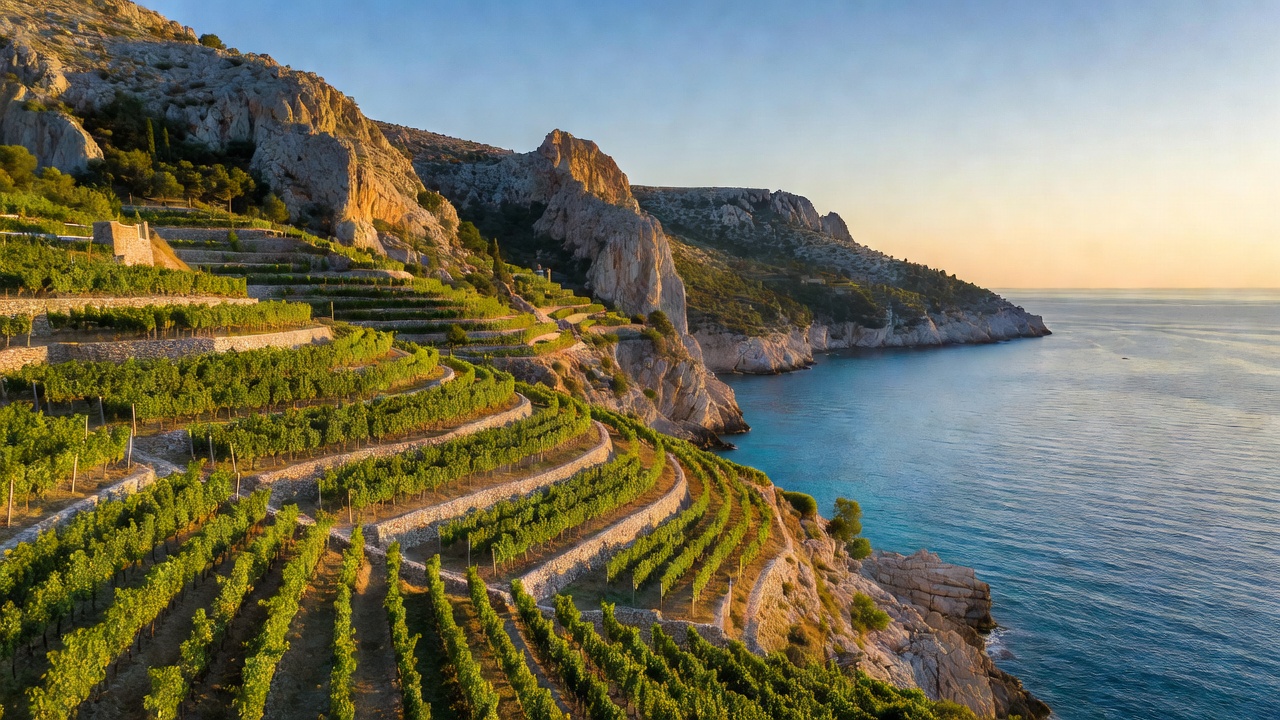
Croatia's Dalmatian Coast stands out in 2026 as a premier destination for wine enthusiasts seeking authentic experiences away from overcrowded European hotspots. Shaped by dramatic karst landscapes and the cooling breezes of the Adriatic Sea, this region's terroir produces distinctive wines that reflect both ancient traditions and modern sustainability efforts. The area has gained recognition among travelers who value less commercialized destinations, offering intimate encounters with winemakers who have preserved family legacies spanning generations.
The unique combination of limestone-rich soils and maritime influences creates microclimates ideal for indigenous varieties. Travelers can expect guided tastings that highlight these nuances while supporting local producers committed to eco-friendly methods. In 2026, the region continues to emphasize responsible tourism, ensuring that visitors leave with a deeper appreciation for the land and its people rather than contributing to overtourism pressures seen elsewhere in the Mediterranean.
The Terroir: Karst Soils and Maritime Influences
The Dalmatian terroir owes its character to extensive karst formations, where porous limestone allows deep root systems while retaining minimal water. This forces vines to concentrate flavors, resulting in wines with bright acidity and mineral notes. The Adriatic Sea moderates temperatures, preventing extreme heat and extending the growing season by several weeks compared to inland areas. Strong seasonal winds known as the bora further stress the vines, leading to thicker skins and more complex phenolic development in the grapes.
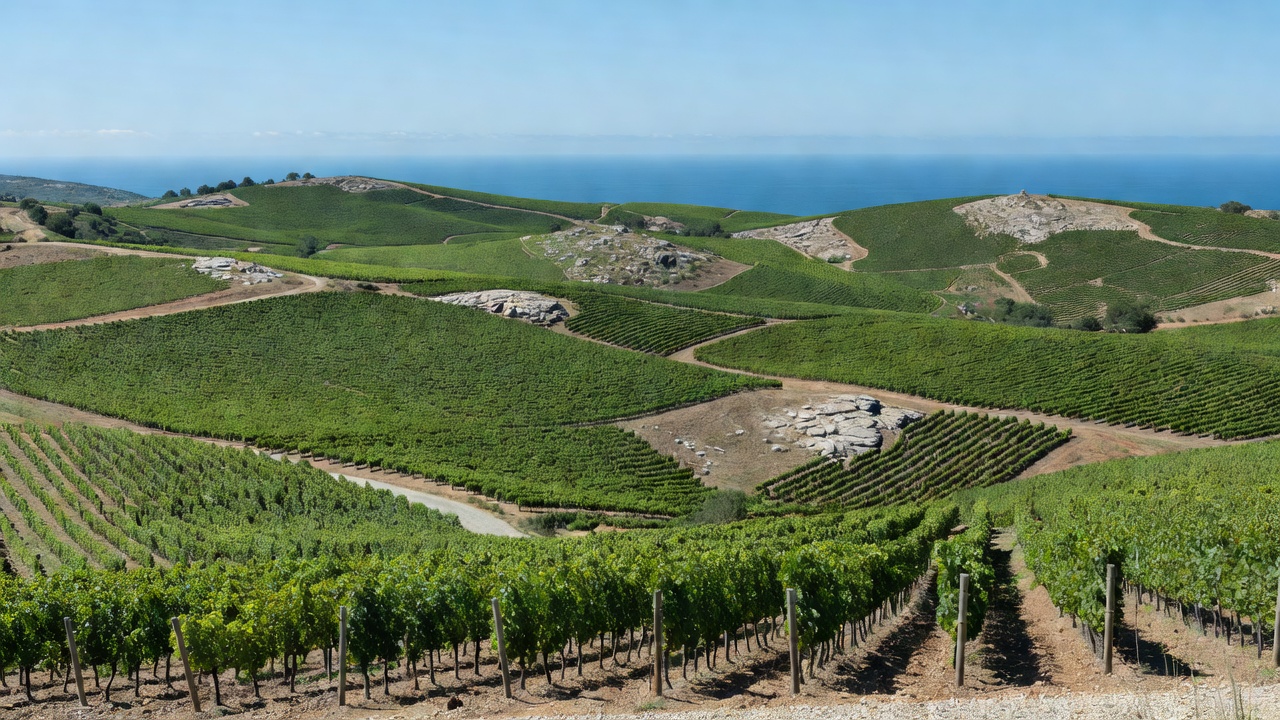
Compared to similar coastal regions like those in southern France or parts of Italy, Dalmatia's steeper slopes and stronger winds add a layer of intensity. These conditions favor grapes that thrive under stress, yielding structured reds and aromatic whites. The interplay between the sea spray that occasionally reaches the vines and the mineral-rich bedrock creates a distinctive salinity that many tasters describe as the hallmark of Dalmatian wines. Soil variations across short distances mean that neighboring vineyards can produce markedly different expressions of the same grape, rewarding those who explore multiple estates on a single tour.
Indigenous Grape Varieties: Plavac Mali, Pošip and Beyond
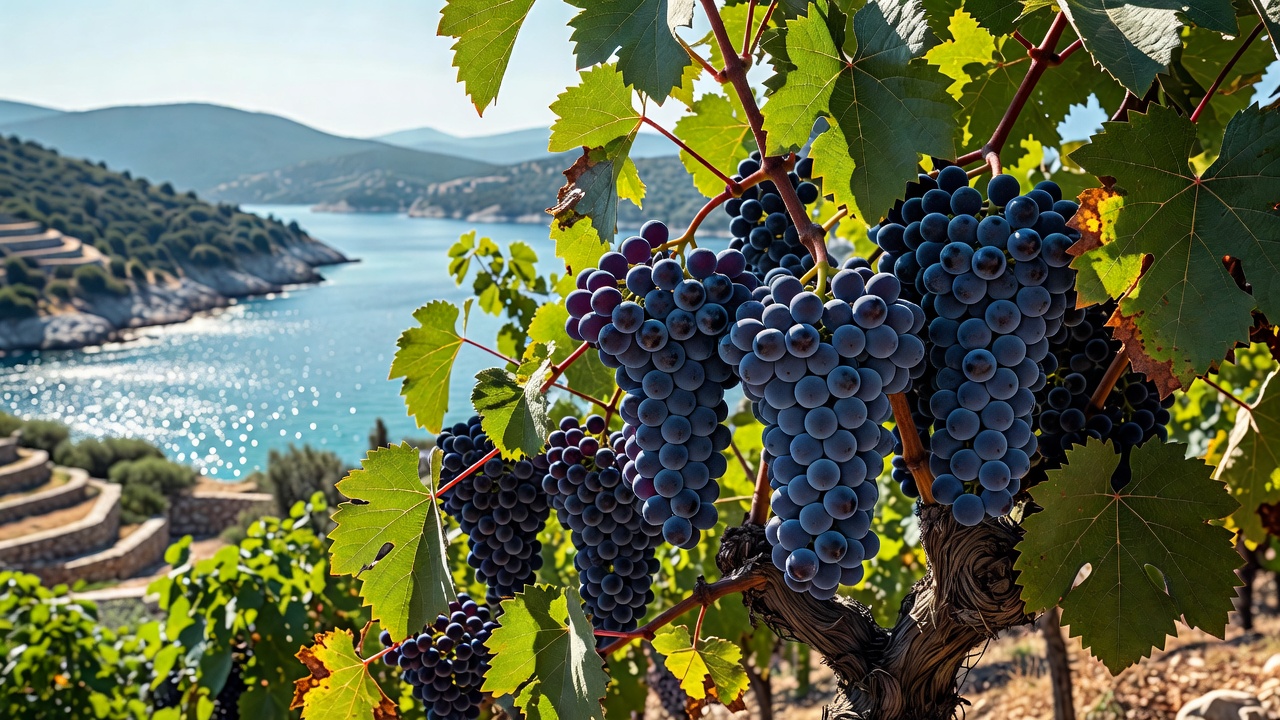
Plavac Mali dominates red wine production along the coast. This robust variety produces full-bodied wines with dark fruit, spice, and herbal undertones. Its thick skins protect against intense sun, contributing to the region's signature tannic structure. Winemakers often age these wines in oak to soften tannins while preserving the fruit-forward character that pairs so well with grilled meats and seafood.
Pošip, a white grape native to the island of Korčula, offers crisp acidity with notes of citrus, almond, and sea salt. Both varieties benefit from the coastal climate, delivering freshness that pairs beautifully with local cuisine. Additional indigenous grapes such as Maraština and Debit add further diversity, with Maraština producing elegant whites suited to lighter dishes and Debit offering crisp, mineral-driven profiles ideal for shellfish. These varieties have adapted over centuries to the local conditions, making them resilient to the challenges of climate change that affect more widely planted international grapes.
Standout Vineyards Around Pelješac and Hvar
Pelješac peninsula hosts some of the most acclaimed estates, where steep vineyards overlook the sea. Producers here emphasize low-yield farming to enhance quality. Hvar island, known for its lavender fields and historic towns, features terraced vineyards that capture dramatic views. Many estates on these islands maintain small production scales, allowing for meticulous hand-harvesting and careful selection of fruit at optimal ripeness.
These areas showcase small-batch production with a focus on biodiversity. Visitors often tour family-run operations that integrate traditional techniques with contemporary organic practices. Examples include estates that intercrop vines with native herbs and flowers to support pollinators, creating a balanced ecosystem that reduces the need for external inputs. The dramatic scenery of these locations turns every vineyard visit into a memorable journey through both landscape and flavor.
Curated 2026 Wine Tour Itineraries with Tastings
Well-designed 2026 itineraries typically span three to five days, starting in Dubrovnik and moving northward. Days include vineyard hikes, cellar tours, and multi-course tastings featuring five to seven wines. Evening sessions often incorporate sunset views over the Adriatic. A sample three-day route might begin with coastal estates on Pelješac, continue to Hvar by ferry for island-specific tastings, and conclude with visits to Korčula producers known for white wines.
Options range from private guided experiences to small-group tours that allow deeper interaction with winemakers. Sustainability is central, with many routes highlighting carbon-neutral transport and zero-waste tastings. Participants frequently learn about soil conservation techniques during vineyard walks and sample wines made with minimal intervention. These tours cater to different experience levels, from first-time visitors to seasoned collectors seeking rare vintages.
Seasonal Booking Tips and Sustainability Practices
Book spring or fall tours to avoid peak summer crowds and enjoy milder weather ideal for outdoor tastings. Early reservations secure spots at popular estates, especially during harvest-adjacent periods. Travelers should consider shoulder-season packages that bundle ferry transfers and accommodations to simplify logistics in this island-dotted region.
Many producers follow regenerative agriculture, preserving soil health through cover crops and reduced chemical use. These efforts align with broader European goals for climate-resilient viticulture. Visitors can participate in workshops on composting and water management, gaining practical insights they can apply at home. The emphasis on sustainability extends to packaging, with an increasing number of estates using recycled materials for labels and shipping crates.
Food Pairings with Local Seafood
Dalmatian wines excel alongside fresh Adriatic seafood. Plavac Mali complements grilled octopus or black risotto, while Pošip enhances oysters and sea bass. Herbs like rosemary and fennel bridge the flavors, creating harmonious plates. A typical pairing might feature Pošip with raw scampi drizzled in olive oil, allowing the wine's acidity to cut through the richness while highlighting the sweetness of the shellfish.
Local restaurants often curate menus around these pairings, using ingredients sourced from nearby waters and gardens. Travelers can extend their experience by joining cooking classes that teach traditional preparation methods, such as baking fish in salt crusts that echo the mineral qualities of the wines themselves.
Beginner-Friendly FAQ on Croatian Wine Culture
- What makes Croatian wines unique? Indigenous grapes and karst terroir create flavors not found elsewhere.
- Are tours suitable for beginners? Yes, many include educational tastings led by English-speaking guides who explain tasting techniques step by step.
- How does sustainability factor in? Estates prioritize organic methods and biodiversity to protect the fragile coastal ecosystem.
- When is the best time to visit? Shoulder seasons offer optimal conditions for exploration without excessive heat or crowds.
- What should I bring on a vineyard tour? Comfortable walking shoes, sun protection, and a notebook for recording tasting impressions are recommended.
- Are there non-alcoholic options available? Many estates now offer verjus or grape-based beverages for designated drivers or those abstaining.
- How do I navigate wine labels? Focus on the producer name and vintage rather than grape variety, as many Croatian wines use local synonyms.
Comparing Dalmatian Terroir to Other Coastal Regions
While the Dalmatian Coast shares similarities with Provence or Liguria, its extreme diurnal temperature swings and pronounced mineral soils produce wines with greater tension and longevity. The isolation of many island vineyards has preserved genetic diversity lost in more industrialized regions, offering tasters a glimpse into viticultural heritage that feels both ancient and forward-looking.
2026 Events and Practical Travel Advice
Special events in 2026 include harvest festivals and sustainability forums that bring together international experts. Practical advice includes checking ferry schedules in advance, as inter-island travel forms the backbone of any multi-estate itinerary. Packing layers is essential due to variable coastal winds, and learning basic Croatian phrases helps build rapport with local producers.
Conclusion: Planning Your 2026 Dalmatian Wine Journey
The Dalmatian Coast invites travelers to immerse themselves in a terroir that balances rugged beauty with refined wines. With thoughtful itineraries and a commitment to preservation, 2026 promises unforgettable experiences. For more on Croatia's offerings, visit the Croatian National Tourist Board, explore resources from FAO on sustainable agriculture, and learn about global viticulture standards at OIV.
No comments yet. Be the first!