 Uncorked Conversations
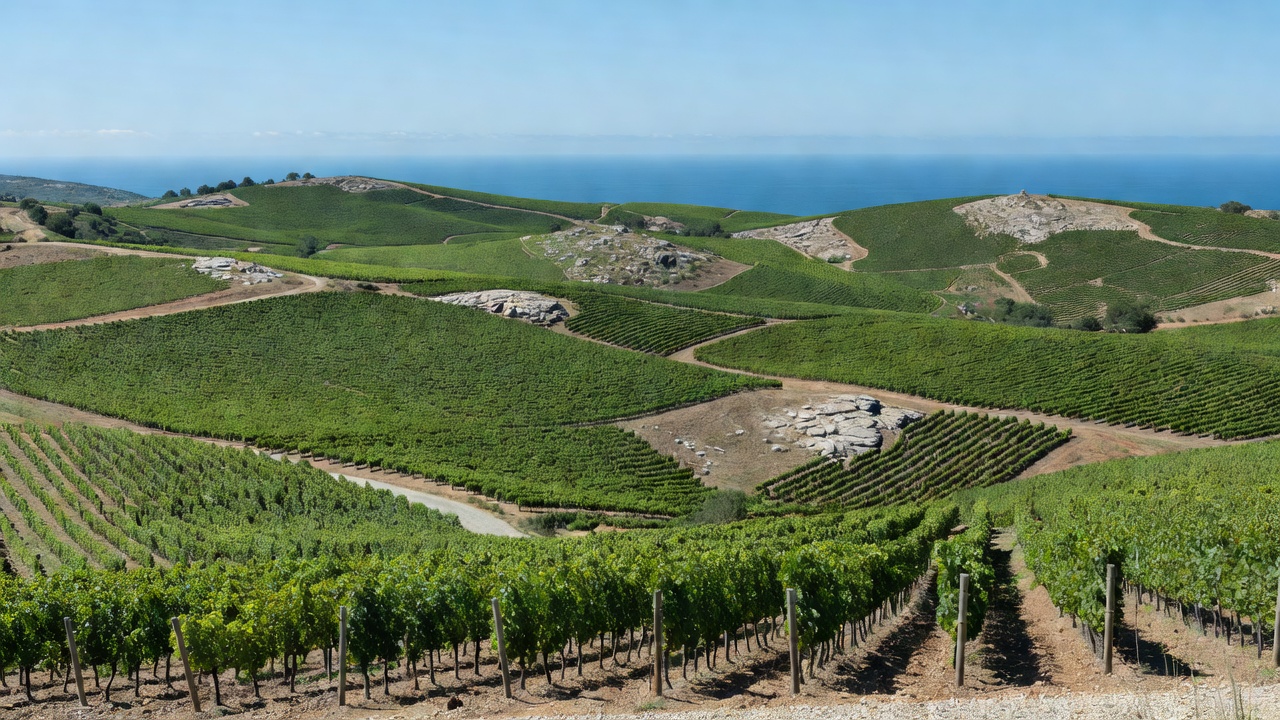
Discovering the Unique Terroir of Vinho Verde
Portugal's Vinho Verde region stands out for its crisp, high-acidity wines shaped by Atlantic breezes and granitic soils. This northern area delivers refreshing whites that pair beautifully with seafood and light dishes, making it a top destination for wine enthusiasts planning 2026 trips. The terroir combines cool maritime air with mineral-rich soils, resulting in wines that express vibrant fruit and lively acidity. Travelers seeking authentic experiences will find the landscape dotted with small family-run properties alongside larger estates, all benefiting from the same natural conditions that define the region's character.
Indigenous Grape Varieties That Define the Region
The region's character comes from native grapes. Alvarinho produces aromatic, citrus-driven wines with mineral notes, while Loureiro adds floral and herbal complexity. Other varieties like Arinto and Azal contribute to the bright acidity that defines Vinho Verde. These grapes thrive in the cool climate, yielding wines with lower alcohol levels ideal for summer drinking. For example, Alvarinho from the Monção subregion often shows notes of green apple and peach, while Loureiro from the Lima valley brings lavender and lime zest. Winemakers frequently blend these varieties to balance structure and aromatics, creating layered expressions that highlight the Atlantic influence on ripening. Understanding these grapes helps visitors appreciate why Vinho Verde stands apart from fuller-bodied Portuguese wines.
Sustainable Vineyard Practices in Vinho Verde
Many estates emphasize eco-friendly methods, including organic farming and minimal intervention. Granitic soils naturally limit yields, promoting concentrated flavors without heavy chemical use. Visitors in 2026 can observe cover cropping and biodiversity efforts that protect the Atlantic-influenced landscape. Practices such as using native yeast fermentations and avoiding fining agents preserve the purity of the fruit. Estates often maintain old vines, some over 50 years old, which contribute complexity and resilience to weather variations. These approaches align with broader European Union sustainability goals, allowing the region to maintain its reputation for fresh, expressive wines while protecting the environment for future generations.
Standout Estates Open for Tours
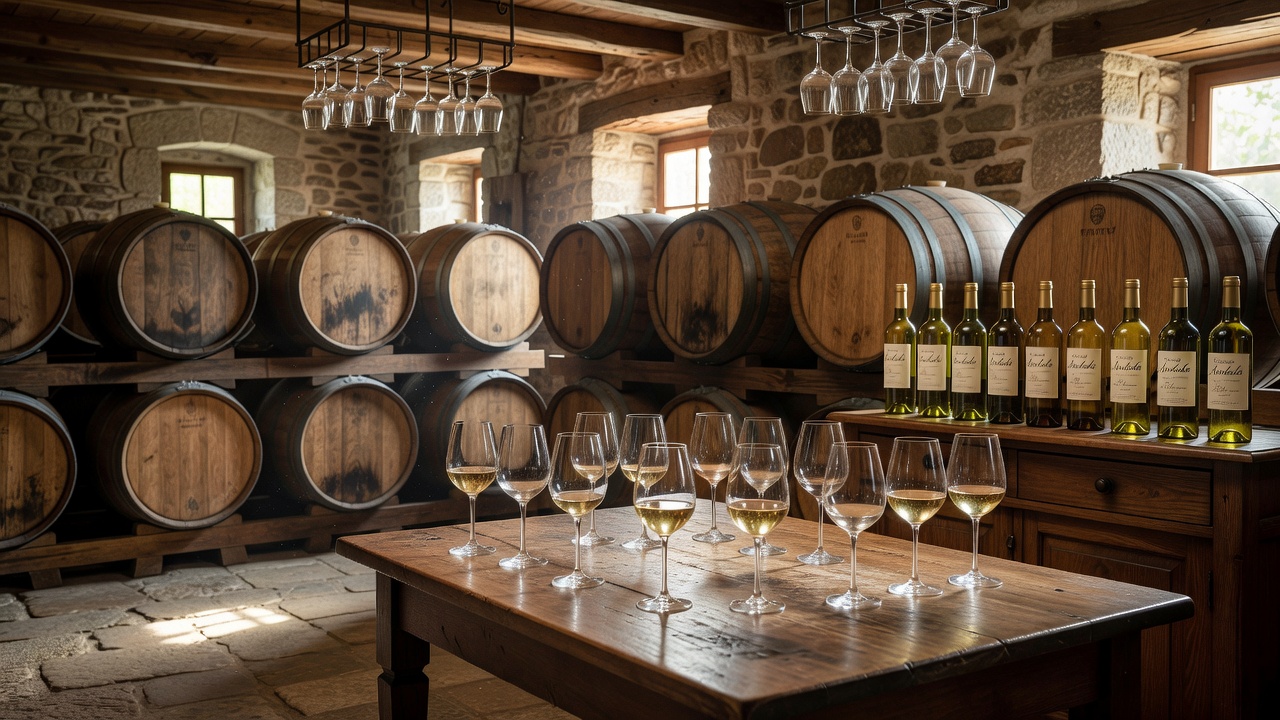
Quinta de Soalheiro offers guided tastings highlighting Alvarinho expressions. Quinta do Ameal focuses on Loureiro and sustainable techniques. These properties welcome visitors with cellar tours and vineyard walks, providing insights into local winemaking traditions. Additional estates like Quinta da Aveleda and Quinta de Azevedo provide hands-on experiences such as grape pressing demonstrations and paired lunches featuring regional produce. Each estate tailors tours to different interests, from technical winemaking details to relaxed garden tastings overlooking the vines. Advance reservations are recommended during peak months to ensure availability for private or small-group visits.
Practical Steps for Booking 2026 Vineyard Tours
Start by checking estate websites for availability, as peak season fills quickly. Book at least three months ahead for private tours. Consider joining group tastings for cost efficiency. Always confirm transportation options, as many estates are rural. Prepare by reviewing tasting notes in advance and bringing a notebook to record impressions. Some properties offer multilingual guides, while others provide English materials upon request. Travelers should also inquire about accessibility features if needed and ask about any seasonal closures related to harvest or maintenance.
Seasonal Tasting Events and Sample Itineraries
Spring brings harvest previews, while autumn features grape stomping events. A three-day itinerary might include Monção for Alvarinho, then Amarante for Loureiro tastings, ending with coastal pairings. Allocate time for nearby markets to sample regional cheeses. Extended five-day plans can incorporate visits to the Minho river area for boat tours combined with wine stops, or focus on lesser-known subregions like Basto for unique varietal discoveries. Seasonal events often include live music and local food stalls, enhancing the cultural immersion. Checking regional tourism calendars helps align visits with festivals that showcase both wine and traditional Portuguese cuisine.
Comparing Vinho Verde to Douro Valley Wines
Unlike the robust reds of the Douro Valley, Vinho Verde emphasizes light, effervescent whites. The Atlantic influence creates higher acidity than Douro's continental climate. Both regions offer rich heritage, but Vinho Verde suits those seeking refreshing, food-friendly options. Learn more at Visit Portugal. The Douro's schist soils and steeper slopes produce powerful, age-worthy reds and ports, whereas Vinho Verde's granitic terrain and cooler temperatures favor delicate whites meant to be enjoyed young. This contrast allows travelers to experience Portugal's diversity by combining visits to both regions in one trip.
Food Pairings and Wine Serving Recommendations
Traditional pairings include grilled sardines, octopus salad, and fresh goat cheese. Serve Vinho Verde slightly chilled to highlight its effervescence and acidity. Experiment with modern combinations such as sushi or herb-roasted chicken to discover new flavor synergies. Many estates provide suggested pairings during tastings, helping visitors build confidence in matching wines with meals at home. The light body also makes these wines excellent aperitifs before heavier courses.
Travel Logistics and Essential Tips
Reach the region easily via Porto airport followed by a short drive or train ride. Renting a car provides the most flexibility for visiting multiple estates in one day. Public transport options exist but require careful planning around schedules. Pack comfortable walking shoes for vineyard tours and light layers for changing weather. Staying in local quintas or nearby towns like Ponte de Lima offers authentic immersion and easy access to tasting rooms.
Frequently Asked Questions
- How do I reach the region? Fly into Porto and rent a car for flexibility.
- What foods pair best? Fresh fish, salads, and mild cheeses complement the acidity.
- Are tours suitable for beginners? Yes, many include educational elements for all levels.
- When is the best time to visit? Late spring through early autumn offers pleasant weather and full estate schedules.
- Do I need reservations? Yes, especially for smaller properties during peak season.
Conclusion
Vinho Verde's terroir offers an unforgettable experience for 2026 travelers. With thoughtful planning around tours, events, and pairings, visitors gain deep appreciation for these distinctive wines. Explore further resources from Wines of Portugal to refine your journey.
No comments yet. Be the first!