 Uncorked Conversations
Introduction to Burgenland's Rising Wine Scene
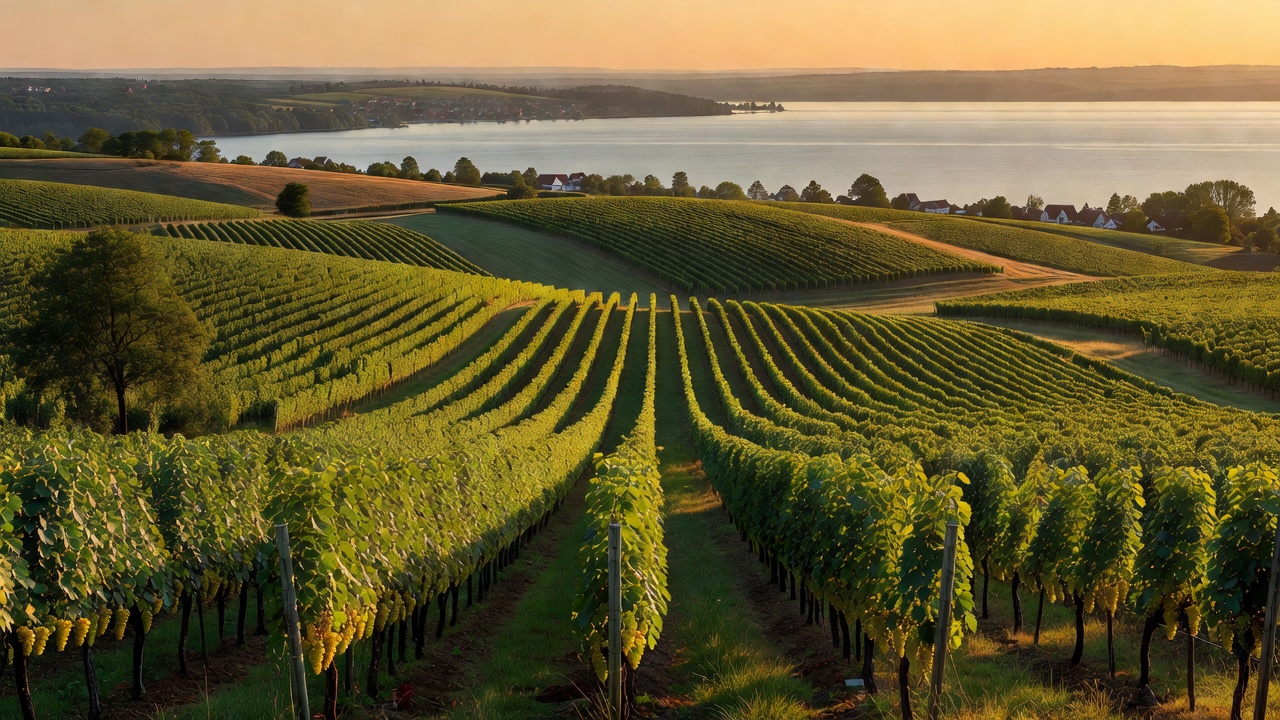
Burgenland stands out as one of Austria's most exciting yet under-the-radar wine regions. Its varied landscapes, from volcanic hills to the shores of Neusiedler See, create distinctive terroirs that produce memorable reds and whites. For 2026, vineyard tours here offer beginners an accessible entry into Austrian winemaking with friendly producers and scenic routes. This guide covers the soils, key grapes, standout areas, and practical planning for your visit in depth.
The region benefits from a continental climate with Pannonian influences, making it warmer than many other Austrian areas. This results in riper fruit and wines with more body. Travelers seeking authentic experiences away from the crowds of better-known districts will find Burgenland ideal for immersive 2026 journeys.
Understanding Burgenland's Diverse Terroir
The region's terroir blends volcanic, loess, and lakeside influences. Volcanic soils in the south lend minerality to reds, while the shallow lake moderates temperatures for balanced acidity. These conditions differ from the alpine focus of regions like Wachau. Loess deposits provide excellent drainage and nutrient retention, supporting healthy vine growth across multiple microclimates.
Visitors often notice how proximity to water creates microclimates ideal for both cool-climate and warmer expressions. The combination of ancient volcanic rock and sedimentary layers near the lake produces wines with layered complexity. Soil variations allow producers to craft everything from crisp whites to structured reds within short distances.
Signature Grapes of Burgenland
Blaufränkisch dominates with spicy, cherry-driven profiles that reflect the terroir. Zweigelt offers softer, fruit-forward wines perfect for everyday enjoyment. Sweet wines from botrytis-affected grapes near the lake add another dimension. Additional varieties like Welschriesling thrive in the lakeside zones, delivering aromatic whites with vibrant acidity.
- Blaufränkisch: Bold structure and aging potential, often showing notes of black pepper and dark fruit
- Zweigelt: Versatile and approachable, with juicy berry flavors suitable for pairing
- St. Laurent: Earthy notes in select sites, offering Pinot-like elegance
- Pinot Blanc and Chardonnay: Emerging whites that showcase the volcanic minerality
These grapes respond uniquely to the local soils, giving wines a sense of place that sets them apart in blind tastings.
Standout Vineyards Around Neusiedler See
The lake area hosts many welcoming estates. Producers here emphasize sustainable practices and host tastings with views of the water. 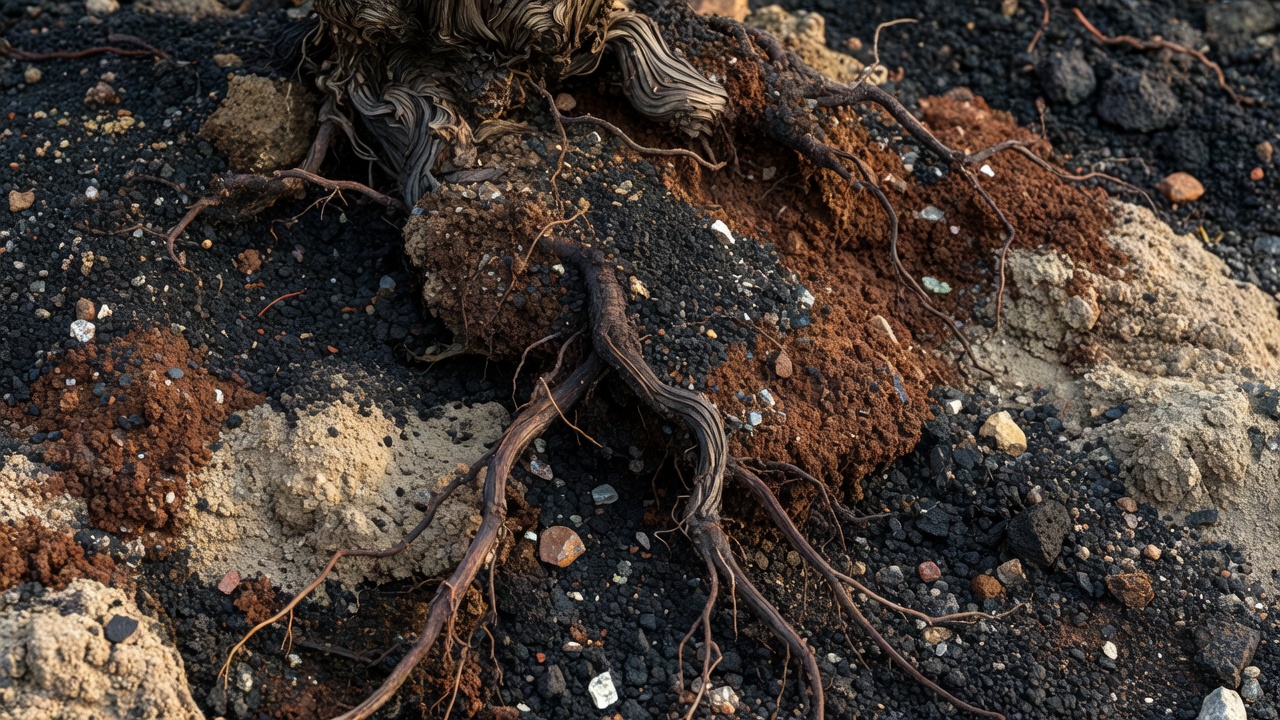
Routes often combine stops at multiple cellars in a single day, allowing comparison of volcanic versus lakeside expressions. Estates in Rust and Mörbisch provide easy access and often feature historic cellars dating back centuries. Further south, vineyards on volcanic slopes offer dramatic views and robust reds that express the mineral-rich earth.
Recommended 2026 Tour Itineraries
Plan a three-day loop starting in Eisenstadt, moving to Rust for lakeside tastings, then south for volcanic reds. Include seasonal events like harvest festivals in autumn. Day one can focus on the northern lakeside with bicycle tours along the shore path. Day two shifts to central estates for comparative tastings of Blaufränkisch from different soil types. Day three explores the southern volcanic hills with longer hikes between vineyards.
Many tours pair visits with bike rides along the lake path for an active experience. Booking ahead through local tourism resources ensures access to small-production estates. Consider combining wine stops with visits to nearby cultural sites for a well-rounded trip.
Comparing Burgenland to Famous Austrian Regions
Unlike the steep terraces of Wachau or the crisp whites of Lower Austria, Burgenland delivers fuller-bodied reds with unique volcanic character. This creates a more relaxed, discovery-focused visitor experience away from crowds. Wachau emphasizes Riesling on terraced slopes with cool nights, while Burgenland's lake influence brings warmth and ripeness. The result is wines that appeal to those who enjoy New World styles but with Old World restraint.
For more details on Austrian travel planning, check Austria's official tourism site.
Practical Steps for Booking and Preparing Your Visit
Start by researching estates online and contacting them directly for reservations. Many offer English-language tours year-round. Pack comfortable walking shoes, a notebook for tasting notes, and layers for variable weather. Public buses and trains connect major towns, while renting a car provides flexibility for remote vineyards.
Review seasonal calendars for events such as open cellar days or grape harvest celebrations. First-time visitors should prioritize guided group tours initially to learn the basics before venturing independently.
Pairing Regional Wines with Local Cuisine
Blaufränkisch pairs beautifully with Wiener schnitzel or goulash. Zweigelt complements grilled meats or pumpkin seed oil dishes common in the area. Sweet wines from the lake pair well with apricot desserts or local cheeses. Experiment with traditional Burgenland recipes to enhance the tasting experience.
FAQs for First-Time Visitors
How do I book tours? Contact estates directly via their websites or use local tourism boards for guided options. Advance booking is recommended during peak seasons.
Best travel tips? Visit in spring or fall for milder weather and fewer crowds. Public transport connects major towns efficiently. Always confirm opening hours as some smaller producers operate by appointment only.
Seasonal events in 2026? Look for wine festivals around Neusiedler See that highlight new releases. These often include live music and regional food pairings.
What about transportation? Trains from Vienna reach Eisenstadt in under an hour, making day trips feasible. For multi-day tours, consider staying in Rust for central access.
Any pairing advice for beginners? Start with lighter Zweigelt alongside poultry before moving to fuller Blaufränkisch with red meats.
Conclusion
Burgenland rewards curious travelers with authentic terroir-driven wines and welcoming hospitality. Start planning your 2026 visit to experience this hidden gem. With careful preparation, your tour will reveal the unique character of Austrian regional wines in one of Europe's most promising emerging destinations.
No comments yet. Be the first!