 Uncorked Conversations
Introduction to Pfalz: Germany's Underrated Wine Gem
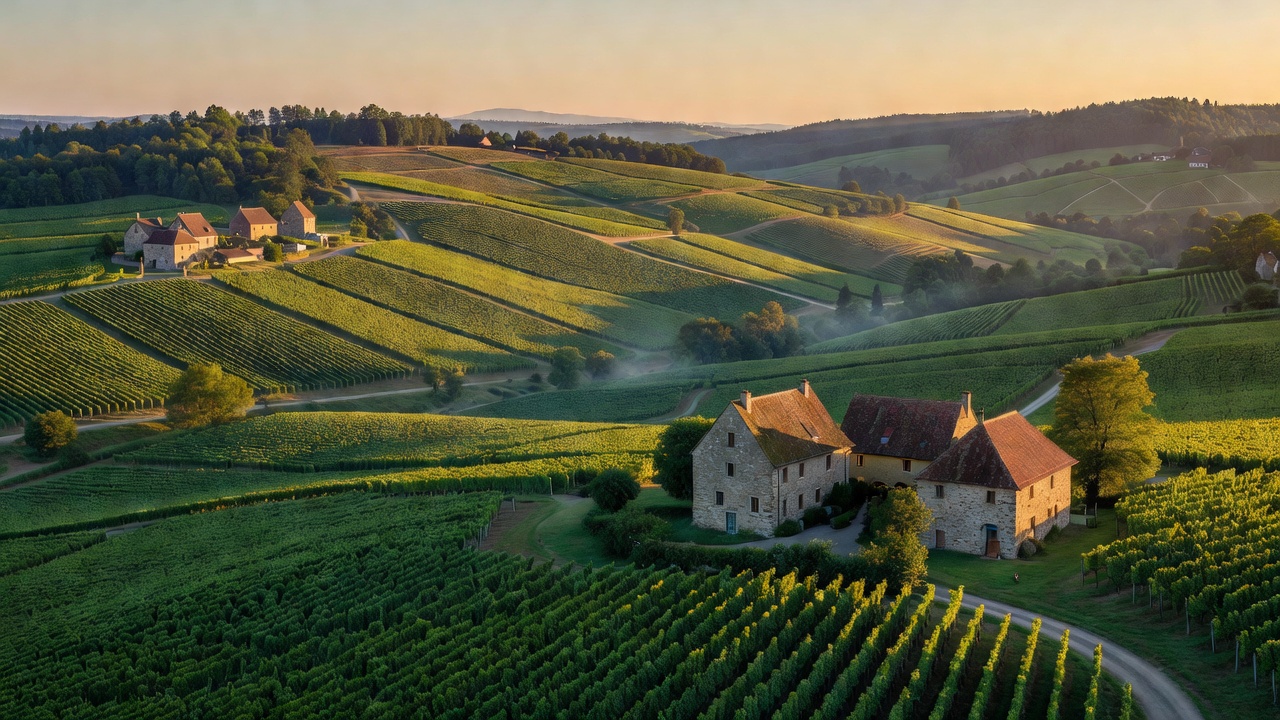
The Pfalz region in southwestern Germany stands out as an exceptional yet often overlooked destination for wine enthusiasts seeking alternatives to more crowded European hotspots. Nestled between the Haardt Mountains and the Rhine River, this area boasts a rich history of viticulture dating back to Roman times, with terroir that profoundly influences its signature Riesling and a diverse array of other varietals including Pinot Noir, Grauburgunder, and Dornfelder. Unlike the steeper, more dramatic landscapes of the Mosel, Pfalz offers gentler slopes and a milder climate that supports both quality and quantity in grape production. This beginner-friendly guide delves deeply into the region's unique soil compositions, highlights premier vineyards and estates, and provides actionable advice for planning immersive 2026 wine tours complete with tastings. By exploring these elements, travelers can appreciate how local geology and climate create wines of remarkable depth and character while discovering practical ways to experience the Pfalz authentically.
Understanding Pfalz Terroir and Soil Types Across Sub-Regions
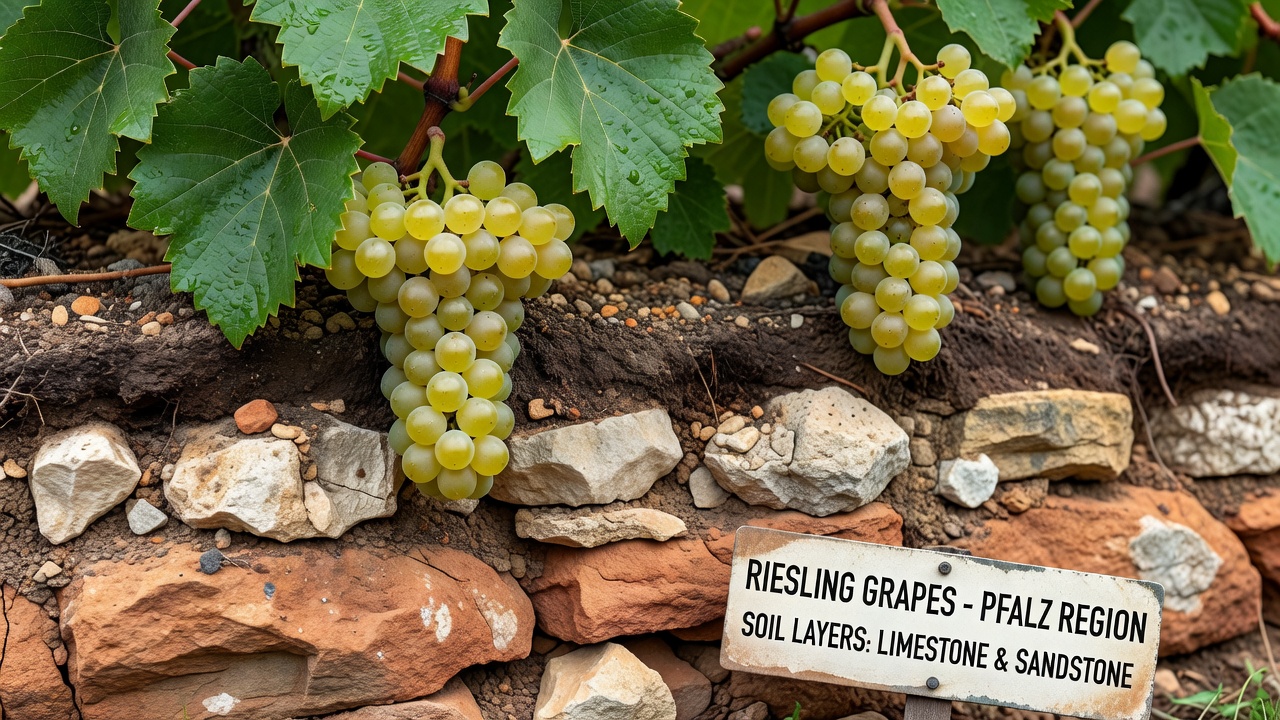
Pfalz's terroir is shaped by a fascinating interplay of geological features, elevation changes, and protective mountain barriers that create numerous microclimates ideal for viticulture. The northern Mittelhaardt sub-region is dominated by loess and limestone soils, which contribute bright acidity and pronounced minerality to Riesling wines, often resulting in elegant expressions with notes of citrus, stone fruit, and wet slate. In contrast, the southern Südliche Weinstraße area features more red sandstone and marl deposits that add body and earthiness to reds like Spätburgunder and Dornfelder, producing structured wines with hints of red berries and spice. These soil variations are not uniform; pockets of volcanic basalt and gravel further diversify outcomes, allowing winemakers to craft everything from crisp dry whites to full-bodied reserves. Elevation plays a key role too, with vineyards on higher slopes benefiting from better drainage and cooler nights that preserve acidity, while lower sites enjoy warmer conditions for optimal ripeness. Educational resources from the German Wine Institute emphasize how these factors interact to define Pfalz's identity. Visitors on guided tours frequently sample side-by-side comparisons from adjacent plots to witness terroir's direct impact, fostering a deeper understanding that goes beyond simple tasting notes.
Climate nuances amplify these soil effects, with the Pfalz enjoying one of Germany's sunniest and driest conditions, protected by the Palatinate Forest. This leads to consistent ripening and lower disease pressure, supporting sustainable practices across many estates. Beginners will find that learning these fundamentals enhances appreciation for why Pfalz wines often display balanced freshness alongside complexity, setting them apart from cooler-climate regions.
Standout Vineyards and Estates with Real Examples
Several iconic estates exemplify Pfalz's terroir-driven excellence and welcome visitors year-round. Weingut Dr. Bürklin-Wolf in Wachenheim cultivates on prime limestone soils using biodynamic methods, producing Rieslings that evolve beautifully in the bottle with layers of honey, almond, and floral aromas. Nearby, Weingut Knipser in Laumersheim leverages sandstone terraces for elegant Pinot Noir and Weißburgunder that showcase red fruit and mineral depth. Another standout is Weingut Reichsrat von Buhl, whose historic cellars in Deidesheim preserve traditional winemaking while incorporating modern sustainability measures like cover cropping to enhance soil biodiversity. These estates often provide detailed tours explaining vineyard management techniques tailored to specific soil types. Additional examples include Weingut Bassermann-Jordan, known for its meticulous single-vineyard Rieslings from varied geologies, and smaller family operations like Weingut Fitz-Ritter that emphasize organic conversion. Exploring these properties reveals how generational knowledge combines with scientific soil analysis to optimize grape quality. Many offer vertical tastings of multiple vintages, illustrating how terroir influences aging potential over time.
Immersive 2026 Wine Tour Options with Tastings
Planning a 2026 visit opens doors to a variety of immersive tours designed for all experience levels. Half-day introductory experiences typically start with vineyard walks followed by seated tastings of five to seven wines, highlighting terroir distinctions through guided commentary. Multi-day packages might include harvest participation in autumn, bike tours along the German Wine Route, and evening pairings with local producers. Operators prioritize small groups to ensure personalized attention, often incorporating sustainability workshops on topics like water conservation and biodiversity. Advanced options feature behind-the-scenes access to barrel cellars and blending sessions where participants create their own cuvées. These tours frequently partner with local accommodations for seamless logistics, allowing focus on educational content rather than navigation. For those interested in deeper engagement, some estates host masterclasses on soil sampling and its correlation to wine profiles, making the experience both informative and memorable.
Seasonal Visit Tips and Practical Planning Steps
Optimal timing enhances any Pfalz adventure. Spring visits coincide with vine awakening and early tastings of previous harvests, while summer brings outdoor terraces ideal for relaxed sampling amid blooming landscapes. Autumn delivers the most vibrant experiences through harvest festivals featuring fresh grape must and traditional foods. Winter offers intimate indoor cellar tastings with fewer crowds. Practical steps include booking accommodations in charming towns like Neustadt or Bad Dürkheim early, utilizing the efficient regional train network from Frankfurt Airport, and arranging private transfers for vineyard hopping. A useful checklist includes:
- Review estate websites for English-language availability and reserve tastings two to four weeks ahead during peak periods.
- Pack layers for variable microclimates and comfortable walking shoes for vineyard trails.
- Incorporate rest days to fully savor experiences without rushing between sites.
- Consider combining wine tours with hikes in the Palatinate Forest for a holistic regional immersion.
Transportation via the scenic German Wine Route makes self-guided exploration feasible with advance planning.
Pairing Regional Wines with Local Cuisine
Pfalz wines excel at the table, complementing the area's hearty yet refined culinary traditions. Crisp Riesling cuts through the richness of sauerbraten or white asparagus dishes, while Grauburgunder pairs elegantly with creamy Flammkuchen or freshwater fish from the Rhine. Reds from sandstone soils match game preparations or mushroom-based specialties, their earthiness enhancing savory notes. Many estates host dedicated pairing events where chefs demonstrate these synergies, often using seasonal produce from nearby farms. This approach not only elevates meals but also underscores how terroir influences both wine and food profiles in the region.
Budget Comparisons to Mosel Tours
Relative to Mosel experiences, Pfalz tours frequently deliver superior value through more accessible terrain, lower overall accommodation rates, and inclusive packages that bundle tastings with meals and transport. The gentler landscape reduces logistical challenges compared to Mosel's steep slopes, enabling broader exploration at a measured pace. Travelers appreciate the region's emphasis on quality without premium surcharges, making it an ideal choice for extended stays focused on education and enjoyment.
FAQ: Accessibility and Sustainability
How accessible is Pfalz for first-time visitors?
The region boasts excellent public transport links and widespread English support at major estates, with many offering shuttle services from train stations. Beginners benefit from well-marked routes and beginner-oriented tours.
What sustainability practices are common?
Organic and biodynamic certifications are prevalent, alongside initiatives for biodiversity corridors and reduced chemical use. Tours often highlight these efforts to promote responsible tourism. The official German travel portal provides further resources on eco-friendly options.
Are there family-friendly options?
Numerous estates feature non-alcoholic tastings, vineyard picnics, and educational activities suitable for children alongside adult programs.
Is English widely spoken during tours?
Yes, most professional operators and larger estates provide multilingual guides, ensuring clear communication for international guests.
Conclusion
Pfalz emerges as a dynamic destination where terroir, tradition, and innovation converge to create unforgettable wine experiences. Through thoughtful exploration of its soils, estates, tours, and pairings, visitors gain profound insights while enjoying practical, value-driven adventures. Whether comparing budgets to Mosel or planning seasonal visits, this region rewards those seeking authentic European wine discoveries in 2026 and beyond.
No comments yet. Be the first!