 Uncorked Conversations
Discovering Patagonia’s Distinctive Terroir
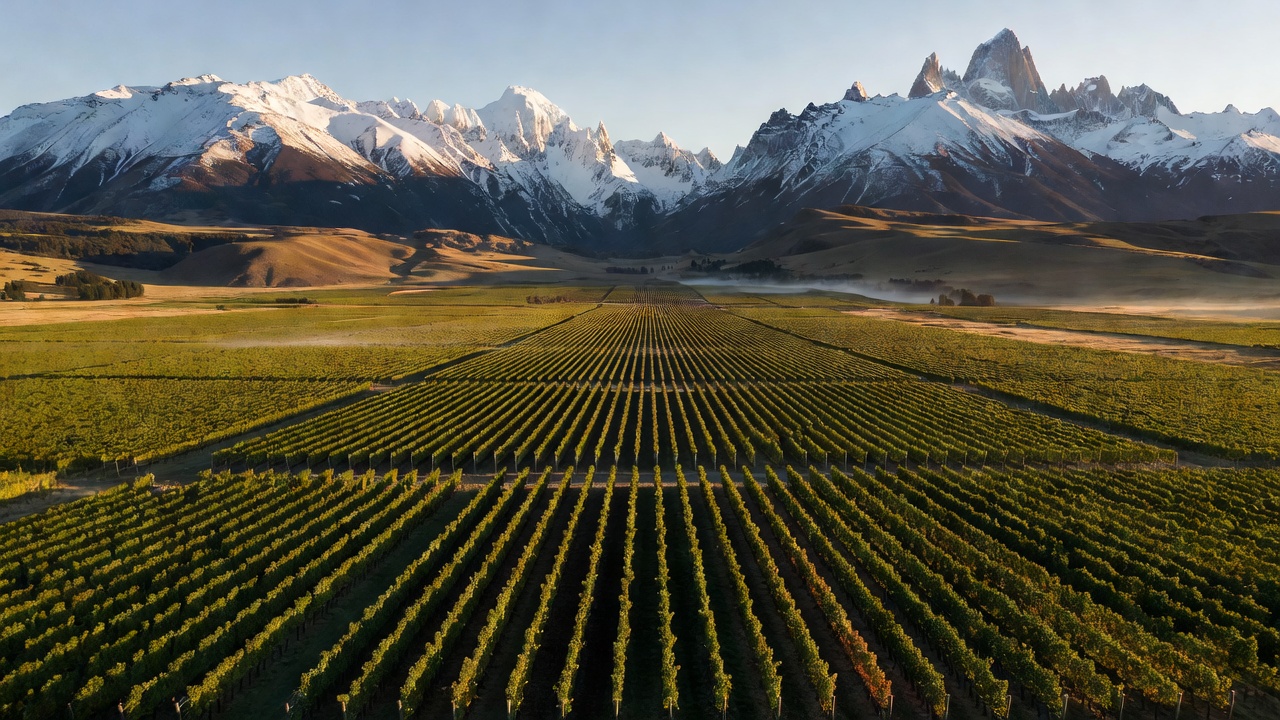
Patagonia stands out as an emerging powerhouse in the global wine scene, where cool climates, relentless high winds, and varied soils create wines of remarkable freshness and complexity. Spanning southern Argentina and Chile, this vast region delivers authentic regional wines through vineyard tours that highlight how environmental factors shape every bottle. Travelers in 2026 can expect experiences that go far beyond standard tastings, diving into the science of terroir while exploring sub-regions like Neuquén and Río Negro. These areas produce standout Pinot Noir and Malbec that reflect the dramatic landscape, making them ideal for wine enthusiasts seeking depth and authenticity.
The Unique Terroir of Patagonia
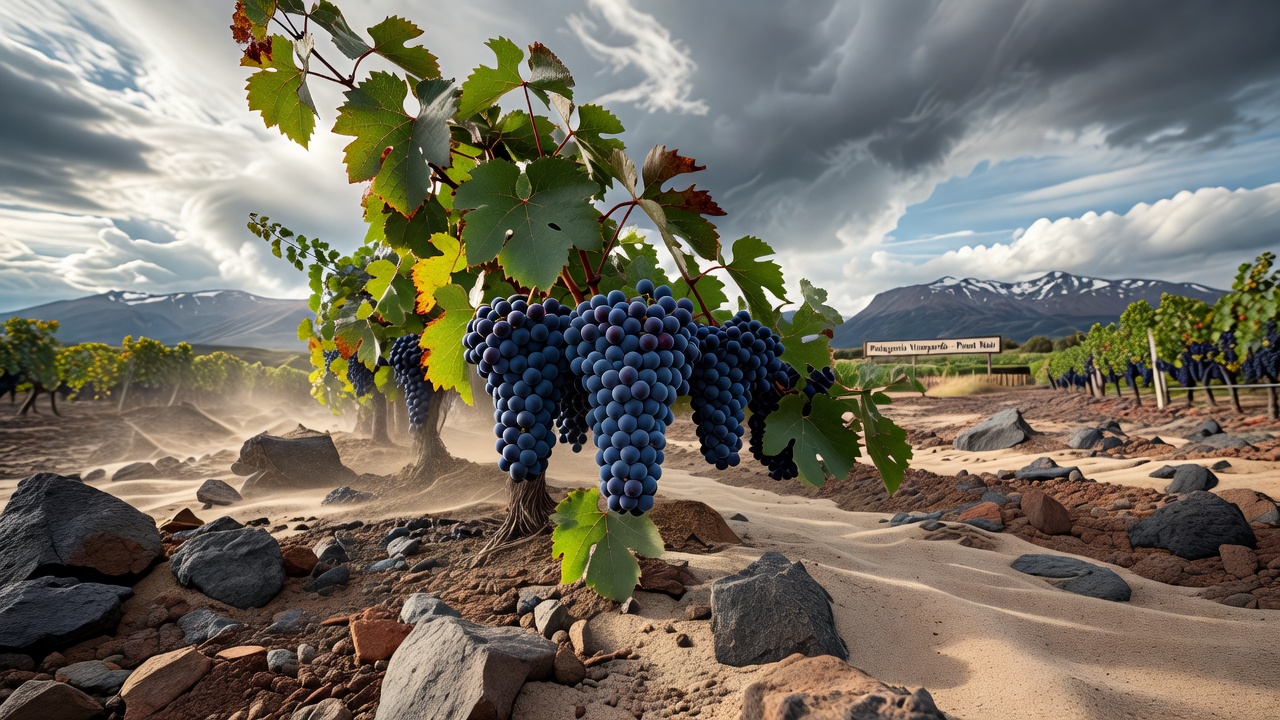
Patagonia’s terroir is defined by its extreme conditions. Cool temperatures extend the growing season, allowing grapes to develop intense flavors without losing acidity. High winds, often exceeding 50 kilometers per hour, reduce disease pressure and concentrate berries, resulting in wines with herbal and mineral notes. Soils range from sandy loams in river valleys to volcanic deposits higher up, each imparting unique characteristics. This combination produces wines lighter in body yet vibrant compared to those from warmer climates. Visitors learn how these elements influence flavor during guided vineyard walks that explain soil sampling and windbreak strategies used by local producers.
Neuquén: High-Altitude Excellence
Neuquén province offers high-altitude vineyards benefiting from intense sunlight and dramatic diurnal temperature shifts. Daytime warmth ripens fruit while cool nights preserve acidity, creating balanced Malbec with notes of black cherry and spice. Several estates here focus on sustainable irrigation drawn from Andean snowmelt. Tour options include visits to family-run properties where guests sample wines directly from barrel and learn about organic certification processes. These experiences suit beginners through hands-on blending workshops and appeal to advanced tasters with vertical tastings of older vintages.
Río Negro: Cool Climate Elegance
Further south, Río Negro delivers even cooler conditions perfect for elegant Pinot Noir. The region’s sandy and gravelly soils promote deep root systems, yielding wines with bright red fruit, earth, and subtle spice. High winds naturally limit yields, concentrating flavors. Key sub-areas along the Río Negro river feature boutique wineries offering intimate tours. Guests often observe pruning techniques adapted to windy conditions and participate in tastings that pair wines with regional cheeses. This sub-region emphasizes biodiversity, with many vineyards incorporating native flora to support pollinators.
Pinot Noir and Malbec: Terroir-Driven Flavors
Patagonia excels with Pinot Noir, which develops red fruit aromas laced with herbal undertones from constant winds. Malbec here shows lighter body and vibrant acidity compared to Mendoza versions, reflecting shorter growing seasons and diverse soils. Examples include single-vineyard bottlings that highlight specific parcels. These profiles make the wines excellent for food pairing, especially with local lamb or trout dishes. Understanding terroir helps visitors appreciate why the same grape variety tastes different across just a few kilometers.
Comparing 2026 Vineyard Tour Options
Options range from half-day tastings at family estates to full multi-day itineraries with transportation and meals included. Private tours provide customized pacing and behind-the-scenes access, while group experiences foster social connections among travelers. Seasonal tastings peak during autumn harvest, allowing direct observation of fermentation. Sustainable operators highlight water conservation and renewable energy use. Comparisons show that boutique experiences in Río Negro often emphasize education, whereas Neuquén tours may focus more on landscape views and adventure elements like horseback rides between vineyards.
Sustainable Practices in Patagonian Winemaking
Many producers prioritize organic and biodynamic methods to protect the fragile ecosystem. Windbreaks and cover crops help combat erosion from strong winds, while solar-powered facilities reduce carbon footprints. Water management is critical given the arid climate, with drip irrigation and recycling systems common. These practices not only preserve terroir but also appeal to eco-conscious 2026 visitors who seek tours demonstrating regenerative agriculture. Learning about these efforts adds depth to any itinerary.
Practical Tips for Multi-Day Itineraries
- Begin in Neuquén for two to three days focused on Malbec before traveling south to Río Negro for Pinot Noir exploration.
- Choose lodging near vineyard clusters to reduce driving and allow flexible scheduling around weather.
- Incorporate rest days for hiking or fly-fishing to balance wine tasting with outdoor activities.
- Review harvest calendars for 2026 to align visits with peak tasting opportunities.
- Pack layers for variable weather and confirm English-speaking guides in advance.
- Combine tours with visits to local markets for ingredients that pair well with the wines.
Pairing Recommendations
Pair crisp Patagonia Pinot Noir with grilled seafood, fresh salads, or creamy cheeses to highlight its acidity. Fuller Malbec complements roasted meats, empanadas, and herb-crusted dishes. Local spices like merken enhance these matches, underscoring regional identity. Advanced travelers may experiment with vertical pairings across vintages to trace how vintage variation affects food compatibility.
Frequently Asked Questions
Is Patagonia accessible for beginners?
Yes, most wineries provide English-speaking guides and introductory sessions suitable for all experience levels, with clear explanations of tasting techniques.
What are typical costs for tours?
Experiences range from budget-friendly group tastings to premium private packages; check directly with operators for current details as of 2026-08-19.
How far in advance should I book?
Reserve 2026 tours at least three months ahead, especially for peak harvest seasons, to secure spots at popular estates.
Are there accessibility options for travelers with mobility needs?
Many facilities offer ground-level tastings and adapted vehicles; inquire when booking to ensure suitable arrangements.
Conclusion
Patagonia’s terroir delivers unforgettable wine experiences for 2026 visitors. By understanding the unique environmental factors and planning thoughtfully, travelers from beginners to connoisseurs can enjoy authentic regional wines while supporting sustainable practices. Argentina Travel and Chile Travel provide additional resources for planning your journey.
No comments yet. Be the first!