 Uncorked Conversations
Discovering the Okanagan Valley's Unique Terroir
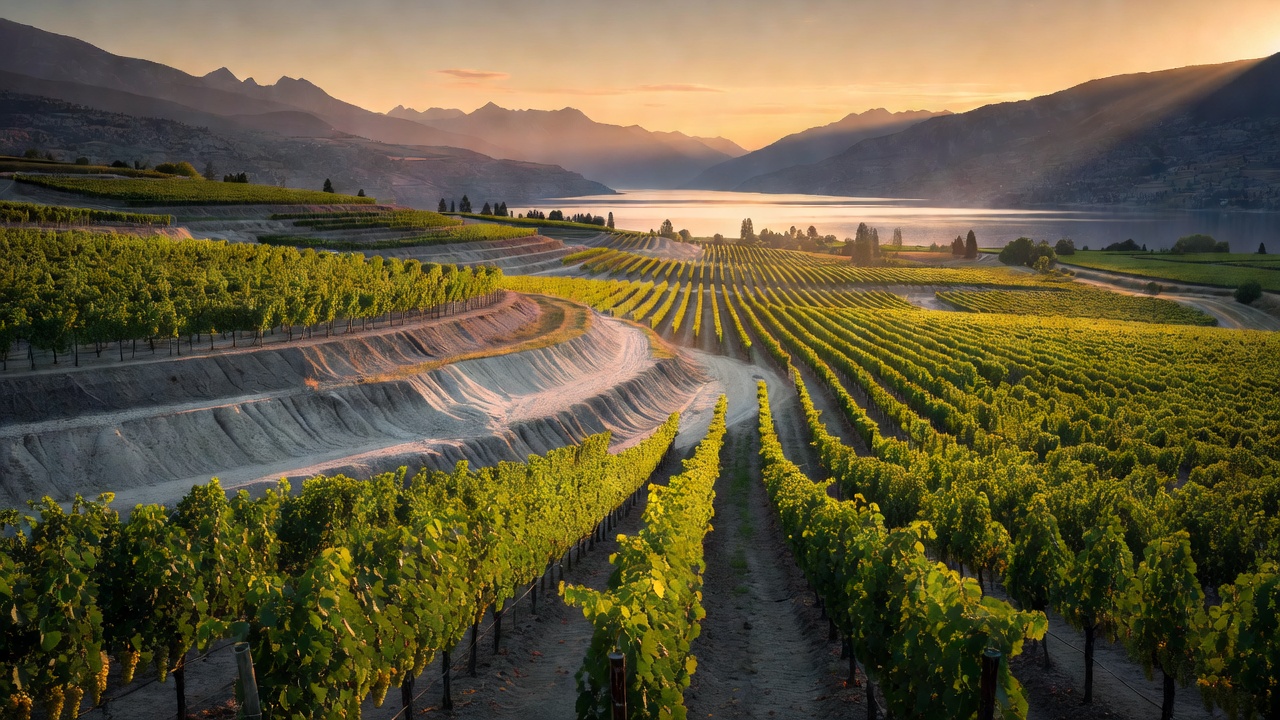
The Okanagan Valley stands out as one of Canada's most compelling emerging wine regions, where ancient glacial activity has left behind a mosaic of soils and microclimates that produce wines with remarkable character. Unlike the more established European appellations, this British Columbia destination offers travelers an authentic, less-crowded experience focused on quality and sustainability. In 2026, vineyard tours here promise even more refined itineraries as producers continue to highlight the interplay between terroir and varietal expression. The valley stretches approximately 200 kilometers from Osoyoos in the south to Vernon in the north, encompassing a diverse range of elevations from lake level to over 500 meters on surrounding benches.
Glacial till from the last Ice Age created diverse soil compositions ranging from sandy loams to rocky outcrops, while the valley's north-south orientation generates dramatic shifts in temperature and sunlight exposure. These factors allow grapes to develop intense flavors and balanced acidity that set Okanagan wines apart. The legacy of retreating glaciers left behind varied deposits that drain exceptionally well, preventing waterlogging while retaining enough moisture for vine health during dry summers. This combination results in wines that often display mineral-driven profiles rarely found elsewhere in North America.
Exploring Key Sub-Appellations in Depth
Two standout sub-appellations define much of the region's identity. Naramata Bench benefits from lake-moderated temperatures and well-drained benches that excel with red varietals. The area features gentle slopes facing east, which capture morning sun while avoiding excessive afternoon heat. Golden Mile, located farther south, receives intense sunlight and features warmer microclimates ideal for bolder expressions. Both areas feature small-lot producers who welcome visitors for intimate tastings. Additional sub-regions such as Summerland and West Kelowna add further diversity with their own unique soil variations and elevation differences.
Travelers can compare these zones directly on guided tours, noting how elevation and proximity to Okanagan Lake influence everything from tannin structure to aromatic intensity. For instance, wines from higher benches often show more pronounced acidity and structure, while lower sites near the lake produce softer, fruit-forward profiles. Understanding these distinctions helps visitors select tours that match their palate preferences.
Pinot Noir and Riesling: A Detailed Varietal Comparison
- Pinot Noir: Thrives in cooler Naramata Bench sites, yielding elegant wines with red fruit, earth, and subtle spice. Acidity remains bright thanks to diurnal temperature swings. Examples from 2025 vintages often display notes of cherry, forest floor, and hints of vanilla from careful oak aging.
- Riesling: Performs exceptionally in Golden Mile's sunnier plots, delivering crisp citrus, stone fruit, and mineral notes with varying sweetness levels from bone-dry to off-dry. These wines frequently exhibit petrol and lime characteristics after a few years of bottle age.
- Additional Varietals: Chardonnay from the region offers crisp apple and citrus with vibrant acidity, while Syrah produces peppery, full-bodied reds suited to the warmer southern areas.
Side-by-side tastings reveal how the same glacial soils imprint different signatures on each grape, helping visitors understand terroir's role in winemaking decisions. Many estates provide comparative flights that highlight these differences across multiple vintages.
Recommended 2026 Vineyard Tours and Tasting Experiences
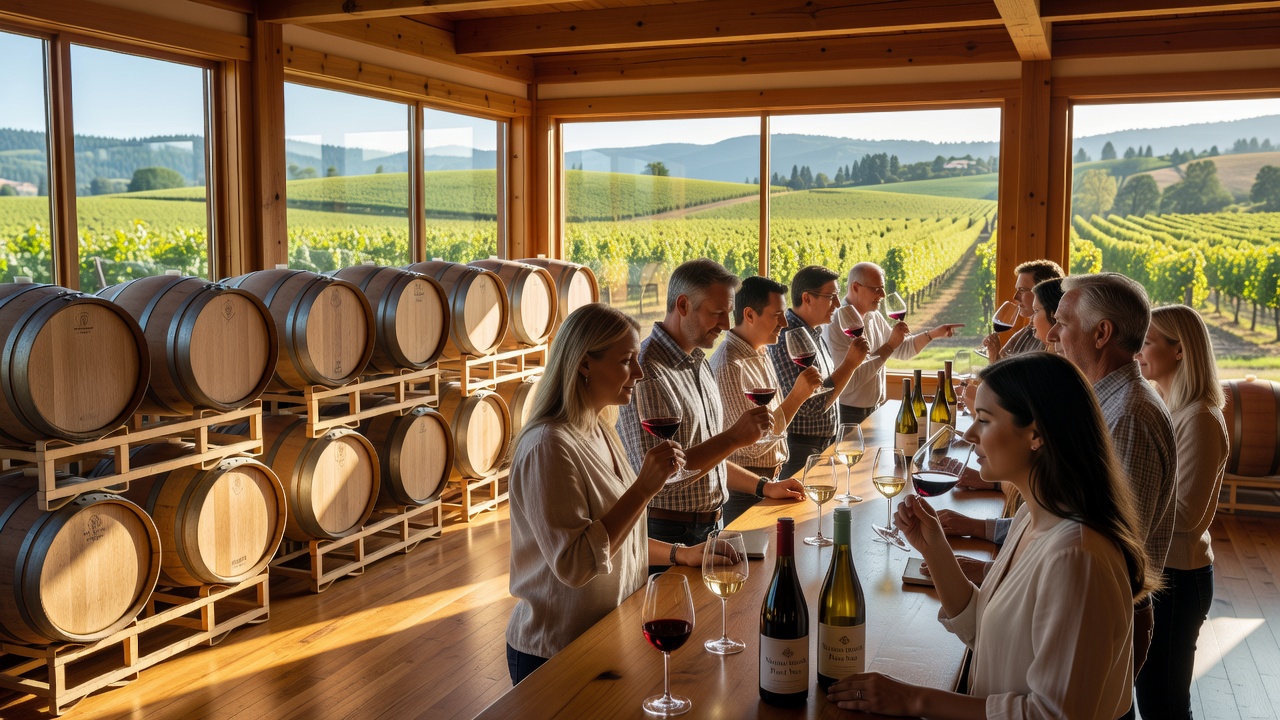
Planning a 2026 visit means aligning with harvest windows or shoulder seasons for optimal weather and availability. Many estates now offer electric-bike tours through the vines, private barrel tastings, and educational sessions on soil science. Popular routes combine Naramata Bench estates with Golden Mile stops, allowing guests to sample across appellations in a single day. Advance booking is essential during peak periods, particularly from July through September when demand peaks.
Practical examples include starting at a lakeside winery for a morning tasting of sparkling wines, followed by a mid-day stop at a bench estate for red varietals, and concluding with a sunset pairing session. Some tours incorporate hiking elements or boat transfers across the lake for a unique perspective on the landscape.
Sustainable Practices in the Okanagan
Many producers have adopted organic and biodynamic methods, preserving the delicate glacial soils for future generations. Water conservation techniques and solar-powered facilities reflect the region's commitment to environmental stewardship. Visitors often learn about these practices during tours, gaining insight into how sustainability enhances wine quality. Certifications such as those from local sustainable winegrowing programs encourage reduced pesticide use and biodiversity initiatives that support native flora and fauna around the vineyards.
Pairing Suggestions with Local Cuisine
Okanagan wines pair beautifully with regional ingredients. Pinot Noir complements grilled salmon or duck, while Riesling cuts through the richness of cheese boards featuring local artisanal varieties. Many tasting rooms now collaborate with nearby farms to create seasonal menus that highlight these matches. Consider pairing a crisp Riesling with fresh Okanagan peaches or a structured Pinot Noir with slow-roasted lamb from regional producers. These combinations emphasize the connection between the land, the wine, and the local food culture.
Beginner-Friendly Itineraries and Step-by-Step Planning
First-time visitors should start with a half-day tour of three to four wineries, focusing on one sub-appellation. Include a picnic lunch and end with sunset views over the lake. More experienced tasters can extend to multi-day journeys covering additional appellations. Step-by-step planning involves checking weather forecasts, reserving transportation, and selecting wineries based on varietal interests. Mistakes to avoid include overbooking too many stops in one day or neglecting to hydrate between tastings.
FAQs on Visiting During Peak Harvest
When is harvest season? Typically late August through October, offering the freshest grape experiences and opportunities to observe picking and crushing activities.
Are tours suitable for beginners? Yes, most include educational components without requiring prior knowledge, with many offering non-alcoholic options for designated drivers.
What should I bring? Comfortable shoes, sun protection, and a reusable water bottle. Layers are recommended due to temperature fluctuations.
How far in advance should I book? At least four to six weeks for popular 2026 dates, especially during harvest weekends.
Conclusion
The Okanagan Valley continues to captivate wine enthusiasts seeking distinctive terroir-driven experiences. With thoughtful planning, 2026 visitors can immerse themselves in its glacial heritage, sample standout varietals, and support sustainable producers. This lesser-visited Canadian gem rewards those willing to venture beyond traditional European routes. For more travel resources, consult Destination BC and Wine BC.
No comments yet. Be the first!