 Uncorked Conversations
Discovering Coonawarra: Australia's Premier Cabernet Region
Coonawarra stands out as one of Australia's most distinctive wine regions, renowned for its Cabernet Sauvignon shaped by unique terra rossa soil and cool-climate influences. Located in South Australia within the Limestone Coast zone, this compact area delivers elegant, age-worthy wines that attract enthusiasts seeking alternatives to more famous destinations. The region spans just over 5,000 hectares yet produces some of the country's most celebrated Cabernet expressions. This guide provides actionable insights for 2026 visitors, from terroir analysis to practical tour itineraries, helping beginners and enthusiasts alike plan rewarding trips.
Understanding the Terroir: Terra Rossa Soil and Cool-Climate Effects
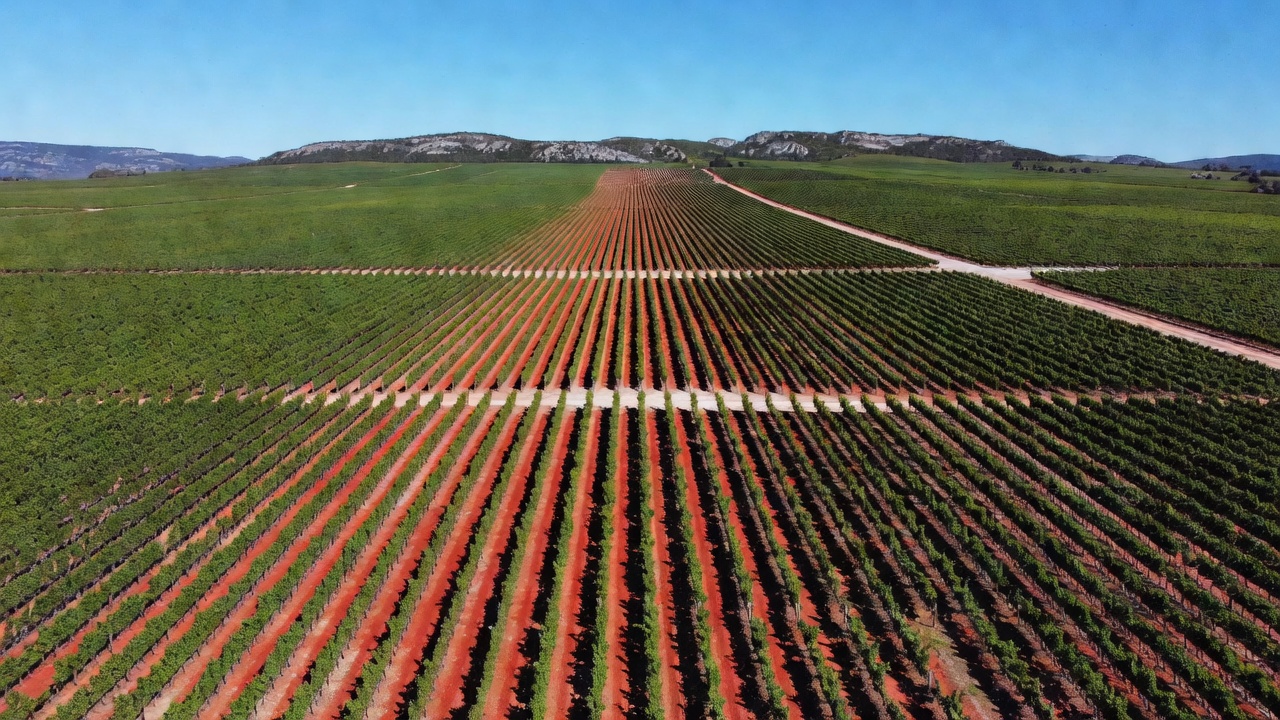
The foundation of Coonawarra's reputation lies in its terra rossa soil, a thin layer of red clay loam over deep limestone that imparts distinctive mineral notes and firm structure to Cabernet Sauvignon. This ancient soil type, formed over millions of years, drains well while retaining essential moisture during dry periods. Combined with the region's cool maritime climate influenced by the Southern Ocean, these conditions slow grape ripening, preserving natural acidity and developing complex flavours like blackcurrant, eucalyptus, graphite and subtle herbal notes. Unlike warmer inland areas, the cool nights help retain freshness in the wines, resulting in balanced expressions with excellent aging potential. The limestone bedrock also contributes to the wines' signature elegance and fine tannins. This terroir creates nuanced profiles that differ markedly from bolder, fruit-forward styles elsewhere in Australia and the world, making Coonawarra a benchmark for cool-climate Cabernet.
Top Vineyard Profiles in Coonawarra
Several standout vineyards define the region and welcome visitors year-round. Wynns Coonawarra Estate, with its historic vines dating back to the 1890s, produces benchmark Cabernet known for longevity and classic structure. Majella Wines offers rich, fruit-driven examples from carefully managed blocks on the terra rossa strip. Zema Estate focuses on traditional winemaking methods, yielding structured wines with earthy undertones and vibrant acidity. Newer producers like Raidis Estate bring innovative approaches while respecting the soil's character, often experimenting with small-batch fermentations. Other notable names include Bowen Estate, known for elegant single-vineyard bottlings, and Leconfield Wines, which highlights the region's mineral precision. Visitors often find these estates welcoming for tastings that highlight vintage variations and the impact of different vineyard sites.
2026 Wine Tour Itineraries with Tastings
Planning a 2026 visit involves structured itineraries that combine driving, tastings and meals. A classic three-day self-drive route starts at the northern end with morning tastings at two estates, followed by lunch featuring local produce. Afternoons include cellar door visits further south, ending with sunset views over the vines. For those preferring guided experiences, organised tours provide transport, expert commentary and exclusive access to smaller producers. A five-day extended itinerary could incorporate a full day of walking tours through vineyards, educational sessions on soil profiles and pairings with regional cheeses. 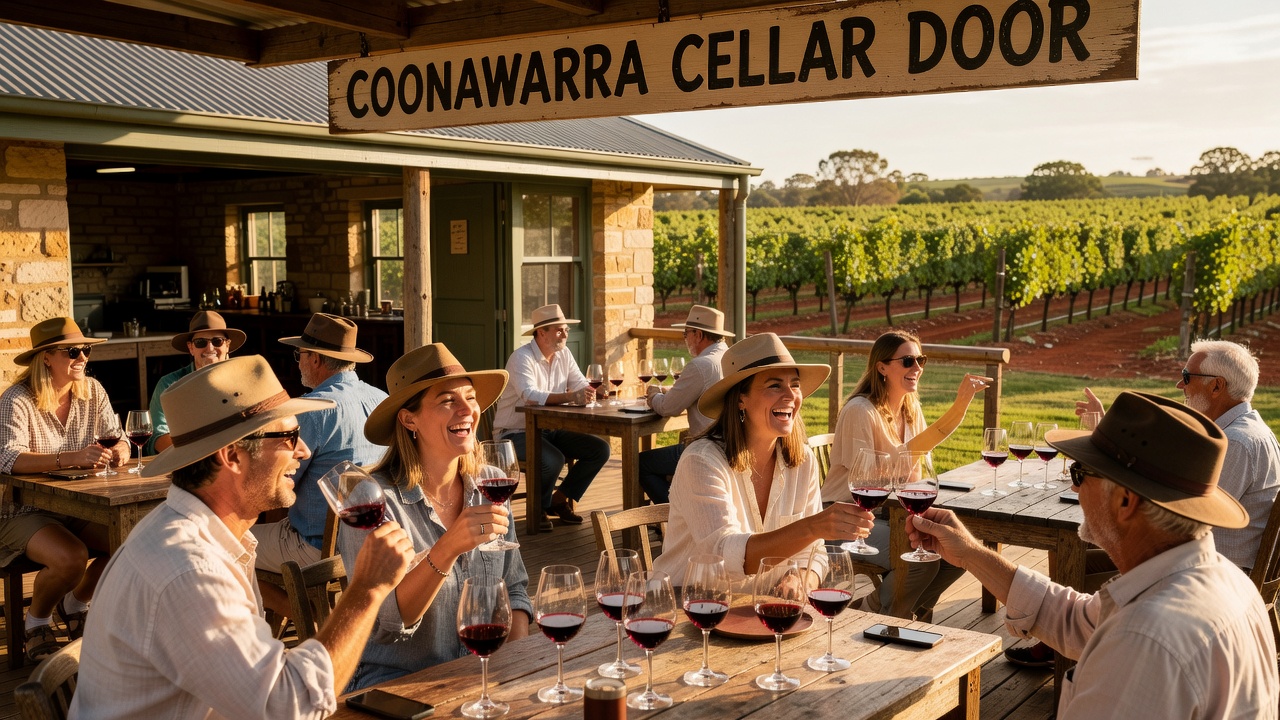
Comparisons to Other Cabernet Regions
Coonawarra Cabernet differs from Napa Valley's riper, oak-influenced styles by offering more restraint, bright acidity and mineral precision. Compared to Bordeaux, it shares elegance and structure but features brighter red fruit due to the Australian climate and limestone influence. Margaret River in Western Australia produces similar cool-climate expressions yet with more pronounced herbal and eucalyptus notes, while Coonawarra emphasises red fruit purity from its unique soil. Barossa Valley Cabernets tend to be fuller-bodied and warmer in style, making Coonawarra ideal for those exploring nuanced, food-friendly Australian options that age gracefully.
Seasonal Touring Tips and Practical Planning Steps
Autumn (March-May) offers harvest energy, golden foliage and milder weather ideal for outdoor tastings. Spring brings blossom views and wildflowers but variable conditions that require flexible clothing. Summer can be warm, suiting early morning or late afternoon visits, while winter provides intimate indoor cellar experiences with fewer crowds. Practical steps include researching cellar door hours online, arranging transport via designated drivers or shuttles, and packing layers for temperature shifts between day and night. Allocate time for picnics in vineyard settings and check road conditions before travel. Beginners benefit from starting with shorter half-day tours to build familiarity before attempting longer self-guided routes.
- Research estate websites for 2026 opening updates and special events
- Reserve premium tastings early, especially around harvest
- Combine visits with nearby food producers and restaurants
- Track weather apps for optimal outdoor experiences
- Carry reusable water bottles and sun protection during summer months
Regional Wine Recommendations and Pairings
Enthusiasts should sample Cabernet from recent vintages for current drinking pleasure. These pair beautifully with grilled lamb, aged cheeses, mushroom-based dishes or slow-cooked beef. For sustainability-focused choices, look for producers using regenerative practices that protect the terra rossa layer and promote biodiversity. Many estates offer flights highlighting single-vineyard differences, allowing visitors to taste how subtle soil variations influence the final wine.
Sustainability Practices in Coonawarra
Regional wineries increasingly adopt water-efficient irrigation, biodiversity corridors and cover cropping to preserve the unique soil profile for future generations. Visitors can support these efforts by choosing certified sustainable labels and participating in eco-tours that explain soil conservation methods and their impact on wine quality.
Frequently Asked Questions
What foods pair best with Coonawarra Cabernet?
Robust meats like beef or lamb, along with dark chocolate desserts and aged blue cheeses, complement the wine's structure and fruit profile.
Is Coonawarra suitable for first-time wine tourists?
Yes, with its compact layout, friendly cellar doors and clear signage, it offers an accessible introduction to premium Australian wine without overwhelming distances.
How does sustainability affect the wines?
Practices like cover cropping and reduced chemical use enhance soil health, leading to more vibrant and expressive Cabernet expressions with greater complexity.
What is the best time of year to visit for harvest experiences?
April and May provide opportunities to witness picking and pressing activities while enjoying optimal weather for outdoor tastings.
Are there family-friendly options in the region?
Many estates offer non-alcoholic tastings, picnic areas and tours suitable for all ages, making it a great destination for groups.
Conclusion: Planning Your Coonawarra Adventure
Coonawarra rewards visitors who appreciate nuanced terroir-driven wines and authentic cellar door experiences. With thoughtful planning using the itineraries and tips above, 2026 travellers can enjoy memorable tastings amid striking vineyard landscapes. Explore further through authoritative resources like Wine Australia for regional data and South Australia tourism for travel logistics.
No comments yet. Be the first!