 Uncorked Conversations
Introduction to Virginia's Rising Wine Scene
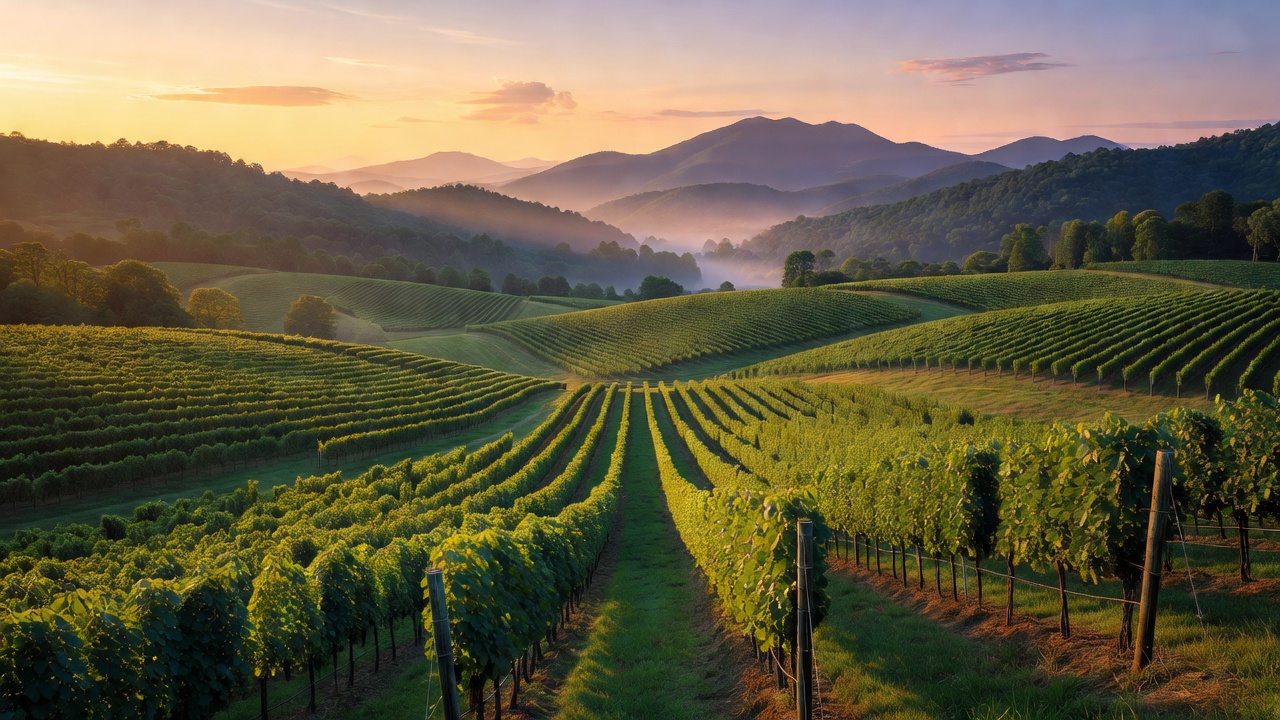
Virginia has emerged as one of the most exciting wine regions in the United States, thanks to its varied terroir influenced by the Blue Ridge Mountains. This diverse landscape creates unique microclimates and soil compositions that produce expressive wines, particularly Viognier and Cabernet Franc. In 2026, vineyard tours offer wine enthusiasts an immersive way to experience these regional differences firsthand, allowing visitors to walk the vines and understand the environmental factors that define each bottle.
The state's wine industry continues to grow, with over 300 wineries contributing to its reputation. Visitors can explore how elevation, soil, and climate interact to define flavor profiles across different appellations. This guide provides in-depth coverage of Virginia's terroir, practical tour planning, and actionable advice for both beginners and seasoned wine travelers.
Understanding Terroir in the Blue Ridge Mountains
Terroir encompasses the environmental factors that affect a crop's phenotype, including soil, topography, and climate. In Virginia, the Blue Ridge Mountains create a rain shadow effect and varied elevations ranging from 500 to over 3,000 feet. This leads to cooler nights that preserve acidity in grapes while allowing optimal ripeness during the day. The mountain ranges also funnel winds that help reduce humidity-related disease pressure in the vineyards.
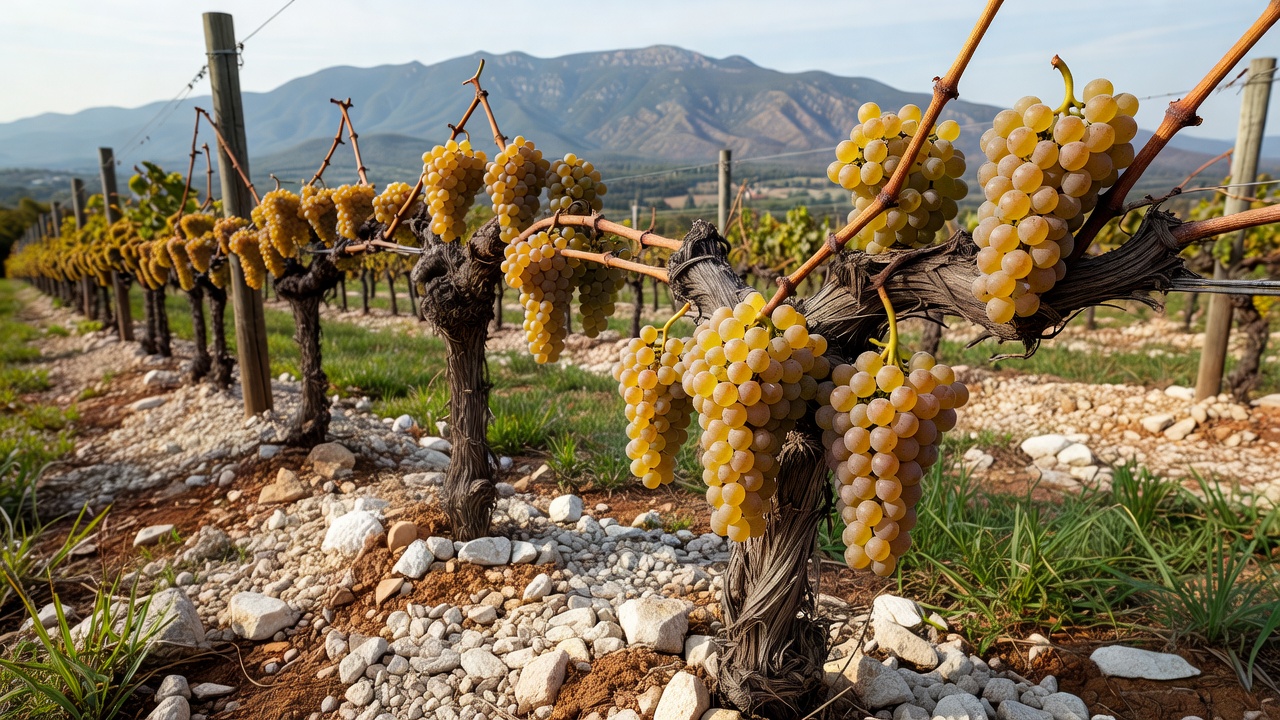
Soils range from limestone-rich areas that impart minerality to clay-loam mixtures that retain moisture for robust fruit development. These elements combine to produce wines with bright acidity and complex aromatics. Additional influences include ancient riverbeds and volcanic remnants that add trace minerals, resulting in wines that express a true sense of place. Understanding these factors helps explain why Virginia wines often display a balance between Old World structure and New World fruit intensity.
Soil and Climate Interactions
Deeper exploration reveals how specific soil types interact with seasonal weather patterns. Limestone soils, common in the foothills, promote drainage and contribute to elegant tannin structures in reds. Granite and schist in higher elevations add a flinty edge to whites. Climate data shows average growing season temperatures moderated by mountain breezes, reducing the risk of extreme heat spikes.
Key AVAs: Monticello and Shenandoah Valley
The Monticello AVA, surrounding Charlottesville, benefits from rolling hills and limestone soils ideal for Bordeaux-style reds. Cabernet Franc thrives here, showing herbal notes alongside dark fruit. The AVA's proximity to the historic Monticello estate adds cultural depth to visits.
Further north, the Shenandoah Valley AVA features schist and granite soils with significant diurnal temperature swings. This AVA excels with aromatic whites like Viognier, which displays stone fruit and floral characteristics enhanced by the region's sunny days. The valley's position creates a longer growing season that allows grapes to develop full complexity.
Other notable areas include the Northern Virginia AVA and the Blue Ridge Highlands, each contributing distinct expressions based on their unique geological foundations. The Middleburg AVA, for instance, offers a mix of clay and silt that supports both reds and whites with balanced acidity.
Signature Varietals Shaped by Terroir
Viognier stands out as Virginia's signature white grape. The state's climate allows for full phenolic ripeness while maintaining vibrant acidity, resulting in wines with apricot, ginger, and honeysuckle aromas. Examples from higher elevation sites often show more pronounced mineral notes.
Cabernet Franc adapts exceptionally well to Virginia's humidity and variable weather. It produces medium-bodied reds with notes of red currant, violet, and green pepper, often with silky tannins when grown on well-drained slopes. Producers frequently experiment with whole-cluster fermentation to highlight the grape's natural spice.
Other varieties like Petit Verdot and Chardonnay also reflect the terroir, offering opportunities for comparison during tastings. Chardonnay from limestone soils tends to show crisp apple and citrus with subtle oak influence, while Petit Verdot adds structure and color to blends.
Planning 2026 Vineyard Tours and Itineraries
2026 tours emphasize seasonal experiences. Spring visits highlight blooming vineyards and early tastings of crisp whites. Summer offers outdoor picnics paired with refreshing Viognier. Fall brings harvest activities and richer reds from Cabernet Franc, while winter provides cozy indoor tastings focused on barrel samples.
Booking tips include reserving tastings in advance through winery websites, checking for sustainability certifications, and considering guided tours that explain soil profiles on-site. Multi-day itineraries can combine Monticello wineries with Shenandoah Valley stops for a comprehensive terroir comparison. Travelers should allocate time between visits for scenic drives along the Blue Ridge Parkway.
Practical advice: Start early to avoid crowds, pair visits with local cuisine, and use apps for real-time weather updates that affect vineyard conditions. Consider joining small-group tours led by viticulturists for deeper insights into microclimates.
Sample Seasonal Itinerary
- Day 1: Arrive in Charlottesville, visit two Monticello AVA wineries focusing on Cabernet Franc.
- Day 2: Drive north to Shenandoah Valley for Viognier tastings and a soil-focused vineyard walk.
- Day 3: Explore additional AVAs with stops emphasizing sustainability practices.
Top Winery Examples and Sustainability Practices
Wineries such as Barboursville Vineyards in Monticello showcase how limestone soils elevate Cabernet Franc. In Shenandoah Valley, producers like Bluestone Vineyard highlight Viognier's aromatic potential through careful canopy management. Additional examples include King Family Vineyards, known for its hillside plantings that capture mountain breezes.
Sustainability is central, with many adopting organic practices, cover cropping to improve soil health, and water conservation techniques suited to the mountainous terrain. These efforts preserve the terroir for future vintages. Learn more about Virginia wineries and events. Many operations also participate in state-led initiatives for integrated pest management.
Comparing Virginia to Established Wine Regions
Virginia's terroir shares similarities with parts of the Loire Valley for Cabernet Franc and Rhône for Viognier, yet offers a distinct New World freshness. Unlike California's warmer climates, Virginia's mountain influence provides natural acidity that reduces the need for heavy oak intervention. Compared to European regions, Virginia benefits from newer vineyard plantings that allow experimentation with clones and rootstocks suited to local conditions.
These comparisons help enthusiasts appreciate why Virginia wines are gaining international recognition. Blind tastings often reveal how Virginia expressions stand alongside more famous counterparts while maintaining unique regional identity.
Beginner-Friendly FAQ on Terroir-Focused Trips
- How do I choose between AVAs? Monticello suits red wine lovers; Shenandoah Valley excels for aromatic whites. Combine both for balance. Consider your preferences for elevation-driven acidity versus valley warmth.
- What should I bring on a vineyard visit? Comfortable shoes, sunscreen, and a notebook for tasting notes. Many sites provide spittoons and educational materials on soil types.
- Are tours suitable for beginners? Yes, most wineries offer introductory sessions explaining terroir basics without jargon. Ask about elevation and soil during the visit.
- When is the best time for 2026 visits? April through October, with peak harvest in September offering the most dynamic experiences. Shoulder seasons provide fewer crowds and personalized attention.
- How can I maximize learning about terroir? Request tours that include vineyard walks and discussions with winemakers about specific microclimates and soil samples.
Maximizing visits involves asking winemakers about specific soil types and microclimates during tastings. Avoid common mistakes like overbooking too many stops in one day, which can diminish the sensory experience.
Conclusion
Virginia's terroir-driven wines and 2026 vineyard tours provide an unparalleled opportunity to connect with the land. Whether exploring Monticello's limestone slopes or Shenandoah's granite hills, visitors gain insights into how environment shapes exceptional Viognier and Cabernet Franc. Plan thoughtfully to fully appreciate this dynamic region and its sustainable future.
No comments yet. Be the first!