 Uncorked Conversations
Understanding Terroir in Constantia Valley
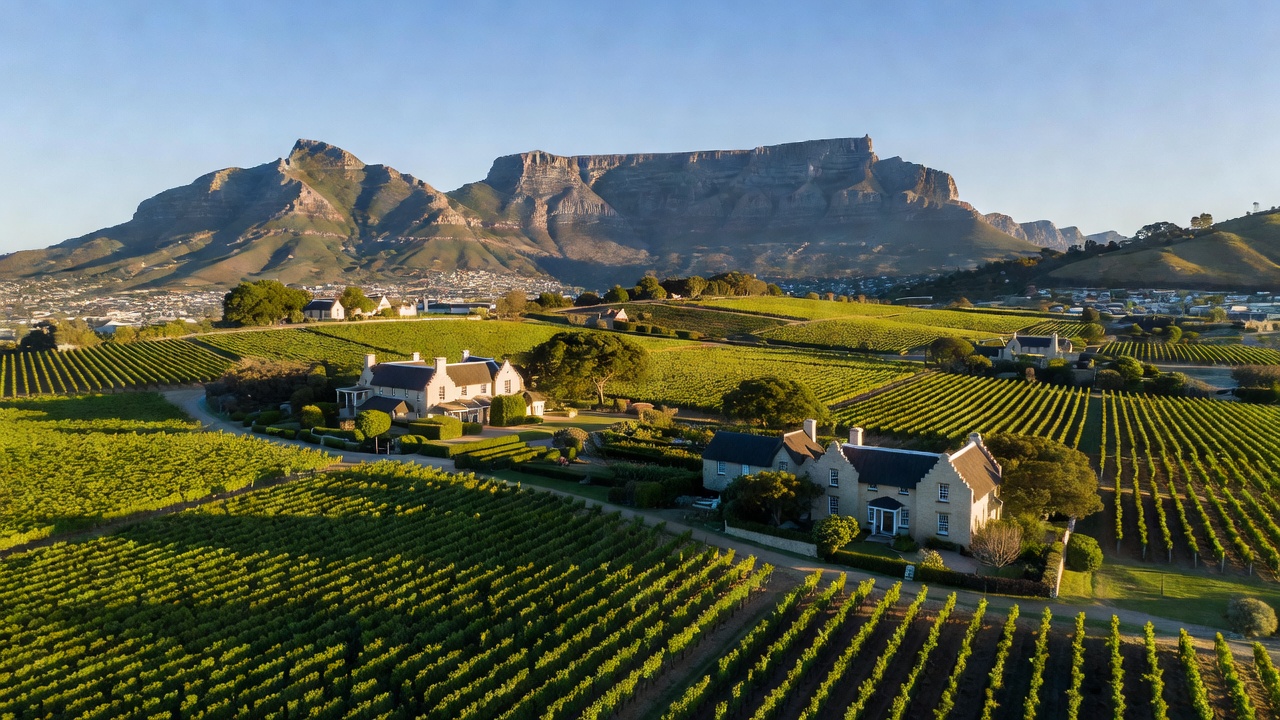
Constantia Valley, nestled on the slopes of the Constantiaberg in Cape Town, South Africa, is the country’s oldest wine-producing region, established in 1685. Its unique terroir arises from ancient granite soils, cool maritime influences, and varied microclimates that produce distinctive wines. Planning a 2026 tour requires grasping these elements to select vineyards that highlight Sauvignon Blanc and Cabernet Sauvignon. The valley spans just a few kilometers yet delivers remarkable diversity due to elevation changes from sea level up to 300 meters. This compact geography makes it ideal for focused day trips while still offering depth for multi-day explorations.
Key Soil Types and Microclimates
The region features decomposed granite and sandstone soils that provide excellent drainage and mineral complexity. Higher elevations experience cooler temperatures and more rainfall, while lower slopes benefit from afternoon sea breezes that moderate heat. These conditions yield crisp acidity in whites and structured tannins in reds. Granite dominates the upper slopes, contributing flinty, saline notes, whereas sandstone areas add subtle earthiness. Microclimates shift dramatically within short distances; for instance, north-facing slopes receive more sunlight, accelerating ripening for Cabernet Sauvignon, while south-facing plots stay cooler for Sauvignon Blanc. Compare this to Bordeaux, where limestone and gravel dominate, or Napa Valley’s volcanic soils; Constantia’s granite imparts a signature freshness often described as saline or flinty. Travelers should study elevation maps before booking to align visits with desired flavor profiles.
Signature Varietals: Sauvignon Blanc and Cabernet Sauvignon
Sauvignon Blanc thrives here with vibrant citrus, green apple, and herbal notes. The cool breezes preserve bright acidity, making these wines excellent for aging potential up to five years in good vintages. Cabernet Sauvignon develops elegant blackcurrant and herbal profiles thanks to the cooling winds. Other notables include Semillon and Shiraz, but the two mentioned remain focal points for terroir enthusiasts. Winemakers often experiment with skin contact or barrel fermentation to highlight specific soil influences. Visitors can request vertical tastings to compare vintages and see how annual microclimate variations affect the final product.
Step-by-Step Itinerary Template for 2026
- Research and book 3-4 months ahead via winery websites or Wines of South Africa.
- Choose shoulder seasons: March-May or September-November for optimal weather and fewer crowds.
- Day 1: Morning vineyard walk focusing on soils, followed by tasting of three Sauvignon Blanc expressions from different blocks.
- Day 2: Microclimate hike and paired lunch featuring local seafood and estate wines.
- Day 3: Blending session and food pairing dinner with Cabernet Sauvignon and aged cheeses.
- Day 4: Optional e-bike tour across multiple estates or visit to nearby nature reserves for hiking with valley views.
Allow flexibility for weather and transport via private driver or e-bike tours. Include buffer time between tastings to avoid palate fatigue. Pack layers for temperature swings and comfortable shoes for soil walks. Consider joining small-group tours limited to eight people for more personalized attention from vineyard managers.
Three Standout Vineyards and Tasting Experiences
Klein Constantia: Historic estate offering vertical tastings of Vin de Constance alongside modern Sauvignon Blanc flights that showcase granite influence. Guests often explore the original 17th-century cellars and learn about the estate’s role in early South African wine history.
Groot Constantia: Government-owned property with extensive Cabernet Sauvignon tastings in 17th-century cellars; includes estate history tours. The property also features a museum and extensive gardens perfect for pre-tasting walks.
Constantia Glen: Boutique producer emphasizing single-vineyard Cabernet and blends; intimate seated tastings with panoramic valley views. Their focus on sustainable practices makes it a favorite for eco-conscious travelers.
Each estate offers distinct experiences, from educational soil pit digs at Klein Constantia to sunset tastings at Constantia Glen. Book private sessions when possible for deeper discussions on microclimate impacts.
Combining Tours with Local Food Pairings
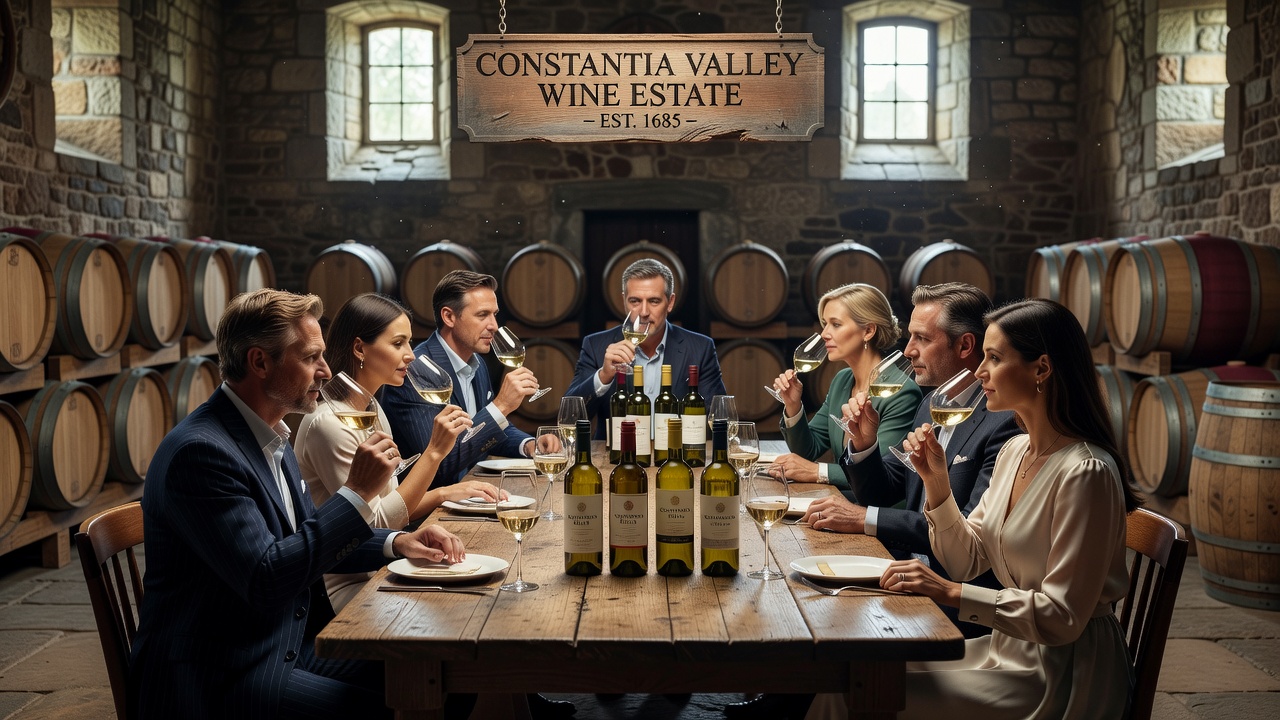
Pair Sauvignon Blanc with fresh seafood such as West Coast oysters or grilled linefish. Cabernet Sauvignon complements braised venison or aged cheeses. Many estates partner with local chefs for seasonal menus featuring fynbos herbs. Book experiences that integrate vineyard-to-table elements for deeper terroir connection. Look for pairings that match wine acidity with citrus-based dishes or tannin structure with rich meats. Several properties now offer multi-course lunches where each dish highlights a specific vineyard block. This approach helps visitors understand how soil and climate translate directly into flavor.
Comparisons to More Famous Regions
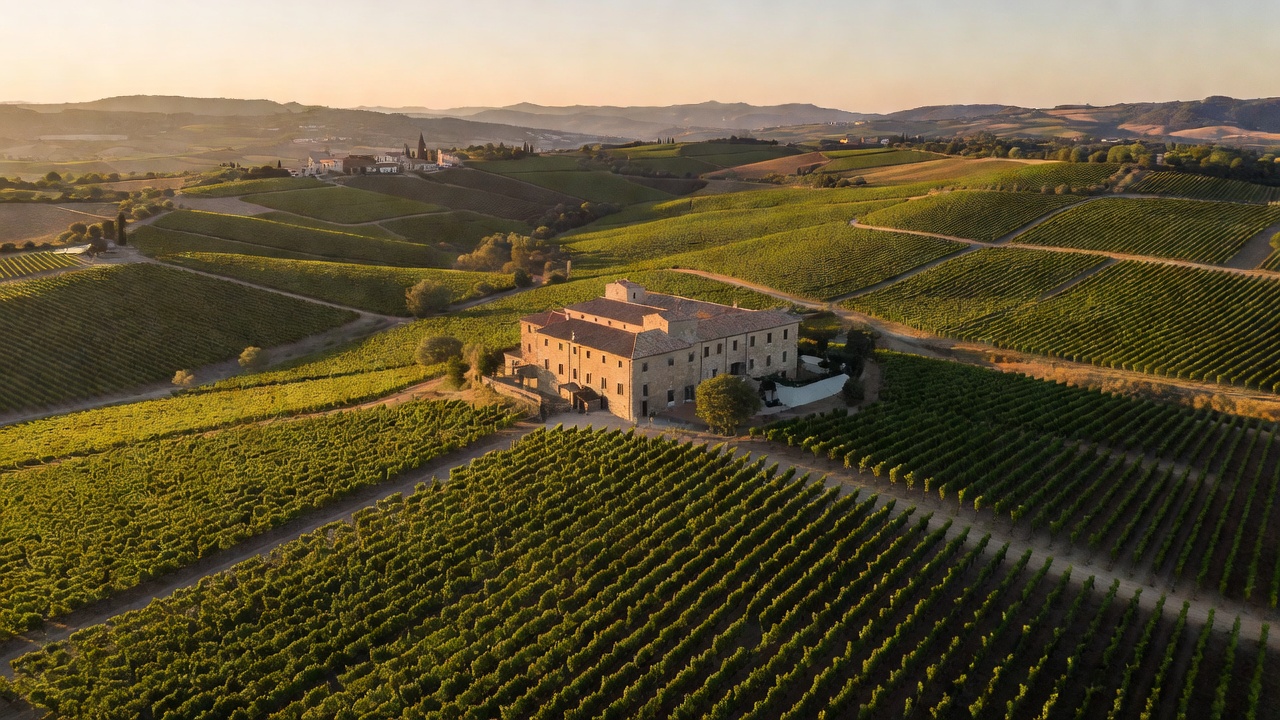
Unlike the rolling hills of Tuscany or the fog-shrouded valleys of Sonoma, Constantia offers compact, accessible estates with dramatic mountain backdrops. Its proximity to Cape Town allows easy day trips, unlike more remote areas in Australia’s Barossa. The maritime cooling effect mirrors parts of New Zealand’s Marlborough but with older vines and richer history. Bordeaux shares similar varietals yet lacks Constantia’s granite-driven minerality. Visitors familiar with Loire Valley Sauvignon Blanc will notice brighter acidity here due to the granite soils. These comparisons help travelers set expectations and appreciate what makes Constantia unique on a global scale.
Practical Tips for Sustainable and Efficient Touring
- Choose estates certified by sustainable wine programs to support environmental practices.
- Use ride-sharing or private transfers to minimize carbon footprint and enjoy tastings responsibly.
- Carry a notebook to record tasting impressions and soil observations for later reference.
- Check weather apps daily as mountain conditions can change rapidly.
- Combine wine tours with nearby attractions like Kirstenbosch Gardens for a balanced itinerary.
Mistakes to Avoid When Planning 2026 Tours
One common error is overbooking multiple tastings in a single day, leading to diminished enjoyment. Another is ignoring elevation differences when selecting estates. Always verify tasting room hours, as some smaller producers close mid-week. Finally, failing to confirm dietary requirements for pairings can limit the experience.
FAQ: Seasonality and Booking Strategies for 2026
When is the best time to visit?
Harvest runs February to April, ideal for seeing grapes at peak ripeness. Avoid December-January peak tourist season for better availability. Shoulder months provide pleasant temperatures around 20-25°C.
How far in advance should I book?
Secure tastings 8-12 weeks ahead, especially for private tours. Monitor Cape Town tourism updates for 2026 events and potential harvest festivals.
Are group or private options available?
Both exist; private tours allow customized soil and microclimate focus while groups offer social tasting atmospheres. Private experiences often include behind-the-scenes access.
What about transportation and accessibility?
Many estates are reachable by Uber or shuttle services from central Cape Town. Confirm wheelchair access in advance as some historic buildings have limited facilities.
Conclusion
With careful planning around Constantia’s distinctive terroir, your 2026 wine tour will deliver memorable, educational experiences centered on exceptional Sauvignon Blanc and Cabernet Sauvignon. Start early, prioritize sustainable estates, and savor the region’s unique character. The combination of historic charm, scientific terroir insights, and world-class wines makes Constantia Valley a standout destination for any wine enthusiast seeking depth beyond typical tourist routes.
No comments yet. Be the first!