 Uncorked Conversations
Discovering Penedès: Spain's Premier Cava Terroir
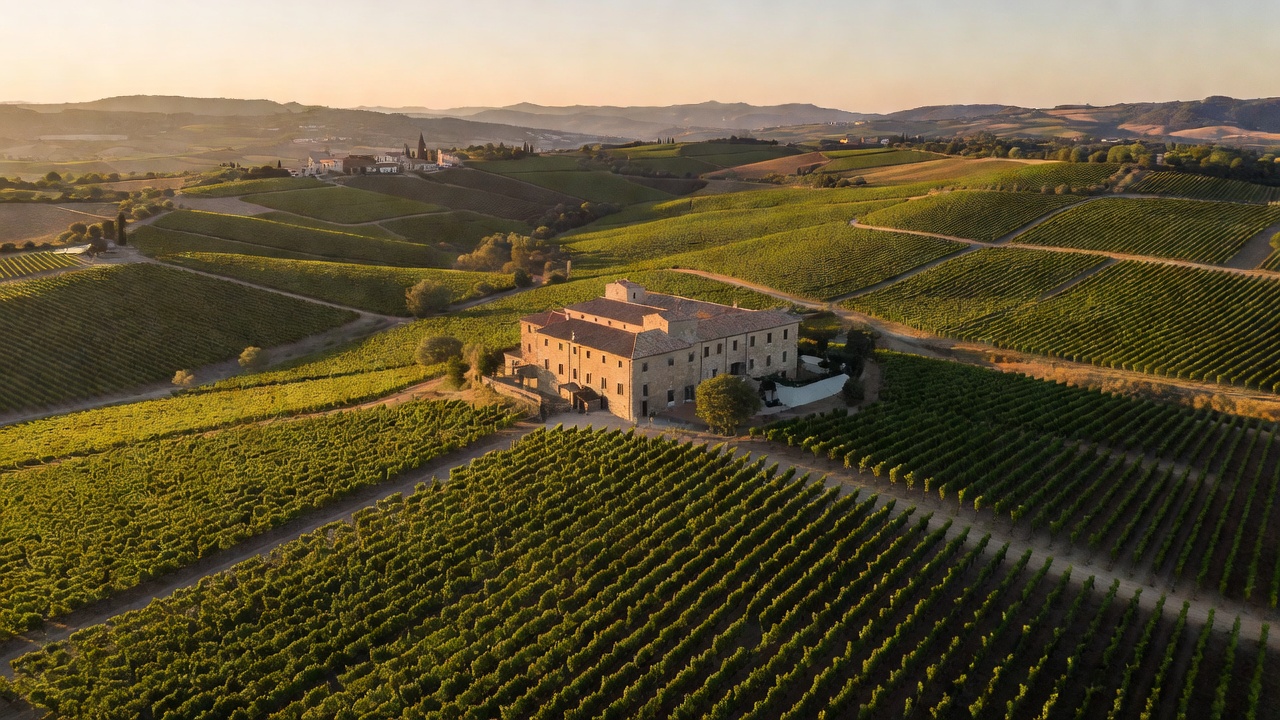
The Penedès region stands as one of Spain's most distinctive wine destinations, renowned for its role in producing world-class Cava alongside elegant still wines. Located in Catalonia, just west of Barcelona, this area benefits from a Mediterranean climate tempered by coastal influences and inland elevation changes that create exceptional growing conditions. As travelers seek authentic, underexplored wine experiences in 2026, Penedès offers a compelling alternative to more crowded regions.
Its terroir—shaped by diverse soils, microclimates, and traditional winemaking—delivers sparkling wines with bright acidity and complex aromas. This guide explores the region's geography, practical touring advice, comparisons to nearby Priorat, and ways to pair wines with local cuisine. Whether you are a first-time visitor or a seasoned wine enthusiast, understanding the nuances of Penedès helps you make the most of every vineyard stop and tasting session.
Historical Context of Penedès Winemaking
Winemaking in Penedès dates back centuries, with evidence of viticulture from Roman times. The modern Cava industry took shape in the late 19th century when local producers adopted the traditional method inspired by Champagne. Over generations, families refined techniques to suit the local climate and soils, resulting in sparkling wines that express the region's identity. Today, many estates blend heritage grape varieties with innovative sustainable approaches, preserving the legacy while adapting to contemporary demands.
Key Sub-Regions of Penedès
Penedès divides into several sub-regions, each contributing unique characteristics to its wines. The Alt Penedès sits at higher elevations with cooler temperatures ideal for premium Cava base wines such as those from Xarel·lo and Parellada grapes. Estates here often produce wines with pronounced mineral notes and vibrant acidity. Baix Penedès benefits from maritime breezes that moderate heat, supporting balanced still reds from varieties like Ull de Llebre. The Penedès Central area blends both influences, hosting many historic estates that offer visitors a mix of sparkling and still wine tastings.
Further inland, the Anoia Valley provides sheltered microclimates perfect for experimental plantings. These divisions allow producers to craft wines that reflect specific vineyard sites. Visitors in 2026 can focus tours on one sub-region for deeper insight or combine them for variety across a multi-day itinerary.
Soil Types and Microclimates Shaping the Wines
The region's soils range from calcareous and clay-rich in the higher zones to alluvial and sandy deposits nearer the coast. These variations influence vine vigor, water retention, and mineral notes in the final wines. Calcareous soils, for example, contribute to the elegant structure found in many Cavas, while clay helps retain moisture during dry summers. Microclimates created by the Garraf Massif and coastal proximity add further complexity, with cooler nights preserving acidity in grapes and warmer days promoting even ripening.
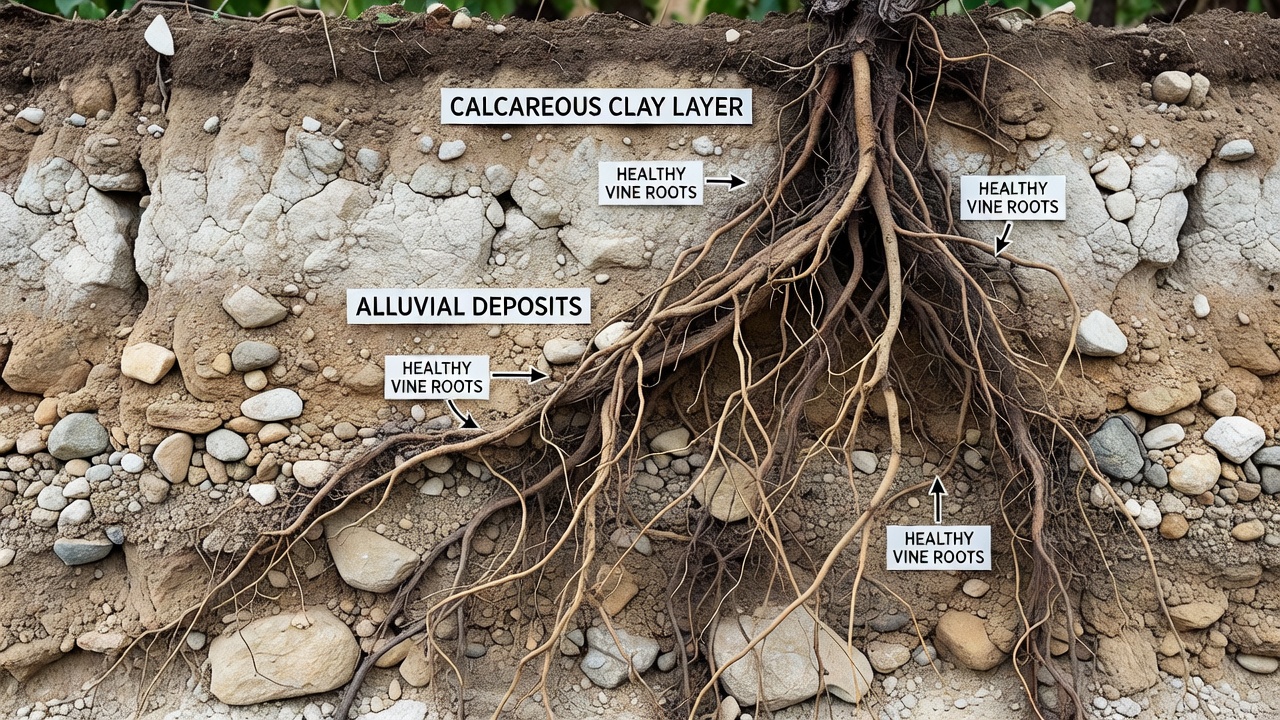
Such diversity explains why Penedès Cavas often display layered flavors compared to more uniform sparkling wine regions. Sustainable viticulture practices, including cover cropping and reduced irrigation, help maintain soil health amid changing weather patterns. Experts note that these soil differences create opportunities for site-specific wines that stand out in blind tastings.
Cava Production and Still Wines in Depth
Traditional method sparkling wine dominates here, with many estates offering immersive tours that cover everything from grape harvesting to disgorging. Still wines from Penedès, including crisp whites and structured reds, provide excellent value and pair well with everyday meals. The region's focus on native grapes ensures authenticity, while international varieties add versatility for different palates.
2026 Vineyard Tour Recommendations
Recommended 2026 itineraries include morning visits to high-elevation vineyards followed by tastings at family-owned cellars. Popular routes start near Sant Sadurní d'Anoia, the Cava capital, extending into surrounding hills. Consider a three-day tour that begins with Alt Penedès estates, moves to Central producers on day two, and concludes with coastal Baix Penedès stops. Include time for picnics amid the vines and evening pairings at local restaurants. Many estates now offer electric bike tours through the vineyards for a more active experience.
Practical details matter: arrive early to avoid crowds, wear comfortable shoes for vineyard walks, and bring a notebook for tasting notes. Check seasonal harvest events in September for hands-on experiences where visitors can participate in grape selection.
Comparing Penedès to Priorat
While Priorat features dramatic slate soils and powerful reds from old vines, Penedès emphasizes elegance and versatility through its sparkling focus and varied elevations. Travelers often combine both regions for contrast—Priorat for intensity, Penedès for refreshment and approachability. The proximity makes day trips feasible from shared bases like Barcelona. Priorat wines tend toward higher alcohol and darker fruit profiles, whereas Penedès offers brighter acidity suited to a wider range of cuisines. This makes Penedès especially appealing for those new to Spanish wines who want approachable yet sophisticated options.
Beginner Tips: Selecting Tours and Avoiding Common Mistakes
- Choose small-group tours for personalized attention and access to lesser-known producers rather than large commercial operations.
- Look for estates highlighting organic or biodynamic methods to align with sustainability interests and learn about regenerative farming firsthand.
- Book in advance during peak months and verify English-speaking guides to ensure clear explanations of terroir and production methods.
- Avoid over-scheduling; leave buffer time between visits for travel and reflection on each tasting.
- Research producer websites beforehand to match your interest in Cava versus still wines.
These steps ensure rewarding visits even for first-time wine travelers and help prevent common pitfalls like rushing through tastings or missing hidden gems.
Pairing Regional Wines with Local Cuisine
Pair Cava with seafood paella or local almonds for a classic Catalan experience. Still whites complement grilled vegetables and fresh cheeses, while reds stand up to roasted meats and sausages. Consider a progressive dinner where each course matches a different wine style from the same estate. Many restaurants near the vineyards offer fixed menus designed specifically around Penedès bottles, enhancing the overall sensory journey.
Expert Insights on Sustainable Practices and Seasonal Events
Winemakers across Penedès increasingly adopt regenerative agriculture to combat climate challenges while preserving biodiversity. Spain's official tourism resources highlight eco-certified estates open year-round. Seasonal highlights include spring blossom tours showcasing flowering vines and autumn harvest festivals that let guests join the picking process. Catalonia tourism information provides updated calendars of events. Insights from regional experts stress the importance of preserving traditional grape varieties like Xarel·lo alongside international ones for future resilience against shifting weather patterns.
Conclusion
Penedès delivers an enriching wine destination where terroir, tradition, and innovation converge. Whether exploring Cava cellars or savoring pairings, visitors in 2026 will find memorable experiences that highlight this region's unique character. Plan thoughtfully to fully appreciate its contributions to Spanish winemaking and return home with new favorites to share.
No comments yet. Be the first!