 Uncorked Conversations
Discovering England's Rising Wine Stars
England's wine scene is evolving rapidly, with Sussex and Kent emerging as premier destinations for both sparkling and still wines. These regions benefit from cool-climate conditions that produce elegant, high-acidity wines reminiscent of traditional European styles yet distinctly British. This guide delves into their terroir, soil types, flavor impacts, and how to plan immersive 2026 wine tours for enthusiasts ranging from beginners to intermediate wine lovers seeking new destinations.
The search for lesser-known wine regions often leads travelers to these southeast English counties, where chalky soils and maritime breezes create conditions ideal for premium vintages. Unlike the sun-drenched vineyards of southern Europe, Sussex and Kent offer a cooler environment that preserves acidity and develops complex aromas, setting them apart while echoing the finesse found in classic Champagne and Burgundy styles.
Terroir in Sussex: Chalky Foundations for Sparkling Excellence
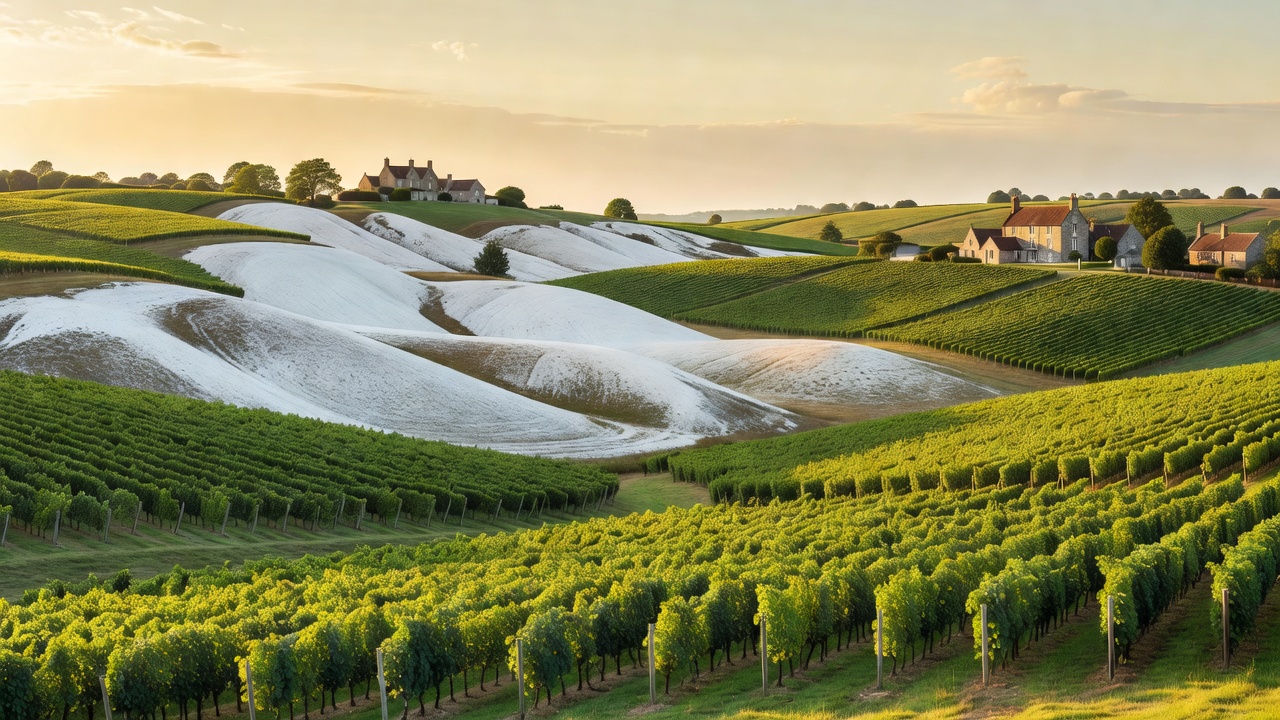
Sussex's rolling South Downs landscape features chalk soils similar to those in Champagne, providing excellent drainage and mineral notes that define the region's sparkling wines. Vineyards here often grow Chardonnay, Pinot Noir, and Pinot Meunier, yielding crisp sparkling wines with citrus, green apple, and subtle brioche profiles after aging on lees. The maritime influence from the English Channel moderates temperatures, extending the growing season and allowing for balanced ripeness without excessive sugar accumulation.
Key Soil Compositions and Flavor Profiles
The terroir of Sussex is dominated by Upper Cretaceous chalk formations interspersed with flint, which contributes a signature minerality and structure. This composition supports vines that produce wines with bright acidity and elegant bubbles when made in the traditional method. Clay-loam mixes in lower-lying areas support fuller-bodied still wines featuring red fruit notes such as strawberry and raspberry, alongside herbal undertones. These soil variations allow producers to craft both light, refreshing sparklers and more robust still expressions.
Climate factors like cool nights and moderate rainfall preserve acidity, contrasting warmer European regions by emphasizing freshness over ripeness. This results in wines that pair exceptionally well with seafood and light cheeses, highlighting the region's unique expression of cool-climate viticulture.
Kent's Diverse Terroir for Still and Sparkling Wines
Kent offers varied geology, from Greensand ridges to clay valleys, fostering unique expressions in both still and sparkling categories. Vineyards benefit from sheltered microclimates along the North Downs, where south-facing slopes capture maximum sunlight while protecting against harsh winds. This diversity enables aromatic still wines from varieties like Bacchus and Ortega, alongside traditional sparkling cuvées that showcase apple and pear notes with a crisp finish.
Comparisons to Champagne terroir highlight shared chalk elements but note England's cooler, wetter conditions create brighter acidity and herbal undertones absent in French counterparts. Kent's soils often include more sandstone and loam, leading to wines with greater fruit-forward character and slightly softer tannins in still reds.
Climate Influences on English Wine Styles
Cool-climate viticulture in these areas results in lower alcohol levels and vibrant acidity that define English wines. Recent seasonal patterns show extended hang times enhancing complexity, differing from Mediterranean warmth by prioritizing elegance and precision. The influence of the Gulf Stream brings mild winters and cool summers, reducing disease pressure while challenging ripeness in some years, which winemakers manage through careful canopy management and site selection.
These conditions foster wines with layered flavors, from zesty lemon and grapefruit in sparklers to earthy mushroom notes in aged bottles. Visitors often notice how the terroir translates into a sense of place, making each tasting a lesson in regional identity.
Vineyard Case Studies
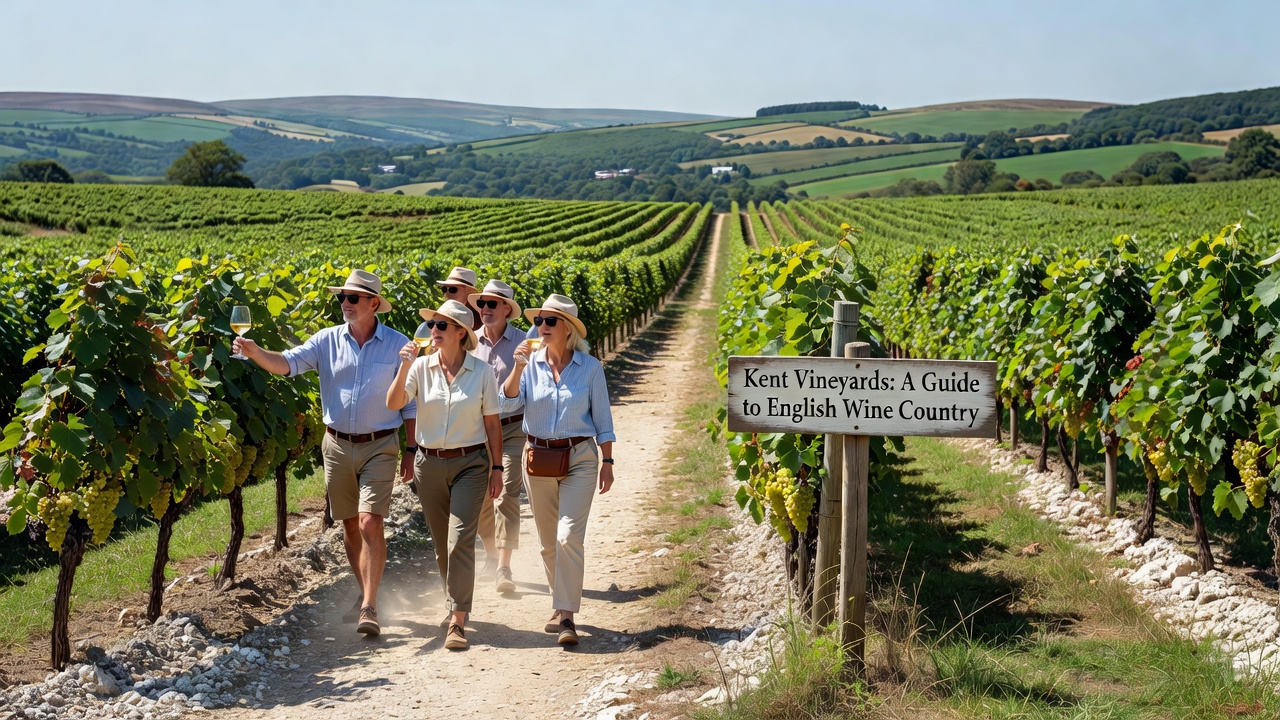
Notable examples include estates in Sussex leveraging chalk for award-winning sparklers, where traditional methods yield wines that rival international benchmarks in blind tastings. Kent properties experiment with hybrid varieties for still reds that thrive in the variable climate, producing balanced wines with good aging potential. These sites demonstrate how local terroir translates to bottle through sustainable practices like cover cropping and minimal intervention.
Exploring these case studies reveals the hands-on decisions winemakers make, from pruning techniques suited to chalky slopes to blending decisions that balance acidity and fruit. Such insights enrich the visitor experience beyond simple tastings.
Planning 2026 Wine Tours: Itineraries and Booking Tips
Design a multi-day route starting in Sussex vineyards before heading to Kent. A sample three-day itinerary might begin with morning tastings at chalky hillside estates, followed by afternoon vineyard walks explaining soil profiles. Day two could focus on Kent's varied landscapes, including lunch pairings with local produce. Day three allows for relaxed cellar tours and purchases.
Focus on harvest-adjacent visits for tastings and pair with local cuisine. Book early through regional tourism sites for guided experiences that include transport between sites. Consider accessibility via trains from London and plan for seasonal tastings peaking in summer and autumn, when outdoor terraces are open and harvest activities may be observable.
Practical Visitor Tips
- Check vineyard websites for 2026 availability and reserve spots for popular weekend slots.
- Combine tours with countryside walks for full terroir immersion, using maps from national trail resources.
- Opt for small-group options to engage directly with winemakers and ask about soil impacts on specific vintages.
- Prepare for variable weather by layering clothing and confirming indoor tasting alternatives.
FAQ on Accessibility and Seasonal Tastings
Are these regions accessible for beginners? Yes, many offer introductory tours explaining terroir basics, soil sampling demonstrations, and guided tastings suitable for those new to wine appreciation.
When is the best time for tastings? Spring through autumn for optimal weather and harvest views, with winter offering cozy indoor sessions focused on aged library wines.
How do they compare to Champagne visits? More intimate settings with similar soil-driven profiles but unique British twists, often at lower visitor volumes and with greater emphasis on sustainable farming stories.
What about transport and accessibility? Many vineyards provide shuttle options or are near rail stations; check individual sites for wheelchair access and family-friendly policies.
Conclusion
Sussex and Kent represent England's promising future in wine, blending terroir-driven quality with visitor-friendly experiences. Whether exploring soils or booking tours, these regions deliver memorable discoveries for enthusiasts at any level. For broader travel inspiration, check VisitBritain and learn about global wine heritage via Champagne official resources.
No comments yet. Be the first!