 Uncorked Conversations
Discovering Savoie: France's Hidden Alpine Wine Gem
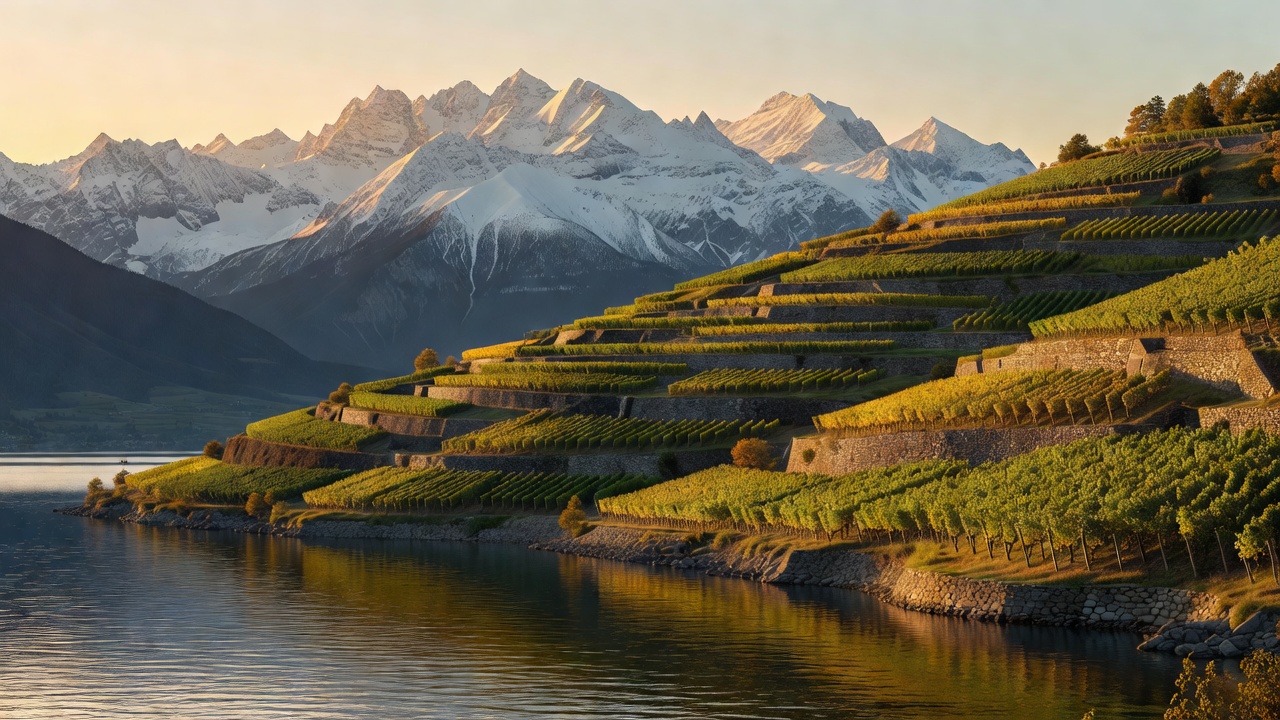
Nestled in the French Alps, the Savoie wine region offers a refreshing escape from more crowded European wine destinations. Its terroir, shaped by steep mountain slopes, glacial soils, and the moderating influence of lakes like Geneva and Bourget, produces crisp, high-acidity wines that reflect the cool climate perfectly. Travelers seeking authentic, terroir-driven experiences will find Savoie ideal for 2026, with its blend of indigenous varieties and scenic vineyard settings far from the commercial bustle of better-known French appellations.
The region's wines stand out for their lightness and minerality, contrasting with the bolder styles of nearby Rhône or Burgundy. This guide explores the distinctive soils, key grapes, vineyard hotspots, and practical 2026 tour options to help you plan an unforgettable journey. Whether you are a seasoned oenophile or a curious beginner, Savoie delivers intimate tastings amid breathtaking alpine scenery that reward those willing to venture off the beaten path.
Understanding Savoie's Unique Terroir
Savoie's terroir is defined by its dramatic Alpine geography. Mountain soils rich in limestone, schist, and moraine deposits provide excellent drainage, while cool nights preserve acidity in the grapes. The proximity to large bodies of water, including France's official tourism resources, creates microclimates that protect vines from extreme frosts. These conditions yield wines with vibrant fruit notes and a distinctive freshness rarely found elsewhere in France. High-altitude sites often sit between 300 and 600 meters, where slower ripening develops layered flavors of citrus, herbs, and wet stone.
Climate patterns here feature warm days balanced by chilly evenings, resulting in wines that maintain bright acidity even in warmer vintages. Compared to warmer regions like Provence, Savoie emphasizes elegance over power, making it a favorite among sommeliers for food pairings. Soil variations across subzones further differentiate expressions: limestone-heavy plots produce more structured whites, while schist-influenced areas lend smoky undertones to reds. Enthusiasts exploring in 2026 can witness ongoing sustainable practices that protect these fragile slopes from erosion and biodiversity loss.
Indigenous Grapes: Jacquère and Mondeuse
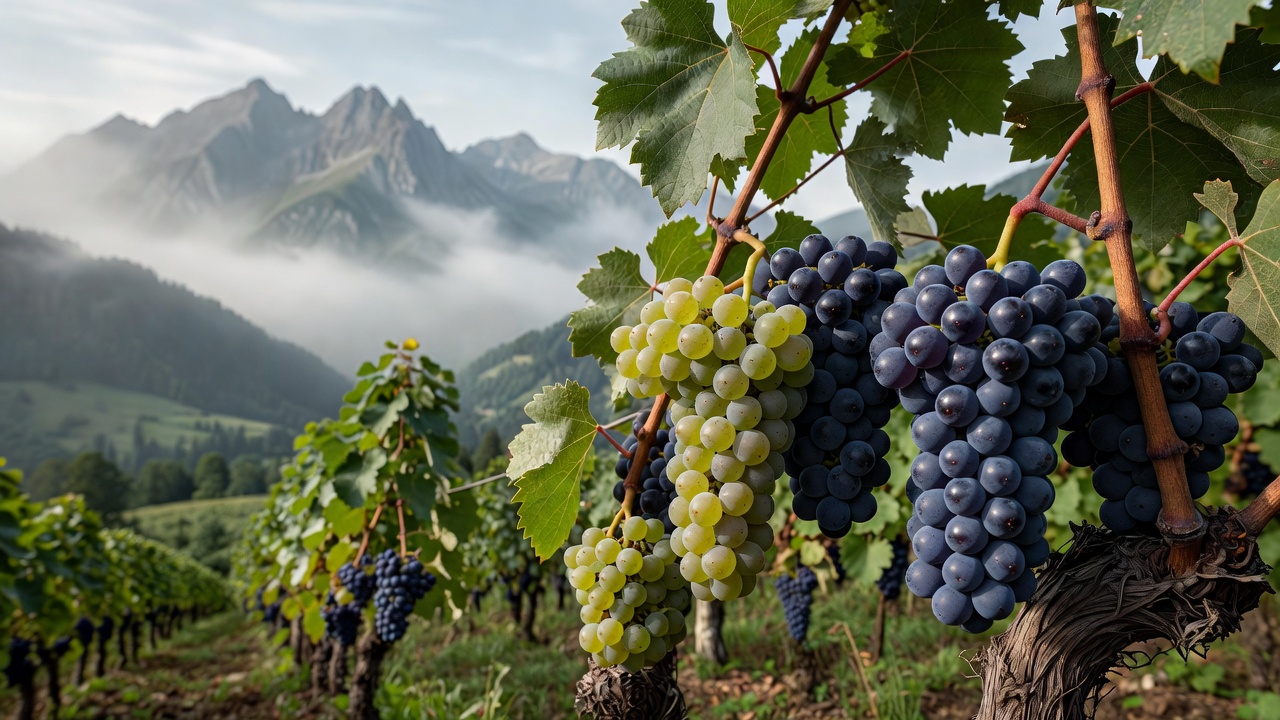
Two stars dominate Savoie plantings: Jacquère and Mondeuse. Jacquère, a white variety, thrives in the cool climate, producing floral, citrus-driven wines with herbal undertones. It accounts for much of the region's white wine output and excels in sparkling styles that highlight its natural effervescence. Mondeuse, a red grape, delivers structured wines with dark fruit, pepper, and alpine herb notes—think of it as Savoie's answer to Syrah but lighter and more agile, perfect for pairing with mountain cuisine.
Other notables include Altesse for aromatic whites and Persan for rare reds. These varieties highlight the region's commitment to native grapes, preserving biodiversity in the face of global homogenization. Beginners can start with Jacquère for its approachable acidity before moving to Mondeuse's depth. Tasting notes often reveal green apple and white flowers in young Jacquère, while aged examples develop honeyed complexity. Mondeuse shines with black cherry and violet aromas that evolve into earthy spice after a few years in bottle. Local producers experiment with skin-contact versions and low-intervention methods, offering modern twists on traditional profiles that appeal to natural wine fans.
Notable Vineyards Around Lake Geneva and Isère Valley
Vineyards hugging Lake Geneva (Lac Léman) benefit from reflective waters that extend the growing season. Areas like Crépy and Marignan produce elegant whites ideal for lakeside tastings. Further south, the Isère Valley offers steeper slopes with dramatic views, where reds from Mondeuse shine in villages such as Saint-Pierre-d'Albigny. Estates here often combine viticulture with cheese production, allowing visitors to experience complete farm-to-glass journeys.
Real-world examples include estates like Domaine des 13 Lunes, known for natural methods, and larger cooperatives that welcome visitors with guided walks through historic cellars. These spots provide immersive experiences blending hiking with tasting, far from the tourist throngs of Bordeaux. The Abymes and Apremont crus near Chambéry deliver crisp whites from Jacquère that pair seamlessly with local freshwater fish. In the Isère, plots around Arbin yield powerful yet balanced Mondeuse reds that age gracefully for five to ten years. Many vineyards maintain terraced layouts dating back centuries, showcasing human ingenuity in adapting to rugged terrain.
2026 Wine Tour Options and Itineraries
Planning a 2026 trip? Focus on shoulder seasons like May-June or September-October for optimal weather and fewer crowds. A sample 5-day itinerary starts in Annecy with a Lake Geneva cruise and vineyard visit, then moves to the Isère Valley for Mondeuse-focused tastings, ending with a mountain picnic pairing local cheeses and wines. Another option spans seven days and incorporates e-bike tours across multiple appellations, with stops at family-run domaines for vertical tastings of older vintages.
Many tours now incorporate hot-air balloon rides over the Alps or hands-on harvest experiences during peak season. Check with local tourism offices for updated schedules, as 2026 promises expanded eco-friendly options using electric vehicles and carbon-neutral lodges. Beginners should opt for guided tastings that explain soil impacts on flavor profiles, starting with three-wine flights before progressing to full meals. Private operators offer customizable packages that include transport from Geneva airport, ensuring seamless logistics for international travelers.
Comparing Savoie to Nearby Wine Regions
Unlike the opulent styles of Burgundy or the robust Rhône wines, Savoie prioritizes freshness and versatility. Its cool-climate approach mirrors parts of Switzerland or Austria but with a uniquely French Alpine twist. This makes it perfect for those wanting lesser-known authenticity over mainstream fame. While Jura to the north shares some grape similarities, Savoie wines tend to be lighter and more lake-influenced, offering a distinct alternative for repeat visitors to eastern France.
Practical Planning Tips and Seasonal Recommendations
- Book accommodations in Annecy or Chambéry for easy access to multiple appellations and reliable train connections.
- Pair wines with regional specialties like tartiflette or diots sausages for memorable meals that highlight local ingredients.
- Use public transport or guided shuttles to navigate winding mountain roads safely, especially after tastings.
- Visit in autumn for harvest festivals offering hands-on experiences and lively village celebrations.
- Pack layers for variable mountain weather and comfortable walking shoes for vineyard trails.
- Research appellation maps in advance to prioritize subregions matching your taste preferences for whites or reds.
Always verify current entry requirements via official channels before travel. Consider joining small-group tours limited to eight participants for more personalized attention from winemakers.
FAQs on Pairing Local Specialties
How do I pair Jacquère? It complements seafood, salads, and goat cheese beautifully due to its crisp acidity that cuts through rich flavors.
What about Mondeuse? Try it with game meats or mushroom dishes to highlight its spicy notes and firm tannins.
Are there beginner-friendly tips? Start with small pours and focus on aroma before taste—Savoie wines reward mindful sipping and note-taking.
Which season offers the best value for tours? Late spring and early fall provide pleasant temperatures and availability without peak summer pricing pressures.
For authoritative insights on global viticulture practices, explore resources from the International Organisation of Vine and Wine.
Conclusion: Embrace Savoie's Terroir in 2026
Savoie invites wine enthusiasts to slow down and savor the mountains. With its distinctive grapes, stunning landscapes, and welcoming tours, it delivers experiences that linger long after the last sip. Start planning now for a 2026 adventure that celebrates authentic Alpine terroir and creates memories rooted in France's most captivating high-altitude vineyards.
No comments yet. Be the first!