 Uncorked Conversations
Introduction to Margaret River's Unique Terroir
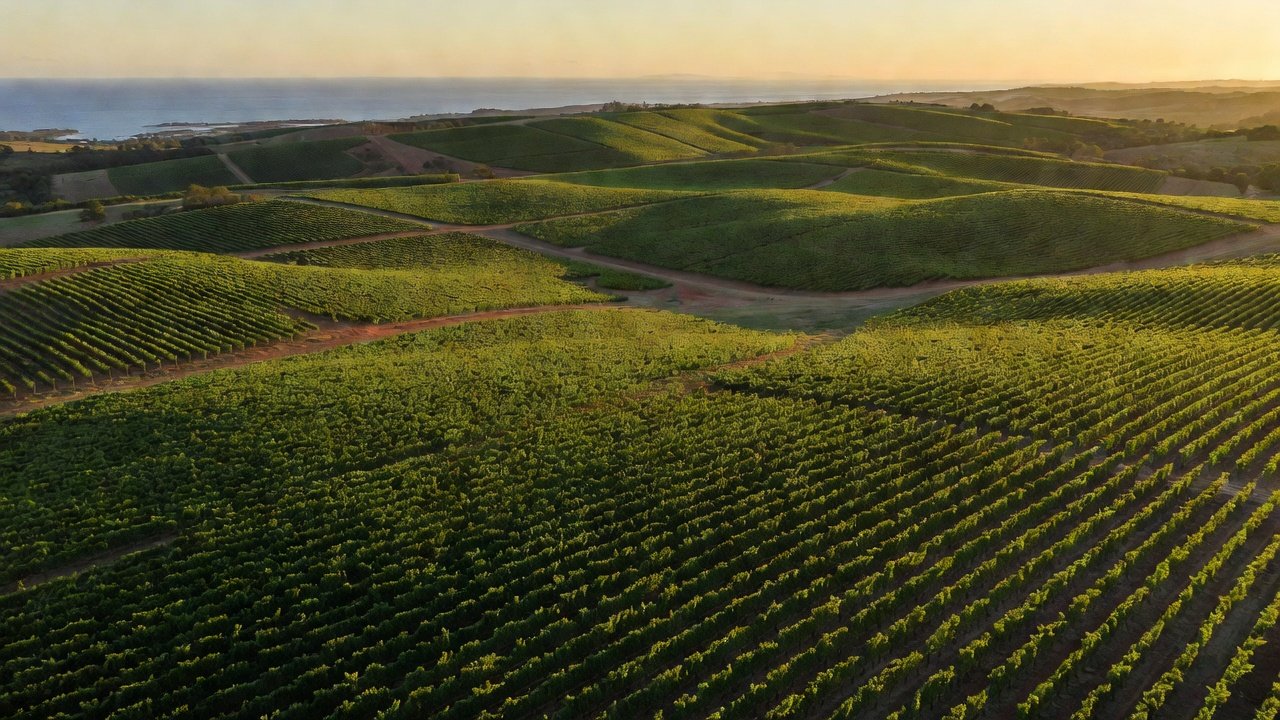
Margaret River in Western Australia stands out as one of the country's premier wine regions, shaped by its distinctive terroir that combines ancient soils, maritime climate, and diverse topography. This guide delves into how these elements influence the region's premium wines, offering practical advice for planning 2026 vineyard tours, detailed tasting notes, and comparisons with other Australian areas. Visitors seeking fresh wine destinations will find actionable insights here to craft memorable experiences. The area spans roughly 100 kilometers of coastline south of Perth, where the interplay of ocean influences and ancient geology creates conditions rare in Australia. Travelers often arrive via scenic drives or flights into Busselton, then base themselves in the town of Margaret River for easy access to dozens of cellar doors.
The region's terroir is defined by gravelly loam soils over limestone, which provide excellent drainage and mineral complexity. Combined with cooling sea breezes from the Indian Ocean, this creates ideal conditions for varieties like Cabernet Sauvignon and Chardonnay. As of recent assessments, Margaret River produces some of Australia's most age-worthy wines, with many estates emphasizing low-yield farming to concentrate flavors.
Understanding the Terroir's Impact on Regional Wines
Terroir in Margaret River refers to the interplay of soil, climate, and topography that imparts unique character to the grapes. The area's ancient Gondwanan soils contribute earthy, structured notes, while the Mediterranean climate ensures balanced ripeness without excessive heat. This results in wines with vibrant acidity and elegant tannins, distinguishing them from warmer inland regions. The Leeuwin-Naturaliste Ridge runs parallel to the coast, creating subtle elevation changes that affect sun exposure and wind patterns across different vineyard blocks. Morning fog from the ocean often lingers into late morning, slowing sugar accumulation and preserving natural acidity in the fruit.
Key influences include the Leeuwin-Naturaliste Ridge, which moderates temperatures, and proximity to the ocean, adding saline minerality. These factors support sustainable viticulture practices that preserve the natural environment. Growers report that the gravel and ironstone components in the soil lend a distinctive graphite or wet-stone character to many reds, while the limestone base contributes to the linear finish in whites. Understanding these nuances helps visitors appreciate why Margaret River wines frequently score highly in international competitions.
Must-Visit Vineyards in Margaret River
Planning 2026 tours starts with selecting standout estates. Consider these highlights that showcase the full range of local terroir:
- Leeuwines Estate: Known for its flagship Chardonnay and Cabernet blends, offering cellar door tastings with ocean views and educational talks on soil profiles.
- Vasse Felix: The region's oldest winery, famous for structured reds and crisp whites grown on classic gravel soils, with an on-site gallery and restaurant.
- Cullen Wines: A pioneer in biodynamic practices, producing elegant Pinot Noir and Semillon Sauvignon Blanc from certified organic blocks.
- Devil's Lair: Specializes in premium Cabernet Sauvignon with intense fruit profiles from hillside vineyards, offering small-group tastings.
- Chateau Xanadu: Focuses on expressive Semillon and Shiraz, with tours that highlight differences between their northern and southern vineyard sites.
- Stella Bella: Produces aromatic whites and bold reds, including limited-release wines that reflect vintage-specific terroir variations.
Each vineyard provides insights into local terroir through guided tours and tastings. Many allow visitors to walk among the vines during quieter periods.
Optimal 2026 Wine Tour Itineraries
For a comprehensive visit, structure your trip around seasonal flows. Spring (September-November) offers blooming vineyards and milder weather ideal for outdoor tastings. Summer focuses on harvest festivals, while autumn brings vibrant foliage and concentrated flavors. Winter provides cozy indoor experiences with fewer crowds.
A sample three-day itinerary begins with northern estates like Vasse Felix for morning tastings, followed by lunch pairings. Day two heads south to Cullen and Leeuwines, incorporating a coastal walk between stops. Day three includes a mix of larger producers and boutique operations, ending with sunset views. Book in advance for 2026 to secure spots during peak periods. Pair tours with local cheese platters for enhanced sensory experiences. Consider adding a half-day bike tour or cooking class focused on regional ingredients to deepen your understanding.
Sensory Tasting Notes and Wine Profiles
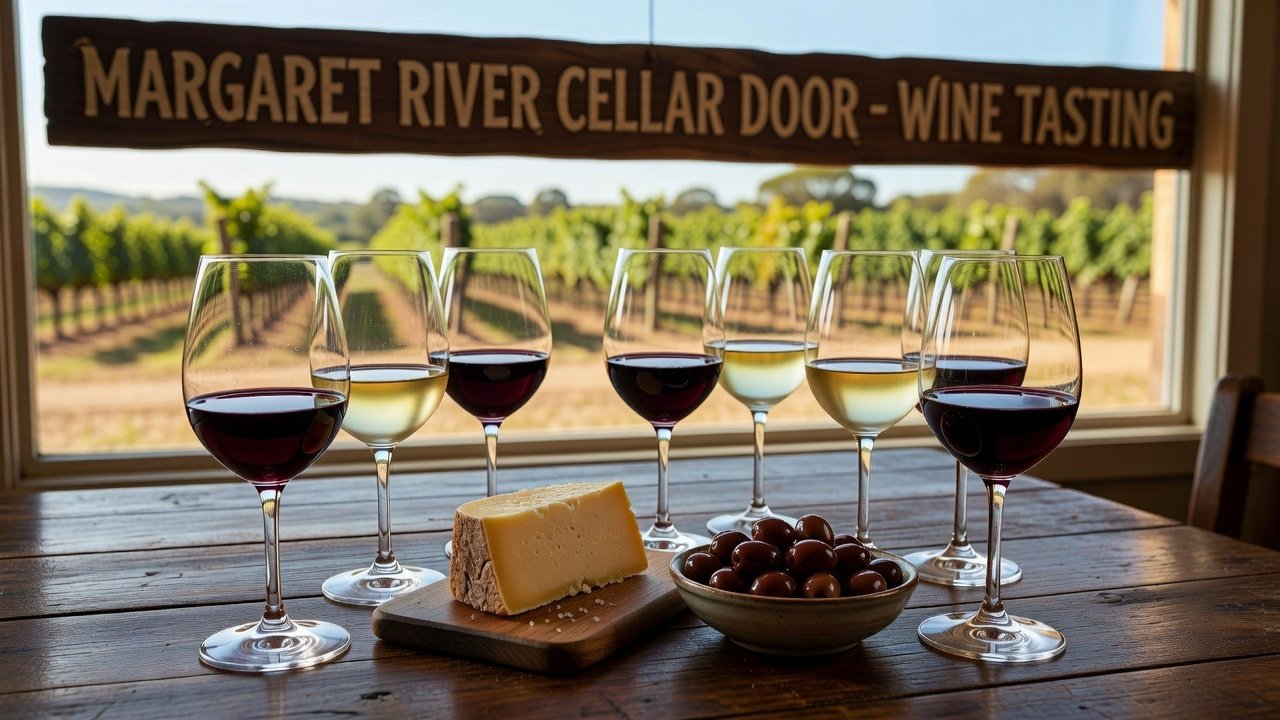
Margaret River wines deliver layered aromas and flavors. Chardonnay often shows citrus zest, hazelnut, and subtle oak, with a long, mineral finish. Cabernet Sauvignon presents blackcurrant, cedar, and graphite notes, balanced by fine tannins from the limestone soils. Sauvignon Blanc and Semillon blends offer grassy, passionfruit aromas with crisp acidity that pairs beautifully with seafood.
Compare a typical tasting: A 2025 vintage Chardonnay might evoke green apple and flint, evolving to toasted almond on the palate. These profiles reflect the cool climate influence, making them versatile for food pairings like seafood or grilled meats. Many estates release single-vineyard bottlings that highlight specific soil types, allowing tasters to detect subtle differences in texture and length.
Comparisons to Other Australian Wine Regions
Unlike the bolder styles of Wine Australia regions like Barossa Valley with its Shiraz focus, Margaret River emphasizes elegance and acidity. Compared to cooler-climate Tasmania, it offers more consistent sunshine for fuller-bodied reds. This positions it uniquely for premium, food-friendly wines that age gracefully.
Further context comes from national resources at Australia.com, highlighting Margaret River's maritime edge over inland areas like McLaren Vale. The Hunter Valley produces richer Semillon styles due to different humidity levels, while the Yarra Valley shares some cool-climate traits but lacks the same limestone influence. These distinctions help travelers decide which region best matches their palate preferences.
Practical Visitor Tips and Seasonal Highlights
Travel tips include renting a car for flexibility, as public transport is limited between estates. Aim for mid-week visits to avoid crowds. Sustainable practices like low-intervention farming are common—look for certified organic estates and support those using solar power or water recycling. Bring layers of clothing, as coastal temperatures can shift quickly, and always designate a driver or use local shuttle services.
Seasonal highlights include summer concerts at vineyards, winter truffle hunts paired with reds, and spring wildflower tours that coincide with new vintage releases. Many properties host harvest experiences in March and April where guests can participate in grape picking demonstrations.
History and Evolution of the Region
Commercial winemaking began in the late 1960s when pioneering families recognized the potential of the area's unique soils. Early plantings focused on Cabernet and Chardonnay after trials showed exceptional quality. Over decades, the region evolved from experimental plots to a globally recognized appellation, with strict geographic boundaries protecting its reputation.
Sustainable Practices in the Region
Many producers follow biodynamic or organic methods to protect the unique terroir. Initiatives include native vegetation corridors for biodiversity, reduced chemical use, and community-led water management programs. Visitors can often join educational sessions explaining how these practices translate into better wine quality and environmental stewardship.
Conclusion
Margaret River's terroir delivers world-class wines worth exploring in 2026. With thoughtful planning, visitors can immerse themselves in this captivating region and return home with deeper appreciation for its distinctive character.
FAQ
How do I book vineyard tours? Contact estates directly via their websites or use regional tourism platforms for packages that include transport.
What food pairings work best? Local seafood with whites and grilled lamb with Cabernets enhance the experience, as do regional cheeses and olive oils.
Are there sustainable practices? Many vineyards follow biodynamic or organic methods to protect the unique terroir and surrounding ecosystems.
What is the best time to visit? Spring and autumn offer ideal weather and fewer crowds, while summer brings festivals and harvest activities.
Do I need a car? Yes for maximum flexibility, though some operators offer shuttle services between select vineyards.

No comments yet. Be the first!