 Uncorked Conversations

Introduction to Valpolicella's Hidden Gems
Valpolicella stands as one of Italy's most captivating yet underexplored wine regions in the Veneto area. Its distinctive terroir, marked by limestone and volcanic soils, crafts powerful reds like Amarone and Ripasso that captivate wine enthusiasts worldwide. For travelers planning 2026 wine tours, understanding this landscape unlocks unforgettable experiences centered on bold flavors and scenic vineyard visits. The region lies just north of Verona, offering a perfect blend of history, nature, and gastronomy that appeals to both novice and seasoned wine lovers. Unlike overcrowded hotspots, Valpolicella maintains an authentic charm with family-run estates that prioritize quality and education during tastings.
The region's appeal lies in its balance of tradition and accessibility, making it ideal for beginners eager to explore beyond more famous Tuscan or Piedmont destinations. Elevation variations create diverse microclimates, influencing grape ripening and wine complexity in ways that set Valpolicella apart. This makes 2026 an excellent year to visit as many estates prepare special anniversary tours and updated sustainability programs.
The Distinctive Terroir: Limestone and Volcanic Soils
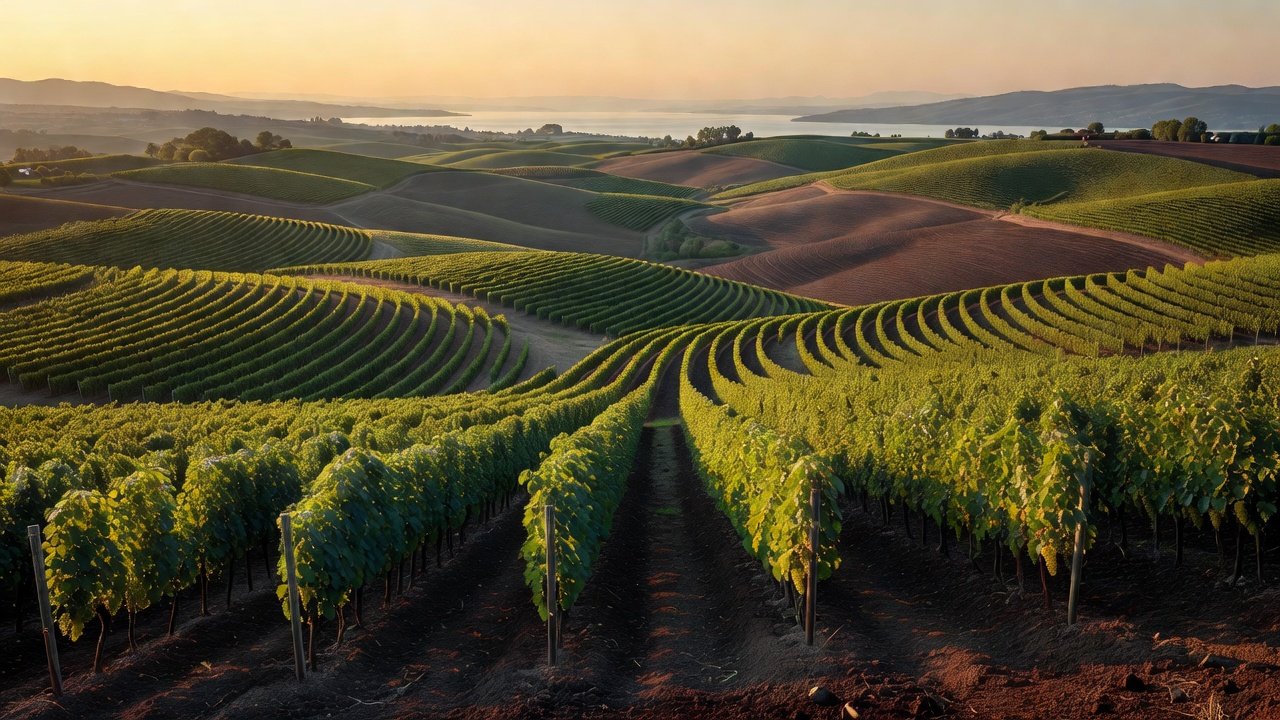
Valpolicella's terroir is defined by ancient geological formations dating back millions of years. Limestone-rich soils provide excellent drainage and impart distinctive mineral notes to the grapes, while volcanic elements contribute depth, structure, and a subtle smokiness to the resulting wines. These conditions foster grapes with thick skins, essential for the appassimento drying process used in Amarone production, which concentrates sugars and flavors over several months.
Soil composition varies across hillsides, leading to nuanced differences in acidity and tannin levels. Lower slopes often feature more clay mixed with limestone, producing wines with softer tannins, whereas steeper volcanic areas yield more structured, age-worthy bottles. This natural diversity encourages sustainable viticulture practices that preserve the land for future generations, including organic farming methods that many estates adopted in recent years.
Understanding these soils helps visitors appreciate why Valpolicella wines express such unique character compared to other Italian regions. Guided tours frequently include soil pit demonstrations where guests can examine the layers firsthand.

Key Sub-Regions Worth Exploring
Valpolicella divides into several sub-zones, each offering unique characteristics shaped by their specific terroir. The Classico zone, the historic heart, features classic Amarone expressions with elegant cherry and spice notes from well-drained limestone plots. Valpantena brings a modern twist with innovative wineries experimenting with extended macerations and new oak. Eastern valleys like Squarano, Fumane, and Negrar deliver elegant, fruit-forward styles due to their southern exposures and cooler breezes.
Travelers should prioritize visits to these areas for a comprehensive tasting journey. Many estates welcome guests year-round, highlighting how local traditions shape each bottle. Western areas near Sant'Ambrogio offer more rugged terrain ideal for hiking between vineyards, while central zones provide easier access to restaurants serving traditional dishes.
Primary Grape Varieties and Their Roles
Corvina dominates plantings, delivering bright cherry aromas, vibrant acidity, and the ability to withstand drying without losing character. Rondinella adds deep color, herbal spice, and resilience to disease, making it a reliable blending partner. Molinara contributes freshness and lightness, though it is used less frequently today. Corvinone enhances structure and body in premium blends, often replacing some Corvina in Amarone for added complexity.
These indigenous varieties thrive in the region's climate, forming the backbone of Amarone, Ripasso, and everyday Valpolicella DOC wines. Historical records show these grapes have been cultivated here for centuries, with modern producers refining techniques to highlight terroir expression. Beginners will find educational tastings that break down each variety's contribution through side-by-side comparisons.
How Elevation Shapes Microclimates
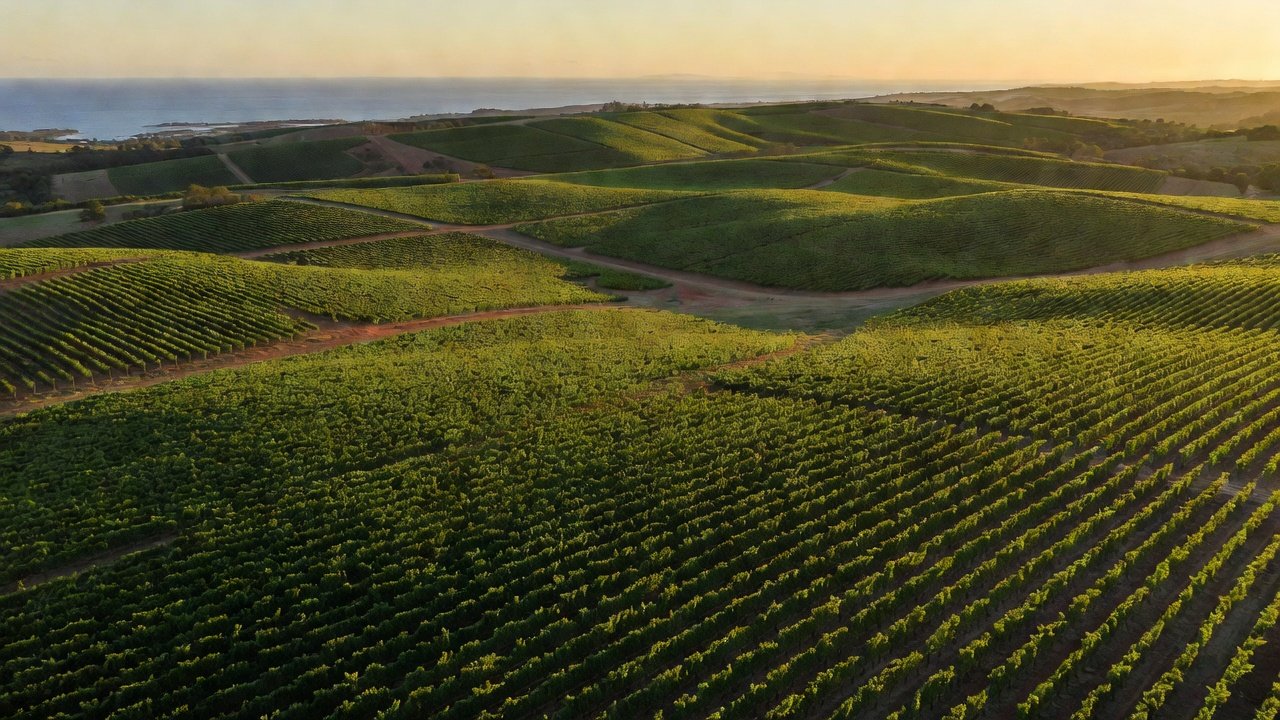
Hills rise from 100 to over 500 meters, creating temperature gradients that extend growing seasons and influence phenolic ripeness. Higher elevations yield slower-ripening grapes with brighter acidity and floral aromas, perfect for complex, long-lived Amarones. Lower slopes produce riper, jammier fruit suited to approachable, food-friendly Ripassos. This vertical diversity allows producers to craft layered wines reflecting their specific vineyard sites, with some estates owning plots at multiple altitudes for blending flexibility.
Examples include vineyards on Monte Sant'Uberto where cooler nights preserve acidity, versus valley floor sites near Marano that see warmer days for fuller body. Climate change considerations are prompting some growers to plant at higher elevations for future vintages.
Step-by-Step Vineyard Visit Planner
- Research estates aligned with your 2026 travel dates via official tourism resources and cross-reference reviews for hospitality quality.
- Book tastings in advance, focusing on morning slots for optimal freshness and to avoid crowds during peak season.
- Prepare questions about soil types, drying techniques, and aging processes to deepen your understanding during the visit.
- Arrange private transport or join group shuttles between sub-regions for efficient multi-estate days without fatigue.
- Pack layers for variable hill weather, comfortable walking shoes, and a notebook for tasting notes.
- Consider dietary needs when selecting estates with lunch pairings and confirm accessibility options if traveling with mobility requirements.
- Review recent harvest reports to understand how the previous vintage might influence 2026 tasting experiences.
Three Example 2026 Tour Itineraries with Tastings
Itinerary 1: Classic Core Focus (3 days) – Start in Valpolicella Classico with visits to historic cellars for Amarone tastings, followed by a Ripasso pairing lunch featuring local beef. Day two explores volcanic soil vineyards with guided walks, ending with sunset views over the valley. Day three includes a cooking class and vertical tasting of multiple vintages.
Itinerary 2: Elevation Adventure (4 days) – Hike higher slopes for microclimate insights and sample wines from varying altitudes, including a rare high-elevation Amarone. Include a hands-on grape sorting session and evening discussions with winemakers about climate impacts.
Itinerary 3: Sub-Region Hop (5 days) – Journey through Valpantena and eastern valleys, comparing styles across five estates with guided tours, barrel tastings, and evening cultural events such as folk music dinners.
Comparisons to Nearby Veneto Areas
Unlike the sparkling wine focus of nearby Prosecco hills or Soave's crisp white wine emphasis on Garganega, Valpolicella specializes in robust reds from dried grapes. Its volcanic influences contrast with the alluvial plains of Bardolino or the flatter areas near Venice, offering bolder, more structured profiles. Visitors often combine regions for a full Veneto immersion, starting with whites in Soave before moving to Valpolicella reds. This creates excellent day-trip opportunities from Verona, with shared transportation options available.
Visitor Tips on Seasonal Events
Spring brings blossom tours and early tastings highlighting fresh vintages, while harvest festivals in autumn celebrate the grape pick with music and feasts. Winter features Amarone release events and indoor barrel tastings. Always check local calendars for 2026 dates and reserve spots early. Respect vineyard rules regarding photography and children, and support eco-friendly operators who practice integrated pest management.
FAQs About Valpolicella Wines and Tours
What makes Amarone unique? Its appassimento drying process concentrates flavors from the terroir, resulting in higher alcohol and intense dried fruit notes.
Best time for 2026 tours? April to October avoids peak summer heat while aligning with events and optimal weather for outdoor tastings.
Pairing suggestions? Amarone complements game meats, aged cheeses, and chocolate desserts; Ripasso suits pasta with ragu and grilled vegetables.
Are tours suitable for beginners? Yes, many estates offer educational sessions tailored to novices with explanations of the drying process and soil types.
How long should a typical visit last? Plan two to three hours per estate including tour, tasting, and optional lunch.
Is public transport available? Limited; renting a car or joining organized tours is recommended for flexibility across sub-regions.
Conclusion
Valpolicella's terroir promises enriching 2026 wine adventures filled with discovery and memorable tastings. By focusing on its soils, sub-regions, grape varieties, and practical planning, travelers can fully appreciate these exceptional regional wines. Start your journey with the Consorzio Valpolicella for official guidance and explore Verona tourism resources to book memorable experiences that showcase the best of this remarkable area.
No comments yet. Be the first!