 Uncorked Conversations
Introduction to Lombardy’s Wine Regions and Franciacorta Terroir
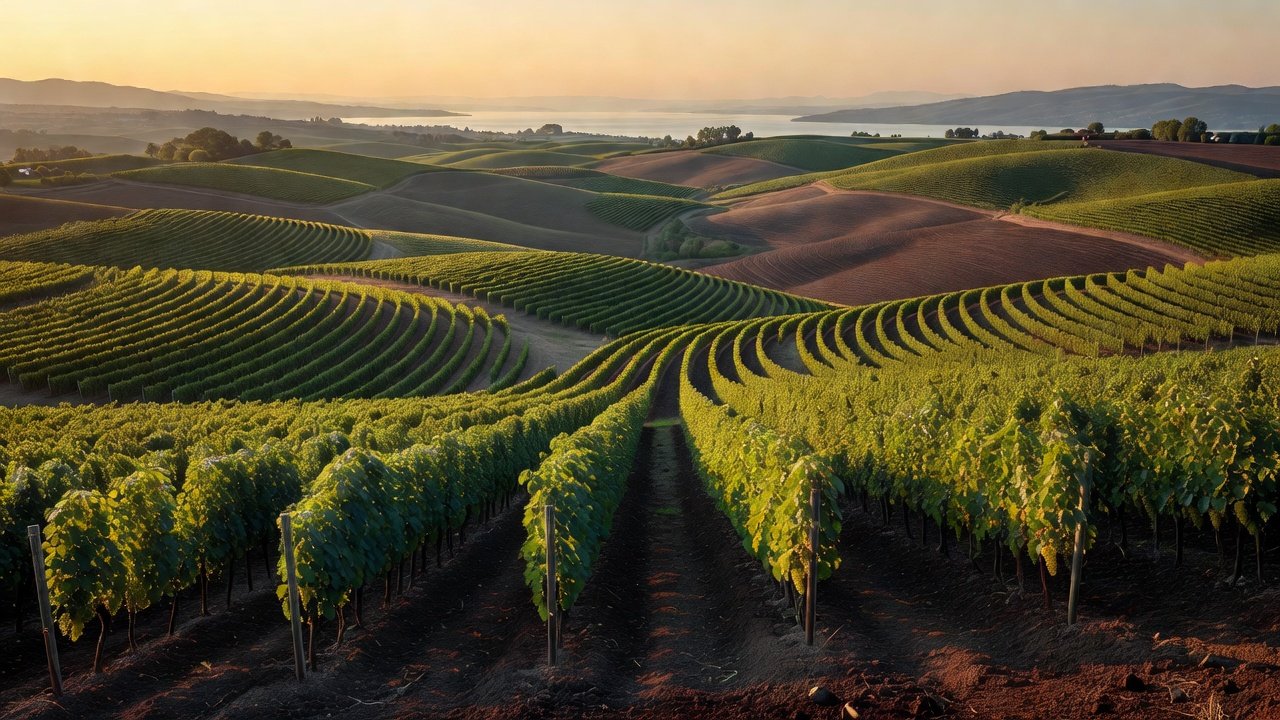
Lombardy stands out as one of Italy’s most diverse yet underrated wine regions, blending alpine influences with fertile plains. At its heart lies Franciacorta, celebrated for world-class sparkling wines shaped by distinctive terroir. This area’s volcanic and morainic soils create wines with remarkable minerality and elegance, drawing enthusiasts seeking authentic European terroir experiences beyond the well-trodden paths of Tuscany or Piedmont. The region’s position between Lake Iseo and the foothills of the Alps creates a microclimate that supports slow, even ripening, resulting in sparkling wines that balance freshness with complex secondary aromas developed during extended aging on lees.
Travelers planning 2026 visits will find Franciacorta an ideal destination for immersive vineyard tours that combine geological education, tastings, and scenic walks. Unlike more commercialized areas, Franciacorta maintains a welcoming, boutique atmosphere where small producers often lead personalized experiences.
Understanding Franciacorta’s Soils and Terroir
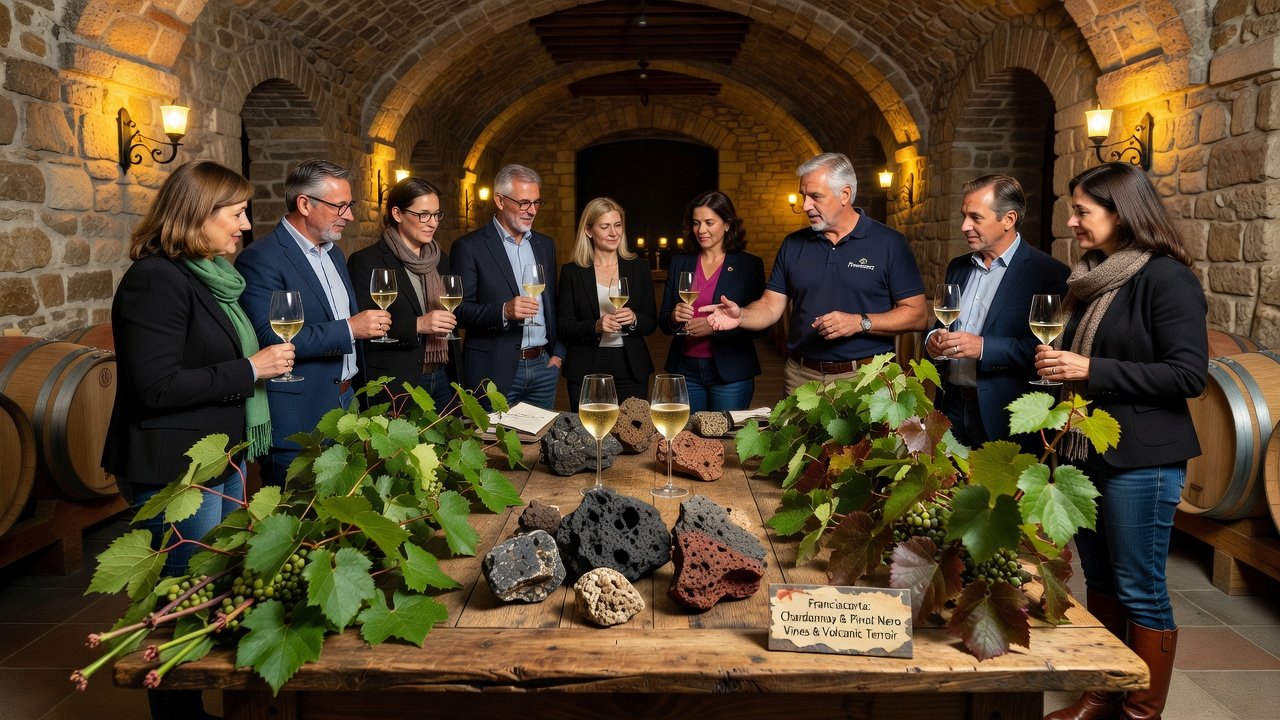
Franciacorta’s terroir owes much to its morainic hills formed by ancient glaciers and pockets of volcanic soil from prehistoric activity. These soils drain well yet retain enough moisture to support balanced vine growth. The limestone and clay components add structure, while volcanic elements contribute subtle smokiness and complexity to the wines. Morainic deposits, rich in minerals like potassium and magnesium, promote deep root systems that help vines withstand seasonal stresses.
Compared to other Lombard areas like Valtellina or Oltrepò Pavese, Franciacorta benefits from a microclimate moderated by Lake Iseo. This protects vines from extreme temperatures and allows for slower ripening, preserving acidity essential for sparkling wine production. Volcanic soils in the eastern zones impart distinctive flinty notes, while western moraines contribute softer, more rounded textures.
Key Grape Varieties and Their Influence
Chardonnay dominates plantings here, bringing bright citrus, green apple, and floral notes to the blends. Pinot Nero adds depth, structure, and red fruit aromas, while smaller amounts of Pinot Bianco contribute elegance. These varieties thrive in the region’s soils, resulting in sparkling wines that age gracefully with notes of brioche, hazelnut, and stone fruit after extended lees aging. Many estates also experiment with small percentages of Erbamat, a native variety recently permitted to enhance acidity in warmer vintages.
Winemakers emphasize sustainable practices, including organic farming in many estates, to preserve the delicate balance of this terroir for future generations. Examples include estates using cover crops between rows to improve biodiversity and reduce erosion on sloping hillsides.
Franciacorta Versus Champagne: A Terroir Comparison
Both regions produce premium sparkling wines using similar grapes and traditional methods, yet differences in terroir set them apart. Franciacorta’s volcanic and morainic soils often yield wines with a riper fruit profile and softer acidity than Champagne’s chalk-driven minerality. The Italian climate allows for more consistent ripeness, leading to approachable yet age-worthy cuvées. Tasters frequently note Franciacorta’s distinctive hazelnut and dried fruit notes emerging after five or more years of aging.
Many sommeliers note that Franciacorta offers excellent value and distinctive character for those exploring alternatives to French classics. Italy’s official tourism site highlights these regional distinctions for international travelers.
The History and Evolution of Franciacorta Winemaking
Winemaking in Franciacorta dates back to Roman times, but modern sparkling production began in the 1960s when local producers adopted the traditional method inspired by Champagne. The DOCG designation in 1995 formalized quality standards, limiting yields and requiring minimum aging periods. Today, over 100 producers contribute to the region’s reputation, with many family-run estates preserving traditional techniques while incorporating modern sustainability measures.
This evolution reflects broader Italian wine trends toward quality over quantity, positioning Franciacorta as a leader in sparkling wine innovation.
Planning 2026 Vineyard Tours in Franciacorta
Organizing a tour starts with selecting estates aligned with your interests—some focus on historic cellars, others on modern sustainability. Book in advance, especially for peak seasons, and consider guided experiences that include vineyard walks and vertical tastings. Many tours now incorporate digital apps showing real-time soil data and vine growth stages.
Practical steps include:
- Research producers via regional consortium resources for verified listings and availability calendars.
- Arrange transport, as many vineyards are best reached by car or organized shuttle from nearby Brescia or Bergamo airports.
- Pair visits with nearby Lake Iseo activities for a full itinerary that combines wine with boating or hiking.
- Request tastings featuring different vintages to understand how terroir evolves over time.
Seasonal recommendations favor spring and autumn for mild weather and fewer crowds, though harvest in September offers unique insights into winemaking.
Seasonal Recommendations and Travel Tips
Spring brings blooming vineyards ideal for photography, while summer offers outdoor tastings with lake views. Autumn showcases harvest energy, and winter cellar tours provide cozy escapes. Always check for events like open cellar weekends that allow behind-the-scenes access.
Travel tips: Pack layers for variable alpine weather, learn basic Italian phrases for warmer welcomes, and prioritize estates practicing organic viticulture to align with sustainability interests. Consider combining Franciacorta with visits to nearby Lombard cities for a balanced itinerary.
Mistakes to Avoid on Franciacorta Wine Tours
Common pitfalls include underestimating travel times between estates, failing to confirm reservation policies in advance, or overlooking dietary restrictions during tastings. Another frequent error is skipping educational components—opt for tours that explain soil types and grape impacts rather than rushing straight to the glass. Finally, avoid peak midday visits in summer when heat can affect wine perception.
FAQs on Pairing, Sustainability, and Visiting
How do Franciacorta wines pair with food?
These sparkling wines excel with seafood, risotto, and aged cheeses. The acidity cuts through rich dishes while complementing delicate flavors. Try pairing a non-vintage Brut with fresh oysters or a riserva with truffle-based pasta.
What sustainability efforts define the region?
Many producers adopt low-intervention methods, biodiversity programs, and solar-powered facilities to protect the terroir. Italy Magazine regularly covers these initiatives, while the International Organisation of Vine and Wine provides global context on sustainable viticulture practices adopted locally.
Are tours suitable for beginners?
Yes, most estates offer beginner-friendly tastings explaining the méthode traditionnelle process in detail, often with visual aids showing fermentation stages.
Conclusion: Embracing Franciacorta’s Underrated Terroir
Franciacorta represents a compelling destination for wine lovers seeking depth beyond mainstream regions. Its terroir-driven sparkling wines, combined with accessible 2026 tour options, promise memorable experiences. Whether comparing notes to Champagne or discovering new pairings, this Lombard gem rewards thoughtful exploration and sustainable travel choices.

No comments yet. Be the first!