 Uncorked Conversations
Introduction to Slovenia's Distinctive Terroir
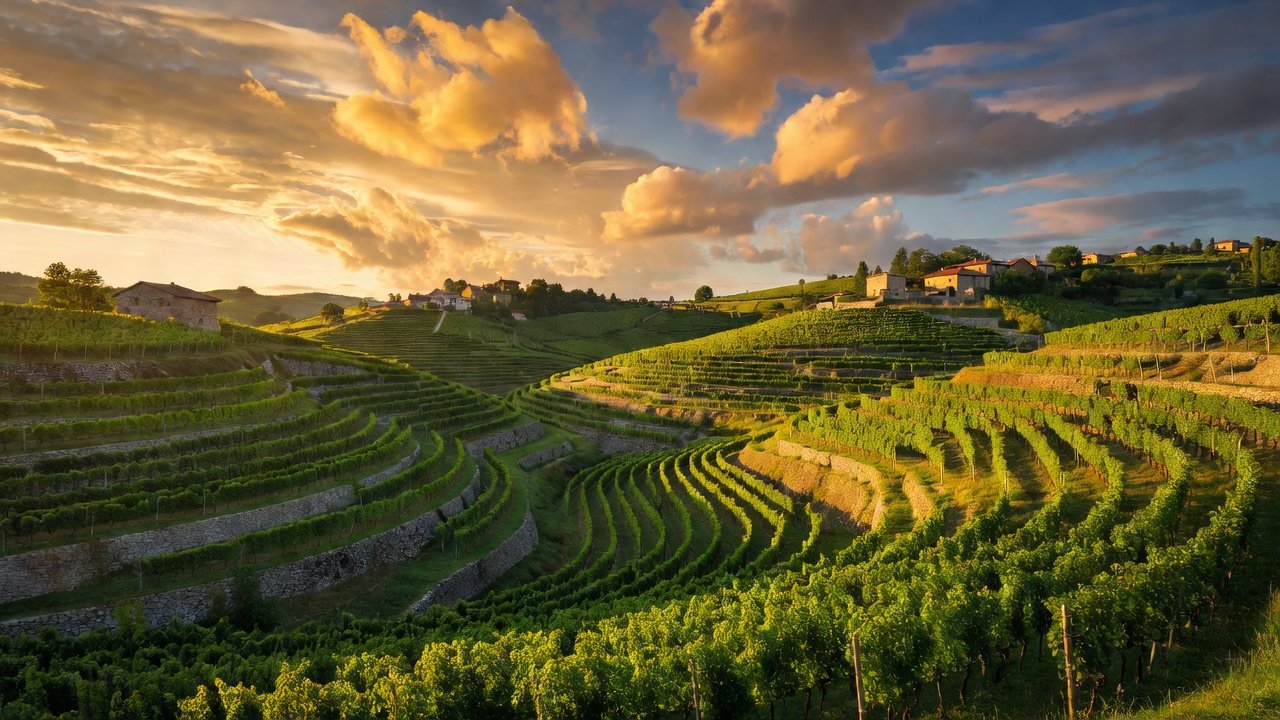
Slovenia may be small, but its wine scene punches far above its weight thanks to diverse terroirs that produce distinctive regional wines. From the rolling hills of the west to the continental east, local soil types, microclimates, and grape varieties create experiences that differ markedly from neighboring Italy, Austria, or France. This spotlight explores lesser-known gems like Vipava Valley and Goriska Brda while outlining practical 2026 wine tour itineraries, tasting routes, seasonal advice, and pairing ideas for visitors of all levels. The country's compact size makes it ideal for immersive journeys where every stop reveals how wind, soil, and tradition shape the glass. Travelers seeking authentic, uncrowded wine destinations will find Slovenia offers a refreshing alternative to more saturated European routes, with friendly producers eager to share their stories and techniques.
Whether you are a beginner or seasoned oenophile, understanding how Slovenia's terroir shapes its wines unlocks richer travel and tasting memories. In 2026, improved infrastructure and expanded English-language offerings will make these experiences even more accessible, allowing visitors to dive deep into vineyard hikes, cellar tours, and hands-on blending sessions that highlight the unique character of each valley.
Key Wine Regions and Their Terroir Profiles
Slovenia's wine production spans three main zones, but the western Primorska region stands out for its Mediterranean-continental blend. Vipava Valley features flysch soils rich in marl and sandstone, combined with the strong Bora wind that cools vineyards and concentrates flavors in the grapes. Signature varieties include Rebula (Ribolla Gialla) and Pinela, yielding crisp whites with mineral notes and herbal undertones that evolve beautifully with age. The valley's dramatic landscape of steep slopes and sudden gusts creates a natural stress on the vines, resulting in lower yields but intensely aromatic fruit.
Goriska Brda, often called Slovenia's Tuscany, boasts terraced vineyards on Eocene flysch and limestone. The climate here mixes warm days with cool nights, ideal for varieties like Zelen and Malvasia. These conditions produce structured reds and aromatic whites that echo but never copy Italian counterparts across the border. The terracing itself is a testament to centuries of adaptation, preventing erosion while maximizing sun exposure on south-facing slopes. 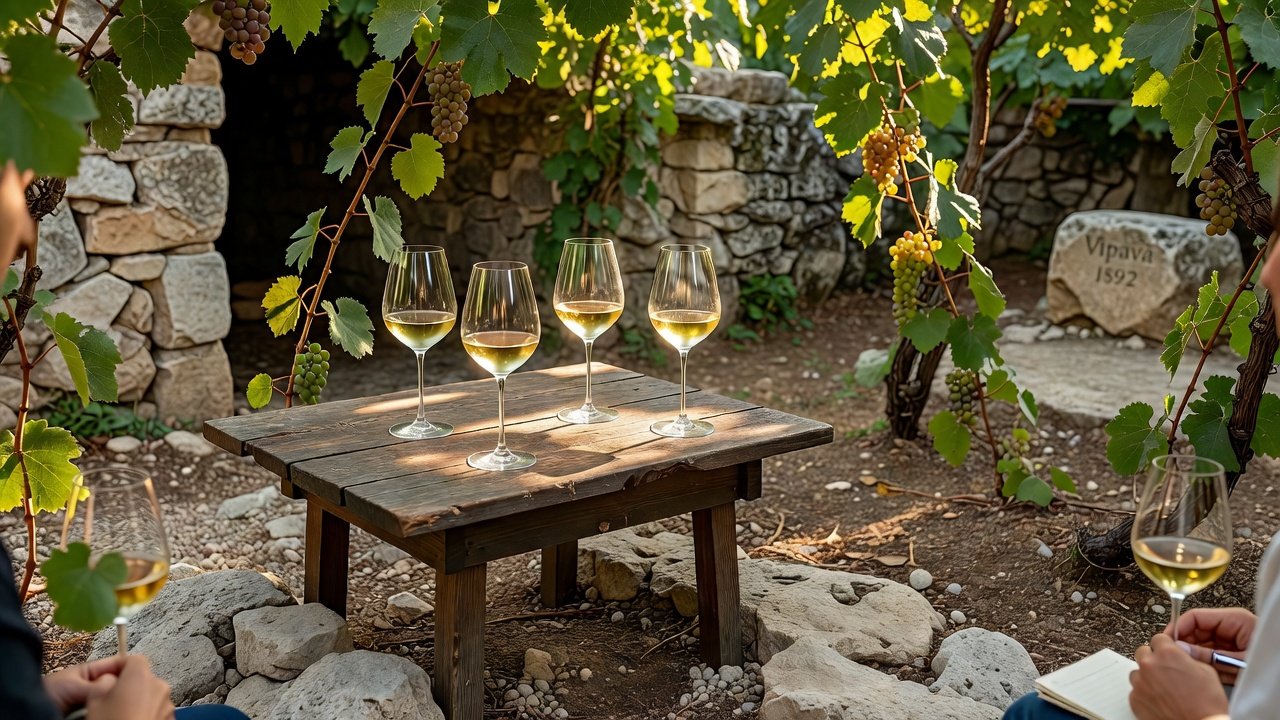
Further east, the Podravje and Posavje regions offer different expressions with more continental influences, but the western valleys remain the focus for unique, lesser-traveled tours. Each area benefits from protective mountain ranges that funnel specific airflows, creating microclimates perfect for experimental and traditional winemaking alike.
Soil Types and Climate Influences in Detail
Understanding the soils is key to appreciating Slovenian wines. In Vipava Valley, the flysch layers alternate between soft marl and harder sandstone, providing excellent drainage while retaining enough moisture during dry spells. The Bora wind, a fierce katabatic gust from the Alps, strips humidity from the grapes, reducing disease pressure and concentrating sugars and acids. This results in wines with vibrant acidity and a distinctive saline finish. In contrast, Goriska Brda's limestone-rich terraces contribute to elegant tannins and bright fruit profiles, especially in reds like Merlot and Cabernet Sauvignon blends.
Climate change considerations are also shaping 2026 planning, with producers adopting sustainable practices such as cover cropping to maintain soil health. Visitors on tours often learn how these factors interplay during guided walks that point out specific vineyard blocks and their unique expressions.
Signature Grapes and Wine Styles
Beyond the well-known international varieties, Slovenia excels with indigenous grapes. Rebula delivers citrus, almond, and wet-stone aromas, while Zelen offers floral and green apple notes with surprising structure. Red wines from the west often feature fresh cherry and herbal tones thanks to the cooling winds. Many estates experiment with skin-contact whites and minimal-intervention methods, producing natural-leaning bottles that appeal to modern palates.
2026 Wine Tour Itineraries and Tasting Routes
Planning a 2026 tour around these areas allows visitors to experience harvest-adjacent freshness in spring or full ripeness in autumn. A recommended seven-day route starts in Ljubljana, heads west to Goriska Brda for two days of terrace tastings, then continues to Vipava Valley for hikes through vineyards and cellar visits. Include stops at family-run estates where producers explain soil impacts firsthand. Day three might involve a bike ride along the Brda Wine Route, stopping at five estates for vertical tastings of the same vintage from different parcels. Days five and six in Vipava could feature a cooking class pairing local wines with regional dishes, followed by a sunset tasting overlooking the valley.
Shorter weekend options focus on one valley with guided bike tours along dedicated wine routes. Many estates offer English-speaking hosts and virtual booking for 2026 dates, making access straightforward even for first-timers. Private groups can arrange customized experiences including helicopter transfers or multi-day hikes connecting multiple valleys.
Comparisons to Famous European Wine Regions
While Vipava whites share acidity traits with Austrian Grüner Veltliner, the flysch soils add a unique saline edge absent in the Wachau. Goriska Brda reds offer the elegance of Chianti but with brighter acidity from the Bora wind, setting them apart from Tuscan counterparts. These differences make Slovenia an ideal destination for travelers seeking fresh perspectives beyond overcrowded Italian or French routes. The intimate scale of Slovenian estates also allows direct conversation with winemakers, something rarer in larger production areas.
Official Slovenian tourism resources provide maps that highlight these terroir contrasts clearly. Additional context comes from regional comparisons shared by producers who regularly visit neighboring countries for inspiration.
Practical Planning Tips and Seasonal Recommendations
Book accommodations in small villages for immersion. Spring (April-May) brings blooming vineyards and fewer crowds, while September-October coincides with harvest for the most authentic experiences. Summer offers longer daylight for extended tastings but prepare for occasional showers. Winter visits focus on indoor barrel tastings and festive pairings with local cured meats.
- Pack layers for variable mountain weather and comfortable walking shoes for vineyard trails.
- Reserve tastings in advance, especially at boutique producers with limited daily capacity.
- Consider private drivers for safety on winding roads and to enjoy multiple glasses responsibly.
- Combine wine tours with local cheese or olive oil producers for fuller regional understanding.
- Check for 2026 harvest festivals that often include live music and traditional food stalls.
Common mistakes include underestimating travel times between valleys and skipping reservations, which can lead to missed appointments at popular estates.
Transportation and Accessibility
Rental cars offer the most flexibility, though public buses connect major towns. Many routes now support e-bikes, making hilly terrain manageable for a wider range of fitness levels. Ground-floor cellars and accessible pathways are increasingly common, ensuring most visitors can participate fully in tastings and tours.
Pairing Suggestions for Visitors
Pair Rebula from Vipava with seafood or asparagus dishes to highlight its mineral freshness. Goriska Brda Malvasia complements prosciutto and aged cheeses beautifully. For reds from the region, try grilled lamb or mushroom risottos that echo the earthiness of the local soils. Advanced pairings might include smoked trout with skin-contact whites or aged beef with structured reds, demonstrating how terroir influences food compatibility. Many estates provide recipe cards or host chef collaborations for deeper exploration.
Common Mistakes to Avoid on Slovenian Wine Tours
Travelers sometimes overlook the importance of pacing, attempting too many tastings in one day and missing the nuances. Another pitfall is ignoring seasonal closures; always confirm opening hours for shoulder seasons. Finally, failing to learn basic Slovenian wine terms can hinder conversations with producers who appreciate the effort.
Frequently Asked Questions
Is Slovenia wine country beginner-friendly?
Yes. Many estates offer guided tastings with explanations in English, and routes are well-marked for self-drivers or cyclists. Start with group tours before venturing independently.
What is the best time for a wine tour?
Late spring and early autumn provide optimal weather and vineyard activity without peak summer heat or winter closures.
Are there non-alcoholic options or family-friendly stops?
Several estates produce sparkling grape juices, and many locations include scenic walks suitable for all ages, plus nearby hiking trails and farm visits.
How far in advance should 2026 tours be booked?
Popular estates fill quickly, so reservations three to six months ahead are recommended for peak periods.
Exploring Slovenia's terroir through its wines and tours reveals a country where every sip tells a story of wind, soil, and tradition. Start planning your 2026 journey to experience these hidden European gems firsthand and create lasting connections with the land and its people.
No comments yet. Be the first!