 Uncorked Conversations
Discovering the Unique Volcanic Terroir of the Canary Islands
The Canary Islands offer some of the world's most distinctive wine regions, shaped by ancient volcanic activity. This guide introduces beginners to how terroir influences wines from islands like Tenerife and Lanzarote, complete with vineyard examples, tasting notes, and practical 2026 tour advice. Volcanic soils impart mineral-driven flavors, creating wines that stand apart from those grown in limestone or clay regions. The islands' isolation has preserved ancient grape varieties, making them an emerging destination for wine enthusiasts seeking authentic experiences. The unique combination of lava flows, ash deposits, and varied altitudes creates microclimates that produce wines with exceptional acidity and complexity, appealing to both novices and connoisseurs alike.
Understanding terroir begins with recognizing how volcanic eruptions from centuries ago have left behind nutrient-poor yet mineral-rich soils. These conditions force vines to develop deep roots, concentrating flavors in the grapes. In the Canary Islands, this results in wines that often exhibit smoky, saline, or flinty notes, setting them apart from mainland Spanish varieties. Beginners will find the wines approachable due to their vibrant fruit profiles balanced by natural acidity.
Tenerife: Pico del Teide and Its Vineyard Legacy
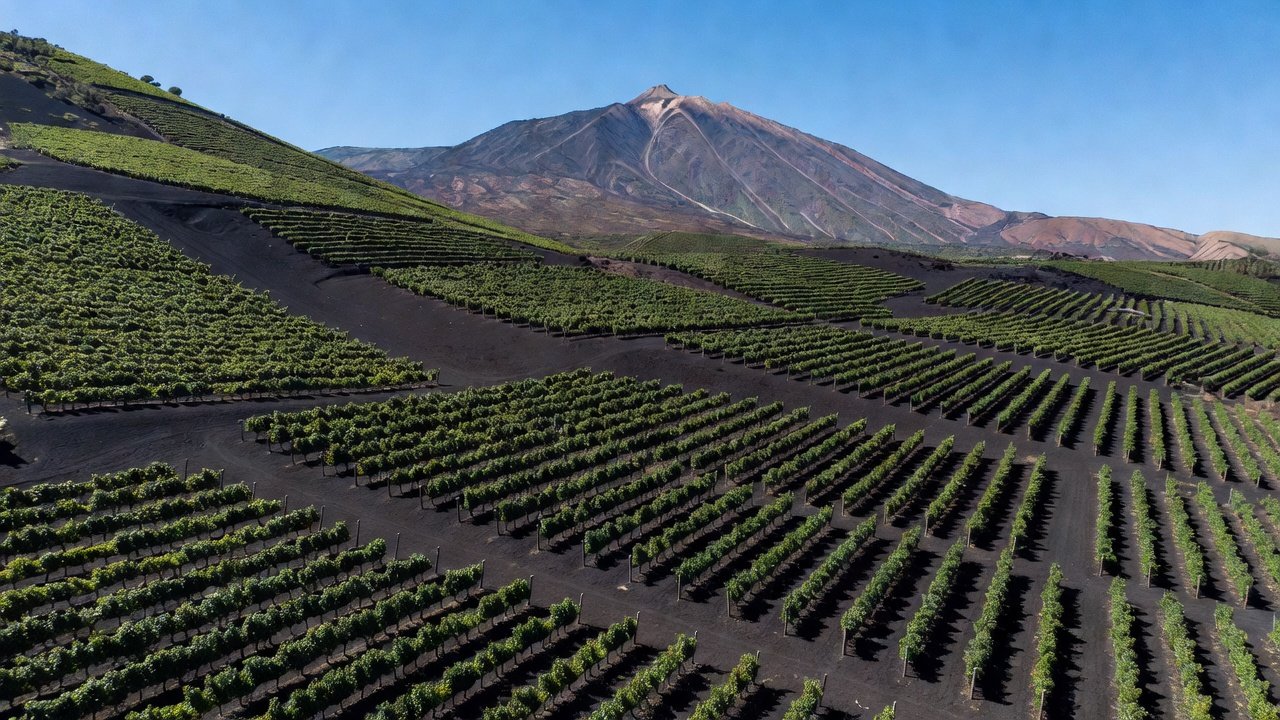
Tenerife, home to Spain's highest peak, features diverse microclimates ideal for viticulture. Vineyards cling to steep slopes around the Teide volcano, where ash-rich soils provide excellent drainage and nutrient profiles that enhance acidity in local wines. The northern slopes benefit from Atlantic moisture while the south remains drier, allowing for a wide range of grape expressions. Key examples include Bodegas Monje in the Tacoronte-Acentejo region, known for its Listán Negro reds with notes of black fruit and volcanic earth. Tasting these reveals bright acidity balanced by subtle smokiness from the terroir. Another standout is Bodegas Viñátigo, which experiments with rare local varieties like Marmajuelo, producing crisp whites that showcase citrus and herbal aromas influenced by the pumice soils.
Visitors to Tenerife can explore the DO Tacoronte-Acentejo or the higher altitude zones near Vilaflor, where cooler temperatures preserve freshness in the grapes. Practical tasting notes often highlight red fruits, earthiness, and a lingering mineral finish. These characteristics make the wines versatile for pairing with local cuisine such as papas arrugadas or fresh fish dishes. For 2026 tours, consider scheduling visits during the spring bloom when vineyards are lush and harvest preparations begin.
Lanzarote: La Geria and the Art of Volcanic Planting
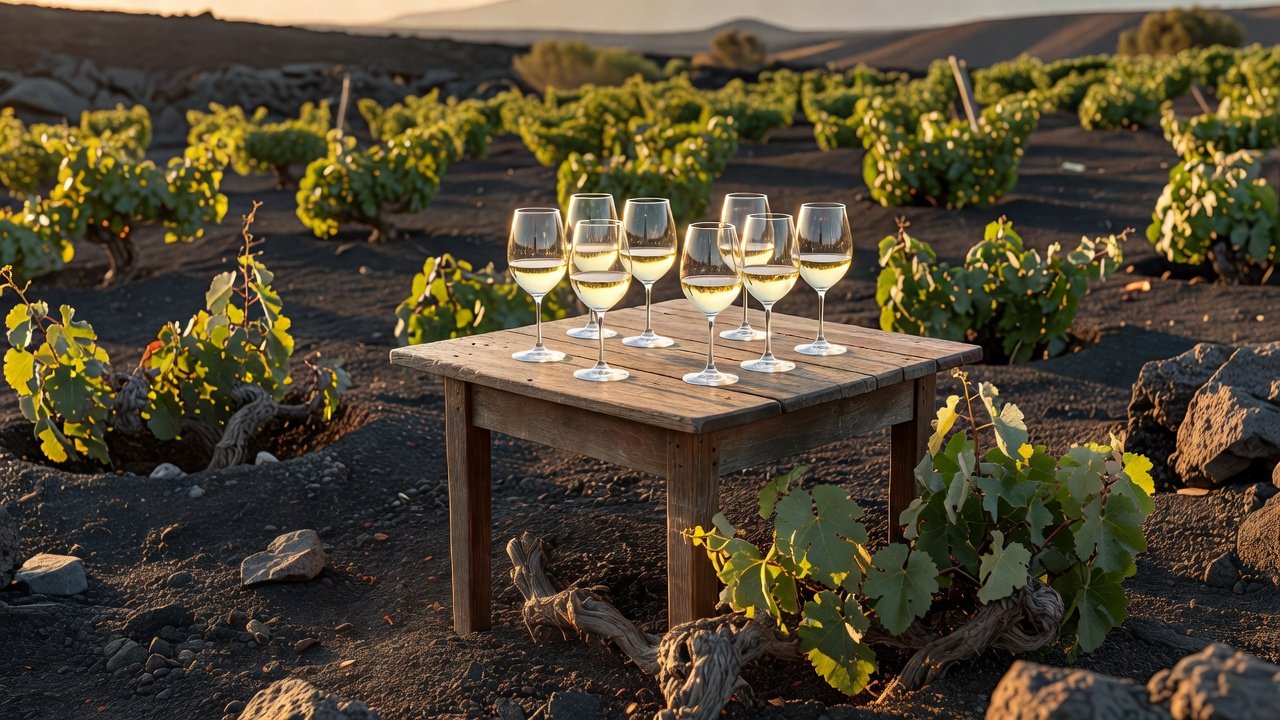
Lanzarote's landscape is dominated by black volcanic ash from the 1730-1736 eruptions. In La Geria, farmers dig deep pits called hoyos to plant vines, protecting them from harsh winds while capturing moisture. This method yields intensely aromatic wines. The island's unique dry farming techniques rely entirely on the porous volcanic gravel known as picon, which traps dew and rainfall efficiently. Try Malvasía Volcánica from producers like Bodegas El Grifo. These whites often display citrus zest, saline minerality, and a distinctive flinty finish that reflects the island's unique geology. Other notable estates include Bodegas Rubicón, offering robust reds from Listán Negro that carry undertones of dried herbs and volcanic dust.
The hoyo system not only shields young vines but also creates a microclimate that regulates temperature extremes. This traditional practice has been passed down through generations and contributes to the sustainability of Lanzarote viticulture. Tasting sessions here frequently reveal layered profiles with hints of almond, sea salt, and tropical fruit, making them ideal for beginners exploring volcanic wines.
Soil Type Comparisons Across the Islands
Understanding soil differences helps explain flavor variations. Tenerife's Pumice and Basalt: Light, porous soils promote vigorous growth and wines with vibrant fruit and herbal notes. Lanzarote's Lapilli (Picon): Fine volcanic gravel retains heat and moisture, resulting in concentrated, full-bodied expressions with earthy undertones. Shared Volcanic Traits: Both islands feature low pH soils that contribute to high acidity and aging potential, unlike the softer profiles from sedimentary soils elsewhere. These comparisons highlight why Canary wines often pair well with seafood and local cheeses. Expanding further, the basaltic layers in Tenerife allow for better water retention at higher elevations, leading to slower ripening and more nuanced tannins in reds. In contrast, Lanzarote's lapilli creates a reflective surface that increases sunlight exposure, intensifying sugar development while maintaining acidity. Beginners can appreciate these differences through side-by-side tastings that reveal how soil composition directly translates to the glass.
Practical Steps for Planning 2026 Wine Tours
Begin by researching flight connections to Tenerife South or Lanzarote airports. Book vineyard visits in advance, focusing on small producers for intimate tastings. Consider guided tours that combine multiple islands for a full terroir overview. Pack comfortable shoes for uneven volcanic terrain and check seasonal harvest schedules for hands-on experiences. Additional steps include arranging local transportation via rental cars or organized shuttles, as public options can be limited in rural vineyard areas. Research accommodations near wine routes, such as eco-lodges in La Geria or boutique stays in Tenerife's north. For 2026, monitor updates on harvest festivals through official channels to align visits with peak events. Always confirm opening hours directly with estates, as many operate on seasonal schedules influenced by weather patterns.
FAQs on Pairing Local Varietals
- What pairs with Listán Blanco? Fresh seafood or goat cheese highlights its crisp acidity.
- How does volcanic terroir affect reds? It adds structure and minerality, suiting grilled meats or tomato-based dishes.
- Are these wines suitable for beginners? Yes, their bright profiles make them approachable entry points to natural wine styles.
- Which island offers the best value for tours? Lanzarote provides more accessible walking tours due to flatter terrain in key areas.
- Can volcanic wines age well? Many show excellent potential thanks to high acidity and mineral content.
Sustainable Tours and Seasonal Events
Choose operators emphasizing low-impact practices like organic farming and zero-waste tastings. In 2026, look for events around the Vendimia harvest festivals in September, celebrating local varietals with music and pairings. Support conservation efforts that protect these fragile volcanic ecosystems for future generations. Sustainable tips include opting for carbon-neutral transport between islands and selecting producers certified for biodiversity preservation. Seasonal events often feature workshops on traditional hoyo planting or volcanic soil analysis, providing educational value alongside tastings. By prioritizing responsible tourism, visitors help maintain the integrity of these unique wine regions.
For deeper insights into global volcanic wine regions, explore resources from the International Organisation of Vine and Wine or Spain's official tourism portal at Spain.info. Additional guidance on Spanish wine heritage can be found via established agricultural references. The Canary Islands' volcanic vineyards promise unforgettable journeys into terroir-driven winemaking, offering a perfect blend of natural wonder and gastronomic discovery for all levels of enthusiasts.
No comments yet. Be the first!