 Uncorked Conversations
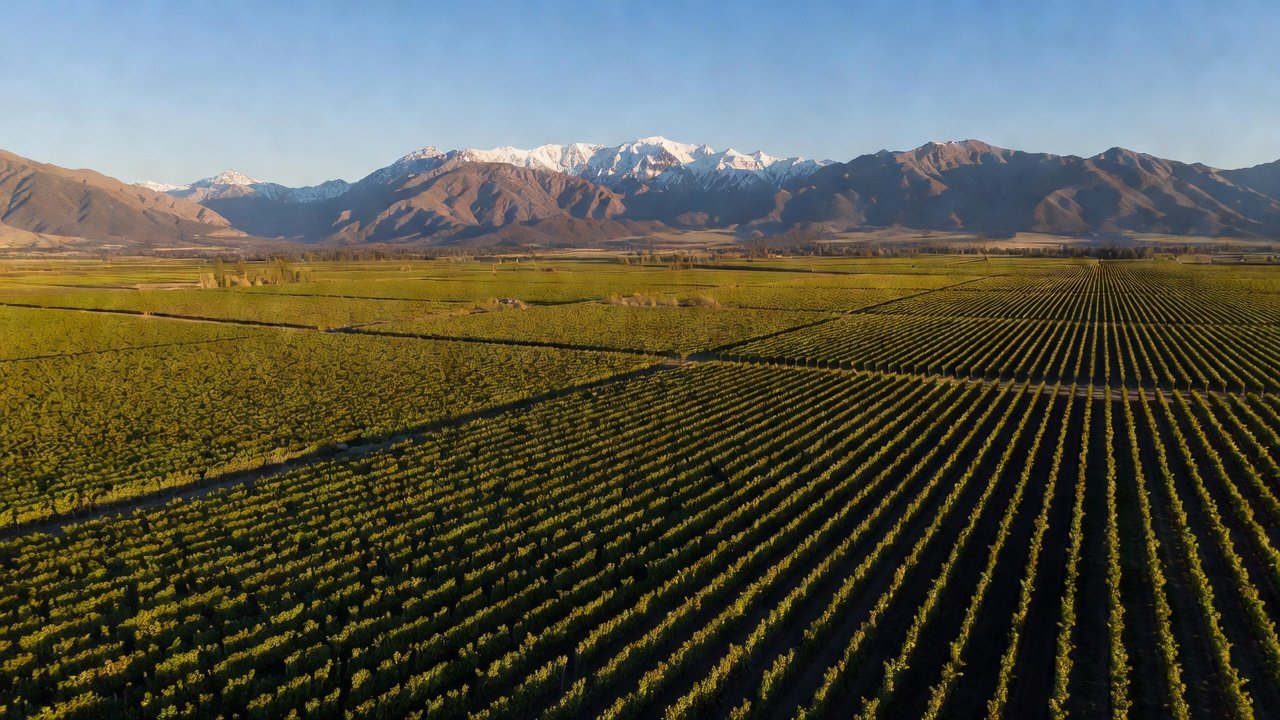
Discovering Maule Valley: Chile's Largest and Most Diverse Wine Region
Maule Valley stands as Chile's largest wine-producing area, offering travelers in 2026 an unparalleled mix of coastal, central valley, and Andean terroirs. This region produces distinctive expressions of Carmenere and Pais that set it apart from more commercialized destinations like Colchagua or Casablanca. Explorers seeking authentic experiences will find rolling hills, family-run estates, and a focus on heritage varietals that reflect centuries of viticultural tradition. The valley spans over 75,000 hectares of vineyards, making it the backbone of Chile's wine industry while remaining relatively undiscovered by mass tourism.
The varied geography creates microclimates ideal for both old-vine Pais and modern Carmenere plantings. Coastal influences bring cooling breezes that preserve acidity, while the central zones offer fertile alluvial soils perfect for robust reds, and Andean foothills provide mineral-rich, well-drained terrain that adds complexity and structure. These factors combine to shape wines with unique acidity, structure, and aromatic profiles that reward patient exploration by visitors.
Terroir Zones and Their Influence on Regional Wines
Maule's three primary zones each contribute distinct characteristics that wine enthusiasts can taste directly in the glass. Coastal areas near the Pacific benefit from morning fog and moderate temperatures, yielding elegant, high-acid wines with bright fruit and herbal undertones. Central valley sites produce fuller-bodied reds thanks to warmer days and loamy soils that encourage riper tannins. Andean-influenced vineyards at higher elevations deliver concentrated flavors from cooler nights and stony substrates that stress the vines productively.
Carmenere thrives across these zones, often showing herbal notes of green pepper and bay leaf alongside dark fruit like blackberry and plum, finished with silky tannins in Maule expressions. Pais, Chile's ancient grape brought by Spanish colonizers, finds its spiritual home here in old, dry-farmed vines that deliver rustic, vibrant reds with cherry, earth, and floral aromas perfect for everyday drinking and food pairing. These grapes respond dramatically to the local conditions, creating bottles that tell the story of their specific plot.
Further regional data from Wines of Chile confirms Maule's leadership in both volume and varietal diversity, highlighting why it deserves attention from serious wine travelers.
Standout Vineyards and Immersive Wine Tours in 2026
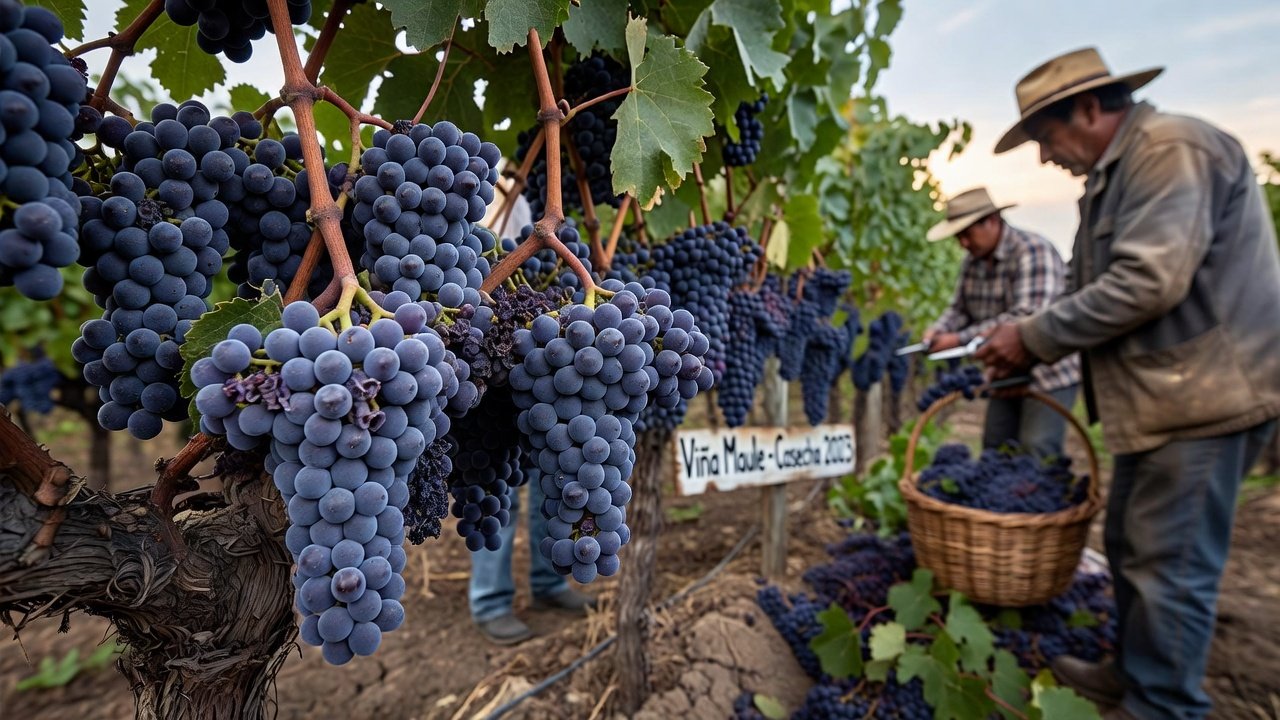
Leading estates such as Viña Casa Marín near the coast and Viña Gillmore in the central valley offer guided tastings that highlight terroir differences through side-by-side comparisons. Visitors can walk through century-old Pais vineyards or participate in harvest experiences during peak season. Many properties emphasize small-group tours limited to eight participants for intimate, educational encounters that include soil sampling and vine identification sessions.
2026 itineraries often combine multiple estates with lunch featuring local ingredients like fresh herbs and grilled meats. Tours frequently include barrel tastings of Carmenere blends and vertical flights showcasing vintage variation from different elevations. Booking in advance remains essential, especially for Andean foothill properties with limited access roads. Additional notable stops include Viña Morandé and Viña Balduzzi, where travelers can learn about traditional winemaking methods alongside modern sustainable innovations.
Seasonal Tasting Events and Sustainable Practices
Annual events like the Maule Wine Festival in March celebrate the harvest with live music, chef demonstrations, and open-air tastings across multiple estates. These gatherings allow direct interaction with winemakers and provide opportunities to sample limited-release wines not found elsewhere. Sustainable certifications are widespread, with many producers adopting organic farming, water recycling, and solar power to preserve the valley's fragile ecosystem against climate pressures.
These practices not only protect biodiversity but also enhance wine quality by promoting healthy soils and balanced vines. Travelers interested in eco-tourism will appreciate estates offering carbon-neutral tours and educational sessions on regenerative agriculture, including cover cropping and native plant restoration that improve water retention in the dry central zones.
Practical Planning Steps for First-Time Visitors
- Choose base locations in Curicó or Talca for central access to multiple zones within a short drive.
- Rent a car or join organized shuttles, as public transport between estates is limited and schedules can be unreliable.
- Plan visits during shoulder seasons (September-November or March-May) for milder weather and fewer crowds, avoiding peak summer heat.
- Pair wine tastings with regional cuisine such as empanadas de pino, pastel de choclo, or fresh seafood from nearby coastal towns like Constitución.
- Research each estate's tasting fees and reservation policies in advance to optimize your daily schedule.
Transportation, Accommodations, and Logistics
Getting around Maule requires thoughtful planning. Major airports in Santiago or Concepción serve as gateways, with rental cars providing the most flexibility for hopping between coastal and Andean sites. Several boutique hotels and eco-lodges in Talca offer comfortable bases with vineyard views, while smaller guesthouses near Curicó provide a more local immersion. Always confirm road conditions, especially after rain, as some Andean routes can become challenging.
Mistakes to Avoid on Maule Wine Trips
Common pitfalls include underestimating travel times between zones, skipping reservations at popular estates, or failing to bring cash for smaller producers who may not accept cards. Over-scheduling multiple tastings in one day can dull the palate, so build in breaks with local cheese or bread. Ignoring the impact of elevation changes on wine styles may lead to missed nuances during comparative tastings.
Budget Comparisons and Travel Tips
Maule offers more accessible pricing compared to premium regions like Casablanca, allowing travelers to experience multiple tastings and meals at a fraction of the cost found elsewhere in Chile. Self-guided itineraries provide flexibility for spontaneous stops, while guided tours add expert insights and transportation convenience. Packing layers is advisable due to temperature swings between zones, and comfortable walking shoes are essential for vineyard tours.
Frequently Asked Questions
What makes Maule Valley different from other Chilean regions?
Its scale and diversity of terroir produce a wider range of styles, particularly expressive old-vine Pais and site-specific Carmenere that reflect both heritage and innovation.
When is the best time to visit for wine tours?
Harvest season (February-April) offers the most immersive experiences with active vineyard work, though year-round tastings and events are available for flexible schedules.
Are English-speaking guides common?
Most major estates provide English tours; smaller properties may require advance requests for translation services to ensure full understanding of technical details.
How many tastings should I schedule per day?
Three to four is ideal to maintain focus and enjoyment, with meals in between to reset the palate and allow appreciation of food pairings.
Is Maule suitable for beginners or only experienced wine lovers?
The region welcomes all levels with educational tours that explain basics alongside advanced topics, making it perfect for first-time visitors seeking authentic discovery.
Further regional insights are available via Chile Travel. This comprehensive guide equips explorers with everything needed to plan an unforgettable 2026 journey through Maule's terroir-rich landscapes, ensuring meaningful connections with the land, people, and wines that define this remarkable valley.
No comments yet. Be the first!