 Uncorked Conversations
Discovering La Mancha: An Underexplored Spanish Wine Region
La Mancha stands as one of Spain's largest yet most underrated wine regions, offering visitors a chance to experience authentic terroir-driven wines without the crowds or premiums of more famous areas. Its vast plains and unique environmental conditions produce distinctive regional wines that emphasize value and education for enthusiasts seeking affordable European wine tours focused on soil, climate, and grape expression. The focus on terroir education makes La Mancha ideal for travelers interested in how soil and climate shape flavors in varieties like Airén and Tempranillo. This article delves into these elements while providing practical guidance for planning a 2026 visit, including detailed comparisons, sample itineraries, and tips for maximizing learning during tastings.
Understanding La Mancha's Unique Terroir
Terroir in La Mancha arises from a combination of high-altitude plateaus, extreme temperature swings, and specific soil compositions that influence grape development. The region's continental climate features hot, dry summers and cold winters, which help concentrate flavors in the grapes while maintaining acidity. These conditions differentiate La Mancha from coastal or mountainous Spanish zones, resulting in wines with bold structure and mineral notes. Visitors often remark on the stark landscape that seems almost austere, yet it yields surprisingly vibrant wines that reflect the land's character. Understanding this terroir begins with recognizing how elevation around 600 to 800 meters creates diurnal shifts that preserve freshness even as daytime heat builds intensity.
Soil Types That Define the Wines
La Mancha's soils primarily consist of limestone-rich chalk, sandy loam, and clay layers that provide excellent drainage and mineral retention. The chalky subsoils contribute to the crisp acidity found in many local whites, while clay helps retain moisture during dry periods for red varieties. These soil profiles support low-yield viticulture, leading to concentrated fruit character. For example, vineyards near Tomelloso feature deeper clay pockets that allow Tempranillo roots to access water reserves, resulting in wines with earthy depth. Sandy areas near Villarrobledo produce lighter, more aromatic expressions of Airén. 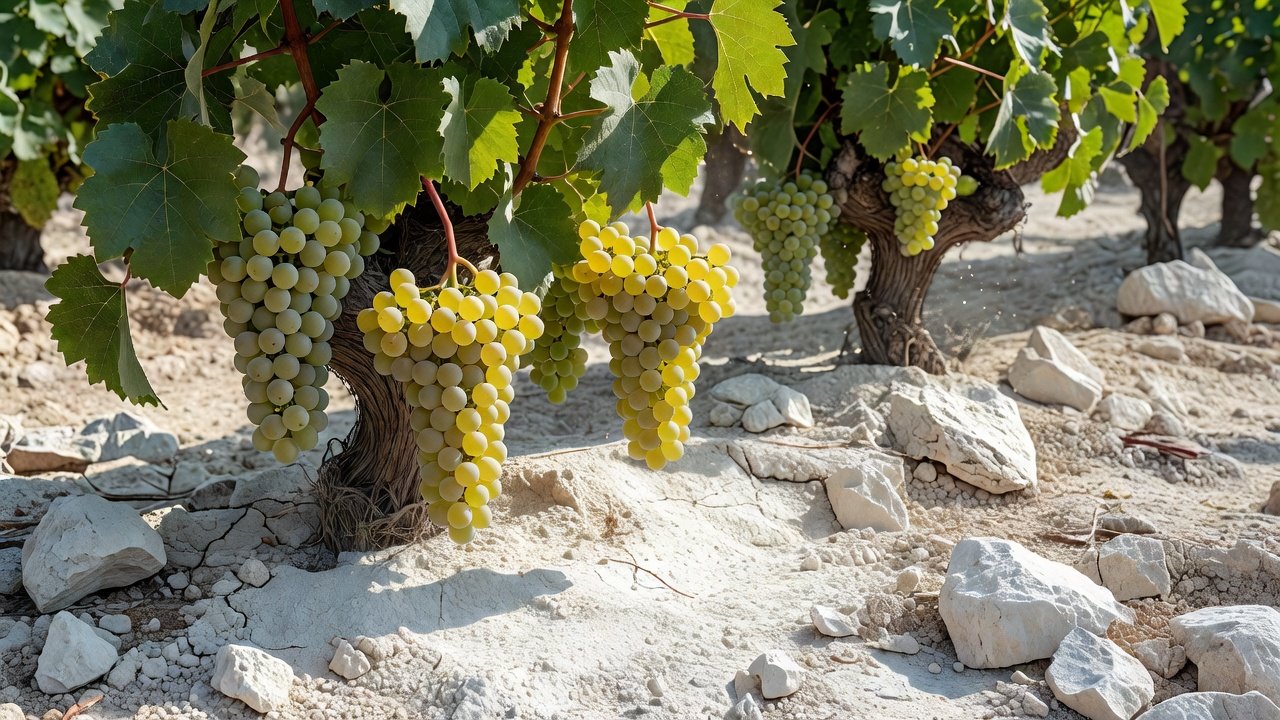
Climate Influences on Grape Varieties
The semi-arid climate with over 3,000 hours of annual sunshine accelerates ripening but also preserves freshness through cool nights. This diurnal variation is key for Airén, Spain's most planted white grape, which thrives here to produce crisp, citrus-driven wines. Tempranillo benefits similarly, developing deep color and tannins suited to both young and aged expressions. Compared to cooler northern regions, La Mancha's heat imparts riper fruit profiles with earthy undertones. The lack of rainfall encourages deep root systems, which in turn impart unique mineral signatures to the finished wines. Winemakers often note that these extremes create resilience in the vines, allowing for sustainable practices with minimal irrigation.
Key Grape Varieties: Airén and Tempranillo
Airén dominates plantings in La Mancha, yielding versatile whites that range from refreshing table wines to structured blends. Its resilience to drought makes it a staple for sustainable production. Tempranillo, known locally as Cencibel, forms the backbone of reds, offering cherry and leather notes with good aging potential. Other supporting varieties like Syrah and Cabernet Sauvignon appear in blends, but the focus remains on indigenous grapes that best express the terroir. Airén often shows notes of green apple and almond when grown on chalk, while Tempranillo from clay soils can display hints of tobacco and dark fruit. These characteristics become clearer during guided vineyard walks where soil samples are examined alongside the wines.
Standout Vineyards and Wineries
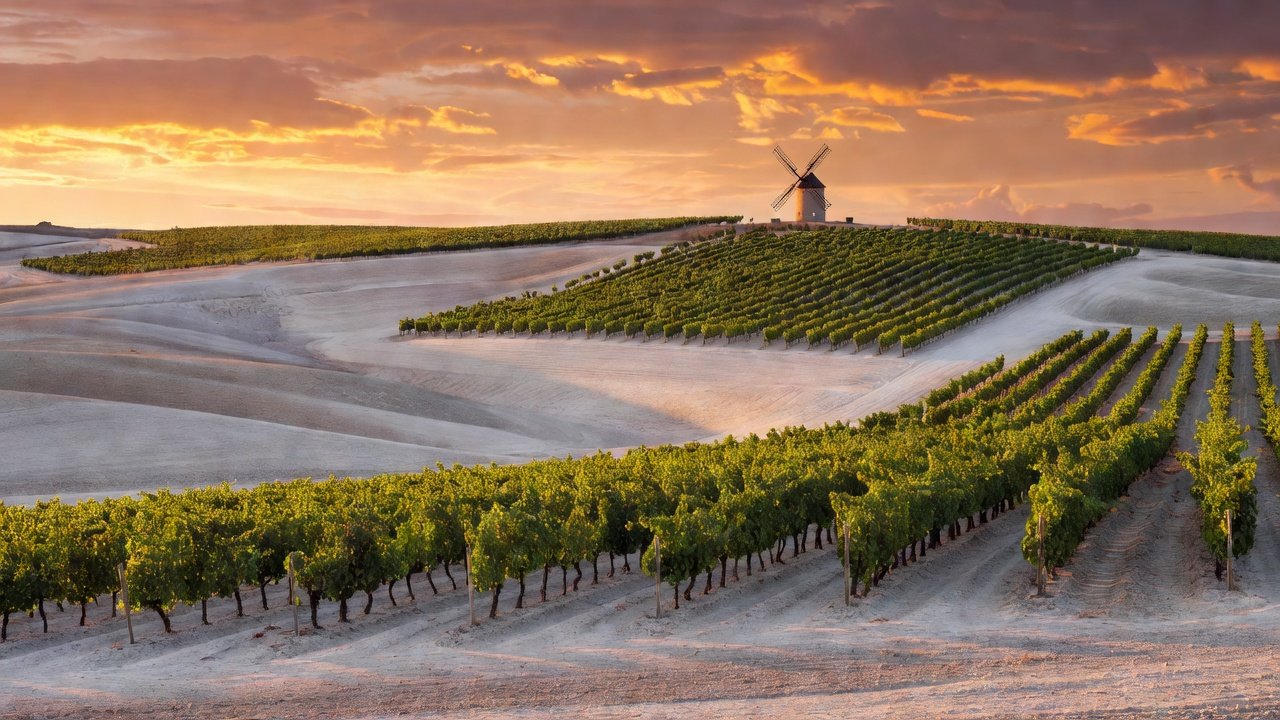
Prominent estates in La Mancha include those around the towns of Tomelloso and Villarrobledo, where traditional methods meet modern techniques. Many offer tours highlighting the vast vineyard expanses and historic windmills that dot the landscape. These properties emphasize small-batch production, allowing visitors to taste wines directly from the source. For instance, family-run operations near Alcázar de San Juan provide hands-on sessions explaining fermentation choices and how local soils affect final acidity levels. Larger cooperatives also welcome groups, demonstrating large-scale yet quality-focused approaches that keep regional wines accessible.
La Mancha Versus Rioja: Key Differentiations
While Rioja Wine is renowned for its oak-aged Tempranillo with elegant complexity, La Mancha delivers more approachable, fruit-forward styles at lower price points. Rioja's Atlantic-influenced climate creates fresher acidity, whereas La Mancha's continental extremes yield riper, earthier wines. This makes La Mancha preferable for budget-conscious travelers focused on terroir exploration rather than prestige labels. Additional differences include La Mancha's larger scale allowing greater experimentation with aging vessels like concrete eggs, versus Rioja's traditional oak dominance. Spain's official tourism site highlights both regions for complementary itineraries that let visitors contrast the two in one trip. The value proposition in La Mancha also extends to food pairings, where local cheeses and game meats match the bolder profiles without needing expensive accompaniments.
Planning Your 2026 La Mancha Wine Tour Itinerary
A well-structured five-day tour allows immersion in the terroir. Begin in Madrid for easy access, then travel south to base in Alcázar de San Juan. Day 1 involves arrival and an introductory tasting at a central winery focusing on Airén, where guides explain soil influence. Day 2 features a vineyard walk examining soil profiles and climate effects, including hands-on root inspections. Day 3 covers Tempranillo-focused estate visits with barrel sampling and discussions of aging techniques. Day 4 includes a comparison tasting session and regional market exploration to taste local produce. Day 5 offers departure with an optional picnic among the vines for reflective tasting. Book in advance for harvest-adjacent months like September or October to witness peak activity. Consider adding a sixth day for side trips to nearby historic sites that provide cultural context for the wines.
Tasting Recommendations for Terroir Education
Start with young Airén wines to appreciate citrus and almond notes influenced by chalk soils. Progress to Tempranillo crianza styles for insights into oak interaction. Pair with local Manchego cheese to highlight how regional foods complement the wines. Many estates provide guided sessions explaining each element's role in the final glass. Advanced recommendations include vertical tastings of the same vineyard across vintages to observe climate impact year to year. Beginners should request explanations of pH levels and how they relate to perceived freshness, turning each sip into a lesson in terroir.
Beginner FAQs on Planning La Mancha Visits
- How do I reach the region? High-speed trains from Madrid reach key towns in under two hours, with rental cars recommended for vineyard hopping.
- What is the best time for vineyard tours? Spring and fall offer mild weather ideal for outdoor education, avoiding summer heat.
- Are English-speaking guides available? Most major wineries accommodate international visitors with multilingual staff trained in terroir topics.
- Can I combine with other regions? Yes, easy extensions to nearby areas enhance the overall Spanish wine experience and allow direct comparisons.
- What should I bring for tastings? Notebook for notes, comfortable shoes for vineyard walks, and an open mind for learning rather than just sipping.
Conclusion: Embracing Affordable Terroir-Focused Wine Travel
La Mancha offers an accessible gateway to understanding Spanish regional wines through its distinctive terroir. With thoughtful planning, 2026 visitors can enjoy educational tours that emphasize quality and value, setting the stage for deeper appreciation of Europe's diverse wine landscapes. The region's combination of scale, unique soils, and climate creates opportunities for memorable, informative experiences that rival more celebrated destinations at a fraction of the cost.
No comments yet. Be the first!