 Uncorked Conversations
Introduction to Baja California's Emerging Wine Scene
Baja California stands out as a fresh alternative for wine enthusiasts tired of oversaturated European destinations. Its unique terroir, shaped by Pacific Ocean breezes and granite-rich soils, produces distinctive wines that rival more famous regions. This beginner-friendly guide explores the key influences, sub-regions, signature grapes, and practical 2026 vineyard tour itineraries to help you plan an unforgettable visit. Travelers from around the world are increasingly drawn to this Mexican peninsula because it combines world-class viticulture with rugged natural beauty and a relaxed pace that feels worlds away from crowded chateaus in France or Italy.
The region's wine industry has grown rapidly over the past two decades, offering travelers authentic experiences amid stunning landscapes. Whether you're new to wine or seeking comparisons to established areas like Tuscany or the Rhône Valley, Baja delivers approachable yet complex flavors that highlight both Old World structure and New World fruit vibrancy. By 2026, the area expects continued growth in sustainable practices and boutique wineries, making it an ideal time to explore.
Understanding Terroir Influences in Baja California
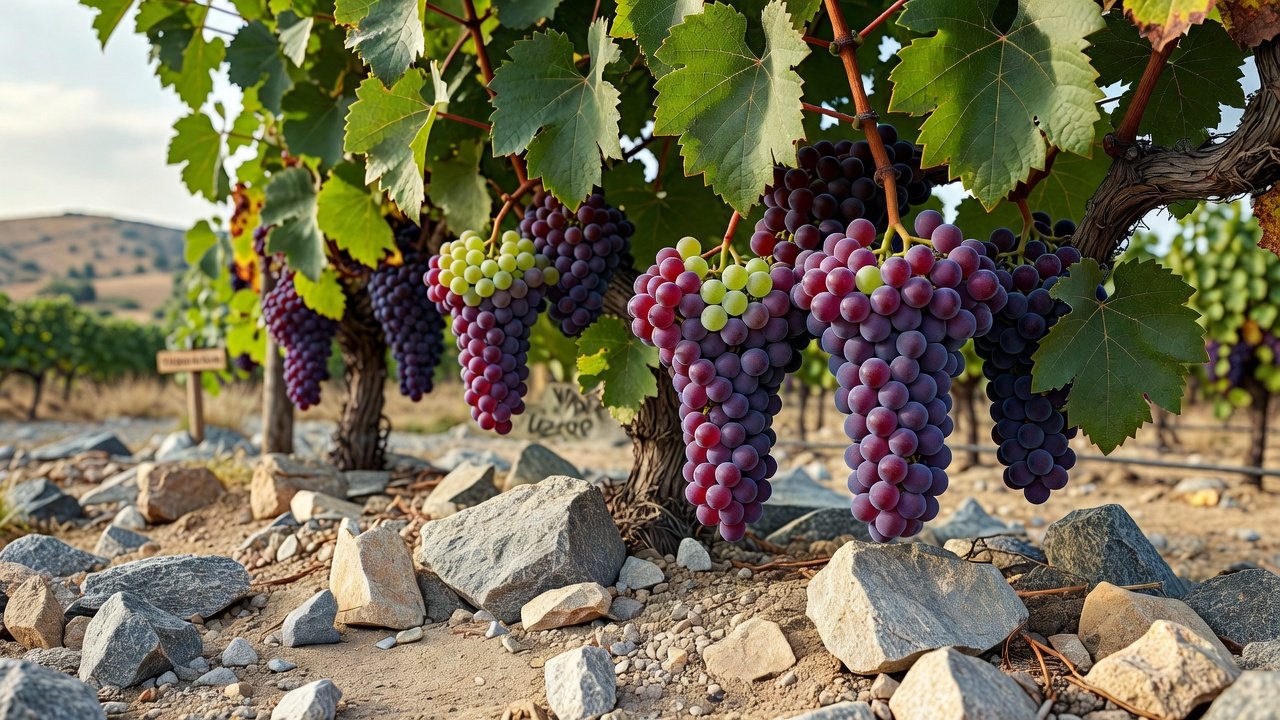
Terroir refers to the environmental factors that give wine its unique character. In Baja, cool Pacific breezes moderate temperatures, preserving acidity in grapes while granite soils provide excellent drainage and mineral notes. These elements create wines with bright fruit, subtle earthiness, and vibrant structure unlike heavier styles from inland valleys. The ocean's influence brings morning fog that cools vines during hot summer days, while granite and decomposed rock soils force roots to dig deep for nutrients, resulting in concentrated flavors and elegant tannins.
Granite soils, prevalent in many vineyards, contribute to elegant tannins and a sense of place. Combined with the maritime climate, this terroir supports both red and white varieties that express freshness and balance. For instance, the constant breeze reduces disease pressure, allowing many producers to farm organically without heavy intervention. This natural advantage creates wines that feel alive and expressive, with layers of salinity and herbal notes that reflect the coastal proximity.
Key Sub-Regions: Spotlight on Valle de Guadalupe and Beyond
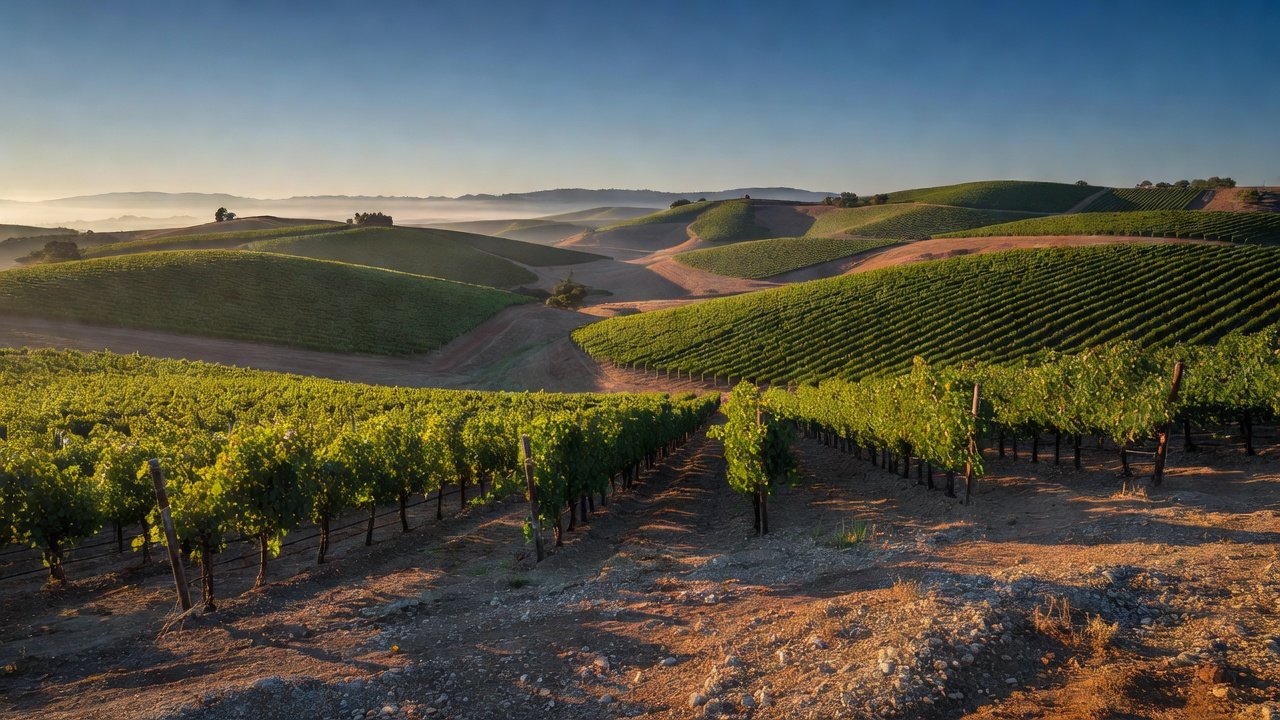
Valle de Guadalupe serves as the heart of Baja's wine country. Located about 90 minutes from San Diego, this valley benefits from the same granite soils and ocean influence, yielding world-class wines. Other emerging areas include Valle de Santo Tomás, known for its cooler pockets ideal for aromatic whites, and Valle de San Vicente, where warmer exposures produce bolder reds. Each sub-region offers slight variations in microclimates that reward curious visitors willing to venture beyond the main valley.
Valle de Guadalupe features rolling hills dotted with boutique wineries. The sub-region's signature style leans toward elegant reds with herbal and mineral undertones. Smaller enclaves like Ejido El Porvenir add diversity with high-elevation plots that yield intense, age-worthy wines. Exploring these areas reveals how even short distances can dramatically change a wine's profile due to shifts in elevation and wind exposure.
Signature Grapes: Nebbiolo, Grenache, and Supporting Varieties
Nebbiolo thrives here, producing lighter, more fruit-forward expressions than in its native Piedmont. Expect aromas of cherry, rose, and earth with silky tannins that make the wines enjoyable young. Grenache adapts beautifully to the breezy conditions, yielding juicy reds with strawberry, spice, and pepper notes that highlight the granite influence. These two grapes form the backbone of many standout bottlings, yet winemakers also experiment successfully with Syrah, which gains peppery lift from the cooling winds, and Tempranillo, which shows bright cherry and leather characteristics.
White varieties such as Chenin Blanc and Sauvignon Blanc also excel, delivering crisp acidity and citrus zest that pair perfectly with local seafood. Tasting side-by-side flights at local wineries quickly demonstrates how the shared terroir unifies these diverse grapes while still allowing each to express its personality.
Comparing Local Styles to Established Wine Regions
Baja's Nebbiolo offers a fresher take compared to Italy's structured Barolos, with more immediate drinkability and less aggressive tannins. Grenache here echoes Rhône Valley profiles but with brighter acidity from Pacific cooling, often showing more red fruit than the darker, earthier examples from France. These differences make Baja wines ideal for those exploring alternatives to traditional European spots. The granite influence adds a distinctive mineral thread that sets the wines apart from both California and European counterparts, creating a hybrid style that feels both familiar and novel.
Many sommeliers note that Baja reds age gracefully for five to eight years, developing secondary aromas of dried herbs and leather while retaining their signature freshness. This balance appeals to collectors seeking value-driven alternatives to pricier imports. For deeper context on global terroir, visit Visit Mexico.
2026 Vineyard Tour Itineraries with Tasting Stops
Plan a three-to-five-day itinerary starting in Valle de Guadalupe. Day 1 focuses on Nebbiolo-centric estates with morning tastings and afternoon vineyard walks. Day 2 shifts to Grenache producers, incorporating lunch pairings featuring regional ingredients. Day 3 extends to Santo Tomás for cooler-climate whites and a sunset tasting. Days 4 and 5 allow time for San Vicente exploration or relaxed repeat visits to favorite wineries. Include stops at family-run spots for intimate barrel tastings and conversations with winemakers.
Always book ahead, as 2026 demand is expected to rise with new sustainable practices and festival events. Consider guided tours that handle transportation between sites, leaving you free to focus on the wines and scenery.
Practical Steps for Planning Your Visit
Research transportation options like rental cars or guided shuttles from Ensenada or Tijuana. Check seasonal availability and pack layers for variable weather, including comfortable walking shoes and sunscreen. Focus on mid-week visits to avoid crowds and secure reservations at popular tastings. Budget for tasting fees that typically range from complimentary with purchase to modest per-person charges, and factor in meals at on-site restaurants known for fresh, local cuisine.
- Step 1: Identify your wine preferences (reds vs. whites) and research producers specializing in those grapes.
- Step 2: Map wineries by grape variety and proximity to create efficient daily routes.
- Step 3: Arrange accommodations near the valley, preferring eco-lodges that emphasize sustainability.
- Step 4: Review pairing ideas in advance and consider dietary needs for meal stops.
- Step 5: Download offline maps and confirm winery hours, as some close mid-week for harvest or events.
FAQ: Weather, Food Pairings, and Visitor Essentials
What is the weather like for vineyard visits?
Baja enjoys mild Mediterranean conditions year-round, with cool mornings and warm afternoons ideal for outdoor tastings. Summers stay comfortable thanks to ocean breezes, while winter visits offer crisp air perfect for indoor barrel rooms.
Which foods pair best with local wines?
Nebbiolo pairs excellently with grilled meats or tomato-based dishes, while Grenache complements seafood tacos or cheese plates common in regional cuisine. Fresh Baja ingredients like octopus and olives elevate the experience further. For authoritative pairing resources, check Decanter.
Are there any common mistakes first-time visitors should avoid?
Over-scheduling too many tastings in one day leads to palate fatigue. Instead, limit visits to three or four wineries daily. Also, confirm reservation policies, as some estates require advance booking even during shoulder seasons.
Additional insights on Mexican wine regulations appear at Mexican Tourism Secretariat.
Conclusion
Baja California's terroir offers an exciting frontier for wine lovers seeking authentic, terroir-driven experiences. With thoughtful planning, your 2026 tour can reveal the magic of Pacific-influenced granite soils and standout grapes like Nebbiolo and Grenache. The combination of dramatic landscapes, innovative producers, and approachable hospitality creates memories that last long after the final sip. Start exploring today for a memorable, crowd-free alternative to classic destinations and discover why this region continues to capture the attention of global wine travelers.
No comments yet. Be the first!