 Uncorked Conversations
Introduction to Texas Hill Country Terroir
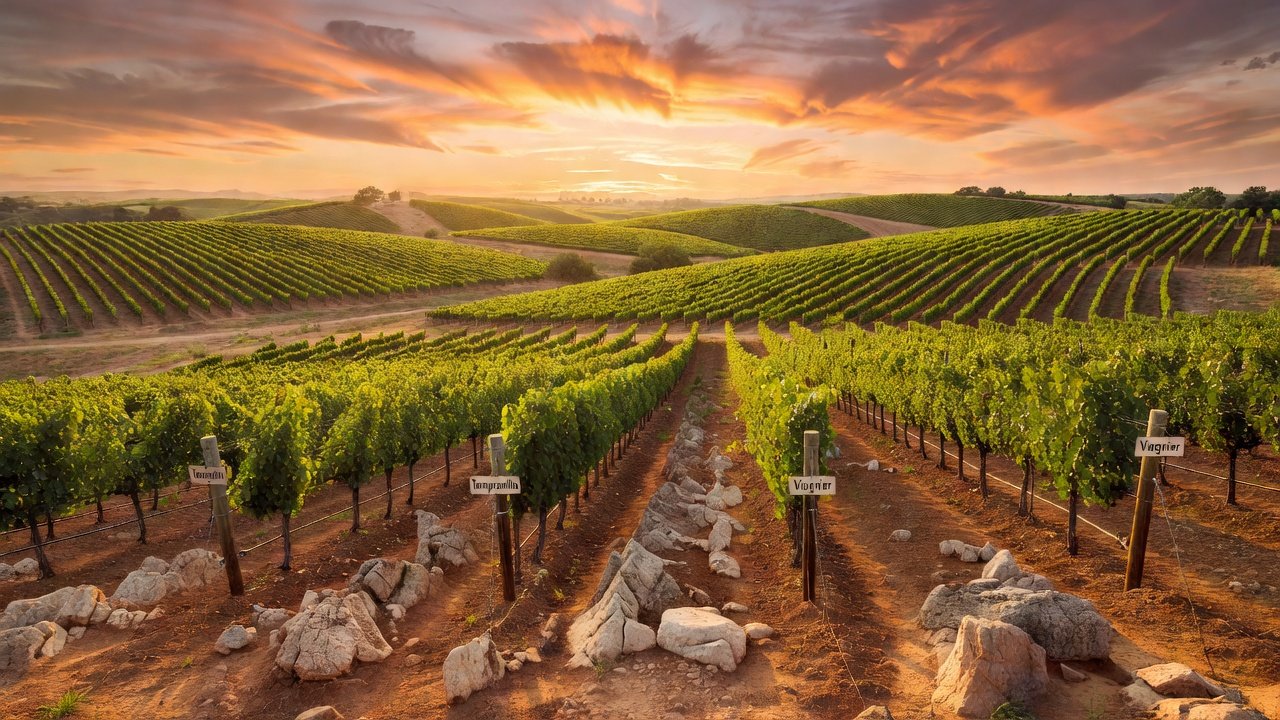
The Texas Hill Country stands out as a distinctive wine region where ancient limestone soils shape the character of local wines. This area, spanning central Texas, benefits from a unique combination of geology, climate, and elevation that produces robust reds and aromatic whites. In 2026, vineyard tours offer visitors an immersive way to experience these elements firsthand through sustainable practices and scenic tastings. The region’s rolling hills and clear rivers create an inviting backdrop for wine enthusiasts seeking something beyond the well-known California or European destinations.
Terroir refers to the environmental factors that influence grape growth, including soil, topography, and weather. Here, the limestone-rich ground imparts minerality and structure to varietals such as Tempranillo and Viognier, setting them apart from wines produced elsewhere. Understanding this terroir helps explain why Hill Country wines often display bright acidity and earthy undertones that pair well with local cuisine.
The Limestone Terroir and Its Impact on Regional Wines
Limestone dominates the soil profile across much of the Hill Country, formed from ancient seabeds millions of years old. This porous rock provides excellent drainage while retaining essential minerals that vines absorb. The result is wines with bright acidity, elegant tannins, and notes of stone fruit or earth. Additional soil components like clay and gravel layers further influence root development and water retention during dry spells.
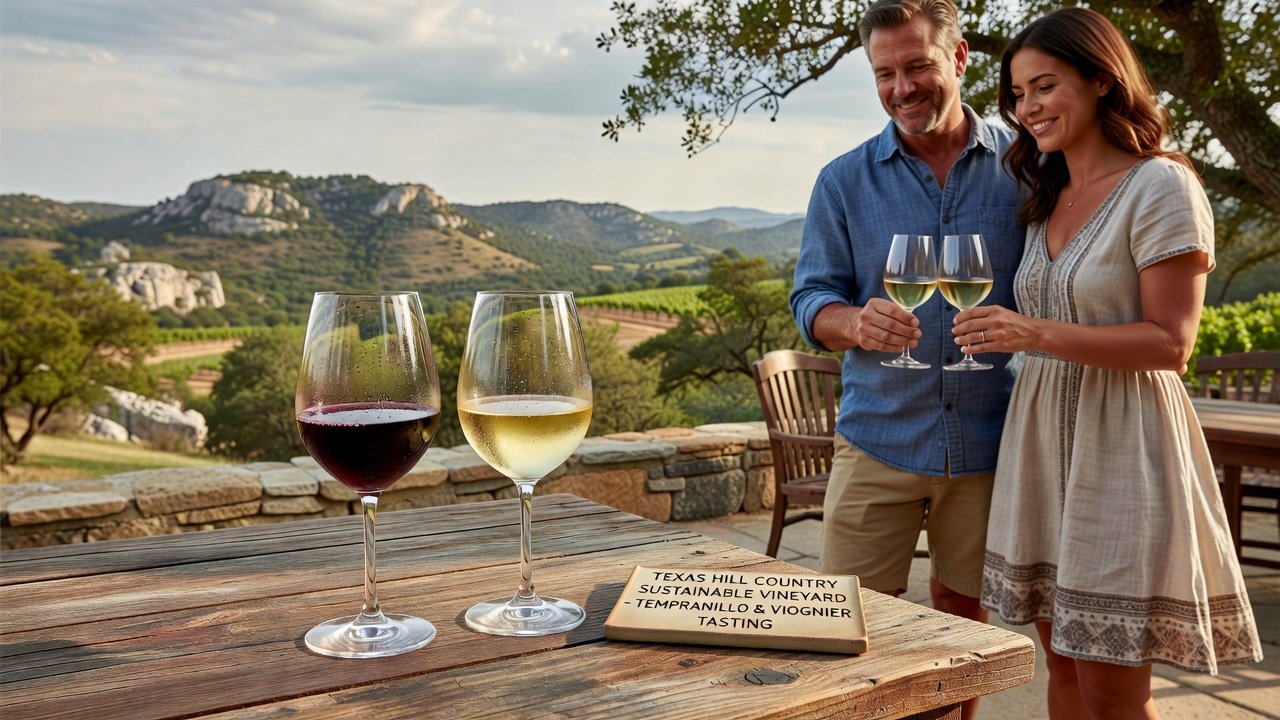
Tempranillo thrives in these conditions, yielding bold expressions with cherry and leather aromas alongside subtle spice. Viognier, meanwhile, develops floral and apricot profiles enhanced by the mineral backbone. Winemakers often highlight these traits through minimal intervention techniques that let the terroir speak clearly. Climate plays a supporting role, with hot days moderated by cool evening breezes from the Edwards Plateau that help grapes retain acidity.
Geological studies from USGS confirm the prevalence of Edwards Plateau limestone, which contributes to the region's distinctive wine profile. This foundation creates a natural contrast to more fertile soils found in other American wine areas.
Comparisons to California Terroir
While California regions like Napa Valley feature volcanic and alluvial soils, Texas Hill Country's limestone offers a contrasting foundation. California wines often display riper fruit due to warmer, more consistent climates, whereas Hill Country expressions emphasize freshness and minerality from variable elevations and limestone influence. The diurnal temperature swings in Texas are more pronounced, leading to slower ripening and higher natural acidity in the grapes.
Both areas support Mediterranean-style grapes, but Texas benefits from cooler nights that preserve acidity. This makes Hill Country wines ideal for pairing with spicy or grilled foods, unlike the richer styles common in parts of California. For example, a Texas Tempranillo might show more herbal and mineral notes compared to a California counterpart that leans toward jammy fruit. These differences make the Hill Country an exciting alternative for travelers exploring lesser-known American wine regions.
Emerging Vineyards and Standout Examples
Several wineries exemplify the terroir's potential. Sites like those along the Texas Wine Trail showcase Tempranillo from limestone slopes and Viognier from higher elevations. These producers focus on sustainable farming, including cover cropping and water conservation, to maintain soil health. Newer vineyards are experimenting with additional varietals such as Mourvèdre and Roussanne to further highlight the limestone influence.
Visitors in 2026 can tour facilities that integrate solar power and biodiversity initiatives, ensuring the landscape remains vibrant for future harvests. Examples include family-owned operations that have transitioned to organic practices, resulting in wines that express both the land and thoughtful stewardship.
Curated 2026 Vineyard Tours Highlighting Sustainability
Tour operators curate experiences that combine education with enjoyment. Expect guided walks through vineyards, tastings of single-vineyard bottlings, and discussions on eco-friendly practices. Many routes emphasize scenic drives through rolling hills dotted with wildflowers and native grasses. Sustainable elements, such as organic certification and wildlife corridors, feature prominently in itineraries.
These tours often include stops at multiple wineries, allowing comparison of how terroir varies even within short distances. Participants learn about water management techniques and pollinator-friendly planting that protect the delicate limestone ecosystem. Some tours incorporate farm-to-table lunches using ingredients grown on-site.
Practical Steps for First-Time Visitors
Planning a trip starts with researching the best seasons. Spring and fall offer mild weather ideal for outdoor tastings. Book tours in advance, especially for popular sustainable-focused experiences. Research transportation options, as many wineries are spread across rural roads.
- Choose comfortable footwear for vineyard walks on uneven limestone terrain.
- Pack layers, as temperatures fluctuate between day and night.
- Designate a driver or opt for shuttle services provided by many tour companies.
- Sample local cheeses and charcuterie to complement the wines during tastings.
- Review winery sustainability reports online before visiting to align with personal values.
Beginners should start with introductory tastings before progressing to more detailed vineyard tours. Always check winery websites for current availability and any required reservations. Consider joining a multi-day tour package that includes lodging recommendations and educational seminars on Texas geology.
History of Winemaking in the Texas Hill Country
Winemaking in the region dates back to the 1800s when European settlers planted vines alongside fruit orchards. The limestone soils proved surprisingly suitable despite the challenging climate. Modern revival began in the late twentieth century with pioneers recognizing the potential for quality wines. Today the area boasts dozens of wineries contributing to Texas’s growing reputation as a serious wine-producing state.
Mistakes to Avoid on Your Visit
Common pitfalls include underestimating travel times between wineries and skipping hydration during hot afternoons. Another mistake is overlooking the importance of reservations, which can lead to disappointment at popular tasting rooms. Finally, avoid assuming all Hill Country wines taste alike; terroir variations reward careful tasting and note-taking.
FAQs on Seasonal Tour Planning and Pairing Tips
When is the best time to visit for 2026 tours?
Peak seasons run from March to May and September to November. These periods align with pleasant weather and harvest activities, maximizing scenic views and tour options.
What foods pair well with Texas Tempranillo and Viognier?
Tempranillo pairs beautifully with grilled meats, enchiladas, or aged cheeses. Viognier complements seafood, poultry dishes, or spicy Asian cuisine. The limestone-driven acidity cuts through rich flavors effectively.
Are tours suitable for beginners?
Yes, many operators offer beginner-friendly sessions with clear explanations of terroir and winemaking. Start with group tastings to build knowledge before private tours.
How does weather affect 2026 tour schedules?
Spring storms or fall heat waves can occasionally alter outdoor tastings. Tour companies provide flexible rescheduling and covered pavilion options to ensure comfort regardless of conditions.
Conclusion
The Texas Hill Country's limestone terroir delivers wines of remarkable character that reward exploration. With thoughtful 2026 tours emphasizing sustainability, visitors gain deep appreciation for this lesser-known region. Whether comparing styles to California or discovering new pairings, the area offers memorable experiences for all wine enthusiasts. Plan ahead to fully immerse in its scenic and flavorful offerings, and return home with a greater understanding of how soil and climate create distinctive regional wines.
No comments yet. Be the first!