 Uncorked Conversations
Introduction to Bekaa Valley's Unique Terroir
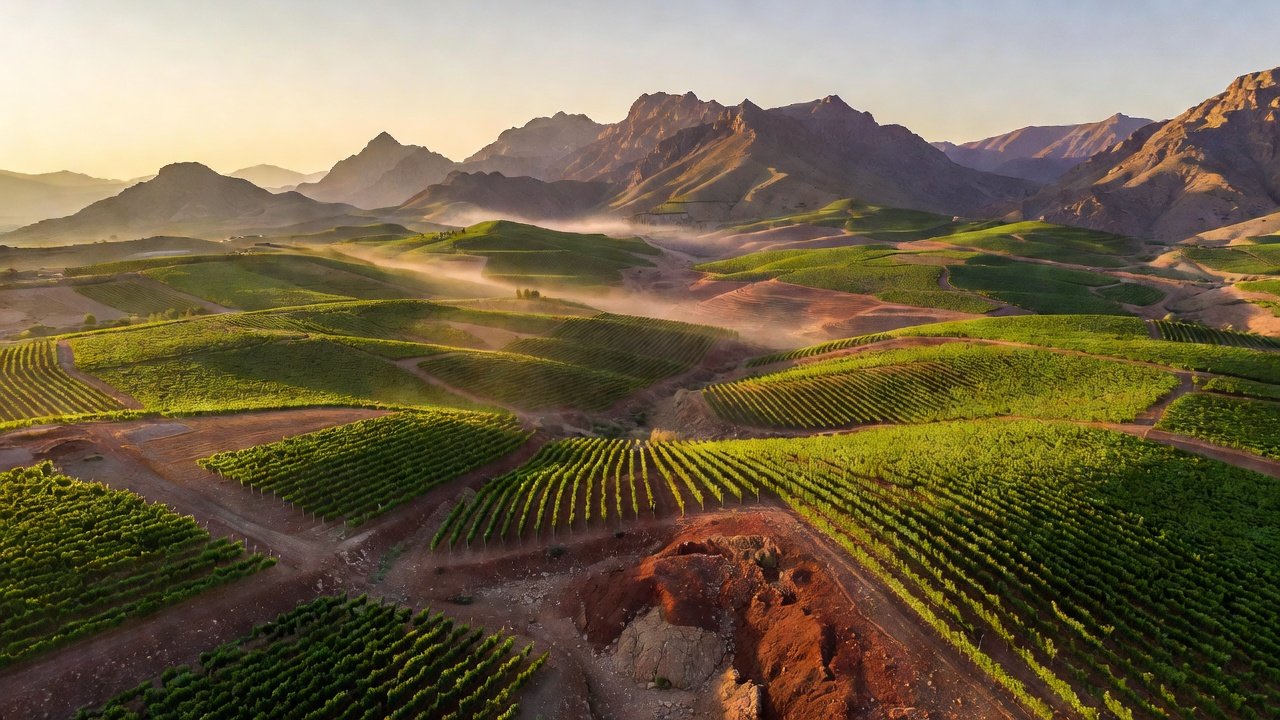
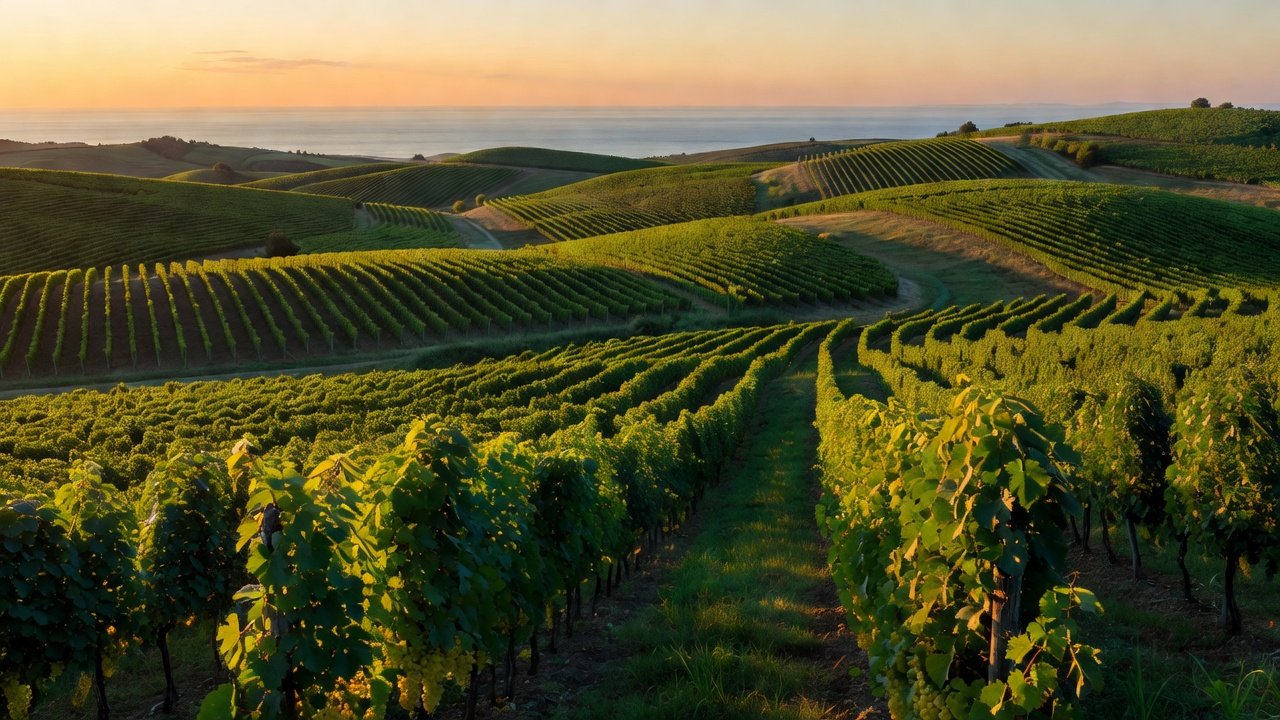
Lebanon's Bekaa Valley stands out as an emerging destination for wine enthusiasts in 2026, blending ancient soils with high-altitude vineyards that yield distinctive reds and whites. Shaped by Mediterranean and continental climates, this region offers terroir-driven experiences that rival more established areas while remaining refreshingly undiscovered. The valley stretches across fertile plains between the Mount Lebanon and Anti-Lebanon ranges, creating a natural corridor that has supported viticulture for thousands of years. Travelers drawn to authentic, less commercialized wine regions will appreciate how the Bekaa combines geological depth with modern hospitality, delivering wines that express both power and finesse.
Its appeal lies in the untouched quality of the landscape. Ancient soils rich in limestone and clay contribute to the bold character of local wines. Travelers seeking authentic encounters will find harvest visits and tastings particularly rewarding, as the region continues to gain attention among those looking beyond traditional European or American wine routes.
The Terroir: Soils, Altitude, and Climate Influences
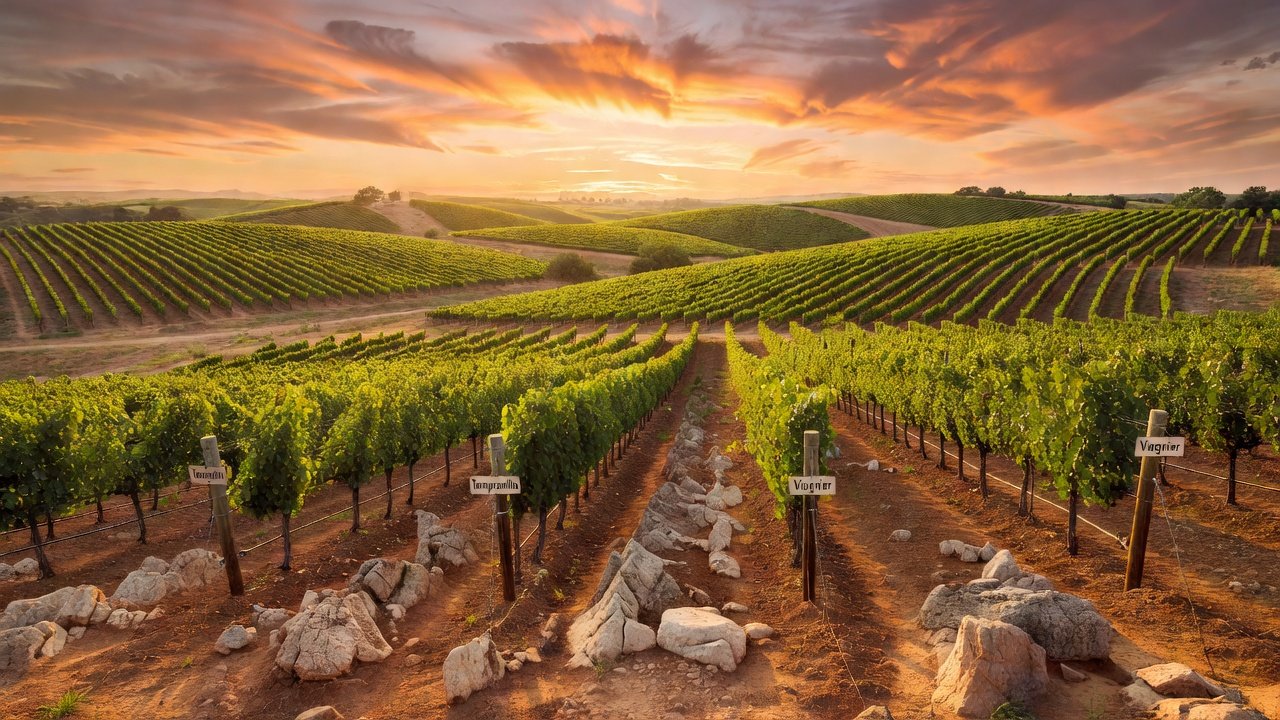
Bekaa Valley vineyards sit at elevations between 900 and 1,500 meters, creating cooler nights that preserve acidity in grapes. This high altitude, combined with the valley's east-west orientation, allows for optimal sun exposure during the day while protecting vines from excessive heat. The soils here date back millennia, featuring layers of alluvial deposits, volcanic elements, and limestone that foster complex mineral flavors in the finished wines. These geological features are key to the region's identity, producing grapes with concentrated aromas and balanced structure.
The Mediterranean influence brings warm, dry summers ideal for ripening, while continental winters provide necessary dormancy periods. These factors result in robust Cabernet Sauvignon and Syrah reds alongside crisp Sauvignon Blanc and Chardonnay whites. Compared to Bordeaux's maritime climate or California's varied zones, Bekaa offers a hybrid profile that produces wines with both power and elegance. Britannica's overview of the Bekaa Valley highlights its geological significance. Additional context on Lebanon's broader landscape appears in Britannica's Lebanon entry, underscoring the valley's role in national agriculture.
Top Wineries: Chateau Ksara and Massaya
Chateau Ksara, one of Lebanon's oldest producers, exemplifies the valley's heritage with its underground caves for aging. Visitors often praise its structured reds that reflect the terroir's mineral notes, particularly its Cabernet Sauvignon and blends that show notes of dark fruit and earth. The estate's historic cellars provide a tangible connection to centuries of winemaking tradition.
Massaya stands out for its innovative approach, blending traditional methods with modern techniques. Its boutique setting makes it perfect for intimate tastings where guests can sample rosés and full-bodied reds while learning about sustainable practices. Both wineries welcome 2026 travelers for guided experiences that showcase the full winemaking process from vine to bottle. Other notable estates include Chateau Musar, known for long-aging reds, and Domaine des Tourelles, which emphasizes organic approaches. Each contributes unique expressions influenced by the same ancient soils, allowing visitors to compare styles within a short drive.
Immersive Wine Tours and Experiences
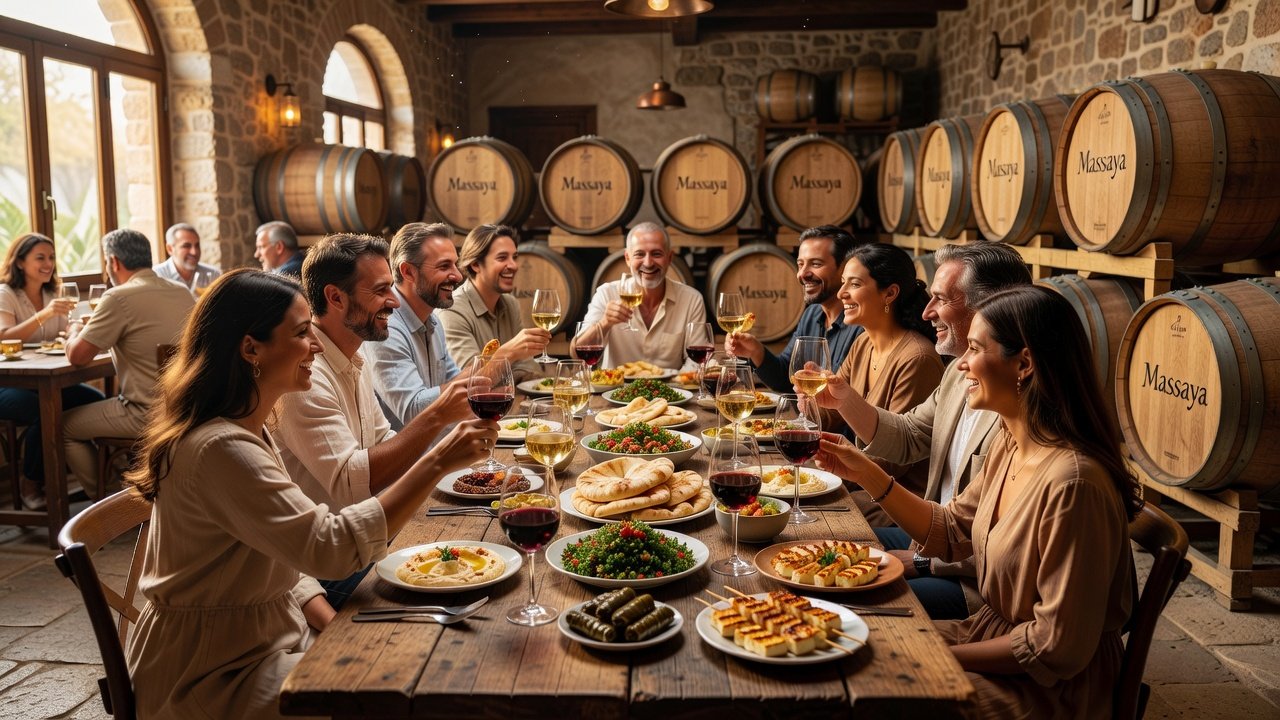
2026 vineyard tours in the Bekaa typically include morning hikes through vines followed by seated tastings of four to six wines. Harvest season visits allow participants to join picking crews, providing hands-on insight into grape selection and quality control. Many tours pair wines with local cuisine such as mezze platters featuring tabbouleh and grilled meats, creating memorable sensory experiences. Seasonal recommendations favor spring and autumn for mild weather and fewer crowds, though summer offers vibrant festival energy at select estates. Practical planning starts with booking through reputable operators at least two months ahead to secure spots during peak periods.
Real visitor examples illustrate the appeal: one couple from Europe described joining a harvest tour that deepened their understanding of how altitude affects flavor development, while a solo traveler from North America highlighted the personal attention received at smaller properties. These immersive elements set the Bekaa apart from more crowded destinations.
Pairings with Lebanese Cuisine
Bold Bekaa reds complement rich dishes like kibbeh and grilled lamb, cutting through fat with their acidity and tannins. Crisp whites enhance lighter options such as fattoush salads and fresh herb-based mezze. The region's wines shine alongside olive oil-drizzled vegetables and aged cheeses, where the mineral backbone from local soils creates harmonious matches. Expert guides often suggest starting with a Sauvignon Blanc paired with seafood-inspired mezze before moving to fuller reds with main courses. This progression mirrors the valley's climate diversity and helps beginners appreciate how terroir translates to the table.
Practical Planning Steps for 2026 Travelers
Begin by researching flight options to Beirut, then arrange ground transport to the valley, about two hours away by car or private transfer. Pack layers for temperature swings between day and night, and comfortable walking shoes for uneven vineyard terrain. Check seasonal availability carefully: spring brings blooming vines and mild conditions, while fall coincides with harvest activities. Prepare for tastings by reviewing basic grape varieties in advance, though most tours include clear explanations of terroir basics. Book accommodations ranging from rustic guesthouses to luxury eco-lodges near the wineries for convenient multi-day itineraries. Additional steps include confirming any entry requirements, arranging local guides familiar with the region, and planning buffer days for weather flexibility.
Comparisons to Established Wine Regions
Unlike Napa's polished tourism or Tuscany's historic estates, Bekaa offers raw authenticity with fewer visitors and more direct access to producers. Its terroir shares similarities with parts of South Africa in terms of altitude and climate variation but carries a unique Levantine twist from centuries of continuous winemaking. This makes it ideal for intermediate enthusiasts looking to expand beyond mainstream destinations while still enjoying high-quality, food-friendly wines.
Packing Tips and Visitor Insights
Essential items include sunscreen, a reusable water bottle, a light jacket for evenings, and a journal for noting tasting impressions. Visitors recommend bringing cash for small purchases at family-run estates and comfortable clothing suitable for both winery visits and outdoor exploration. One traveler shared how a harvest visit transformed their understanding of climate impacts on flavor profiles, while another noted the region's warm hospitality as the most memorable aspect of their trip.
FAQ: Visas and Best Times to Visit
Do I need a visa for Lebanon? Many nationalities receive on-arrival visas; check official requirements before travel to ensure smooth entry.
When is the best time for vineyard tours? April to June and September to November offer ideal conditions with pleasant temperatures and active winery schedules.
Are tours suitable for beginners? Yes, most include educational elements explaining terroir basics without assuming prior knowledge, making them accessible for newcomers.
How long should I allocate for a visit? A minimum of two to three days allows for multiple winery stops, meals, and relaxation amid the vineyards.
Conclusion
The Bekaa Valley's terroir promises memorable 2026 experiences through its distinctive wines and welcoming wineries. With thoughtful planning, travelers can immerse themselves in this undiscovered gem, returning home with new appreciation for Lebanese regional wines and the ancient soils that shape them.
No comments yet. Be the first!