 Uncorked Conversations
Discovering Moldova's Emerging Wine Terroir
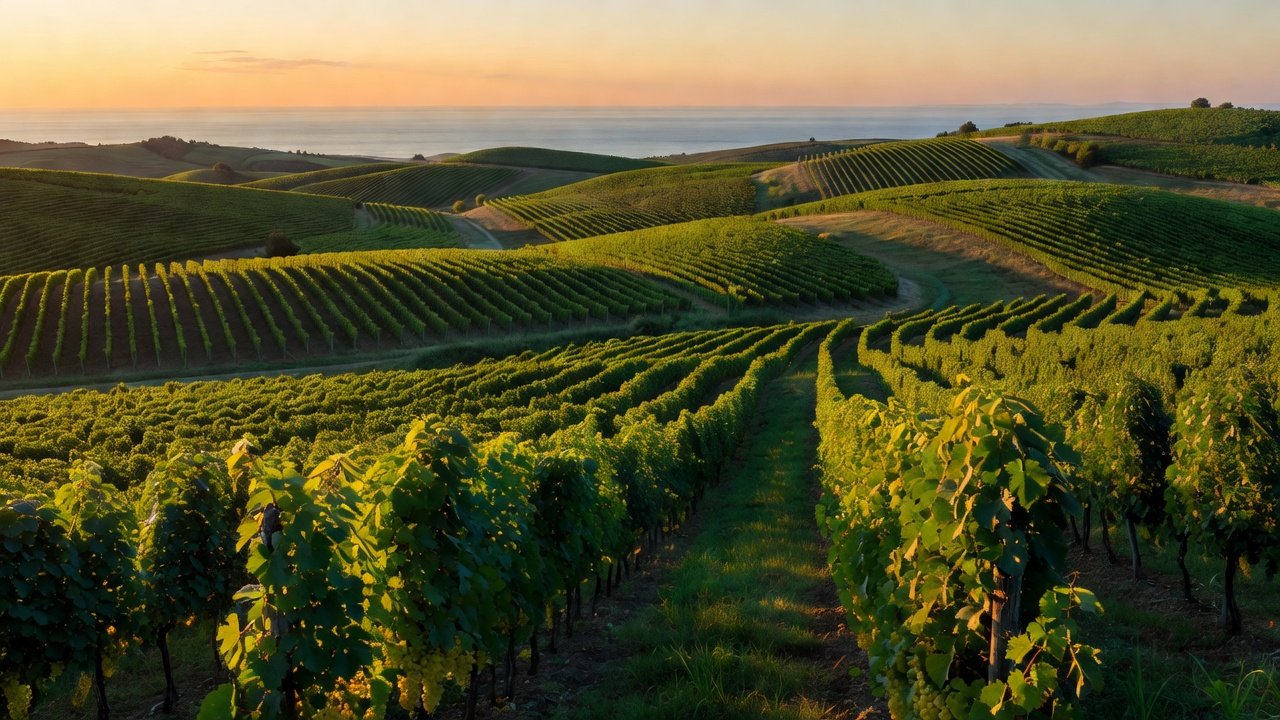
Moldova stands out as one of Eastern Europe's most promising wine destinations, where ancient traditions meet distinctive natural conditions. The country's terroir, influenced by the rolling Carpathian foothills and the moderating effects of the Black Sea, produces wines with remarkable freshness and complexity. This guide examines the key elements that make Moldova special for 2026 visitors seeking authentic, affordable experiences. Travelers often compare it favorably to established regions like Burgundy or Tuscany but at a fraction of the cost and with fewer crowds. The unique combination of geology, climate, and centuries-old winemaking practices creates wines that express both elegance and approachability.
Understanding Moldova's Unique Terroir
The interplay between continental climate and maritime influences creates ideal conditions for viticulture. Gentle slopes provide excellent drainage while the Black Sea tempers extreme temperatures, resulting in longer growing seasons that allow grapes to develop balanced sugars and acidity. Limestone-rich soils in many areas contribute minerality to the wines, while patches of clay and sand add texture and structure. These factors combine to support both international varieties and local grapes that express a true sense of place. Historical records show viticulture dating back thousands of years, with modern producers building on this heritage through sustainable methods. International Organisation of Vine and Wine recognizes the potential of such emerging terroirs in Eastern Europe for quality production.
Further details on soil composition reveal that the foothills create varied micro-terroirs, each imparting subtle differences in flavor profiles. For instance, higher elevation sites yield wines with brighter acidity, while lower slopes near the sea produce riper, more opulent expressions. This diversity allows estates to experiment with both traditional and innovative approaches, making Moldova an exciting region for wine enthusiasts in 2026.
Key Subregions: Codru and Valul lui Traian
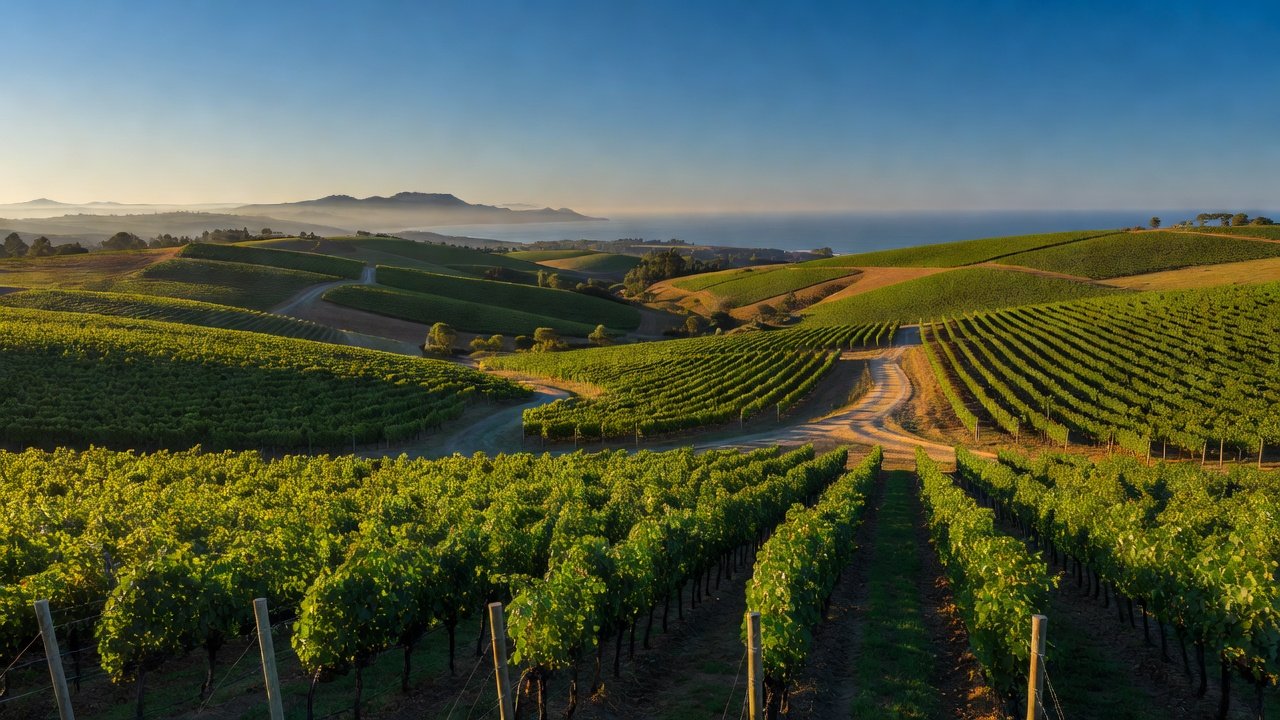
The Codru region, centered around the central hills, features cooler microclimates perfect for aromatic whites and elegant reds. Limestone and clay soils dominate here, contributing to wines with pronounced minerality and structure. Estates in this area often focus on single-vineyard bottlings that highlight the nuances of each plot. In contrast, Valul lui Traian in the south benefits from warmer conditions and proximity to the Black Sea, yielding fuller-bodied wines with ripe fruit character and softer tannins. Both areas host numerous estates open to visitors, with Codru offering more intimate, family-run experiences and Valul lui Traian providing larger-scale operations with modern facilities.
Travelers can explore the contrast by spending mornings in Codru's shaded vineyards and afternoons in the sunnier southern plains. This regional variation mirrors differences seen in places like Piedmont versus Sicily in Italy, but Moldova's compact size makes day trips feasible and efficient.
Indigenous Grape Varieties
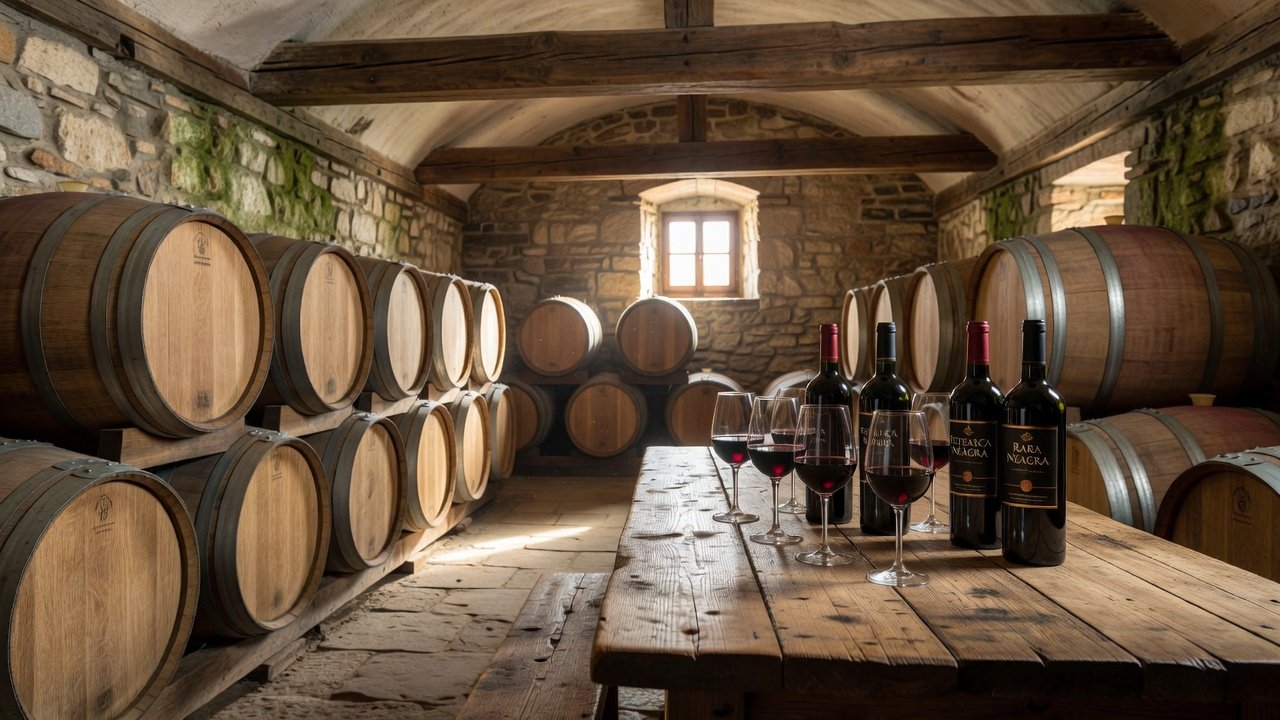
Feteasca Neagra delivers structured reds with dark fruit and spice notes, often showing hints of black cherry, plum, and subtle oak influence after aging. Rara Neagra offers lighter, floral expressions that shine in cooler vintages, with aromas of violet and red berries that pair beautifully with a range of cuisines. These varieties thrive in Moldova's conditions and form the backbone of many signature wines. Tastings often highlight their distinct profiles compared to better-known European grapes, providing a fresh perspective for those accustomed to Cabernet Sauvignon or Pinot Noir.
Additional local varieties like Feteasca Alba and Viorica add white wine options with crisp acidity and floral aromas. Producers frequently blend these with international grapes to create balanced cuvées that appeal to global palates while remaining true to Moldovan identity.
Vineyard Profiles and Estate Visits
Many producers in Codru focus on small-batch Feteasca Neagra expressions, allowing visitors to taste wines from vines over 30 years old. Valul lui Traian estates emphasize Rara Neagra blends that showcase the warmer climate's impact. Visitors can expect warm hospitality and detailed explanations of local winemaking traditions during cellar tours, including barrel tastings and explanations of fermentation techniques. Examples include historic sites with underground cellars that maintain consistent temperatures year-round, enhancing wine aging processes.
2026 Vineyard Tour Itineraries
A typical three-day route starts in Chisinau, moves through Codru estates on day one with stops at three to four properties, then heads south to Valul lui Traian on day two for seaside-influenced tastings. Day three includes a return with stops at smaller family operations and perhaps a picnic lunch amid the vines. Flexible options allow customization based on interests in reds, whites, or sustainability practices. For those with more time, extending to five days permits deeper dives into harvest activities or pairing workshops.
Practical examples include morning tastings followed by vineyard walks, with lunch featuring local cheeses and charcuterie. Booking through reputable operators ensures seamless logistics, including English-speaking guides familiar with 2026 seasonal events.
Tasting Tips and Regional Comparisons
Moldovan wines often show brighter acidity than many Southern European counterparts while offering more body than Northern European examples. Pair Feteasca Neagra with local grilled meats and Rara Neagra with lighter poultry dishes. Beginners benefit from starting with mixed flights to understand variety differences, noting how the terroir influences each sip. Comparisons to regions like Bordeaux reveal Moldova's advantage in value, delivering similar complexity without the premium pricing associated with more famous appellations.
Beginner-Friendly Planning Steps
- Research visa requirements and book flights to Chisinau, allowing extra time for connections.
- Select a base hotel with easy access to rental cars or organized tours that include transportation.
- Contact estates in advance for appointments, especially during peak seasons like harvest in September and October.
- Pack comfortable shoes for vineyard walks, a journal for tasting notes, and layers for variable weather.
- Consider joining group tours initially to learn the basics before venturing independently.
Seasonal Recommendations
Spring offers blooming vineyards and fewer crowds, ideal for photography and relaxed tastings. Summer provides warm weather perfect for outdoor tastings with views of the foothills. Autumn harvest periods deliver the most immersive experiences with active grape picking and pressing demonstrations. Winter cellar visits focus on aged wines in cozy settings, often accompanied by traditional Moldovan cuisine. Each season brings unique events, such as wine festivals in fall that celebrate local heritage.
Travel Logistics and Sustainability FAQs
How do I get around Moldova?
Rental cars provide flexibility for exploring remote vineyards, while organized tours handle transportation and translations. Public transport reaches major towns but limits direct vineyard access, making private options preferable for most visitors.
What sustainability practices are common?
Many estates use organic farming methods, cover crops to prevent erosion, and reduce water usage through traditional dry-farming techniques. Look for certifications when booking tours to support eco-friendly producers. Food and Agriculture Organization of the United Nations highlights such practices in Eastern European viticulture for long-term viability.
Are English-speaking guides available?
Yes, most larger estates provide English tours, though smaller producers may require advance arrangements for interpreters. Apps and translation tools can supplement if needed.
Conclusion
Moldova offers travelers an accessible gateway to Eastern European wine culture. Its distinctive terroir, indigenous grapes, and welcoming estates create memorable experiences that compare favorably with more established regions. Plan your 2026 visit to explore these hidden gems and discover why the region is gaining international attention.
No comments yet. Be the first!